Whether you need to repair a single chip or replace multiple missing teeth, a restore damaged teeth clinic offers comprehensive restorative dentistry solutions to regain your smile’s function and appearance. These specialized clinics focus on procedures such as composite bonding, tooth fillings, crowns, bridges, implants, and full-mouth restoration. By combining advanced materials with skilled clinicians, they address everything from minor cracks to extensive oral rehabilitation, improving chewing ability, preventing further damage, and boosting your confidence.
About 80% of adults over 40 have one or more broken or cracked teeth, which can hamper self-confidence and oral function [1]. Whether you’re coping with decay, trauma, or congenital gaps, visiting a restore damaged teeth clinic ensures you receive personalized treatment plans designed for your unique needs.
In this article, you’ll discover how a dedicated restorative dentistry practice can transform your oral health. We’ll explore repair options, the benefits of crowns and bridges, implant solutions, full-mouth restoration, criteria for choosing the right clinic, how to plan your visit, and cost-saving strategies.
Clinic benefits overview
Visiting a restore damaged teeth clinic offers several advantages over general dental offices. These practices concentrate on restorative care, meaning their teams have specialized training in repair techniques, prosthodontics, and implantology. You benefit from:
- Focused expertise: Clinicians who routinely perform crown placements, bridge fittings, and implant restorations develop precise skills and efficient workflows.
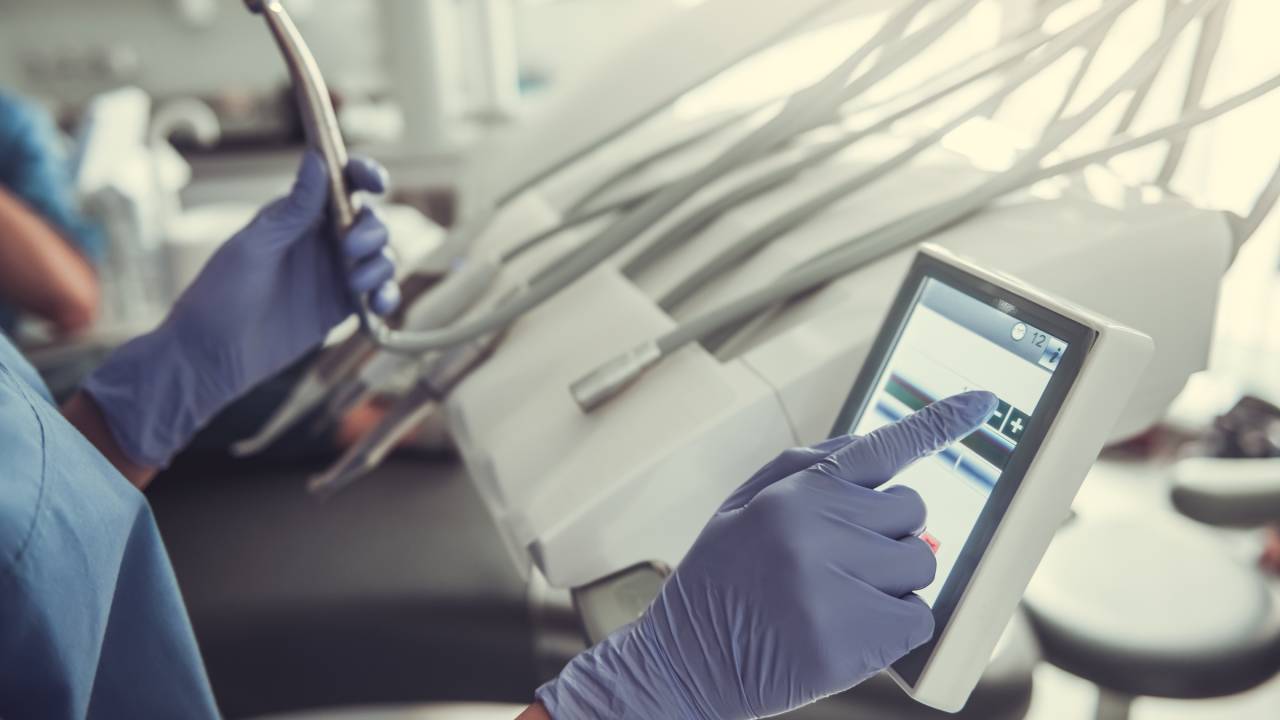
- Advanced technology: Clinics often invest in 3D imaging, intraoral scanners, and computer-aided design/computer-aided manufacturing (CAD/CAM) systems for same-day crowns and precise implant planning.
- Coordinated care: You’ll work with a multidisciplinary team—general dentists, prosthodontists, lab technicians, and sometimes oral surgeons—ensuring seamless treatment from diagnosis through restoration.
- Customized treatment plans: Detailed consultations and digital diagnostics help tailor procedures to your anatomy, lifestyle, and budget.
By choosing a dedicated clinic, you tap into a higher level of restorative dental solutions, whether you need a simple filling or a complex full-mouth rehabilitation.
Repair options explained
Minor chips, cracks, and cavities don’t always require crowns or implants. A restore damaged teeth clinic will offer conservative treatments to preserve your natural tooth structure.
Composite bonding
Composite bonding uses tooth-colored resin to repair chips, small fractures, and surface stains. After matching the shade to your surrounding enamel, your dentist sculpts the resin and cures it with a specialized blue light. This minimally invasive option restores aesthetics and function in a single visit. For precise bonding work, consult a repair chipped tooth dentist.
Tooth fillings
When decay creates cavities, fillings seal and protect the tooth. Materials include composite resin, dental amalgam, gold, and porcelain. The dentist numbs the area, removes decayed tissue, shapes the filling, and allows it to harden. Modern composite fillings blend seamlessly with your enamel and strengthen the tooth’s structure. To explore your options, see a tooth filling and repair dentist.
Inlays and onlays
For moderate damage that exceeds the scope of a filling but doesn’t yet warrant a crown, indirect restorations like inlays and onlays are ideal. Fabricated in a lab from porcelain, composite resin, or metal, they fit precisely into or onto the chewing surface. Inlays repair central cavities, while onlays cover cusps and may extend to the tooth’s sides [2].
Crowns benefits and uses
Dental crowns are versatile restorations that cover your entire tooth above the gumline. They protect weakened teeth, restore shape, and improve appearance.
When to use crowns
Crowns are recommended for:
- Teeth with large cavities that compromise structure
- Post-root canal therapy to reinforce the remaining tooth [3]
- Severely chipped or worn teeth
- Dental implants, where crowns serve as the visible tooth replacement
Material choices
Crowns come in porcelain, ceramic, metal alloys, or porcelain-fused-to-metal. Porcelain and ceramic offer the most natural look, matching adjacent teeth in color and translucency. Metal crowns—usually gold or other alloys—provide exceptional durability, making them ideal for molars. Many clinics now offer same-day crowns with CAD/CAM technology, reducing multiple visits and temporary restorations. Learn more about porcelain crown restoration and schedule a dental crown placement huntersville appointment.
Bridges benefits overview
Bridges fill gaps left by missing teeth, anchoring artificial teeth (pontics) to adjacent natural teeth or implants. They restore bite force, prevent shifting, and maintain facial structure.
Bridge types
- Traditional bridge: Pontic held by crowns on neighboring teeth
- Cantilever bridge: Supported by a crown on a single adjacent tooth
- Maryland bridge: Pontic bonded to metal or porcelain wings on neighboring teeth
- Implant-supported bridge: Pontic attached to dental implants, avoiding stress on natural teeth
Treatment overview
Typical bridge placement involves:
- Preparing anchor teeth or placing implants
- Taking impressions or digital scans
- Fabricating the bridge in a dental lab
- Fitting and cementing the restoration
Costs vary based on materials and complexity. A three-unit bridge can range from $500 to $1,500, while larger spans may cost $1,500 to $16,000 [4]. For quality care, explore dental bridge replacement nc or consult a bridge dentistry huntersville practice. If you need combined crown and bridge services, check out our bridge & crown services clinic.
Implants benefits and types
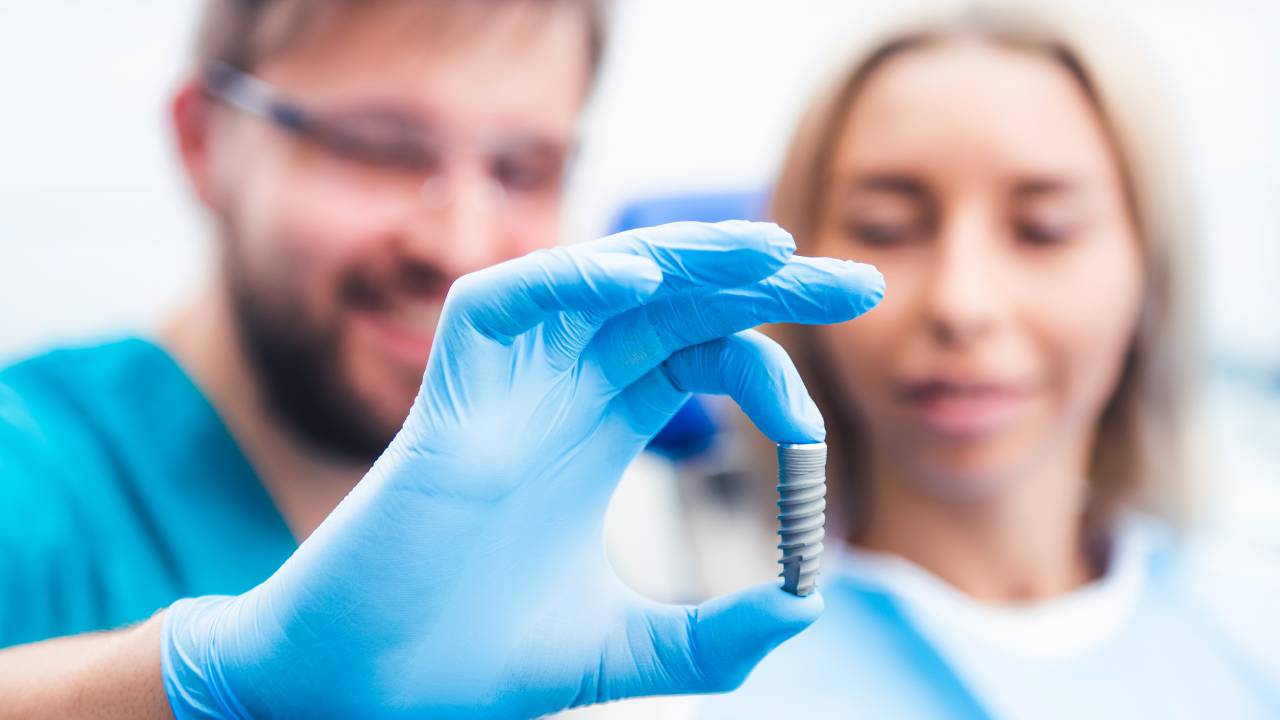
Dental implants are titanium posts surgically placed into the jawbone, acting as artificial roots. Once integrated, they support crowns, bridges, or dentures, providing unmatched stability.
Single vs all-on-4
- Single implants replace one tooth; the average cost per implant is around $5,000 [5].
- All-on-4 uses four implants to anchor a full arch of teeth, averaging $12,000 for the entire arch.
Why choose implants
- Preserve jawbone health by stimulating bone tissue
- Offer superior chewing efficiency compared to removable dentures
- Last for decades with proper care
- Avoid altering adjacent teeth, unlike traditional bridges
To learn more, connect with an implant restoration dentist huntersville or explore implant + crown restoration. If you have a missing tooth, see how we can replace missing tooth huntersville.
Full-mouth restoration
When multiple teeth are decayed, damaged, or missing, a full-mouth restorative plan restores function and aesthetics across your entire dental arch.
Procedures involved
A comprehensive plan may combine:
- Crowns and bridges
- Multiple implants or All-on-4
- Full or partial dentures
- Periodontal treatment to ensure healthy gums
- Orthodontics or bite adjustment
Costs for full-mouth restoration range from $15,000 for modest rehabilitations to $80,000 for extensive treatment [5]. Clinics offering full mouth restorative dentistry coordinate these procedures to streamline your care.
Recovery and outcomes
Recovery timelines vary by procedure:
- Fillings and bonding: same-day return to normal function
- Crowns and bridges: a few days of mild sensitivity
- Implants: 3–6 months for osseointegration, with temporary restorations in place
- Full-mouth cases: staged appointments over weeks to months
Most patients report improved chewing comfort, clearer speech, and renewed confidence once healing is complete.
Clinic selection criteria
Choosing the right restore damaged teeth clinic impacts your treatment success and experience. Evaluate practices based on:
Credentials and expertise
- Board-certified prosthodontists or restorative dentists
- Proven track record with before-and-after case studies
- Affiliations with professional organizations
Consider clinics offering a full spectrum of restorative procedures, such as a restorative care family dentist or a specialized restorative dental solutions nc provider.
Technology and patient care
- Digital impressions and CAD/CAM milling
- Cone-beam CT scans for implant planning
- Sedation options for comfort
- In-house labs for faster turnaround
Read patient reviews and ask about advanced equipment, as this often correlates with precision and shorter treatment times.
Plan your visit
Preparing for your appointment helps you make informed decisions and feel at ease.
Initial consultation
Your first visit typically includes:
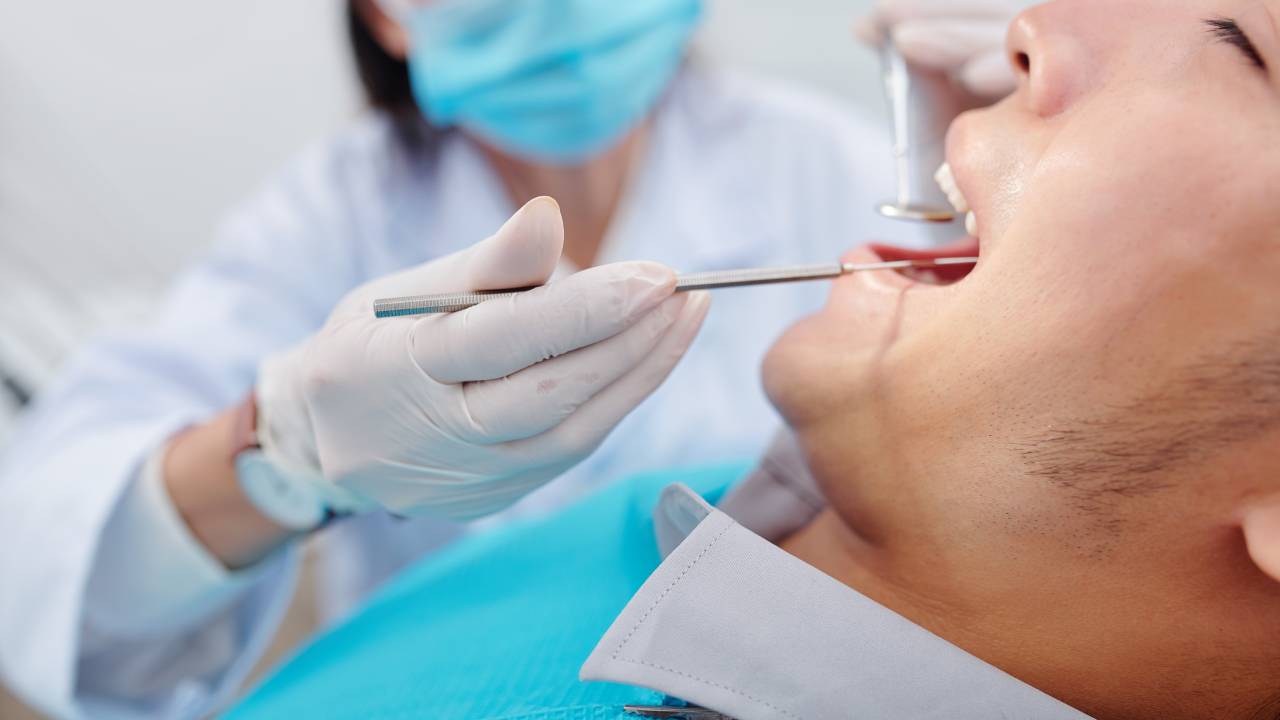
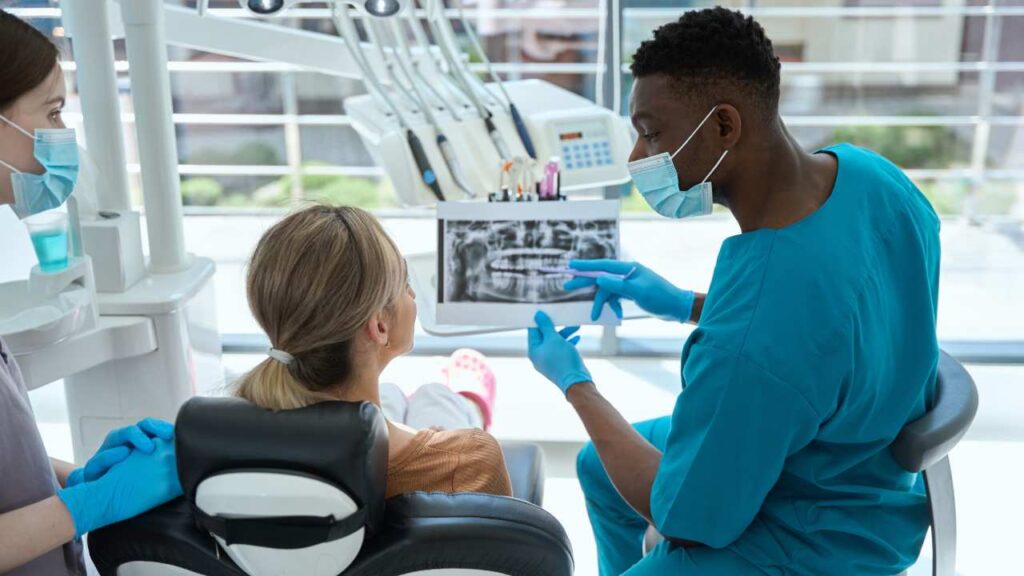
- Comprehensive exam and X-rays or 3D scans
- Discussion of goals, medical history, and budget
- Presentation of treatment options and timelines
Bring a list of current medications and any dental insurance information.
Treatment planning
Once you select a plan, the clinic will:
- Create a digital or physical model of your mouth
- Schedule procedure dates in logical order
- Arrange any necessary pre-treatment, such as periodontal therapy or extractions
Clear communication at this stage sets expectations and helps avoid surprises.
Cost and insurance options
Understanding financial aspects can ease stress and help you move forward with confidence.
Financing plans
Many clinics offer:
- Interest-free payment plans
- Third-party financing through healthcare lenders
- In-office discounts for bundled restorative packages
Ask about flexible payment schedules to align treatments with your budget.
Insurance coverage
Restorative services are often partially covered by dental insurance. Typical coverage includes:
- Fillings and crowns: 50–80% after deductible
- Bridges and dentures: 50% after deductible
- Implants: coverage varies, sometimes limited to implant crown
Verify your benefits in advance and consider our insurance covered restorations guide.
Get started today
Don’t let damaged, decayed, or missing teeth hold you back. A restore damaged teeth clinic can offer tailored solutions—from simple repairs to full-mouth rehabilitation—that improve your oral health and quality of life. Schedule your consultation with a trusted restorative procedures dental practice to explore the best path forward for your smile.