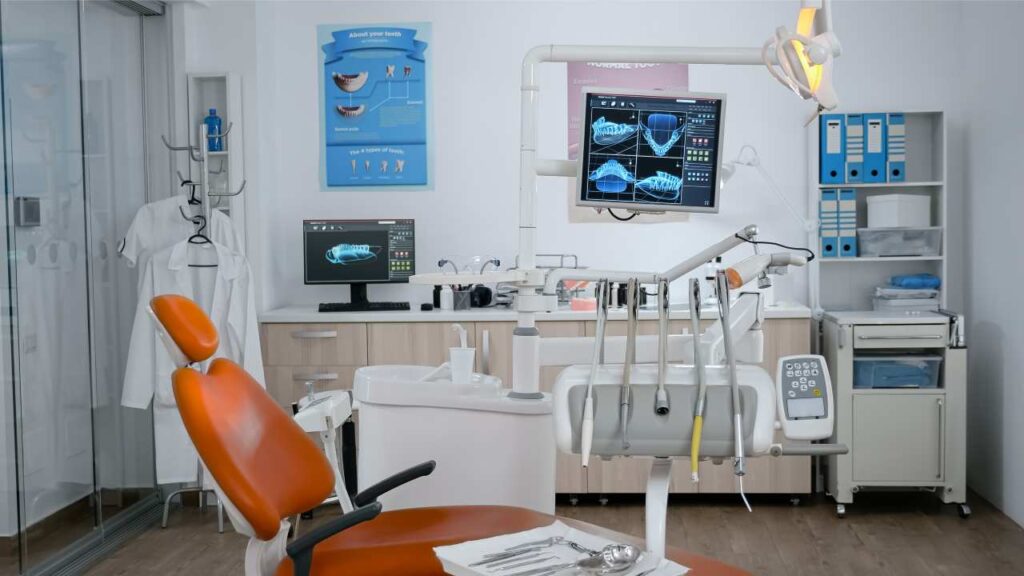
At a bridge & crown services clinic you’ll find solutions to repair damaged teeth, replace missing teeth, and restore both function and aesthetics. Whether you’re considering a porcelain crown restoration or a full arch bridge, knowing what to expect can help you feel more confident about your treatment. In this guide you’ll learn about each step of your visit, from your initial consultation through post-treatment care. We’ll cover crown and bridge types, implant restorations, cost factors, and tips for choosing the right restorative dentist near me to meet your needs.
Understand your consultation
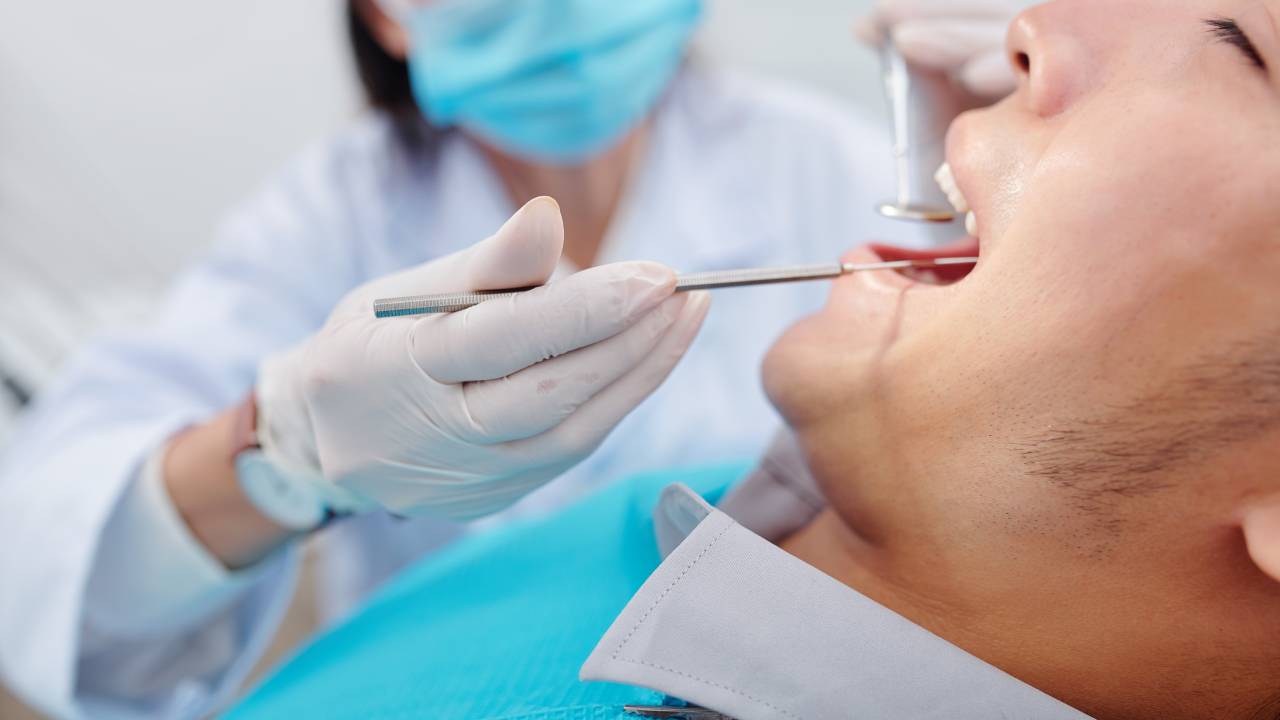
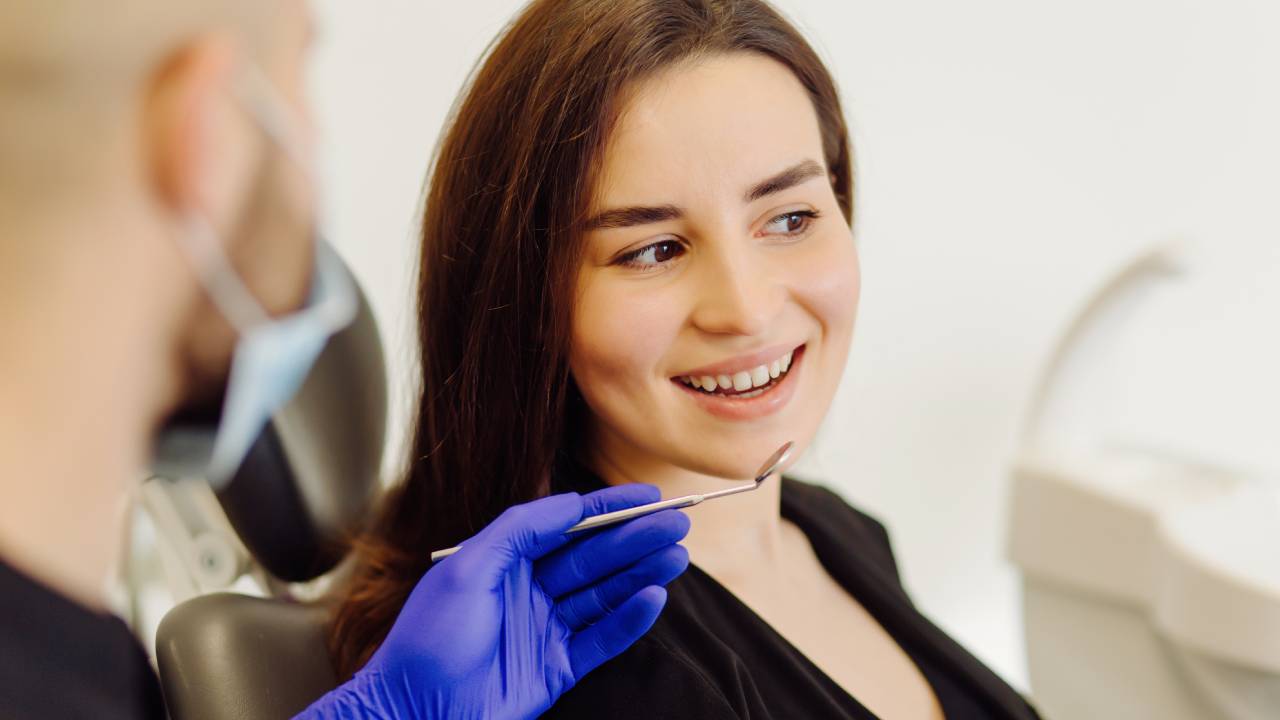
Your first appointment at a bridge & crown services clinic sets the stage for a successful outcome. Your dentist will review your medical and dental history, examine your mouth, and take diagnostic images. Here’s what typically happens:
- Medical and dental history review
- You’ll discuss any health conditions, medications, and dental concerns
- Your dentist will note allergies and previous dental work
- Oral examination and X-rays
- A clinical exam identifies decay, damage, or missing teeth
- X-rays reveal root health, bone density, and hidden issues
- Digital impressions and photography
- In most clinics, a digital scanner captures your teeth for precise models
- Photographs help plan esthetic outcomes for crowns or bridges
- Treatment planning discussion
- Your dentist explains options such as crowns, bridges, or implant restorations
- You’ll learn pros and cons of each approach and see examples of results
- You can ask about full-mouth solutions like full mouth restorative dentistry
- Financial and insurance review
- The clinic’s coordinator outlines treatment costs and payment plans
- If you have coverage, your coordinator will verify benefits under insurance covered restorations
- Cosmetic procedures may require out-of-pocket payment
According to Royal Dental, impressions and X-rays taken during your consultation help technicians craft custom restorations that blend seamlessly with your smile [1]. Understanding each step of this process prepares you to make informed decisions and feel comfortable moving forward.
Explore crown services
Dental crowns are tooth-shaped caps used to restore weak, broken, or decayed teeth. They protect what remains of your natural tooth and improve bite function. Crowns typically last five to 15 years with proper care [2]. Here are common crown types:
- Metal crowns
- Made of gold or metal alloy
- Highly durable, ideal for molars that handle heavy chewing
- Porcelain-fused-to-metal (PFM) crowns
- Combine metal strength with a porcelain exterior
- Offer natural color but may chip over time, exposing metal
- Pressed ceramic crowns
- Hard ceramic inner core with a natural translucent appearance
- May chip similar to PFM crowns
- All-ceramic or porcelain crowns
- Provide the best color match for front teeth
- Less durable under heavy bite forces than metal versions
- All-resin crowns
- Most affordable option
- More prone to wear and fractures
Crown procedure steps
- Tooth preparation
- Your dentist numbs the area and removes a thin layer of enamel to shape the tooth
- Impression taking
- The clinic uses a digital scanner or physical mold to capture tooth contours
- Temporary crown placement
- A provisional crown protects the prepared tooth while your lab fabricates the permanent restoration
- Final crown fitting
- At your next appointment, the dentist checks fit, bite, and shade before cementing the crown in place
- Post-placement adjustments
- Minor tweaks ensure comfort and proper occlusion
After you receive your crown, maintain regular dental visits and brush twice daily. If you have a dental crown placement huntersville appointment, ask your dentist about specialized floss or interdental brushes to keep margins clean.
Discover bridge options
A dental bridge replaces missing teeth by anchoring artificial teeth (pontics) to neighboring abutment teeth or implants. Bridges prevent drifting of adjacent teeth and support chewing, speech, and facial structure [3]. Four main types include:
| Bridge type | Support | Pros | Cons |
|---|---|---|---|
| Traditional bridge | Crowns on both sides | Durable, familiar procedure | Requires healthy abutments |
| Cantilever bridge | Single abutment | Option when only one side is free | Higher load on lone abutment tooth |
| Maryland bridge | Resin wings | Conservative, minimal tooth prep | Less durable for heavy biting |
| Implant-supported bridge | Dental implants | Preserves bone, very stable | Higher cost, surgical placement |
Bridge procedure steps
- Abutment preparation
- Your dentist numbs the area and reshapes adjacent teeth to fit crowns
- Impression and lab fabrication
- Digital or physical molds guide technicians in crafting the bridge
- Temporary bridge placement
- Protects prepped abutment teeth and maintains smile appearance
- Final bridge fitting
- Dentist checks comfort, bite alignment, and esthetic integration before final cementation
Most clinics don’t place bridges in patients younger than 17 or 18, with certain exceptions for Maryland bridges in children who have lost a permanent tooth [4]. If you need to replace multiple teeth or desire a removable option, ask about custom denture service huntersville or replace missing tooth huntersville.
Review implant restorations
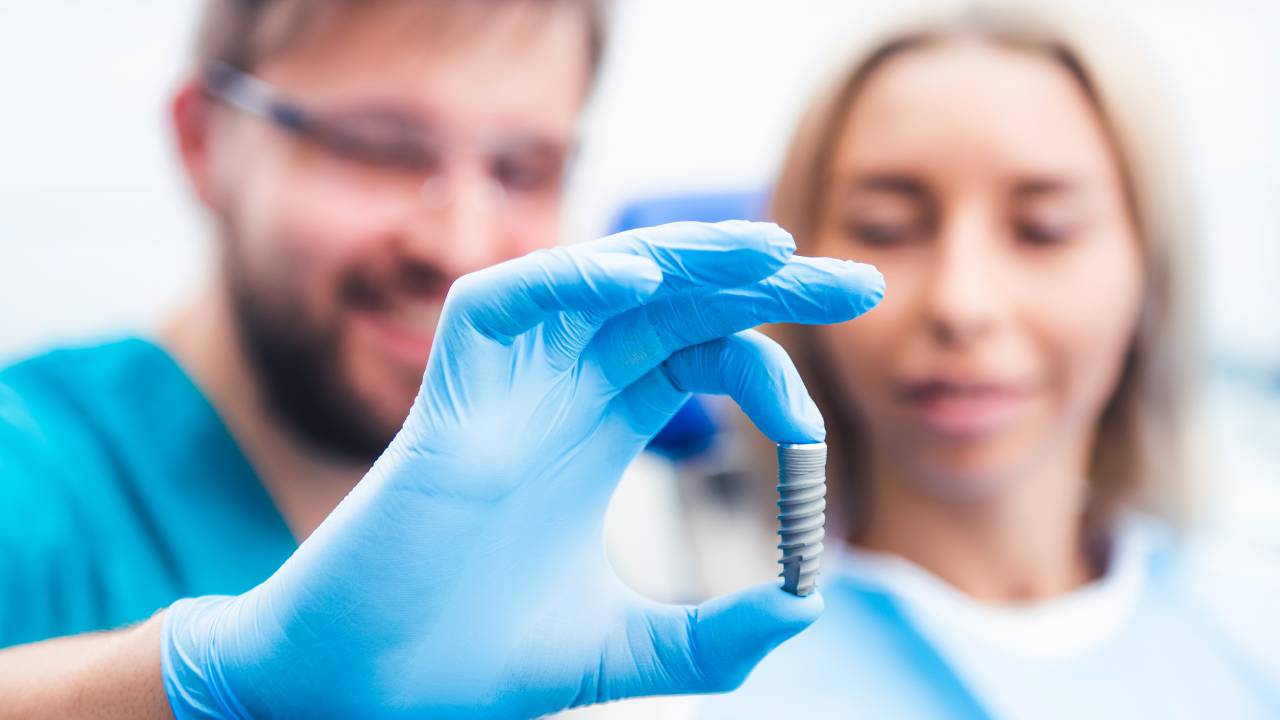
Implant restorations involve securing crowns or bridges to titanium posts surgically embedded in your jawbone. Unlike traditional bridges, implants help preserve bone and can last decades with good care [4]. According to the American Academy of Implant Dentistry, 3 million Americans have dental implants and that number grows by 500,000 each year [5].
When you need an implant crown
- You have a single missing tooth with healthy surrounding bone
- Adjacent teeth are intact and you want to avoid altering them
- You seek a long-term solution with minimal maintenance
Implant-supported bridge process
- Surgical implant placement
- Your oral surgeon or specialist places one or more implants into the jaw
- Healing and osseointegration
- Implants fuse with bone over 3 to 6 months, providing a stable foundation
- Abutment connection
- A small connector attaches to each implant to hold your restoration
- Final prosthesis delivery
- Your clinic takes impressions, fabricates the crown or bridge, and secures it to the abutments
For specialized implant work, look for an implant restoration dentist huntersville or ask about implant + crown restoration.
Learn post-treatment care
Proper aftercare extends the life of your crowns, bridges, and implant restorations. Your dentist may recommend specialized tools and techniques to keep your restorations healthy.
- Oral hygiene best practices
- Brush twice daily with a soft-bristled brush
- Floss under bridge pontics using a floss threader or interdental brush
- Rinse with an antimicrobial mouthwash if advised
- Dietary guidelines
- Avoid hard or sticky foods that could damage restorations
- Limit sugary snacks to reduce decay risk
- Routine checkups
- Schedule professional cleanings and exams every six months
- Monitor crown margins, bridge stability, and gum health
- Address complications promptly
- Report sensitivity, looseness, or discomfort as soon as possible
- Seek care from a repair broken filling dentist if restorations loosen
Studies show good oral hygiene can extend the life of crowns and bridges well beyond their average five to 15-year lifespan [4]. Your clinic may also offer a root canal & crown service if underlying issues arise.
Consider cost factors
Treatment costs at a bridge & crown services clinic vary based on materials, complexity, and location. According to Humana, bridge procedures can range from a few hundred dollars for a Maryland bridge to several thousand dollars for an implant-supported bridge [6]. Crowns generally cost between $800 and $1,500 per tooth, depending on the material.
- Material selection
- Metal crowns and traditional bridges often have lower initial costs
- All-ceramic crowns and implant-supported options carry higher fees but may have fewer long-term costs
- Procedural complexity
- Multi-unit bridges and full-mouth restorative solutions require more lab work
- Surgical implant placement adds fees for anesthesia and specialist care
- Insurance coverage
- Many plans cover medically necessary restorations under preventive or major services
- Cosmetic procedures may be out-of-pocket
- Verify benefits by consulting with insurance covered restorations
Ask your clinic for a detailed estimate and payment plan options. Some practices offer in-office financing or third-party credit to spread the cost over time.
Choose your clinic
Selecting the right clinic ensures you receive quality care and predictable results. Consider these criteria:
- Provider credentials and experience
- Look for a dentist or specialist with training in restorative and implant dentistry
- Ask about success rates for crowns, bridges, and implant restorations
- Technology and techniques
- Modern clinics often use digital scanning, 3D imaging, and in-house milling for faster results
- Evaluate whether the practice offers same-day restorations or full-arch solutions
- Patient reviews and before-and-after photos
- Read testimonials to gauge patient satisfaction
- View case galleries for outcomes on crowns, bridges, and full-mouth restorative dentistry
- Location and convenience
- Choose a practice that’s accessible and has flexible scheduling
- Consider a restorative care family dentist for comprehensive services
If you need a multi-disciplinary approach, search for restorative dental solutions nc or a bridge dentistry huntersville specialist who can handle complex cases under one roof.
Final takeaways
Visiting a bridge & crown services clinic involves a structured process of consultation, treatment planning, and precise execution of crowns, bridges, or implant restorations. By understanding the types of restorations available, learning what happens at each appointment, and knowing how to care for your new teeth, you can make informed choices and enjoy lasting results. With the right clinic and a clear plan, you’ll restore your smile, improve oral health, and regain confidence in eating and speaking.