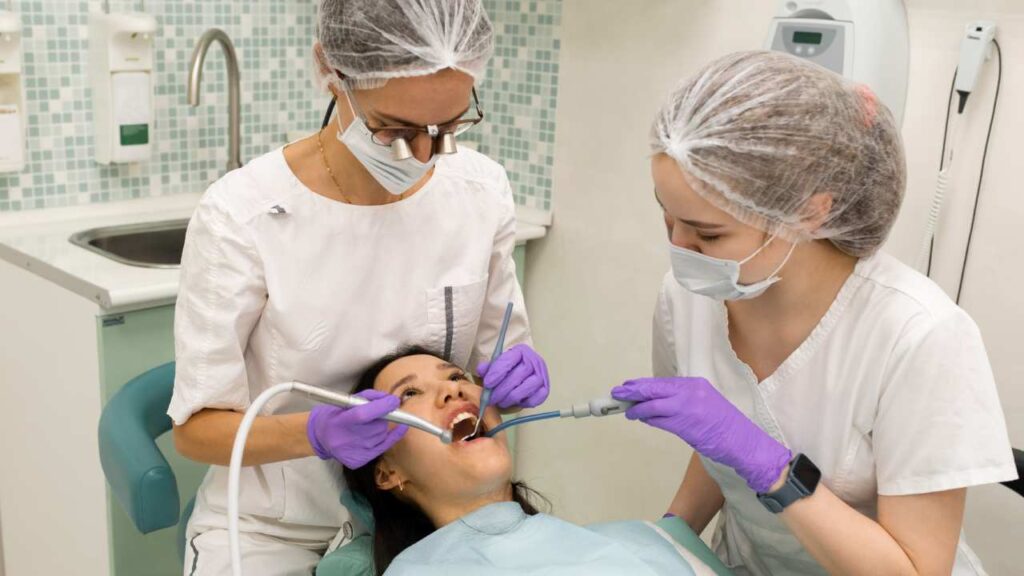
Implant + crown restoration
When you consider implant + crown restoration, you’re choosing a durable solution for damaged, decayed, or missing teeth. This multi-step procedure replaces both the tooth root and the visible crown, giving you an implant-supported restoration that looks and feels natural. From the initial evaluation through to the final crown placement, understanding each phase helps you prepare for what lies ahead and increases the odds of a successful outcome.
By integrating with your jawbone through osseointegration, dental implants preserve bone structure, stabilize adjacent teeth, and support healthy peri-implant mucosa [1]. In the sections that follow, you’ll learn about the key components, the timeline, and how implant + crown restoration compares to other options.
Key components
- Implant
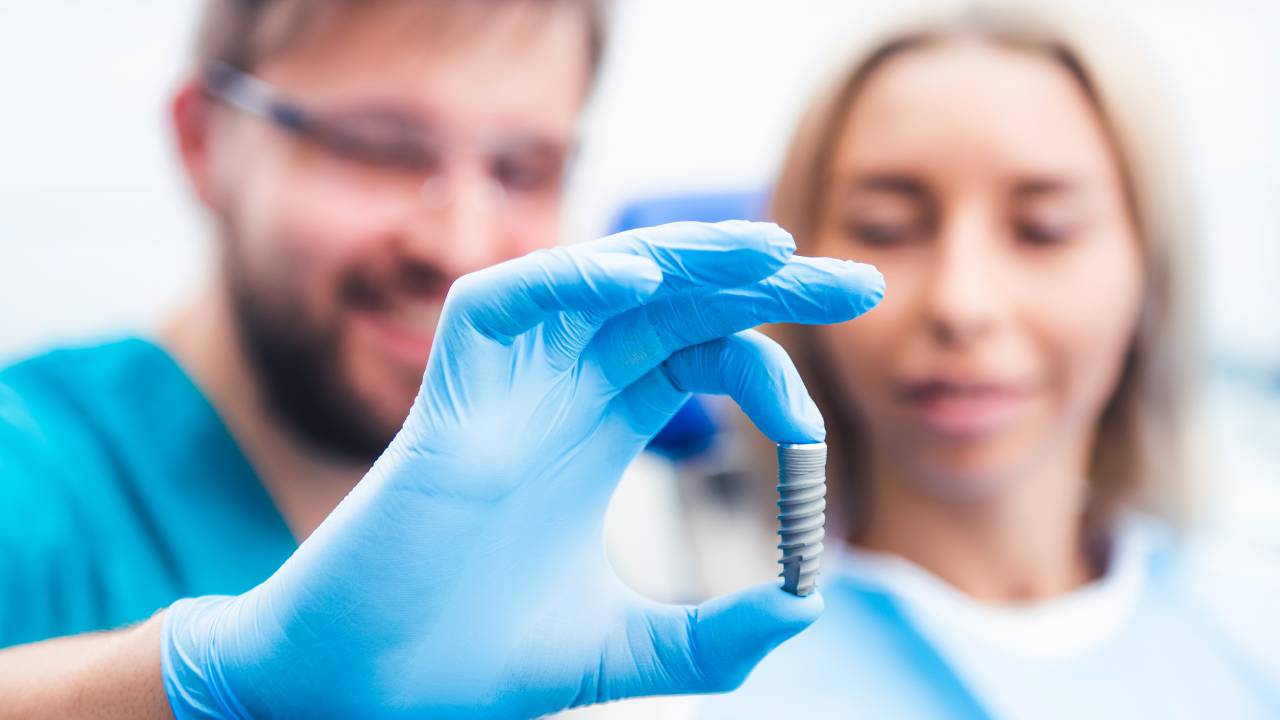
A titanium post surgically placed into your jawbone to act as a new tooth root. - Abutment
A connector that secures the crown to the implant. - Crown
The visible, custom-made porcelain or zirconia tooth that restores chewing function and aesthetics.
Benefits versus other solutions
- Preserves bone and facial structure
- Feels and functions like a natural tooth
- Avoids alteration of neighboring teeth (unlike bridges)
- High long-term success rate (around 96% over ten years) [2]
- Retrievability for maintenance (screw-retained option) [3]
Plan your restoration
Initial evaluation
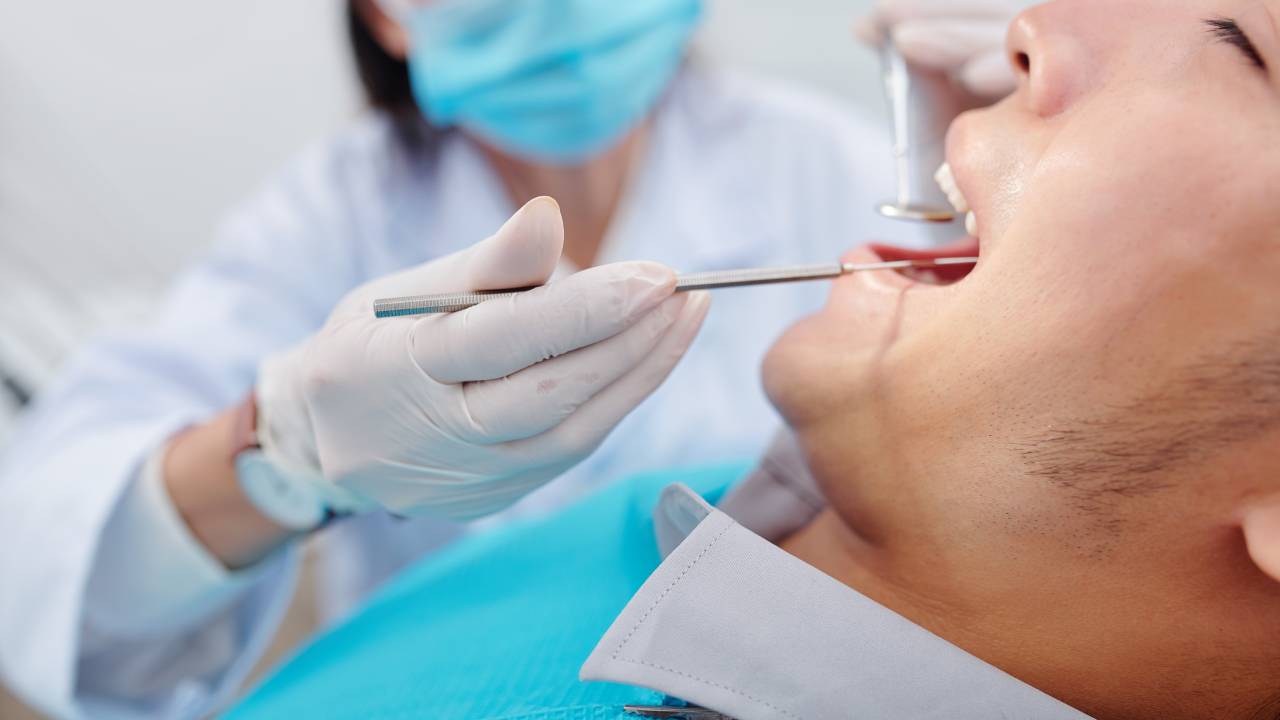
Your dentist will review your medical history, evaluate oral health, and discuss your goals. Expect:
- A clinical exam to check gum health and bone density
- Digital x-rays or 3D scans to map jaw anatomy
- Discussion of previous treatments (for example, a root canal & crown service or repair broken filling dentist)
Imaging and diagnostics
Advanced imaging tools create a detailed map of your jawbone and sinuses. This data helps determine:
- Ideal implant size, angle, and location
- Need for bone grafting or sinus lifts
- Potential complications based on bone quality
Developing your treatment plan
Together with your dentist or oral surgeon, you’ll outline:
- Number of implants and crowns needed
- Timeline for surgery and healing phases
- Type of crown material (porcelain, zirconia, hybrid)
- Attachment method (screw-retained or cemented)
- Referral to specialists if needed, such as restorative dental solutions nc
Implant placement stage
Surgical insertion process
During implant surgery:
- Local anesthesia or sedation is administered
- A small incision exposes the bone
- The implant post is inserted precisely
- The site is sutured and covered to heal
Many patients compare post-operative discomfort to a tooth extraction, manageable with over-the-counter pain relief and ice packs.
Osseointegration period
Over three to six months, your bone grows around the implant in a process called osseointegration. This fusion:
- Stabilizes the implant
- Prevents bone loss around missing teeth
- Ensures a solid foundation for your crown [4]
Addressing bone grafts
If you lack adequate bone volume, your dentist may recommend a bone graft. Materials can include:
- Your own bone (autograft)
- Donor or cadaver bone (allograft)
- Synthetic or animal-derived grafts
This preparatory step may add three to six months to your timeline but is crucial for long-term success.
Crown fabrication stage
Abutment placement
Once osseointegration is confirmed, a second minor surgery attaches the abutment to the implant. The abutment protrudes through the gum tissue and serves as the anchor for your crown.
Crown design and material
Your crown is custom-made for fit, color, and contour. Common materials include:
- Porcelain fused to metal
- Monolithic zirconia
- E-max lithium disilicate
Advanced systems like CEREC allow some practices to design and mill crowns in-office, reducing lab turnaround times [5].
Attachment methods
You and your dentist will choose between screw-retained and cement-retained crowns. Each has pros and cons:
| Feature | Screw-retained | Cement-retained |
|---|---|---|
| Retrievability | Easy removal for maintenance [3] | Difficult removal, risk of damage when accessing components |
| Hygiene control | Superior access to clean abutment-implant interface | Cement residue may irritate peri-implant mucosa |
| Esthetic outcome | Screw access hole may need filling | Smooth, uninterrupted occlusal surface |
| Risk of screw loosening | 5%–65%, minimized with proper torque wrench use [3] | N/A |
Your dentist will recommend the best option based on crown location, esthetic priorities, and long-term maintenance needs.
Aftercare and maintenance
Oral hygiene practices
Care for implant + crown restorations much like natural teeth:
- Brush twice daily with a soft-bristle brush and non-abrasive toothpaste
- Floss around the crown using implant-specific floss or interdental brushes
- Rinse with antimicrobial mouthwash if recommended
Routine follow-ups
Schedule maintenance visits every three to six months for:
- Professional cleaning around the implant
- Evaluation of crown integrity and implant stability
- Monitoring of peri-implant mucosa health
Managing complications
Keep an eye on warning signs such as:
- Persistent pain or swelling
- Unusual mobility of the implant or crown
- Signs of infection (bleeding, redness)
Early intervention can prevent serious issues like peri-implantitis or implant failure. Contact your restorative care family dentist if you notice concerns.
Cost and financing
Cost breakdown
The total cost of implant + crown restoration varies by region, complexity, and materials. Typical ranges are:
| Component | Average cost (USD) |
|---|---|
| Implant | $1,000 – $3,000 |
| Abutment | $300 – $500 |
| Crown | $1,000 – $2,000 |
| Additional procedures (grafts, scans) |
$800 – $1,200 |
| Total | $3,100 – $5,800 [6] |
Financing options
To make treatment more accessible, many practices accept:
- CareCredit and Proceed Finance plans [2]
- In-house savings plans to reduce out-of-pocket expenses
- Flexible monthly payment schedules
Ask your provider about insurance covered restorations and any promotional offers.
Comparing treatment options
Implant vs bridge
- Durability: Implants offer 10+ years of success; bridges may require replacement sooner
- Preservation: Implants maintain bone; bridges require grinding adjacent teeth
- Hygiene: You can floss under an implant-supported crown; bridges can be harder to clean
For patients with multiple missing teeth, explore dental bridge replacement nc or full mouth restorative dentistry solutions.
Other restorative choices
- Removable dentures: Lower cost but less stability and comfort
- Fixed hybrid prostheses (All-on-4®): Immediate results for full-arch restoration [7]
- Tooth-supported crowns: May be appropriate when adjacent teeth are healthy [8]
Discuss your lifestyle, budget, and long-term goals with your dentist to find the best fit.
Choosing a provider
Credentials to check
- Board certification and specialty training in implant dentistry
- Membership in professional organizations (AAID, ICOI)
- A track record of successful implant + crown cases
Insurance considerations
Verify your plan’s coverage for implants, abutments, grafts, and crowns. Some providers offer package pricing or bundled plans to streamline billing and reduce surprises.
Finding local specialists
Search for an implant restoration dentist in your area, such as implant restoration dentist huntersville or simply look up restorative dentist near me. Check online reviews, ask for patient before-and-after photos, and request a consultation to discuss your personalized treatment plan.
By understanding the stages of implant + crown restoration—from planning through maintenance—you can approach your treatment with confidence. Proper aftercare, timely follow-ups, and choosing a skilled provider ensure your investment delivers a lasting, healthy smile. If you’re ready to restore your damaged teeth, contact our restore damaged teeth clinic today for a comprehensive evaluation.