If you’re searching for repair chipped tooth dentist solutions, you’ve come to the right place. A chipped tooth can range from a minor cosmetic issue to a serious injury that exposes sensitive inner tissues. Knowing the causes, symptoms, and treatment pathways will help you make informed decisions about your oral health. In this guide, you’ll explore everything from simple polishing to full mouth restorative dentistry, so you can restore your smile with confidence.
Understanding chipped teeth
A chipped tooth happens when a fragment of enamel breaks off, often exposing dentin or deeper layers of the tooth. Enamel is the hardest tissue in your body, but it can still crack under pressure or impact.
Causes and risk factors
- Trauma from falls, blows, or contact sports
- Biting on hard foods or objects like ice, nuts, or pens
- Teeth grinding and clenching
- Cavities and weakened enamel
- Plaque buildup that undermines tooth structure
- Harmful habits such as nail biting or opening bottles with your teeth
According to the Cleveland Clinic, trauma to the mouth or chewing hard items are common triggers for chipped teeth [1]. TetriSmile also notes that weakened enamel from cavities or grinding can increase your risk of a chip [2].
Levels of chip severity
- Small chips: only the enamel is affected, mainly a cosmetic concern
- Medium chips: enamel and dentin are compromised, may expose pulp and cause sensitivity
- Large chips: deep fractures reach the nerve, causing pain, bleeding, and infection risk
Medium and large chips often require professional care to prevent infection or further damage [2].
Recognizing chipped tooth symptoms
Knowing the signs of a chipped tooth ensures you seek timely care and avoid complications.
Visible cosmetic signs
- A missing fragment or jagged edge on the tooth
- Discoloration at the chip site
- Change in tooth shape or alignment
You may not notice a small chip immediately, but a mirror check can reveal rough edges.
Pain and sensitivity
- Sharp or throbbing pain when biting or chewing
- Sensitivity to hot, cold, or sweet foods and drinks
- Discomfort from exposed nerve endings
If you feel sharp pain or lingering sensitivity, the chip might have exposed dentin or pulp, which needs prompt treatment.
Functional problems
- Difficulty chewing evenly or fully
- Changes in bite alignment
- Speech alterations if front teeth are involved
Untreated chips can lead to uneven wear on surrounding teeth and gum irritation [3].
Exploring noninvasive repair options
For minor chips, your dentist can use conservative techniques that restore function and appearance without extensive drilling or anesthesia.
Dental bonding
Dental bonding uses a tooth-colored composite resin to fill and reshape the chipped area. It’s one of the quickest ways to repair a small enamel break:
- Procedure time: 30–60 minutes
- Anesthesia: usually not required
- Lifespan: up to 10 years with good oral hygiene
This painless option blends seamlessly with your natural enamel [4]. If you’ve had a filling crack or break, consider our repair broken filling dentist for bonding and adjustment.
Enamel polishing and contouring
If the chip is tiny and only affects the surface, a dentist can smooth and polish the rough edge:
- Removes sharp points that irritate tongue or cheeks
- Improves comfort when chewing
- No anesthesia or numbing needed
This quick fix preserves most of your natural enamel.
Remineralization therapy
For very minor enamel chips, strengthening the remaining structure can help:
- Fluoride varnishes or gels
- Calcium phosphate or hydroxyapatite pastes
- Professional applications in the dental office
Remineralization can reduce sensitivity and halt early enamel breakdown without drilling.
Considering restorative dental solutions
When a chip goes beyond superficial damage, restorative procedures rebuild strength and function.
Dental veneers
Veneers are thin shells of porcelain or composite resin custom made to cover the front of your tooth:
- Ideal for front tooth chips and cosmetic corrections
- Lasts more than 10 years with proper care
- Requires minimal enamel removal
According to Adelaide Dental, veneers provide a durable, natural-looking smile restoration [4]. Talk with our restorative dentist near you to see if you’re a candidate.
Dental crowns
A crown fully encases the damaged tooth above the gum line, protecting it from further harm:
- Recommended for medium to large chips, especially with decay
- Materials: porcelain for natural appearance or gold for strength
- May follow a root canal if pulp is exposed
Our porcelain crown restoration service delivers lifelike results. If your chip exposes the nerve, combining a root canal & crown service safeguards the tooth long term.
Dental bridges
If a chip leads to a nonrestorable segment or missing tooth, a bridge can fill the gap:
- Anchored to adjacent healthy teeth or implants
- Restores chewing ability and prevents shifting
- Variety of materials for strength and aesthetics
You can explore our dental bridge replacement NC options for reliable tooth replacement.
Implant crown restoration
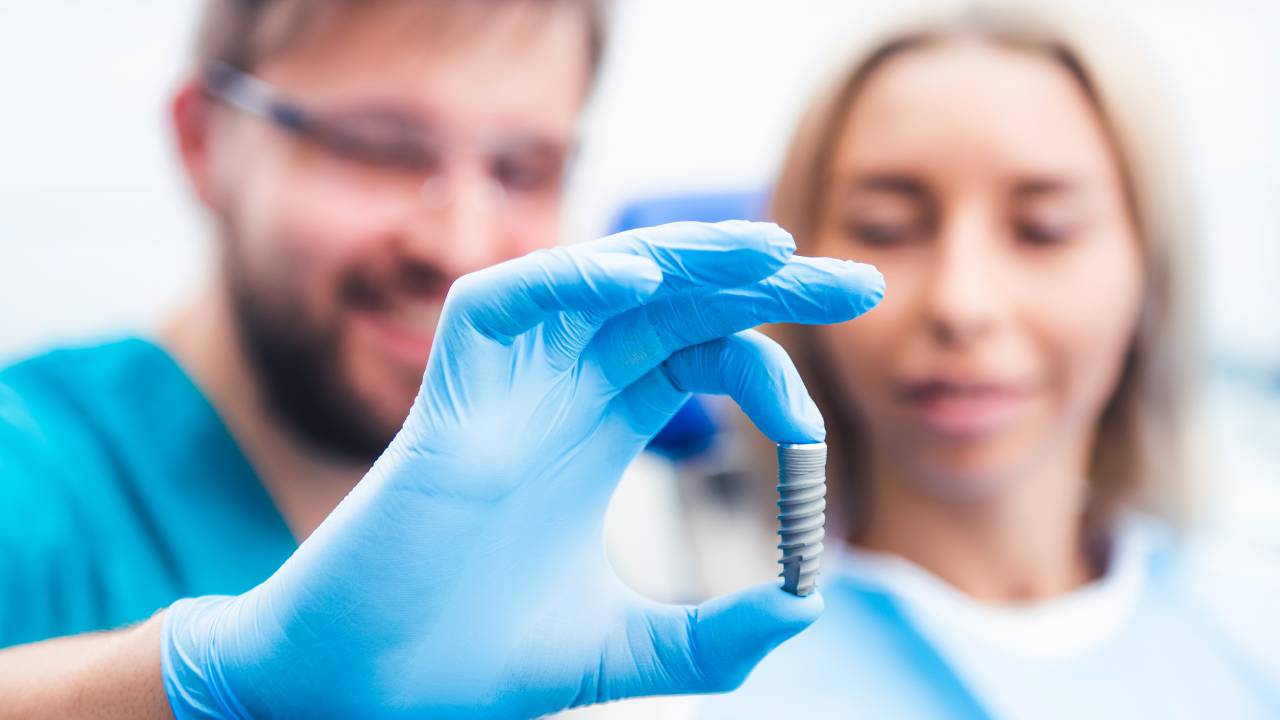
When extraction is necessary, a dental implant topped with a crown functions like a natural tooth:
- Titanium implant integrates with jawbone
- Crown custom crafted to match your dentition
- Preserves bone health and facial structure
Consider our implant + crown restoration for a permanent, stable solution.
Full mouth restoration
Widespread wear, multiple chips, or extensive decay may call for comprehensive care:
- Combines crowns, bridges, implants, and dentures
- Creates balanced bite and uniform smile
- Often uses digital planning for precision
Learn how our full mouth restorative dentistry can transform your oral health and confidence.
Choosing your restorative dentist
Selecting the right dental team affects your treatment success and experience.
Checking qualifications and expertise
- Board certification in restorative or prosthodontic dentistry
- Portfolio of before-and-after cases
- Experience with the specific procedure you need
Ask about training in implant placement, crown design, or cosmetic bonding.
Understanding insurance coverage
- Verify if your plan covers medically necessary repairs
- Confirm benefits for cosmetic procedures like veneers
- Explore options through our insurance covered restorations team
Upfront cost estimates help you plan and avoid surprises.
Evaluating in-office services
- Onsite lab for faster crown and bridge fabrication
- Sedation options if you experience anxiety
- Emergency care for sudden tooth fractures
Our restorative dental solutions NC clinic offers same-day bonding, smile design consultations, and full-service restorative care.
Preventing future tooth damage
Even after repair, adopting good habits reduces the risk of new chips.
Adopting protective habits
- Wear a custom mouthguard for sports or night grinding
- Avoid chewing ice, popcorn kernels, or hard candies
- Stop nail biting and using teeth as tools
Scheduling regular checkups
- Biannual exams catch small chips before they worsen
- Professional cleanings remove plaque that weakens enamel
- Early detection of cavities and structural issues
Routine care ensures your restorations last and your natural teeth stay strong.
Frequently asked questions
When should I see a dentist for a chipped tooth?
Visit your dentist right away if you feel pain, notice sensitivity, or see a jagged edge. Even a minor chip can worsen without prompt care.
How long do common repair options last?
- Bonding: up to 10 years
- Veneers: 10–15 years
- Crowns and bridges: 10–15 years or longer with good hygiene
- Implants: a lifetime service with proper maintenance
Will insurance cover cosmetic fixes?
Coverage varies by plan. Medically necessary repairs like crowns often qualify, while purely cosmetic veneers may not. Check your benefits through our insurance team.
Can I prevent chips at home?
Wearing a mouthguard, avoiding hard foods, and practicing good oral habits dramatically lower your risk of future damage.
Restoring a chipped tooth doesn’t have to feel overwhelming. By understanding your options—from simple bonding to advanced implant crown restoration—you can choose the right path for your smile. Reach out to a restorative dentist today to schedule a personalized consultation and get back to enjoying life without dental worries.