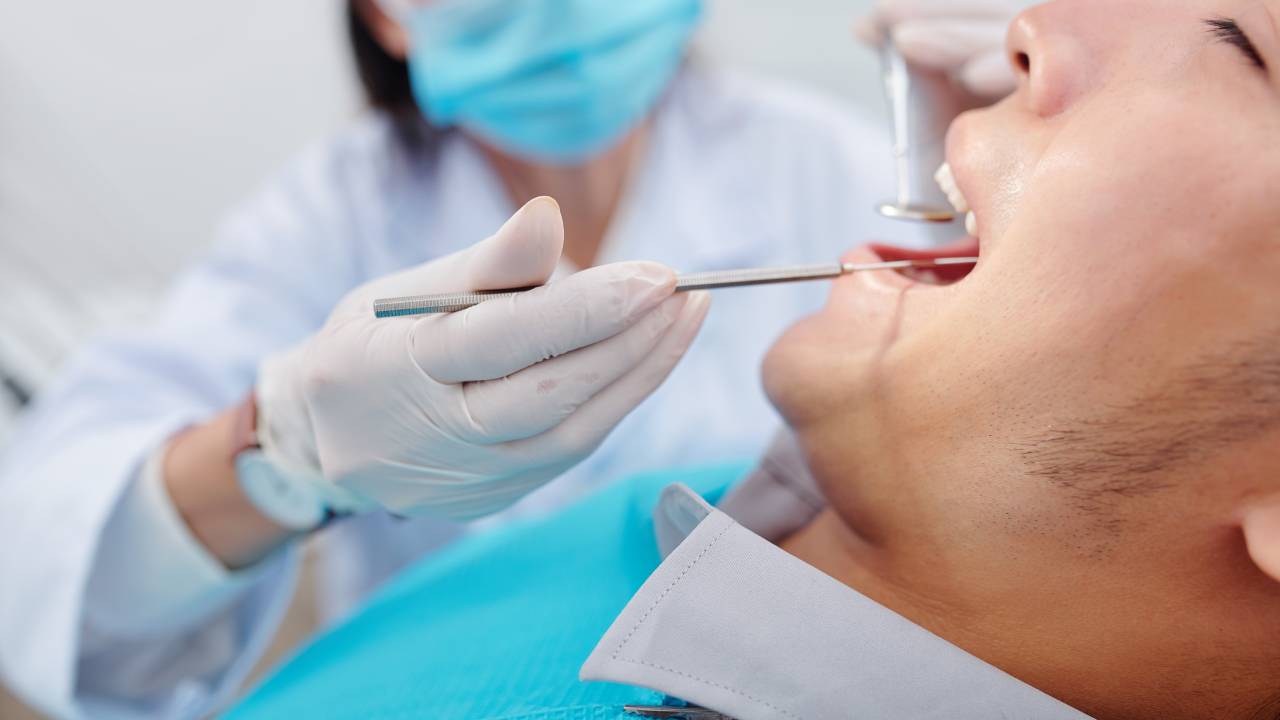
Understanding restorative dentistry
Full mouth restorative dentistry offers a comprehensive approach to repairing, rebuilding, and rejuvenating your smile when you face multiple dental issues. By combining esthetic and functional treatments, this specialty restores oral health, comfort, and confidence through a tailored plan just for you. As Dr. Daly Dentistry explains, full mouth reconstruction services are customized to your needs, resulting in an improved smile, better oral function, and overall oral health.
What is full mouth restorative dentistry?
Full mouth restorative dentistry, also called full-mouth rehabilitation or restoration, involves rebuilding or replacing all teeth in your mouth. It merges cosmetic and restorative techniques—crowns, bridges, fillings, veneers, implants, dentures, and whitening—to correct damage, decay, alignment issues, or periodontal disease [1]. This holistic approach balances looks with bite mechanics and tissue health for optimal results.
When you need full mouth restoration
You may be a candidate for full mouth restorative dentistry if you have:
- Multiple missing teeth or failing restorations
- Extensive tooth decay or cracked, broken teeth
- Severe wear from grinding (bruxism)
- Gum disease affecting bone and tissue support
- Congenital conditions like Ectodermal Dysplasia or Amelogenesis Imperfecta
- Complex cases such as oral cancer reconstruction
Each of these issues can compromise chewing efficiency, speech, and self-esteem. A full mouth plan addresses them simultaneously for a dramatic transformation.
Benefits of comprehensive restoration
Undergoing full mouth restorative dentistry can deliver life-changing improvements in how you eat, speak, and feel about your smile.
Improved oral function
Rebuilt teeth and stable bite relationships let you chew comfortably and evenly. Treating tooth loss with dental implants fused to your jawbone restores up to 90 percent of natural chewing power, reducing digestive strain and nutritional issues [2].
Enhanced appearance and confidence
A harmonious, natural-looking smile makes a strong first impression. Customized crowns, veneers, and whitening give you smooth tooth shapes, proper alignment, and bright color. Many patients report a boost in self-esteem and social comfort after restoration [3].
Long-term oral health benefits
Comprehensive treatment addresses underlying issues like decay and gum disease. By restoring structure and sealing vulnerable areas, full mouth restoration reduces future repair needs and preserves bone density around implants and natural teeth. Although it may require an initial investment, it often proves more cost-effective than piecemeal repairs over time [3].
Key restorative procedures
A full mouth plan may include one or more of the following treatments, chosen to meet your unique goals:
Tooth repair and fillings
Tooth-colored fillings
For small to moderate cavities, composite resin fillings match your enamel’s shade and bond directly to tooth structure. They restore form and function without metal.
Repairing chips and cracks
Minor chips or fractures can be smoothed and rebuilt using bonded resin or porcelain inlays and onlays. Inlays and onlays offer strength and longevity, lasting up to 30 years with proper care [4].
Crowns and bridges
Porcelain crowns
Crowns cap damaged or root-canal-treated teeth, restoring shape, strength, and esthetics. Porcelain crowns blend seamlessly with your natural teeth. Explore our porcelain crown restoration options and specifics on dental crown placement huntersville.
Dental bridges
Bridges replace one or more missing teeth by anchoring prosthetic teeth to adjacent crowns. They restore bite balance and prevent neighboring teeth from shifting. Learn about dental bridge replacement nc and bridge dentistry huntersville.
Implants and implant-supported restorations
Dental implants
Titanium posts surgically placed into your jawbone serve as artificial roots. Over several months, they integrate with bone for stable support of crowns, bridges, or dentures [2].
Implant + crown restoration
Once implants fuse with bone, custom crowns attach, restoring function and appearance. If you need both bone grafting and implants, expect up to eight months of treatment [5]. Find specialized care at implant restoration dentist huntersville or schedule a replace missing tooth huntersville consultation.
Additional cosmetic and periodontal treatments
Veneers
Thin porcelain or composite shells cover front teeth to correct minor shape, color, and alignment issues. They serve as the final esthetic touch in many full mouth plans.
Scaling, root planing, and gum therapy
If gum disease is present, deep cleaning and tissue regeneration are vital before restorative steps. Proper periodontal health ensures lasting support for crowns and implants.
Planning your treatment journey
A successful full mouth restoration relies on careful planning and collaboration with a dental team.
Consultation and diagnosis
Your journey begins with a thorough exam, including X-rays, 3D imaging, and oral health assessment. This step identifies decay, bone levels, bite issues, and esthetic concerns.
Customized treatment plan
Based on your needs, your prosthodontist or restorative dentist devises a sequential plan that may involve specialists—endodontists, periodontists, orthodontists, or oral surgeons—for optimal outcomes [1].
Timeline and recovery
Treatment time varies from weeks for minimal restorations to up to a year for complex implant cases. Common recovery milestones:
- Extractions and grafting: 3–4 weeks for soft tissue healing
- Implant osseointegration: 3–6 months
- Crown/bridge placement: 1–2 appointments over 1–2 weeks
- Final adjustments and whitening: 1–2 visits
Temporary restorations protect function and esthetics during healing.
Choosing a provider
Selecting the right practice and team makes all the difference in your restoration experience.
Qualifications and specialties
Look for a dentist with advanced training in prosthodontics or restorative dentistry. Inquire about:
- Years of full mouth restoration experience
- Before-and-after portfolios
- Collaboration with specialists
Insurance and financing
Full mouth work can be a significant investment. Many practices offer flexible financing plans and accept major dental insurance. Check your coverage and ask about insurance covered restorations.
Finding the right practice
Consider convenience, patient reviews, and available technology—digital impressions, guided surgery, and in-house labs. Search for a “restorative dentist near me” or explore restorative dental solutions nc for regional options. If you prefer a family-focused approach, our restorative care family dentist may be a good fit.
Maintaining your restored smile
After completing full mouth restorative dentistry, consistent care helps protect your investment and oral health.
Oral hygiene routine
- Brush twice daily with a soft-bristled brush
- Floss or use interdental cleaners to reach beneath bridges and around implants
- Rinse with an antibacterial mouthwash
Follow-up appointments
Regular dental visits—every 3–6 months—allow your dentist to monitor restorations, adjust bite contacts, and perform professional cleanings. Early detection of issues like loosening crowns or implant inflammation prevents major repairs.
Protecting your investment
If you grind your teeth, wear a custom nightguard to prevent damage. Avoid using teeth as tools and limit hard or sticky foods that could dislodge crowns or bridges.
By choosing full mouth restorative dentistry, you’re investing in a comprehensive solution that transforms your oral health, function, and confidence. Whether you need minor repairs or a complete smile makeover, modern restorative techniques—crowns, bridges, implants, and more—are tailored to your goals. To explore your options, schedule a consultation at our restore damaged teeth clinic or learn about restorative procedures dental practice. With the right plan and provider, you can enjoy a healthy, beautiful smile for years to come.