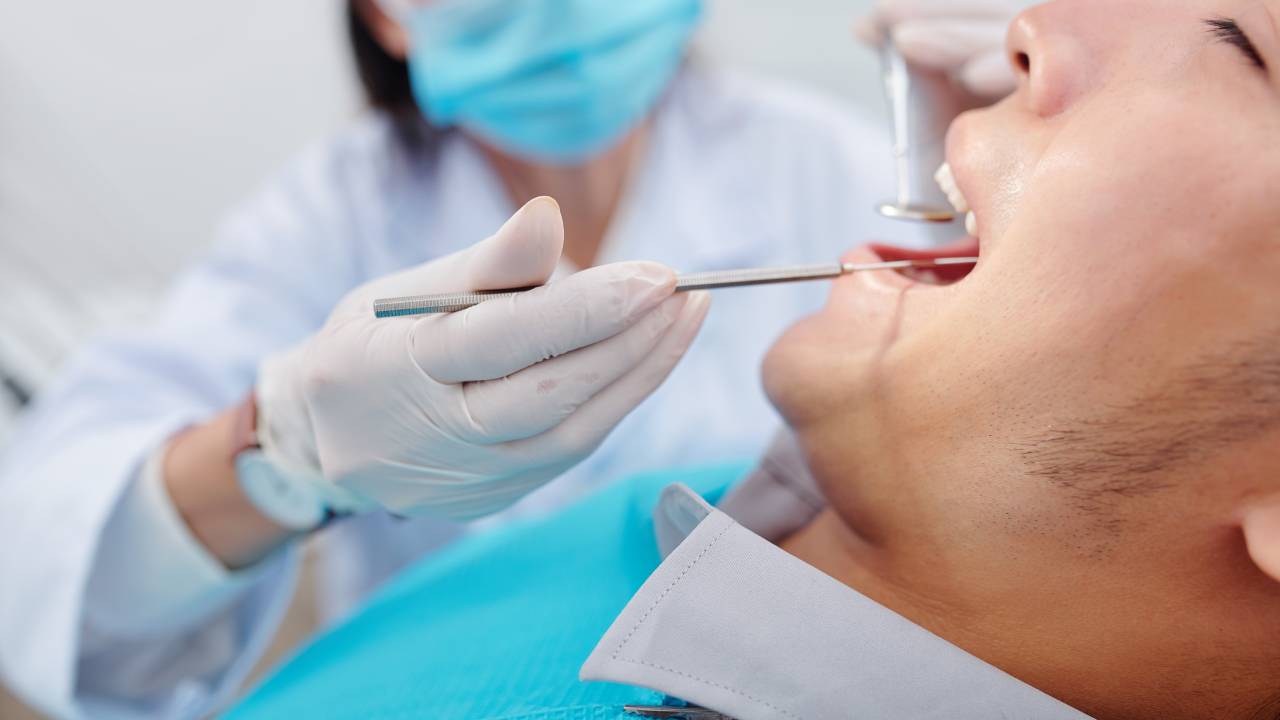
Understanding root canal & crown service
If you have a damaged, decayed, or infected tooth, a root canal & crown service can restore both health and function to your smile. A root canal procedure removes infected dental pulp and clears the root canal system to prevent further infection. After the root canal, placing a dental crown rebuilds strength and protects your natural tooth structure.
What is root canal treatment?
A root canal treatment removes the vulnerable, infected pulp inside your tooth. This infection often results from deep cavities, cracks, or trauma. Your dentist or an endodontist cleans and shapes the root canal, then fills and seals it to stop bacteria from reentering. Most root canals take about 60 to 90 minutes per session and may require one or two visits (Cleveland Clinic). Modern anesthesia makes the procedure as comfortable as a standard filling, leaving most patients with only mild soreness afterward.
Role of dental crowns
After a root canal, your tooth can become brittle due to the lack of living pulp. A dental crown restores its strength and appearance. Crowns come in various materials:
| Crown type | Material | Advantages | Drawbacks |
|---|---|---|---|
| Metal crowns | Gold alloy | High durability, minimal wear | Metallic color, less aesthetic |
| Porcelain-fused-to-metal (PFM) | Porcelain + metal | Strength and natural look | Potential wear on opposing teeth |
| All-ceramic or porcelain | Zirconia or porcelain | Excellent aesthetics, no metal | Prone to chipping under heavy force |
Source: Healthdirect
Each crown type offers unique benefits. For a natural appearance, you may consider porcelain crown restoration. If you need multiple restorations, a full set of crowns can be part of your full mouth restorative dentistry plan.
Recognizing treatment benefits
Opting for a root canal & crown service delivers key benefits that protect your oral health and preserve your natural teeth.
Saving your natural tooth
By removing infection and reinforcing your tooth with a crown, you maintain your natural root and avoid extraction. According to the American Association of Endodontists, more than 15 million teeth are saved each year through root canal treatments (AAE). Keeping your natural teeth helps preserve jawbone density and prevents bite misalignment over time.
Preventing reinfection
A properly sealed root canal reduces the risk of reinfection. Dental professionals ensure the root canal is cleaned, shaped, and filled with biocompatible materials. Placing a well-fitted crown further protects the tooth from bacteria and decay, supporting lasting oral health.
Restoring function and appearance
A crown restores chewing efficiency and bite alignment. You can eat, speak, and smile with confidence knowing your tooth is both functional and aesthetically pleasing. If you grind your teeth, a custom crown can be designed to withstand added stress, reducing the risk of future damage.
Preparing for treatment
Proper preparation ensures your root canal & crown service goes smoothly and delivers the best outcome.
Diagnosis and evaluation
Your dentist will evaluate your tooth through a dental exam, detailed X-rays, and possibly 3D imaging. The assessment identifies the extent of infection or damage and determines if a root canal is the best choice. If your tooth is beyond saving, alternatives such as extraction and implant placement may be discussed, including options like replace missing tooth huntersville or implant + crown restoration.
Planning your appointment
In most cases, your root canal procedure can be completed in one or two visits lasting around 90 minutes each. You will receive local anesthesia to minimize discomfort. After the root canal, a temporary filling protects your tooth until your crown is ready. Scheduling your crown placement promptly is key to prevent damage or breakage before the final restoration.
Exploring procedural steps
Understanding each phase of the root canal & crown service helps set realistic expectations.
Step 1: root canal procedure
- Administer local anesthesia to numb the tooth and surrounding gums.
- Place a rubber dam to isolate the tooth and keep it dry.
- Remove infected pulp through small access holes.
- Clean and shape the root canals with precision instruments.
- Fill and seal the canals with gutta-percha or similar material.
Most patients describe the sensation as pressure rather than pain. You can usually return to work or school immediately, although you should avoid chewing on the treated tooth until your crown is placed (AAE).
Step 2: crown placement
- Prepare the tooth by shaping it to fit your crown.
- Take detailed impressions or use CAD/CAM technology for same-day crowns.
- Choose your crown material based on strength, aesthetics, and cost.
- Place a temporary crown if your permanent crown is fabricated off-site.
- Bond the final crown with dental cement or adhesive at your second visit.
If you are in Huntersville, ask about dental crown placement huntersville for local availability of advanced crown services.
Managing recovery care
Following your procedure, proper aftercare helps you heal quickly and protect your investment.
Immediate aftercare tips
- Take prescribed or over-the-counter pain relief as directed.
- Avoid hot beverages until numbness subsides.
- Rinse gently with warm salt water to reduce swelling.
- Stick to soft foods for the first 24 to 48 hours.
- Maintain good oral hygiene, brushing gently around the treated tooth.
Long-term maintenance
- Schedule follow-up visits to monitor your tooth and crown integrity.
- Wear a night guard if you habitually grind or clench your teeth.
- Avoid chewing hard objects like ice or popcorn kernels.
- Use fluoride toothpaste to strengthen surrounding enamel.
- Attend routine cleanings with your restorative care family dentist to catch early signs of decay or fracture.
Weighing treatment costs
Understanding financial factors lets you make an informed decision about root canal & crown services.
Insurance coverage options
Most dental insurance plans cover root canal treatment and crown placement partially or fully, especially when classified as medically necessary. Check with your provider to confirm coverage for endodontic and restorative procedures under insurance covered restorations.
Financing and payment plans
For out-of-pocket expenses, many practices offer flexible payment plans or third-party financing. You may also consider CareCredit or dental membership plans to spread costs over several months. Investing in a root canal & crown service prevents more expensive treatments down the road, such as extraction followed by implants or bridges (Cleveland Clinic).
Selecting your provider
Choosing an experienced dental professional and a well-equipped facility impacts the success of your treatment.
Experience and credentials
Look for a dentist with specialized training in endodontics or restorative dentistry. Board certification, continuing education, and positive patient reviews indicate a high level of expertise.
Facility and technology
Modern clinics use digital imaging, microscopes, and CAD/CAM technology to enhance precision and reduce treatment times. If you require multiple treatments—bridges, crowns, implants—consider a full-service practice that offers bridge & crown services clinic and implant restoration dentist huntersville for comprehensive care.
Frequently asked questions
How long is recovery after a root canal?
Most patients recover within a week. You may experience mild sensitivity or soreness for a few days but can resume normal activities promptly.
Is the procedure painful?
With modern anesthesia, root canals cause minimal discomfort. You might feel pressure, but pain is uncommon during the procedure. Post-treatment soreness can be managed with over-the-counter pain relief.
How long do crowns last?
Dental crowns can last between five and 15 years with proper care. Material choice and oral habits, such as grinding, affect longevity.
Can a root canal tooth get reinfected?
Reinfection is rare but possible if the seal fails or bacteria enter the canal. Follow-up visits and good oral hygiene minimize this risk.
When should I consider this service?
You should consider root canal & crown service if you have severe tooth pain, sensitivity to hot or cold, swelling, or a visible crack. Early intervention preserves your natural tooth and prevents more invasive treatments such as extractions or implants.
Conclusion
A root canal & crown service offers a reliable, long-lasting solution for infected or damaged teeth. By preserving your natural tooth structure, preventing reinfection, and restoring function, this combined treatment supports your oral health and overall well-being. Consult your dentist to explore how restorative dental solutions can fit your needs and deliver the confident smile you deserve. For more information on comprehensive care, visit restorative dental solutions nc.