Dental Solutions for Sleep Apnea
Detecting Sleep Apnea Dental Signs
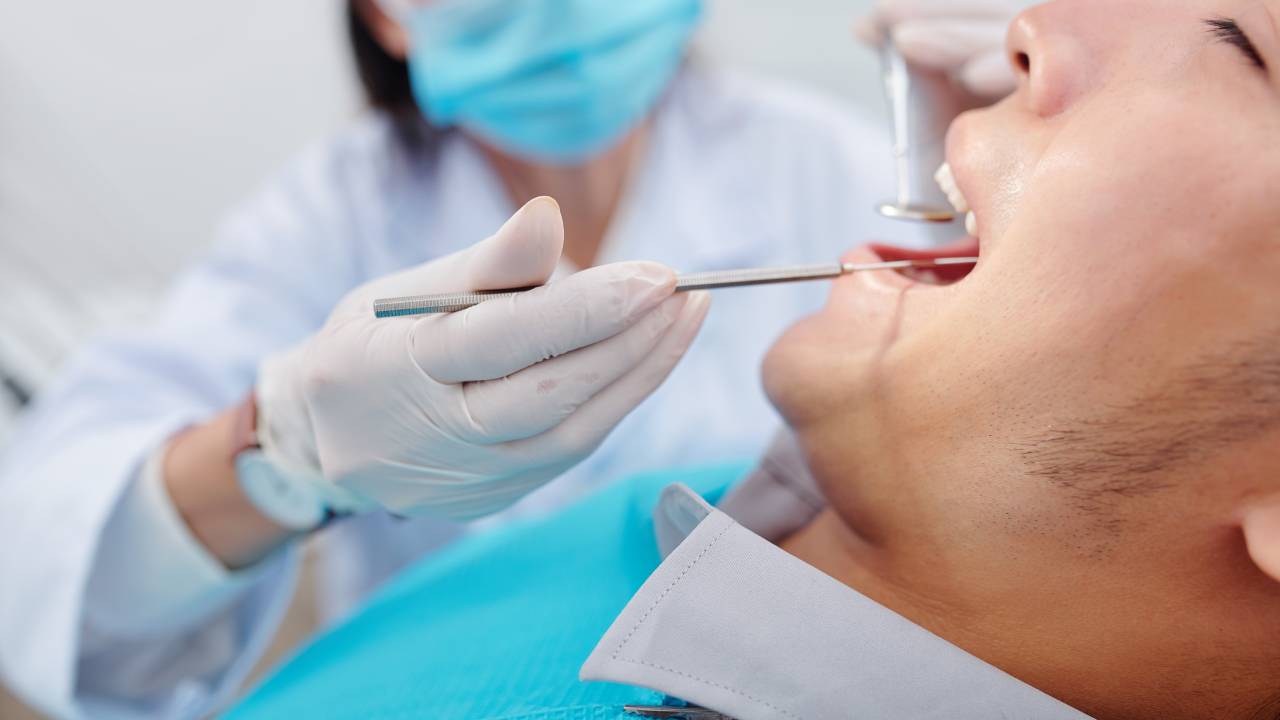
When you visit your dentist for a routine check-up, they are not only focused on your immediate oral health but also on potential underlying issues such as sleep apnea. Dentists can detect signs of sleep apnea by observing inflammation in your mouth. Chronic inflammation of the throat and palate is a characteristic of this condition.
People suffering from obstructive sleep apnea (OSA) often exhibit other dental symptoms, including teeth grinding, which can wear down your teeth over time and increase the risk of decay and breakage [1]. Regular dental examinations help in identifying these signs early, permitting necessary referrals for further diagnosis and treatment.
| Dental Sign | Description |
|---|---|
| Inflammation | Swelling or redness in the throat or palate |
| Teeth Grinding | Wear and tear on teeth surfaces from clenching |
| Gum Disease | Increased risk due to chronic inflammation |
Oral Health Implications of Sleep Apnea
Sleep apnea can significantly influence your oral health. The most immediate concern is the impact of teeth grinding, which not only affects your teeth but also contributes to jaw pain and headaches.
Additionally, chronic inflammation associated with sleep apnea can lead to other conditions such as gum disease, further complicating your oral health. Researchers suggest that patients suffering from obstructive sleep apnea may be at increased risk for other health problems, including cardiovascular issues, due to the physiological stress placed on the body during interrupted sleep.
Long-term consequences include:
- Increased likelihood of tooth decay and wear.
- Worsening of existing gum disease.
- Potential alignment issues caused by jaw strain.
Recognizing these implications is essential, as dentists can offer effective solutions. Procedures like dental sleep apnea evaluations help in addressing these challenges before they escalate.
For more information about how dentists can assist with sleep apnea treatment, visit how dentists diagnose and treat sleep apnea. Addressing these issues early can lead to more effective management and improved overall health.
Oral Appliances for Sleep Apnea
Oral appliances offer a viable treatment option for individuals dealing with mild to moderate obstructive sleep apnea (OSA). These devices can be particularly beneficial for those who are unable to tolerate continuous positive airway pressure (CPAP) machines. Below are key insights regarding the types of oral appliances, their effectiveness, and their mechanism of action.
Types of Oral Appliances
There are different types of oral appliances available, primarily designed to manage obstructive sleep apnea through varying methods. The most common types include:
| Type of Appliance | Description |
|---|---|
| Mandibular Advancement Device (MAD) | Custom-made appliances that gently pull the lower jaw forward to keep the airway open. |
| Tongue Retaining Device | A device that latches onto the tongue and pulls it forward, preventing it from blocking the airway. |
Both types are effective but custom-made options, like the MAD, are generally considered the most beneficial for patients with OSA. For more details on differences between treatment types, refer to our section on difference between CPAP and oral appliance therapy.
Effectiveness of Custom-Made Devices
Custom-made oral appliances are significantly more effective than non-prescription options, such as “boil and bite” models. Research indicates that these tailored devices provide better results for treating OSA. Studies show that approximately one-third of patients experience complete resolution of apnea, while another third see a significant decrease in the apnea/hypopnea index (AHI) [2].
Additionally, custom-made devices have higher compliance rates as they fit comfortably and securely, making them easier to wear throughout the night. If you’re interested in the success rates of these devices, you can check the findings in our article on sleep apnea dental appliance success rate.
Mechanism of Action
Oral appliances work by physically altering the position of the jaw and tongue to ensure that the airway remains open while you sleep. The most common method is through mandibular advancement, where the device pulls your lower jaw forward, creating more space in the back of your throat. Some devices also pull the base of the tongue forward.
This adjustment not only reduces airway collapse during sleep but also contributes to improved airflow, reducing snoring and other symptoms associated with OSA. For more information on how oral appliances work, visit our article on how oral appliances work for sleep apnea.
Oral appliances represent a valuable alternative for sleep apnea treatment, especially for those exploring options beyond CPAP therapy. With a professional dental evaluation, you can determine if these devices are suitable for your needs. If you’re curious about the evaluation process, check our page on dental sleep apnea evaluation process.
Treating Mild to Moderate Sleep Apnea
Treatment options for mild to moderate sleep apnea are crucial, especially for those who cannot tolerate CPAP machines. Understanding the differences between custom-made and non-prescription options, as well as the benefits for CPAP-intolerant individuals, can help guide your choice of treatment.
Custom-Made vs. Non-Prescription Options
When it comes to oral appliances designed to treat obstructive sleep apnea (OSA), custom-made devices are the preferred choice. These personalized appliances are tailored to fit your mouth precisely, ensuring optimal airflow and comfort during sleep. According to the Cleveland Clinic, custom-made oral appliances have been shown to provide better results than non-prescription options like “boil and bite” models.
| Type of Oral Appliance | Effectiveness | Comfort Level | Cost Range |
|---|---|---|---|
| Custom-Made | High | Very Comfortable | $1,800 – $3,000 |
| Non-Prescription (“Boil and Bite”) | Moderate | Moderate | $30 – $200 |
While non-prescription options may be more affordable, they generally do not offer the same level of effectiveness in treating OSA. Custom devices not only provide better symptom relief but also help in maintaining your oral health, which can be compromised with ill-fitting appliances.
Benefits for CPAP-Intolerant Individuals
Oral appliances serve as an excellent alternative for individuals who are CPAP-intolerant. Although these devices may not be as effective as CPAP machines, they significantly improve symptoms for many patients. Studies show that oral appliances can help open the airway by repositioning the jaw or tongue while you sleep.
For those who find CPAP machines uncomfortable or cumbersome, oral appliances represent a more convenient solution. They are typically smaller, quieter, and easier to transport, making them suitable for travel. Patients report improvements in sleep quality, reduction in snoring, and overall better health outcomes.
If you’re looking for more information about non-CPAP treatment options, you can explore our articles on how to treat sleep apnea without CPAP and treatment options for mild sleep apnea. Understanding the benefits of these dental solutions can empower you to make informed decisions about your health and well-being.
Adjusting to Oral Appliance Therapy
Oral appliance therapy is an effective treatment for mild to moderate sleep apnea. However, adjusting to wearing an oral appliance can take time, and understanding the acclimation process and managing side effects is essential for your success.
Acclimating to Wear
When you first begin using an oral appliance, it may feel odd to have the device in your mouth while you sleep. Typically, it takes about two to four weeks to fully adjust to wearing an oral appliance for sleep apnea. During this period, the initial sensations you experience should gradually diminish, and the appliance will become a natural part of your nighttime routine.
Here are some tips to help you acclimate to wearing your oral appliance:
| Adjustment Tips | Description |
|---|---|
| Start Gradually | Begin by wearing the appliance for short periods during the day to get used to the feel of it. |
| Stay Consistent | Try to wear the appliance every night to establish a routine. |
| Practice Relaxation | Engage in relaxation techniques before bed to help promote a comfortable sleep environment. |
| Follow Up | Regular dental check-ups are crucial for monitoring your progress and making necessary adjustments to the appliance. |
Managing Short-Term Side Effects
While adjusting to your oral appliance, you may experience short-term side effects. Common issues include:
- Dry lips
- Excessive saliva
- Tooth discomfort
- Temporary bite changes
- Soreness in the jaw joint or muscles
These side effects often improve over time as you become accustomed to the device.
If you experience persistent discomfort or significant issues, consult your dentist for assistance. They may adjust your appliance or suggest solutions to ease any discomfort. Regular dental check-ups are also important to ensure optimal treatment efficacy and maintain your overall oral health.
By understanding how to adjust to wearing an oral appliance and effectively managing any short-term side effects, you can improve your experience with this dental solution for sleep apnea. For more information on treatment options, you may find our sections on what is mild sleep apnea treatment and how dentists help with sleep apnea helpful.
Dentists’ Role in Sleep Apnea Treatment
Collaboration with Physicians
Your dentist plays a key role in the treatment of obstructive sleep apnea (OSA) through a collaborative approach with physicians. While it is the physician who confirms the diagnosis and may recommend Oral Appliance Therapy (OAT), the dentist assesses the suitability of OAT and initiates the therapy. Follow-up care is typically a joint effort between your dentist and your medical provider. Recognizing the importance of this collaboration helps ensure you receive the most effective treatment tailored to your specific needs [4].
| Role | Responsibilities |
|---|---|
| Physician | Confirms diagnosis of OSA and recommends OAT. |
| Dentist | Evaluates appropriateness of OAT, modifies appliances, and provides follow-up care. |
Evaluating Suitability for OAT
Dentists are essential in evaluating whether OAT is suitable for you if you have OSA. They can identify anatomical risk factors during routine dental examinations and use specific screenings and questionnaires to uncover potential symptoms of sleep apnea.
Upon determining the need for OAT, your dentist will select the appropriate oral appliance, adjust it as necessary, and monitor any side effects that may arise. It is important to note that even though dentists play a critical role in identifying and treating OSA, the diagnosis itself must be performed by a physician, particularly a sleep specialist. This ensures that complex sleep disorders and any potential comorbidities are managed effectively.
For further insights into how dentists diagnose and treat sleep apnea, check out our article on how dentists diagnose and treat sleep apnea.
Efficacy and Patient Selection
Efficacy of MAD Therapy
Mandibular advancement devices (MAD) are increasingly used as a non-invasive treatment for obstructive sleep apnea. Their efficacy is comparable to continuous positive airway pressure (CPAP) systems, but they boast higher patient compliance rates. Studies indicate that approximately one-third of patients using MAD experience complete resolution of their obstructive sleep apnea (OSA), another third report a significant decrease in the apnea/hypopnea index (AHI), while the remaining third show negligible improvement under MAD therapy [2].
The effectiveness of MAD therapy is often evaluated by looking at the changes in AHI. An improved AHI indicates better sleep quality and a reduction in apnea events. The following table summarizes the outcomes typically seen with MAD therapy:
| Outcome | Percentage of Patients |
|---|---|
| Complete Resolution of OSA | 33% |
| Significant Decrease in AHI | 33% |
| Negligible Improvement | 34% |
MADs function by enlarging the upper airway, achieved through the anterior displacement of the mandible and the tongue. This adjustment improves upper airway patency, thereby reducing airway obstruction during sleep.
Factors Influencing Treatment Effectiveness
Patient selection plays a critical role in the success of MAD therapy. Some characteristics that can influence outcomes include:
- Age and Gender: Younger female patients tend to do better with MAD therapy.
- Body Mass Index (BMI): Individuals with lower BMI are more likely to benefit from the device.
- Neck Circumference: Smaller neck sizes correlate with better results.
- Severity of Sleep Apnea: Patients with less severe forms of sleep apnea often experience more tangible benefits from MAD therapy.
Anatomical features assessed through drug-induced sleep endoscopy (DISE) can help predict treatment success. Patients who present with mild upper airway collapsibility and low loop gain are typically prime candidates for effective MAD therapy [2].
For those exploring non-CPAP treatment options, utilizing oral appliances can offer significant benefits. To understand more about dental solutions available for sleep apnea, check out our article on how dentists help with sleep apnea. Understanding factors that influence treatment effectiveness will guide you in choosing the right approach for your sleep apnea needs, and help in assessing the possible success rates of utilizing oral appliance therapy compared to other treatments. For more specific information, you can explore what is mild sleep apnea treatment or look into treatment options for moderate sleep apnea.
References
- (Smile On Chicago)
- (NCBI)
- (Cleveland Clinic)
- (NCBI)
- (PMC)