Dental Solutions for Sleep Apnea
Role of Dentists in Sleep Apnea
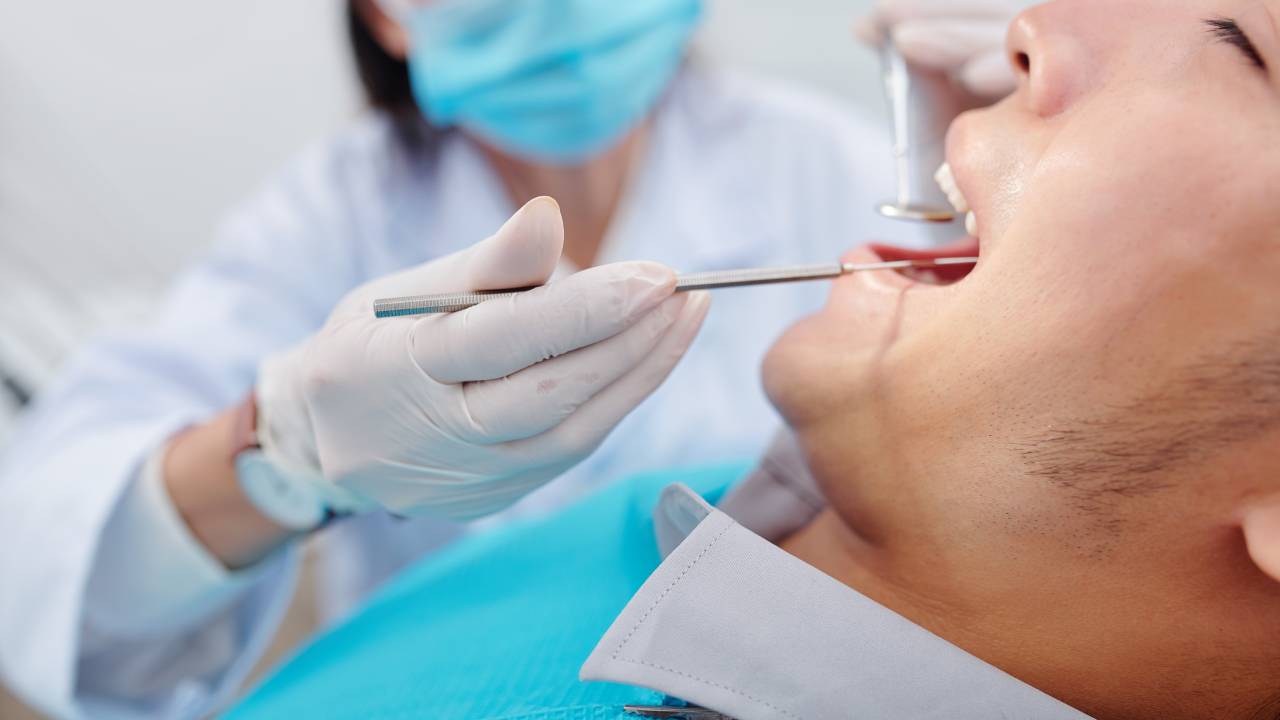
Dentists hold a crucial position in identifying and managing sleep apnea, concentrating on your overall wellness. During routine dental visits, they assess for indicators of sleep apnea, which can directly impact your oral health. The early identification of warning signs includes observing for teeth grinding, anatomical features such as a small or recessed jaw, and symptoms like redness or irritation in the throat that suggest possible airway obstruction [1].
Furthermore, dentists examine worn tooth surfaces and chipped teeth that might result from nocturnal teeth clenching linked to sleep apnea [2]. This comprehensive approach may reveal your risks for sleep apnea, prompting suggestions for further evaluation or treatment.
Detecting Sleep Apnea Symptoms
Identifying symptoms of sleep apnea is essential for effective treatment and intervention. Dentists are trained to detect these symptoms during your regular dental check-ups. Here’s a list of common signs they might notice:
| Indicator | Description |
|---|---|
| Teeth Grinding (Bruxism) | Often caused by jaw tension due to oxygen deprivation during sleep. |
| Worn Tooth Enamel | A result of consistent grinding, leading to a higher risk of decay or breakage. |
| Small or Recessed Jaw | Anatomical features that can contribute to airway obstruction. |
| Enlarged Tonsils or Large Tongue | Features that may indicate a higher risk of obstructing the airway. |
| Redness or Irritation in Throat | Possible indicators of snoring, signaling airway blockage. |
The assessment of these indicators can lead to further investigations into your sleep health. By working closely with other healthcare professionals, dentists provide a collaborative approach ensuring you receive comprehensive care for sleep apnea.
For more detailed insights into how dentists can assist with sleep apnea, visit how dentists help with sleep apnea. You may also be interested in learning about the dental solutions for sleep apnea and snoring.
Diagnosis and Treatment
Understanding how dentists diagnose and treat sleep apnea involves several key components, including identifying anatomical risk factors, utilizing screening tools, and collaborating with physicians.
Identifying Anatomical Risk Factors
You may be surprised to learn that dentists play a crucial role in identifying patients with obstructive sleep apnea (OSA). During routine dental examinations, they can observe specific anatomical risk factors that may contribute to sleep apnea, such as the structure of your jaw or airway. Dentists employ simple screening questions and utilize questionnaires for initial assessments [3]. By recognizing these factors early, they can help refer you to appropriate treatment options quicker.
| Anatomical Risk Factors | Description |
|---|---|
| Jaw Alignment | Misalignment of the jaws can affect airway size |
| Tongue Size and Position | Enlarged or improperly positioned tongue can obstruct airflow |
| Dental Arch Shape | A narrow dental arch may indicate a higher risk for sleep apnea |
Utilizing Screening Tools
Screening tools are essential for detecting sleep apnea symptoms early on. Dentists utilize advanced technology and specific screening methods to assess the likelihood of sleep apnea in their patients. This can include portable sleep monitors or questionnaires designed to evaluate risk factors and symptoms associated with sleep apnea [1]. Early identification is vital for effective intervention, allowing dentists to guide you toward appropriate next steps.
| Screening Tools | Purpose |
|---|---|
| Questionnaires | Assess symptoms and history related to sleep apnea |
| Home Sleep Tests | Monitor sleep patterns and breathing issues |
| Clinical Examinations | Physical assessments to identify physiological risks |
Collaborating with Physicians
The treatment of sleep apnea often requires a collaborative approach among various healthcare providers. Dentists can provide oral appliances to keep your airways open, but proper diagnosis usually involves conducting a sleep study, which is typically ordered by a sleep specialist. This collaboration between dentists and physicians ensures that your treatment plan effectively addresses your condition [4]. Working as a team helps ensure that you receive comprehensive care aimed at your overall well-being.
By understanding how dentists diagnose and treat sleep apnea, you can make informed decisions about your health. If you’re curious about how dentists can assist in managing your sleep apnea or want to explore your options, consider checking the resources related to how dentists help with sleep apnea or treatment options for mild sleep apnea.
Oral Appliance Therapy
Oral appliance therapy (OAT) can be a beneficial alternative for individuals dealing with sleep apnea, particularly for those who are CPAP-intolerant. Understanding the effectiveness of these appliances, the difference between custom-made and over-the-counter options, and how they serve as an alternative to CPAP therapy is essential for informed decision-making.
Effectiveness of Oral Appliances
Oral appliances are designed to reposition the jaw and tongue, which helps keep the airway open during sleep. Research demonstrates that OAT can be an effective solution for those with obstructive sleep apnea (OSA), particularly for patients unable to tolerate CPAP therapy. Studies indicate that custom-made oral appliances exhibit better outcomes compared to off-the-shelf models Cleveland Clinic.
The overall success rate for oral appliance therapy varies among individuals but is generally effective for mild to moderate OSA. Below is a table summarizing the effectiveness of oral appliances compared to CPAP:
| Treatment Method | Effectiveness for OSA |
|---|---|
| Oral Appliance Therapy (Custom-made) | Moderate to High |
| CPAP Therapy | High |
| Oral Appliance Therapy (Over-the-counter) | Low to Moderate |
For those considering this option, it’s important to consult your dentist who specializes in sleep medicine.
Custom-made vs. Over-the-counter Devices
When opting for oral appliance therapy, you will encounter both custom-made devices and over-the-counter (OTC) models. Custom-made appliances are created specifically for your mouth, ensuring a better fit and allowing for adjustments that can significantly enhance effectiveness. Studies indicate that these custom devices yield the best results for managing obstructive sleep apnea.
In contrast, OTC devices, such as the “boil and bite” models, may not provide the same level of comfort or effectiveness. They can fit loosely, resulting in compromised airway alignment and less successful treatment outcomes. Here’s a comparison table:
| Device Type | Fit | Effectiveness | Recommended For |
|---|---|---|---|
| Custom-made | Tailored | High | Moderate to severe OSA patients |
| Over-the-counter | Variable | Low to Moderate | Mild OSA or casual users |
Consulting your dentist is critical in determining which device will work best for you.
Alternative to CPAP Therapy
Many individuals with sleep apnea find CPAP machines uncomfortable, leading them to seek alternative treatment options. Oral appliances provide a viable solution for those who prefer not to use CPAP. While CPAP is recognized as the gold standard in treatment due to its high effectiveness in improving airflow, oral appliances can still alleviate symptoms for users who struggle with the machine’s discomfort [4].
Oral appliances may not match the efficacy of CPAP in all scenarios, but for those with mild to moderate OSA who cannot use a CPAP machine, they offer a significant improvement in quality of life.
If you’re exploring options beyond CPAP, consider discussing oral appliance therapy with your dentist. For more information about different treatments, refer to our article on treatment options for mild sleep apnea and how dentists help with sleep apnea.
Obtaining and Adjusting Appliances
For those exploring dental solutions for sleep apnea, the process of obtaining and adjusting oral appliances is critical to effective treatment. Understanding the necessary steps can help you navigate this journey more comfortably.
Referral and Sleep Study
To acquire an oral appliance for obstructive sleep apnea (OSA), you will first need a referral to a dentist following a sleep study that confirms your condition. This study is crucial as it helps diagnose the severity of your sleep apnea, ensuring that the dentist can tailor the treatment appropriately. The most common type of oral appliance is the mandibular advancement device (MAD), which requires precise customization for effective use. Dentists, specifically those trained in sleep medicine, can spot various indicators of sleep apnea during regular dental exams, such as worn tooth enamel or a scalloped tongue.
| Step | Description |
|---|---|
| 1 | Obtain a referral after a sleep study. |
| 2 | Visit a dentist trained in sleep medicine. |
| 3 | Discuss symptoms and treatment options. |
Adjustment Period and Side Effects
Once you receive your oral appliance, it typically takes about two to four weeks to adjust to wearing it. During this initial period, you may experience side effects such as excess saliva, dry mouth, or changes in your bite. It’s important to note that these symptoms usually lessen as you become accustomed to the device [5].
| Common Side Effects | Duration |
|---|---|
| Excess saliva | Short term |
| Dry mouth | Short term |
| Changes in bite | Short term |
Monitoring Effectiveness
Monitoring the effectiveness of your oral appliance involves follow-up consultations with your dentist. Adjustments may be necessary to optimize comfort and functionality. After a period of use, you might undergo another sleep study to evaluate how well the appliance is alleviating your symptoms. This feedback loop is essential for ensuring that the device continues to meet your needs. The dentist will take note of any changes in your sleep patterns, overall health, and how well you feel during the day [2].
| Monitoring Steps | Description |
|---|---|
| Follow-up appointments | Regular check-ins with your dentist |
| Sleep studies | Evaluate appliance effectiveness |
| Adjustments | Modify appliance for better fit and comfort |
With a proper referral, understanding of the adjustment process, and monitoring of effectiveness, you can work with your dentist to effectively manage your sleep apnea. For further information on dental solutions, check out our articles on how dentists help with sleep apnea and treatment options for mild sleep apnea.
Treatment Options
Variety of Treatments Available
When addressing sleep apnea, various treatment options exist beyond the traditional CPAP therapy. Many individuals find the CPAP uncomfortable, leading them to seek alternative solutions for managing their condition. Oral appliances are often recommended for those with mild to moderate obstructive sleep apnea (OSA) or for patients who cannot tolerate a CPAP machine. Many dentists provide effective solutions tailored to individual needs. For a deeper understanding, visit our page on can a dentist treat sleep apnea.
| Treatment Option | Description | Effectiveness |
|---|---|---|
| CPAP Therapy | Continuous Positive Airway Pressure machine that keeps airways open during sleep | High |
| Oral Appliance Therapy | Customized dental devices that reposition the jaw to keep airways open | Moderate |
| Lifestyle Changes | Weight management, sleep positioning, and avoiding alcohol | Variable |
Personalized Oral Appliances
Personalized oral appliances are designed specifically for each patient, offering an optimal fit and comfort while sleeping. They have been found to be more effective than over-the-counter options like “boil and bite” models, which may not provide the same level of relief. Patients who switch from CPAP to oral appliance therapy often report a more comfortable experience. These devices are smaller, easier to travel with, and more convenient than the bulkier CPAP machines [7].
Key benefits of personalized oral appliances include:
- Customized fit for enhanced comfort
- Less bulk compared to CPAP devices
- Greater ease of use while traveling
- Reduced noise during sleep
For more details on effectiveness, refer to our article on sleep apnea dental appliance success rate.
Alternative Solutions
Aside from oral appliances and CPAP, other alternatives exist for managing sleep apnea. Some patients can explore lifestyle changes, such as weight management and positional therapy, which can have a significant impact on their condition. Additionally, dental solutions for sleep apnea also encompass various interventions, including, but not limited to, surgery for anatomical abnormalities and therapy that focuses on improving overall health and wellness.
The effectiveness of these treatments varies by individual. Patients should consult their healthcare providers to create a tailored treatment plan based on their specific needs. If you’re considering how to address sleep apnea without CPAP, explore our resources on how to treat sleep apnea without cpap for more information.
Collaboration and Patient Care
Collaborative Approach
You may be surprised to learn that dentists play a crucial role in the evaluation and management of sleep apnea, particularly obstructive sleep apnea (OSA). During dental appointments, they can identify anatomical risk factors, recognize symptoms, and utilize questionnaires to assess potential issues. The combined efforts of dentists and sleep medicine physicians enhance the overall diagnostic and treatment process. This teamwork ensures you receive the most effective care tailored to your specific needs. For more information on how dentists help with sleep apnea, visit our article on how dentists help with sleep apnea.
Importance of Comprehensive Care
Comprehensive care for sleep apnea goes beyond just treating the symptoms. A dentist’s involvement extends to partnering with sleep specialists to achieve better treatment outcomes. This collaboration empowers dentists to provide you with oral appliance therapy tailored to your unique oral and physical characteristics. The assessment and adjustment of these appliances are essential to ensure they fit comfortably and effectively.
Dentists are adept at monitoring for any side effects that might occur with these devices, allowing for prompt adjustments or alternative options if necessary. This continuous care enables a holistic approach to your health. To explore this further, check out our overview of treatment options for mild sleep apnea and treatment options for moderate sleep apnea.
Whole-body Wellness Approach
The fight against sleep apnea is deeply intertwined with your overall wellness. Dentists can help detect early warning signs of sleep apnea through routine examinations, which can lead to timely interventions that improve your quality of life. This whole-body wellness approach means addressing not just the symptoms of sleep apnea but also any contributing factors, such as lifestyle or anatomical issues.
Collaboration with other healthcare professionals helps to ensure a holistic understanding of your health. Whether it’s through identifying lifestyle changes or advising on dental sleep apnea devices, dentists are in a pivotal position to manage your overall well-being in relation to sleep health. For more insights on dental solutions and lifestyle factors, you can refer to our article on lifestyle changes and dental treatments for sleep apnea.