Dental Solutions for Sleep Apnea
Dentists’ Role in Sleep Apnea Detection
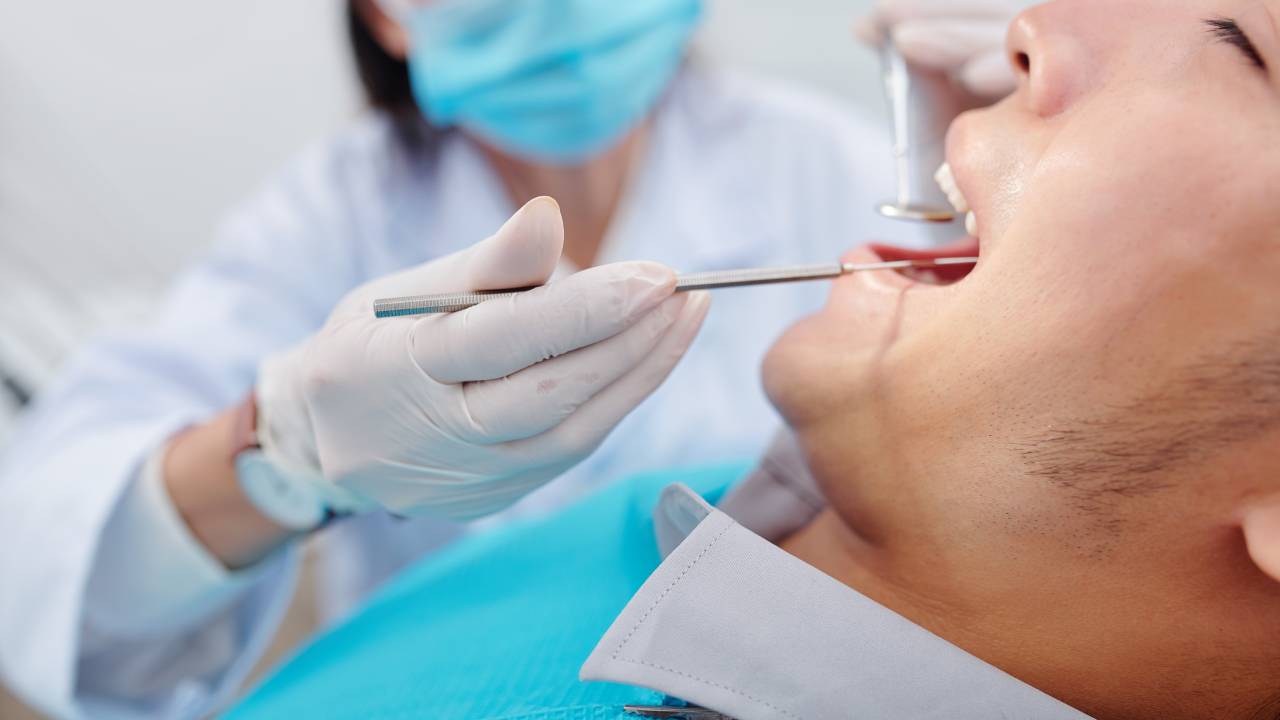
Can a dentist treat sleep apnea? While dentists cannot diagnose sleep apnea directly, they can identify signs and symptoms that may indicate an increased risk of the condition. During routine dental exams, dentists can conduct assessments and take X-rays that reveal any abnormalities in the airway or surrounding tissues. These findings may prompt a referral to a physician for further evaluation. Dentists play a crucial role in early detection, especially since jaw structure and dental health can contribute to obstructive sleep apnea (OSA) [1].
If you notice signs of sleep apnea, such as loud snoring or observed breathing pauses during sleep, mentioning these concerns during your dental visit could be valuable. The dentist’s observations can therefore serve as a first step in getting you the necessary care for your sleep apnea.
Custom Oral Appliances for OSA
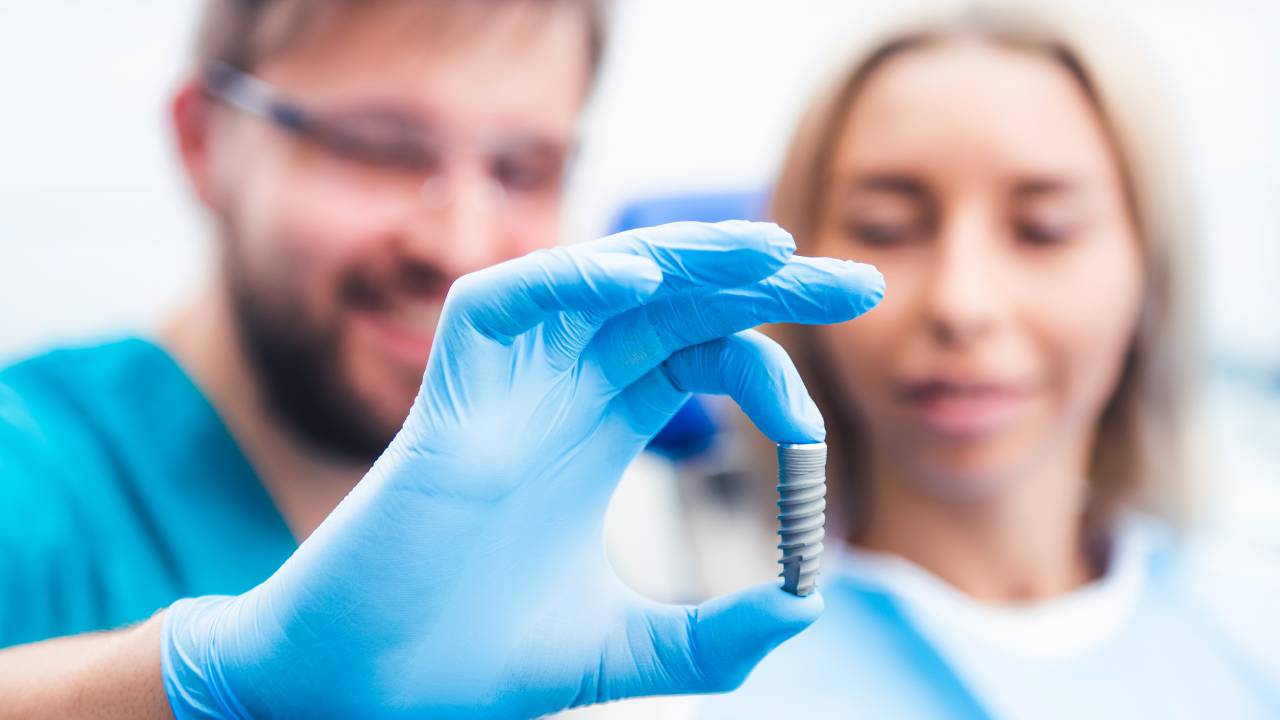
Custom oral appliances are an effective non-CPAP treatment option for obstructive sleep apnea, tailored specifically for your dental structure. These devices, such as mandibular advancement devices and tongue-stabilizing appliances, work by repositioning the jaw or tongue to maintain an open airway during sleep. They are particularly beneficial for individuals who cannot tolerate CPAP machines.
Using custom-made oral appliances is crucial for managing OSA effectively. Studies have shown that these devices yield better results compared to over-the-counter models like “boil and bite” options, providing personalized adjustments that enhance comfort and effectiveness [2].
To ensure a proper fit, the dentist will work closely with you throughout the process. This includes selecting the right oral appliance, making necessary adjustments, and monitoring any side effects. For more detailed information on how these devices work, see our resources on how oral appliances work for sleep apnea and sleep apnea dental appliance success rate.
| Appliance Type | Description |
|---|---|
| Mandibular Advancement Device | Pulls the lower jaw forward, preventing airway obstruction. |
| Tongue-Stabilizing Device | Keeps the tongue in position to avoid obstruction. |
Oral appliances offer a more comfortable and portable alternative to CPAP therapy. Many patients who switch from CPAP machines to these devices report a more pleasant experience, enhancing their overall quality of sleep. If you’re looking for ways to manage sleep apnea without a CPAP, consider consulting your dentist about the benefits of oral appliance therapy. For comprehensive insights, check out our article on treatment options for mild sleep apnea and treatment options for moderate sleep apnea.
Mandibular Advancement Devices
Mandibular advancement devices (MADs) are a popular solution for those seeking non-CPAP treatment options for obstructive sleep apnea (OSA). Understanding how these devices work and their effectiveness can help you determine if they are the right choice for your needs.
Mechanism of Mandibular Advancement Devices
The primary function of mandibular advancement devices is to pull the lower jaw forward while you sleep. This mechanism creates more space for airflow in the back of the throat, reducing the likelihood of obstructive sleep apnea episodes. MADs function by positioning the jaw in a way that keeps the airway open, thus preventing the tongue and soft tissues in the throat from collapsing and causing obstruction.
| Feature | Description |
|---|---|
| Function | Positions the jaw to open the airway |
| Target | Reduces symptoms of OSA |
| Usage | Worn during sleep |
Effectiveness of MADs in Sleep Apnea
Mandibular advancement devices have been proven to be effective for many individuals with mild to moderate obstructive sleep apnea. Although they may not offer the same level of effectiveness as continuous positive airway pressure (CPAP) machines, they can significantly improve symptoms for those who cannot tolerate CPAP. Custom-made MADs are especially beneficial, as they are designed to fit your mouth accurately and provide optimal results.
Research indicates that while over-the-counter options exist, custom-made appliances tend to produce better outcomes in treating OSA. Oral appliance therapy can be particularly useful for individuals seeking alternative treatments for sleep apnea, offering a less invasive method of keeping the airway clear at night.
| Type of Device | Effectiveness | Custom-Made vs. OTC |
|---|---|---|
| Custom-Made MAD | High | Recommended for best results |
| Over-the-Counter | Moderate | May provide benefits but not as effective |
Oral appliances like MADs are designed to be a practical solution for those looking to explore different methods of treating sleep apnea without relying on CPAP. For more information on treatment options, refer to our guides on treatment options for mild sleep apnea and moderate sleep apnea treatment options.
Oral Appliance Therapy Benefits
Oral appliance therapy is a popular non-CPAP option for treating mild and moderate sleep apnea. Understanding the differences between customized appliances and over-the-counter (OTC) options, as well as how to adjust to these devices, is essential for successful treatment.
Customized vs. OTC Appliances
When considering oral appliances for sleep apnea, you have two main categories: customized devices and over-the-counter models.
| Type of Appliance | Description | Effectiveness |
|---|---|---|
| Customized Appliances | Tailored to fit your mouth precisely, made by dentists for individual needs. | Most effective for obstructive sleep apnea (OSA) [2] |
| Over-the-Counter (OTC) Appliances | Usually “boil and bite” models that you can shape at home. | Less effective than custom-made devices. |
Custom-made oral appliances are designed specifically for your mouth’s shape, ensuring a snug fit that contributes to better outcomes in managing sleep apnea symptoms. While OTC options may offer some benefits, they generally do not provide the same level of efficacy as custom solutions. Most patients find relief from custom appliances recommended by their dentist, addressing specific needs and conditions effectively.
Adjusting to Oral Appliance Therapy
Adjusting to an oral appliance can take time. Here are some helpful tips to make the transition smoother:
- Start Slowly: Wear the appliance for short periods initially, gradually increasing the duration until you can wear it comfortably through the night.
- Practice Speaking: Talking while wearing the device can help you become accustomed to its presence and feel more comfortable.
- Oral Hygiene: Maintain good oral hygiene by regularly cleaning the appliance as instructed by your dentist to prevent bacteria build-up.
- Follow-Up with Your Dentist: Regular check-ins with your dental provider can help ensure that your appliance fits correctly and meets your needs. If discomfort persists, adjustments may be necessary.
For more on appliance effectiveness and adjustments, check out our resources on is oral appliance therapy effective for sleep apnea and how to treat sleep apnea without cpap. Adapting to an oral appliance may take time, but with proper care and support, you can find a comfortable solution for your sleep apnea.
Comparing Oral Appliances with CPAP
When considering treatment options for sleep apnea, many individuals wonder how oral appliances stack up against the commonly prescribed CPAP (Continuous Positive Airway Pressure) machines. Understanding the key differences in comfort and convenience, as well as the transition between these two treatment methods, is important for making an informed decision.
Comfort and Convenience Factors
One significant advantage of oral appliances is their comfort level. Many patients who switch from CPAP to oral appliance therapy report a more pleasant experience. Oral appliances are smaller in size, making them easier to travel with and more convenient for everyday use.
The following table summarizes comfort factors associated with both treatments:
| Factor | Oral Appliances | CPAP Machines |
|---|---|---|
| Size | Compact and portable | Bulky and requires setup |
| Comfort | Generally more comfortable | Can cause discomfort for some |
| Ease of Use | Simple to wear | Requires adjusting settings |
| Noise Level | Generally quiet | Some models can be noisy |
While oral appliances may not be as effective as CPAP for severe cases, they can still improve symptoms for individuals with mild to moderate obstructive sleep apnea [2].
Transitioning from CPAP to Oral Appliances
Transitioning from a CPAP machine to an oral appliance might be a significant change for many individuals. If you find CPAP intolerable, discussing oral appliance options with your dentist could be beneficial. Oral appliances can even be used alongside CPAP therapy in some cases for enhanced effect.
The decision to switch should consider various factors including:
- Patient Preference: Individual comfort and willingness to use the device.
- Severity of Sleep Apnea: Oral appliances are most suitable for those with mild to moderate cases. For others, experts suggest exploring more effective options or combining therapies.
- Past Treatment Experiences: Previous success with oral appliances may indicate a positive outcome compared to CPAP therapy.
Ultimately, consulting with your dentist will provide tailored recommendations based on your unique situation and needs. For further information on what to expect during your journey, check out our articles on how dentists help with sleep apnea and the differences between CPAP and oral appliance therapy here.
Dentists’ Collaboration in OSA Treatment
Dentist’s Evaluation of OSA Patients
When addressing sleep apnea, you might wonder, can a dentist treat sleep apnea? Yes, dentists play a crucial role in evaluating your condition to determine the suitability of oral appliance therapy (OAT). They assess various factors, including the severity of your obstructive sleep apnea (OSA) and whether you can benefit from an oral appliance. Dentists will often conduct a detailed examination to understand your specific needs and potential challenges.
Although the diagnosis and treatment of OSA are primarily within the scope of physicians, particularly sleep medicine specialists, dentists are equipped to assist in the collaborative care of patients. They are trained to select and adjust the appropriate OAT appliance and monitor for any adverse effects.
Collaboration with Sleep Specialists
Collaboration between dentists and sleep specialists is essential to effectively treat OSA. While dentists can provide OAT, the diagnosis and comprehensive treatment management typically require the expertise of sleep medicine physicians. These specialists confirm the diagnosis of OSA and may recommend OAT as part of a larger treatment plan [5].
In this collaborative treatment model, dentists ensure that the chosen oral appliance is appropriate for your specific case and can initiate therapy effectively. Follow-up care is a critical component that involves both the dentist and the physician contributing their expertise. This dual approach provides a comprehensive treatment strategy that aims at enhancing your quality of sleep and overall health.
Dentists should not attempt to order and interpret home sleep apnea tests independently for OAT titration. Such testing should ideally be part of a coordinated effort with sleep medicine practitioners to assess the effectiveness of the treatment appropriately [5]. In addition, understanding the guidelines delineated by organizations such as the American Academy of Sleep Medicine (AASM) and the American Academy of Dental Sleep Medicine (AADSM) is important for pushing the envelope on care for OSA patients [5].
If you’re exploring options for OSA treatment, consider discussing the role of both dentists and sleep specialists in your care pathway. For more information on oral appliance therapy and sleep apnea, explore our articles on how dentists help with sleep apnea and oral appliance vs CPAP for sleep apnea.
Oral Appliance Treatment Considerations
Oral appliance therapy (OAT) has become a viable option for treating obstructive sleep apnea (OSA) in patients who prefer alternatives to Continuous Positive Airway Pressure (CPAP) devices. Understanding the suitability of oral appliances for differing levels of sleep apnea severity, as well as gauging patient preferences, is crucial for effective treatment.
Suitability for Mild to Moderate Cases
Oral appliances are most effective for individuals with mild to moderate obstructive sleep apnea who struggle to use CPAP machines consistently. According to the Cleveland Clinic, while CPAP is generally regarded as the more effective solution for severe cases, oral appliances can significantly improve symptoms in those with milder forms of OSA.
| Severity Level | Recommended Treatment |
|---|---|
| Mild OSA | Oral Appliance Therapy (OAT), lifestyle changes |
| Moderate OSA | Oral Appliance Therapy (OAT), possible combination therapy |
| Severe OSA | CPAP, possible surgical options |
A dentist’s evaluation is essential for determining a patient’s suitability for OAT. Dentists use various screening methods, including questionnaires and oral examinations, to identify anatomical risk factors associated with OSA. Collaboration with sleep medicine physicians further ensures that the best treatment plan is established.
Patient Preference and Treatment Options
When considering treatment for obstructive sleep apnea, patient preference plays a significant role in the selection of oral appliances. Many individuals are CPAP-intolerant due to discomfort or inconvenience. Oral appliances offer a more discreet and often more comfortable alternative. They are typically easier to use, which can lead to improved compliance and overall treatment effectiveness.
Patients should discuss the various oral appliance types with their dentists to find the best fit for their needs. Factors influencing patient choice may include:
- Comfort and fit
- Portability
- Usability
- Cost considerations
For those interested in exploring their options further, resources on treatment options for mild sleep apnea and treatment options for moderate sleep apnea can provide additional insights.
It’s important to note that while oral appliances represent a viable solution, regular follow-up with dental and medical practitioners is crucial to ensure optimal effectiveness and to monitor for any adverse effects. If you’re interested in how dentists can help with OSA, take a look at our article on how dentists help with sleep apnea.