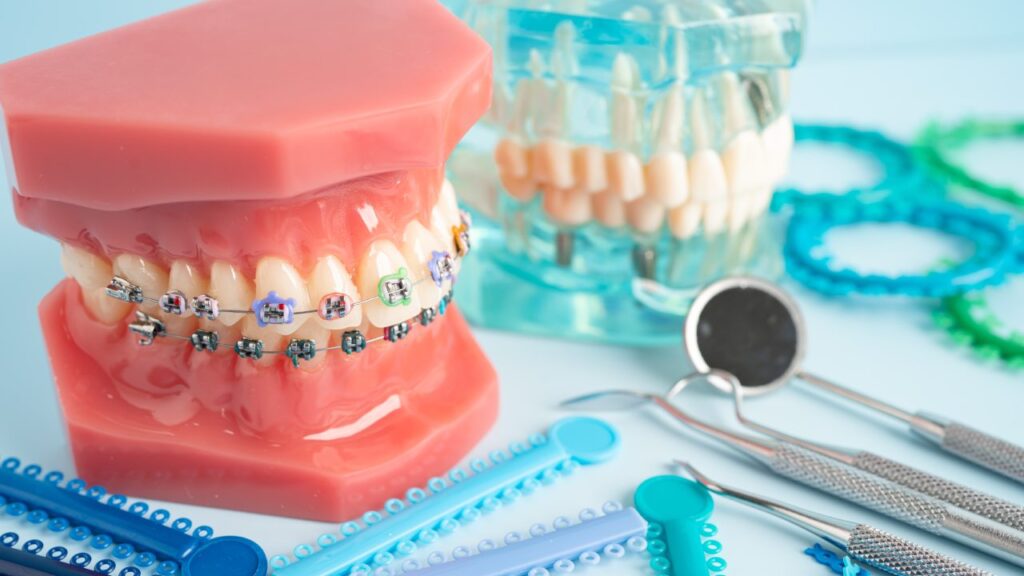
Dental Solutions for Sleep Apnea
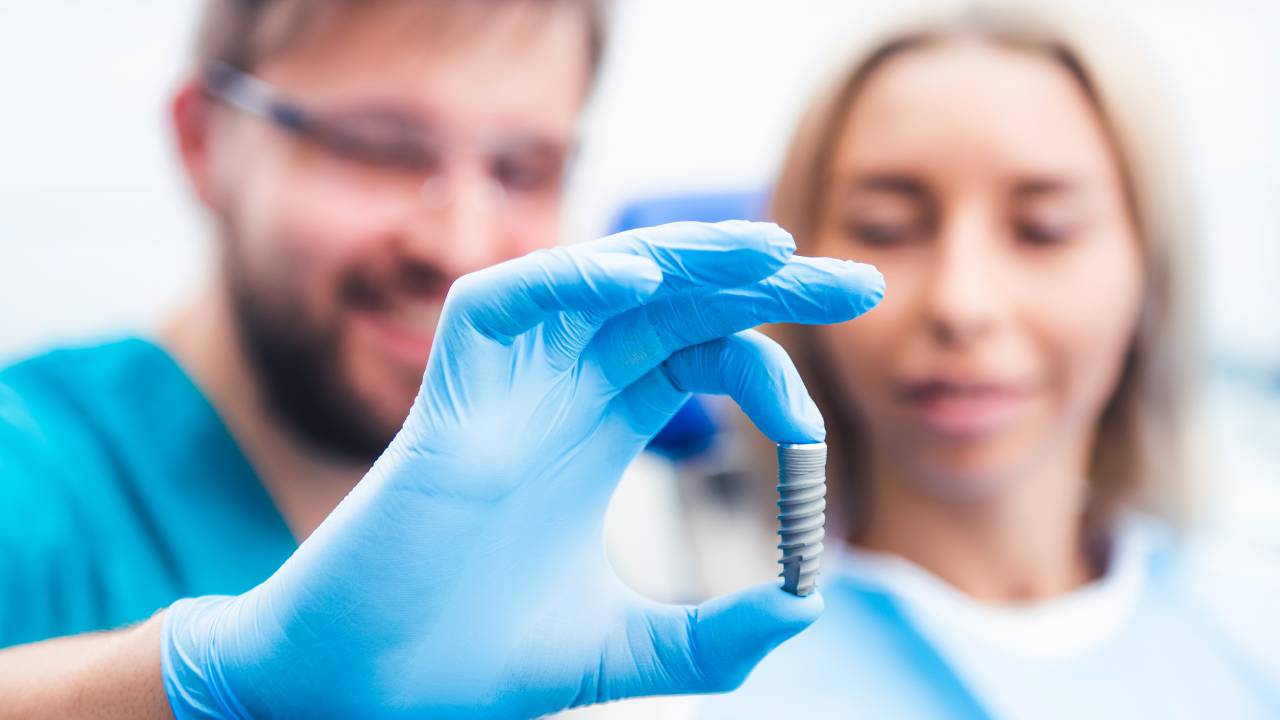
If you’re exploring non-CPAP treatment options for sleep apnea, dental solutions, particularly oral appliance therapy, can be a viable alternative. Many individuals benefit from these appliances, especially if CPAP therapy isn’t an option.
Effectiveness of Oral Appliance Therapy
Oral appliance therapy (OAT) is nearly as effective as continuous positive airway pressure (CPAP) therapy, with approximately a 90% compliance rate compared to about a 50% compliance rate for CPAP users. For about 70% of those with obstructive sleep apnea (OSA), oral appliance therapy can reduce the severity of the condition by more than half.
Oral appliances are typically recommended for individuals with mild to moderate sleep apnea, but recent evidence shows that they may also be effective for some cases of severe OSA. However, the response to oral appliance therapy can vary greatly from person to person. Some individuals with mild to moderate OSA may not respond positively, while others with severe cases may find remarkable relief [1].
A custom-made oral appliance generally provides superior results compared to non-prescription options, including “boil and bite” models, which often do not fit as well or function effectively.
Types of Oral Appliances
There are several types of oral appliances designed to treat sleep apnea. Here’s a brief overview:
| Type of Oral Appliance | Description | Best For |
|---|---|---|
| Mandibular Advancement Device (MAD) | Moves the lower jaw forward to keep the airway open. | Most effective for mild to moderate OSA. |
| Tongue Stabilizing Device (TSD) | Holds the tongue in place to prevent airway blockage. | Individuals who have issues with jaw movement. |
| Customized Dental Devices | Tailored for individual needs. | Provides the best fit and comfort. |
MAD is the most common type of oral appliance, aimed at repositioning the lower jaw. Tongue stabilizing devices, on the other hand, are effective for those whose primary obstruction is caused by the tongue. Customized models offer a personalized approach, improving comfort and effectiveness.
Oral appliances work best for those who find CPAP challenging or have discontinued its use over time [2]. By consulting with a dental professional, you can determine the most suitable option tailored to your needs. For more information on how dentists can assist with sleep apnea, see our article on how dentists help with sleep apnea.
Understanding the effectiveness of various dental appliances for sleep apnea can help you make an informed decision regarding your treatment. Knowing these options ensures that you get the best care possible. If you are considering starting treatment, exploring your options can lead to improved sleep quality and overall health.
Benefits of Oral Appliance Therapy
Oral appliance therapy (OAT) offers several advantages for those struggling with sleep apnea. It provides a non-invasive, user-friendly solution that can effectively reduce symptoms and improve overall health.
Reduction in Sleep Apnea Symptoms
One of the primary benefits of OAT is its effectiveness in alleviating symptoms of obstructive sleep apnea (OSA). Studies show that mandibular advancement device (MAD) therapy can reduce the severity of sleep apnea by more than half for about 70% of individuals. Furthermore, for approximately one-third of users, it can completely resolve OSA symptoms.
The table below summarizes the success rates of MAD therapy regarding apnea/hypopnea indices:
| Success Rate | Outcome |
|---|---|
| 77.7% | Reduction in severe OSA symptoms |
| 54% | Apnea/hypopnea index (AHI) reduced to less than 10 |
| 21% | At least 50% reduction in initial AHI (still above 10) |
| 45% | Reduction in snoring |
These numbers indicate that many patients experience significant improvements with consistent use of dental appliances.
Improvement in Oxygen Levels
Another significant advantage of OAT is the enhancement of oxygen levels in the blood. Therapy with oral appliances has been proven to decrease the frequency of paused breathing events during sleep. This reduction leads to better oxygenation during the night, which can result in a range of health improvements. Research indicates that therapy can lower daytime fatigue, improve cognitive function, mood, and even blood pressure.
The oxygen desaturation index (ODI) is a critical measurement in predicting treatment success. An ODI value under 33.3 is associated with a high likelihood of improved outcomes [4]. Overall, the effects of effective oral appliance therapy can lead to better overall well-being.
For additional information on non-CPAP treatment options, visit what is mild sleep apnea treatment or treatment options for moderate sleep apnea. Understanding the benefits of OAT and how it compares to other methods, like CPAP, can help guide you in making informed decisions about your sleep apnea treatment.
Factors Affecting Success
Case Severity and Patient Characteristics
The success of sleep apnea dental appliances can greatly depend on the severity of the condition and individual patient characteristics. For many, the effectiveness of oral appliance therapy (OAT) is nearly on par with continuous positive airway pressure (CPAP) therapy. Research indicates that around 90% of patients adhere to oral appliance therapy compared to only 50% for CPAP [5]. Furthermore, approximately 70% of individuals with obstructive sleep apnea (OSA) experience a significant reduction in severity from oral appliances, and for roughly a third, these devices completely resolve their symptoms.
| Severity Level | Oral Appliance Therapy Success Rate |
|---|---|
| Mild OSA | High |
| Moderate OSA | Moderate to High |
| Severe OSA (non-compliant with CPAP) | Varies |
If you’re interested in understanding the specific treatment options suitable for your condition, consider reading about the different treatment options for mild sleep apnea and treatment options for moderate sleep apnea.
Oral Appliance vs. CPAP Therapy
While CPAP therapy is often considered the gold standard for treating obstructive sleep apnea, it can lead to high rates of nonadherence, prompting the American Academy of Sleep Medicine (AASM) to recommend oral appliance therapy as a first-line treatment for mild to moderate cases. It’s important to note that while CPAP shows superior efficacy in controlling sleep-disordered breathing, oral appliances may provide equally favorable health outcomes.
| Treatment Type | Compliance Rate | Efficacy | Suitability for Mild to Moderate OSA |
|---|---|---|---|
| CPAP | 50% | Higher | Usually the first option |
| Oral Appliance Therapy | 90% | Comparable | Recommended for many patients |
Choosing between oral appliances and CPAP therapy involves considering your specific needs and lifestyle. If you’re finding CPAP intolerable, dental solutions might be a preferable option. To learn more about the differences and advantages of each method, check out our comparison on oral appliance vs CPAP for sleep apnea.
Ultimately, your particular case and preferences will dictate the best treatment approach. Consult a professional to evaluate your options and make informed choices about managing your sleep apnea effectively. For more information on how dentists can assist with sleep apnea, visit how dentists help with sleep apnea.
Treatment Alternatives
When it comes to managing sleep apnea, especially for those who are intolerant to CPAP, there are alternative treatments available that can help. Two notable options are Rapid Maxillary Expansion (RME) and Tongue-Stabilizing Devices (TSDs).
Rapid Maxillary Expansion (RME)
Rapid Maxillary Expansion (RME) is an orthodontic treatment that utilizes an expander device to gradually widen the upper jaw over time. This procedure is not only relevant for dental alignment but also plays a significant role in treating obstructive sleep apnea (OSA). Studies show that RME can effectively reduce the number of paused breathing events associated with OSA. Up to 25% of children with sleep apnea may be cured using this treatment [6].
RME is particularly beneficial for pediatric cases when combined with surgery to remove the tonsils and adenoids. This approach may yield the most favorable outcomes in terms of alleviating symptoms of sleep apnea.
| Treatment | Effectiveness |
|---|---|
| Rapid Maxillary Expansion (RME) | Up to 25% cure rate in children with OSA |
| Combination with Surgery | Enhanced effectiveness for pediatric cases |
Tongue-Stabilizing Devices (TSDs)
Tongue-Stabilizing Devices (TSDs) are another alternative to CPAP therapy for individuals suffering from sleep apnea. These devices work by holding the tongue in a forward position to prevent it from collapsing backward and obstructing the airway during sleep. TSDs are particularly suitable for those who may experience tongue-based sleep apnea.
TSDs generally offer a non-invasive solution for reducing airway obstruction and improving airflow, leading to a more restful night’s sleep. The success rates for TSDs can vary, but they are often a practical choice for those looking for alternatives to oral appliances or CPAP devices.
| Treatment | Function |
|---|---|
| Tongue-Stabilizing Devices (TSDs) | Holds the tongue forward to prevent airway obstruction |
For more information on the various options available for managing sleep apnea, you can check out articles on treatment options for mild sleep apnea and treatment options for moderate sleep apnea. Exploring these alternatives may offer insights and solutions for your specific needs, particularly if you’re seeking effective dental solutions for sleep apnea.
Adjustment Period and Side Effects
Adaptation to Oral Appliance
Adapting to an oral appliance for sleep apnea may take approximately two to four weeks. Initially, you might find the mouthpiece uncomfortable or strange while sleeping. However, gradually wearing the appliance for longer periods each night can help you adjust to it more effectively. Many individuals experience a significant reduction in discomfort as they become accustomed to the feeling of the appliance in their mouth, leading to better compliance and potentially improved outcomes in managing sleep apnea.
Custom-made oral appliances tend to provide better results compared to over-the-counter options like “boil and bite” models. For those interested in learning more about these types of appliances, visit our article on how dentists help with sleep apnea.
Common Short-Term Effects
While adjusting to an oral appliance, you might encounter some short-term side effects. These effects are often temporary and tend to improve as you become more comfortable with the device. Common initial side effects include:
| Side Effect | Description |
|---|---|
| Excess Saliva | Increased saliva production may occur. |
| Dry Lips | Some people experience dryness in the lips. |
| Tooth Discomfort | Sensitivity or discomfort in the teeth, especially during the initial usage. |
These side effects typically decrease as you adapt to the oral appliance. Oral appliance therapy is not as effective as CPAP therapy in improving airflow for obstructive sleep apnea, but it does alleviate symptoms for some individuals [2].
As you consider options for treating sleep apnea, it’s crucial to weigh the pros and cons of dental solutions and explore how they may fit into your overall treatment plan. For more insights on comparing oral appliances and CPAP therapy, check our resource on oral appliance vs CPAP for sleep apnea.
Success Rates and Patient Experience
Adherence and Success Rates
When considering solutions for sleep apnea, it’s crucial to look at the success rates of various treatments. Studies indicate that oral appliance therapy has a compliance rate of approximately 90%, significantly higher than the 50% compliance rate reported for CPAP therapy [7]. This high adherence with oral appliances can often be attributed to their comfort and ease of use, which leads many patients to prefer them over CPAP machines.
| Treatment Type | Compliance Rate |
|---|---|
| Oral Appliances | 90% |
| CPAP Therapy | 50% |
Additionally, oral appliances can improve daytime function. Research has shown a reduction in the Epworth Sleepiness Score (ESS) from 11.2 to 7.8, indicating a significant improvement in daily alertness among patients who use them.
Comparing Oral Appliance Therapy to CPAP
While CPAP therapy has been shown to reduce the apnea-hypopnea index more effectively than oral appliances, leading to better management of obstructive sleep apnea (OSA), patients often favor the handheld devices due to their comfort. The apnea-hypopnea index reduction with oral appliances is about 42%, whereas CPAP achieves a reduction of 75%. In terms of overall effectiveness in controlling sleep-disordered breathing, CPAP remains the superior choice, but the individual comfort level can heavily influence treatment choice.
| Treatment Comparison | Initial Apnea-Hypopnea Index Reduction |
|---|---|
| Oral Appliances | 42% |
| CPAP Therapy | 75% |
Despite the differences in clinical effectiveness, many patients may find it easier to adhere to treatment plans with oral appliances due to their less intrusive nature. If you’re interested in exploring your options, be sure to check resources on how dentists help with sleep apnea or consider discussing your treatment options with a professional. This might include learning more about the difference between CPAP and oral appliance therapy to make an informed choice for your sleep apnea management.
References
- (sleepapnea.org)
- (Cleveland Clinic)
- (source)
- (source)
- (source)
- (Sleep Apnea)
- (NCBI)
- (NCBI)