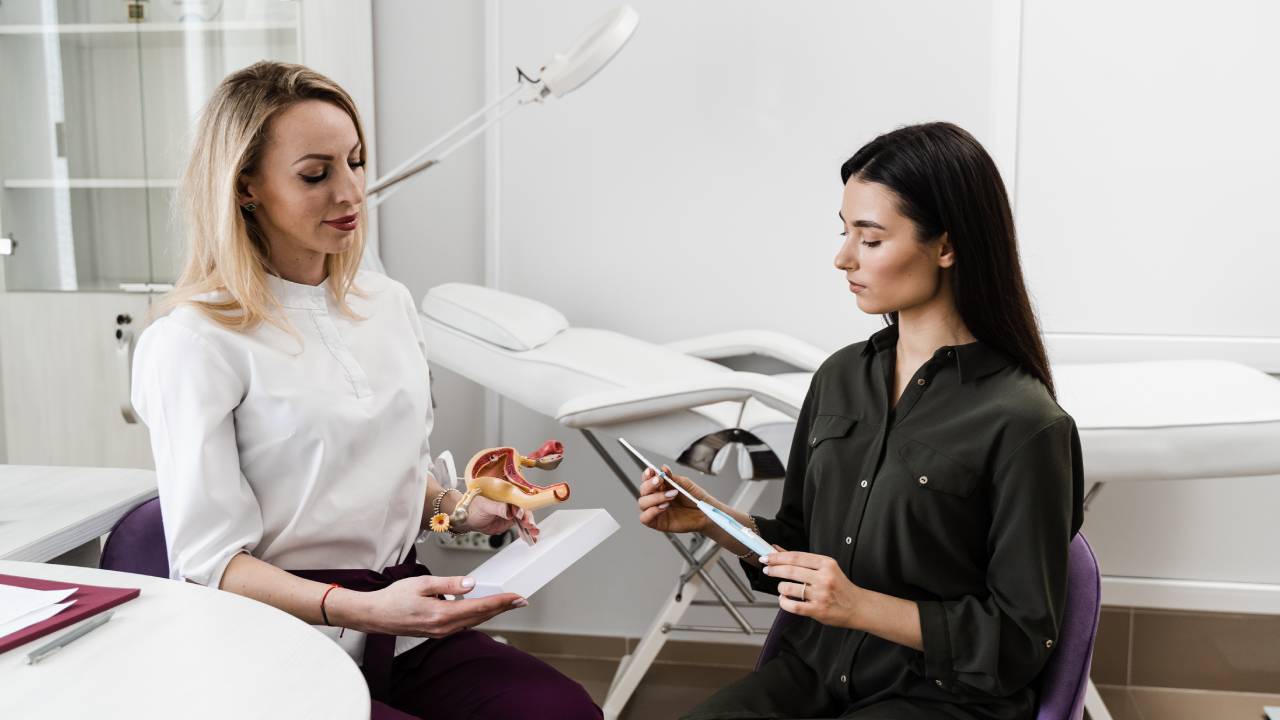
Dental Solutions Overview
Importance of Dental Treatments
Dental treatments play a significant role in managing obstructive sleep apnea (OSA), especially for individuals who may not tolerate continuous positive airway pressure (CPAP) therapy. Oral appliances, also known as dental devices, can help keep the airway open during sleep [1]. This is particularly crucial in preventing blocked airways that lead to disrupted sleep and other associated health issues.
Oral appliance therapy can:
- Provide a non-invasive option for sleep apnea treatment.
- Be customized for comfort and effectiveness by a dentist trained in sleep medicine.
- Improve sleep quality and reduce daytime sleepiness for many patients [2].
Suitability for Mild and Moderate Cases
Dental solutions are especially suitable for those with mild to moderate obstructive sleep apnea, as they can effectively manage the condition without the need for more intrusive measures such as surgery or CPAP therapy. If you are experiencing mild symptoms or feel uncomfortable with CPAP, discussing oral appliances with your dentist could be beneficial.
| Severity of Sleep Apnea | Recommended Treatment Options |
|---|---|
| Mild | Oral appliance therapy, lifestyle changes |
| Moderate | Oral appliance therapy, upper airway stimulation |
| Severe | CPAP, surgery, oral appliance therapy (if CPAP is intolerable) |
For detailed information on treatment options available for mild or moderate cases, refer to our articles on mild obstructive sleep apnea treatment options and moderate obstructive sleep apnea treatment options.
Dental treatments require collaboration with a qualified professional to ensure efficacy and fit. A dental sleep apnea evaluation process will determine whether you qualify for oral appliance therapy and guide you through the treatment journey. Be sure to learn more about how dentists help with sleep apnea and the cost of oral appliance for sleep apnea.
In summary, dental solutions offer a viable alternative for managing mild to moderate obstructive sleep apnea, enhancing both sleep quality and overall health when implemented correctly.
Types of Dental Solutions
When considering moderate obstructive sleep apnea treatment options, dental solutions can offer effective alternatives to traditional CPAP therapies. Here are three main types of dental solutions commonly recommended by professionals.
Oral Appliance Therapy
Oral appliance therapy serves as a popular option for patients who cannot tolerate or prefer not to use a CPAP machine. These custom-fitted devices are designed by a dentist or orthodontist to help keep the airways open during sleep. This treatment can be particularly beneficial for those with mild to moderate sleep apnea. Studies indicate that oral appliances can be comparable to CPAP in terms of improving neurobehavioral outcomes over an extended period, making them a valid alternative for many patients.
| Type of Dental Solution | Description |
|---|---|
| Oral Appliance Therapy | Custom fitted devices to keep airways open during sleep. Effective for mild to moderate cases. |
Mandibular Advancement Devices (MAD)
Mandibular advancement devices (MAD) are specifically designed to reposition your jaw forward to provide more space for airflow in the throat. These devices are also categorized under oral appliances and are beneficial for individuals who are CPAP-intolerant or have limited access to electricity, as they do not require power to function. MADs are most effective for those with appropriate dentition and mild to moderate sleep apnea. In clinical trials, MAD has demonstrated comparable effectiveness to CPAP [3].
| Device Type | Key Features |
|---|---|
| Mandibular Advancement Device (MAD) | Repositions the jaw forward, improving airflow; effective for certain patients. |
Tongue Muscle Stimulation Devices
Tongue muscle stimulation devices are an innovative non-CPAP treatment option aimed at improving tongue muscle tone during sleep. This device sends electrical impulses to the tongue muscles, helping to prevent airway obstruction. Patients typically use this device for 20 minutes per day over a span of six weeks to see improvement. While promising, it’s important to note that this device is custom-made by a dentist and not recommended as a sole treatment for moderate to severe obstructive sleep apnea, as further research is needed to validate its effectiveness [4].
| Device Type | Functionality |
|---|---|
| Tongue Muscle Stimulation Device | Improves tongue muscle tone to prevent airway obstruction; requires 20 minutes usage daily. |
By exploring these dental solutions, you can find the best options that may suit your individual needs and preferences for managing moderate obstructive sleep apnea. For more information about how dentists can help with your treatment, visit our page on how dentists help with sleep apnea.
Effectiveness and Considerations
Exploring the effectiveness of dental solutions for moderate obstructive sleep apnea can help you understand how they compare to traditional treatments like CPAP. Here, you will find key considerations regarding dental treatments, their success rates, and side effects.
Comparing Dental Solutions to CPAP
Oral appliances, including mandibular advancement devices (MAD), are designed for individuals who are unable or unwilling to use CPAP. In a randomized clinical trial, MAD was found to be comparable to CPAP in improving neurobehavioral outcomes over a 10-year follow-up period [5]. This effectiveness makes dental solutions a viable option for many seeking alternatives to CPAP therapy.
| Treatment Type | Effectiveness | Patient Suitability |
|---|---|---|
| CPAP | Widely used, effective for severe cases | Patients who tolerate it well |
| Oral Appliances (MAD) | Comparable to CPAP for mild to moderate | Patients preferring non-invasive options |
For detailed comparisons between CPAP and oral appliance therapy, visit our article on difference between cpap and oral appliance therapy.
Success Rates and Long-Term Benefits
The success rates of dental devices can vary, but studies indicate that they are an effective treatment for mild to moderate sleep apnea. These devices have been shown to significantly improve sleep quality and reduce apnea episodes. The long-term benefits may include:
- Reduced risk of cardiovascular issues
- Better management of blood pressure
- Enhanced mental function and mood [6]
For more information on the success rates of dental appliances, check our article on sleep apnea dental appliance success rate.
Adherence and Side Effects Monitoring
Adherence to treatment is critical for effectiveness. Dental appliances may require an adjustment period as you become accustomed to wearing them during sleep. While these devices generally have fewer side effects than CPAP, you should still monitor for:
- Discomfort or soreness in the jaw
- Temporomandibular joint (TMJ) issues
- Salivation changes
Regular follow-ups with your dental provider will help address any side effects and ensure that the device remains effective. Additionally, for an overview of how to manage side effects and improve adherence, see our article on how dentists help with sleep apnea.
Investing in dental solutions for sleep apnea can lead to significant improvements in your sleep health. By considering the effectiveness, success rates, and potential side effects, you can make a well-informed decision on which treatment option suits your lifestyle best. If you’re interested in further exploring treatment options for mild or moderate sleep apnea, visit our guides on treatment options for mild sleep apnea and treatment options for moderate sleep apnea.
Dental Procedures for Sleep Apnea
Upper Airway Stimulation
Upper airway stimulation is a cutting-edge treatment option for moderate obstructive sleep apnea. This procedure involves the implantation of a hypoglossal nerve stimulator, which sends mild stimulation to the muscles in the upper airway during sleep. The goal is to prevent the airway from collapsing, thus improving airflow and reducing apnea episodes. This technique is particularly beneficial for individuals who are unable to tolerate CPAP devices or oral appliances.
The FDA approval of this method signifies its potential as an effective solution for managing sleep apnea. If you are considering upper airway stimulation, consult your dentist or sleep specialist to determine if you are a suitable candidate for this procedure.
Upper Jaw Advancement Surgery
Upper jaw advancement surgery is another procedure that can help individuals suffering from moderate obstructive sleep apnea. This surgical intervention repositions the upper jaw forward, which increases the size of the airway and reduces the risk of obstructions during sleep. Typically recommended for patients who have not achieved satisfactory results with other treatments, this surgery requires a comprehensive evaluation to determine candidacy.
Patients should be aware of the recovery time involved and the potential impact on the alignment of their teeth. Close collaboration with a dental specialist experienced in sleep apnea treatments is essential to ensure a successful outcome.
Follow-Up Care and Management
After undergoing any dental procedure for sleep apnea, ongoing follow-up care and management are crucial for maintaining effectiveness and monitoring health outcomes. Regular appointments with your dentist will help assess the effectiveness of treatments like upper airway stimulation or jaw advancement. Adjustments may be needed based on your progress.
It is essential to discuss any side effects or concerns you experience during your sleep or while using oral devices. A well-rounded approach involves not only dental interventions but also possible lifestyle changes. For further resources on managing sleep apnea, explore our articles on treatment options for mild sleep apnea and how to treat sleep apnea without CPAP.
This ongoing management is key to achieving long-term relief and ensuring that your treatment aligns with your overall health goals.
Lifestyle Changes and Supplementary Treatments
Addressing moderate obstructive sleep apnea (OSA) requires a multifaceted approach that includes lifestyle changes and supplementary treatments. Here are several effective strategies to consider:
Weight Management
Maintaining a healthy weight is crucial for managing obstructive sleep apnea. Excess weight can contribute to sleep apnea, as additional fat tissue around the neck may block the upper airway. Weight loss is often a key recommendation for those suffering from OSA, as it may lessen its severity and improve overall health WebMD. However, it is important to note that losing weight may not entirely eliminate the need for a CPAP machine, depending on individual circumstances.
Consider the following weight management strategies:
| Strategy | Description |
|---|---|
| Regular Exercise | Engaging in regular physical activity can help reduce weight and improve sleep quality. Aim for at least 150 minutes of moderate exercise weekly. |
| Healthy Eating | Focus on a balanced diet rich in fruits, vegetables, whole grains, and lean proteins while limiting processed foods and sugars. |
| Portion Control | Be mindful of portion sizes to avoid overeating. Smaller, more frequent meals can help. |
Sleep Positions and Nasal Health
Your sleeping position can significantly affect sleep apnea symptoms. It is recommended to avoid sleeping on your back, as this position can cause the tongue and soft palate to collapse into the airway, impeding breathing. Consider these alternative positions:
| Position | Benefits |
|---|---|
| Side Sleepers | Sleeping on your side can help keep the airway open and reduce snoring. |
| Stomach Sleepers | This position can also prevent airway obstruction but may cause neck discomfort for some individuals. |
Managing nasal congestion can also improve sleep quality. Effective methods include:
- Nasal Rinses: Use saline rinses to clear nasal passages.
- Allergy Treatments: Address any allergies that might contribute to congestion.
- Anti-Inflammatory Agents: Over-the-counter options can help reduce swelling in nasal tissues.
Behavioral Modifications
In addition to physical changes, certain behavioral modifications can aid in managing sleep apnea. Here are some strategies you can implement:
- Limit Alcohol Intake: Alcohol can worsen sleep apnea by reducing muscle tone in the upper airway. Minimizing consumption will help mitigate its effects WebMD.
- Quit Smoking: Smoking can increase inflammation and fluid retention in the airway, aggravating sleep apnea symptoms. Quitting smoking is beneficial for overall health, including better sleep quality.
- Consistent Sleep Schedule: Establishing a regular sleep routine can improve sleep quality and help your body adjust to a more restful state.
By integrating these lifestyle changes and supplementary treatments, you can improve your chances of effectively managing moderate obstructive sleep apnea. If you’re interested in exploring dental solutions for sleep apnea, consider checking out how dentists help with sleep apnea for further options catered to your needs.
Future Trends and Research
Advancements in Oral Devices
Oral devices are an evolving alternative treatment option for individuals who cannot tolerate CPAP or for patients with severe sleep apnea who have difficulty using CPAP. These dental devices, known as oral appliance therapy, function by keeping the throat open during sleep and may be comparable to CPAP in effectiveness for certain cases [7]. A randomized clinical trial showed that mandibular advancement devices (MAD) significantly improved neurobehavioral outcomes over a 10-year period for patients with mild-to-moderate sleep apnea [5].
As advancements continue, close follow-up with a dentist for fitting and ongoing therapy becomes essential to optimize comfort and efficacy. The development of more customized and comfortable oral devices will likely increase their acceptance among those seeking moderate obstructive sleep apnea treatment options.
Telemedicine for Adherence
Telemedicine is emerging as a valuable tool in enhancing adherence to sleep apnea treatments. Recent studies have investigated the use of telemedicine interventions and remote monitoring to boost CPAP adherence rates for the treatment of obstructive sleep apnea (OSA) [5]. These technologies enable healthcare providers to offer ongoing support and troubleshoot issues in real-time, which can be especially beneficial for patients who feel overwhelmed or discouraged by traditional treatment methods. As telehealth options expand, they will likely foster improved adherence and better health outcomes.
Surgical Innovations and Efficacy
Surgical innovations are also being explored for the treatment of obstructive sleep apnea when other therapies fail. Procedures such as upper airway stimulation and upper jaw advancement surgeries are options for patients with moderate to severe obstructive sleep apnea who are unable to tolerate CPAP [2]. These surgeries aim to create more space in the airway, potentially leading to a significant reduction in apnea incidents during sleep. Ongoing research will continue to evaluate the efficacy of these surgical techniques and refine approaches to ensure the best possible outcomes for patients seeking relief.
For detailed treatment options for both mild and moderate sleep apnea, visit our articles on mild obstructive sleep apnea treatment options and treatment options for moderate sleep apnea.