Dental Solutions for Sleep Apnea
Overview of Oral Appliance Therapy
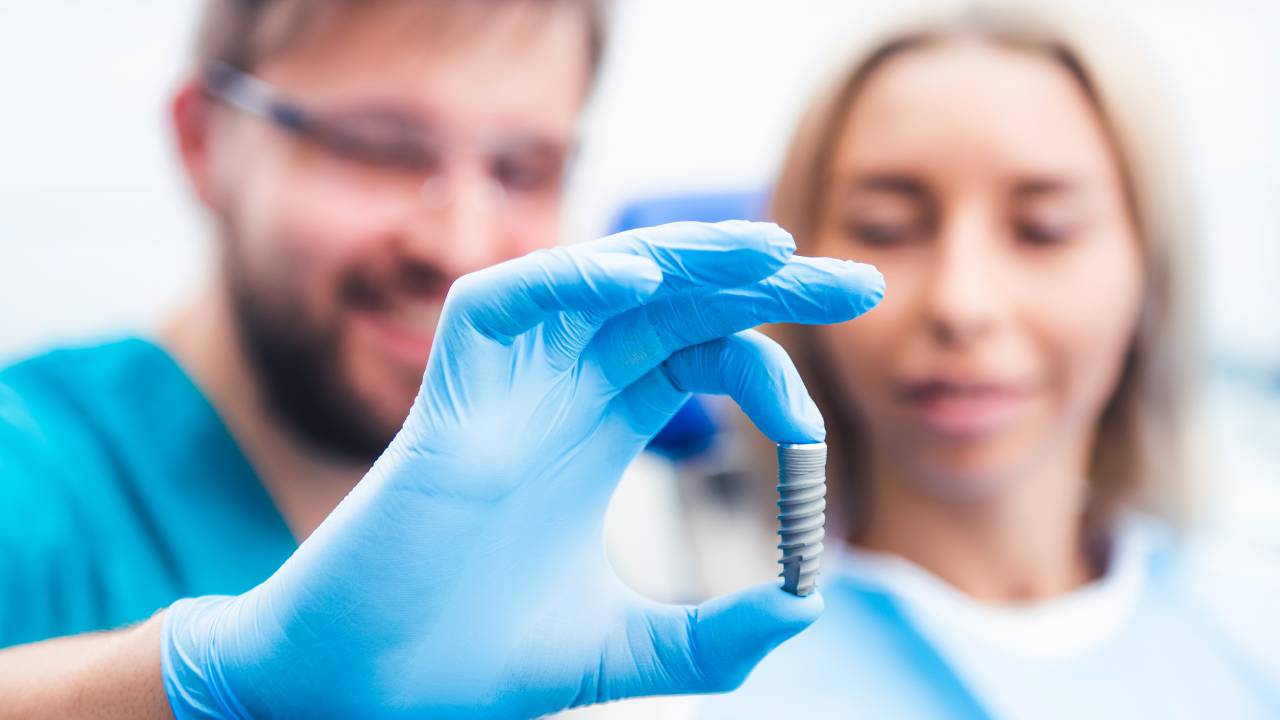
Oral appliance therapy is a non-invasive treatment specifically designed for individuals suffering from sleep apnea. This therapy significantly enhances the quality of life by promoting better sleep, increased energy levels, and improved daily alertness. Additionally, it can positively impact the sleep quality of bed partners as well [1].
These dental devices are primarily recommended for individuals with mild to moderate obstructive sleep apnea, especially those who have difficulty using CPAP machines. Many patients find continuous CPAP usage to be challenging, leading to a search for more comfortable alternatives.
| Benefits of Oral Appliance Therapy |
|---|
| Improved sleep quality |
| Increased daytime alertness |
| Potential reduction in snoring |
| Non-invasive and portable |
| Customizable fit |
For more information on the treatment landscape, refer to our page about how dentists help with sleep apnea.
Effectiveness of Custom-Made Appliances
Custom-made oral appliances are highly regarded for their effectiveness in treating obstructive sleep apnea. These appliances offer significantly better results compared to over-the-counter “boil and bite” models [2]. A properly fitted appliance not only addresses obstructive sleep apnea symptoms but can also help to reduce or eliminate snoring, making for a peaceful night’s sleep for both the user and their partner.
Short-term side effects may include excessive salivation, dry mouth, and jaw discomfort; however, these are uncommon in the long term if the device is fitted correctly. It’s crucial to consult an experienced dental professional to ensure the appliance meets your specific needs. If you’re curious about costs, check out our article on the cost of oral appliance for sleep apnea.
For those interested in the success rates of these appliances, you can explore data on the sleep apnea dental appliance success rate to better understand the expected outcomes of treatment.
Suitability and Benefits
Mild to Moderate Sleep Apnea Cases
Oral appliance therapy is primarily recommended for individuals with mild to moderate obstructive sleep apnea who find continuous positive airway pressure (CPAP) machines challenging to use consistently. Many patients discover that CPAP, while effective in improving airflow, can become difficult to tolerate over time, leading them to seek alternative treatments. As noted by the Cleveland Clinic, oral appliances offer a viable solution for those who cannot comfortably use CPAP.
Oral appliances are designed to reposition the jaw and tongue to keep the airway open during sleep, which can significantly reduce obstruction and improve breathing. This method is particularly beneficial for those whose sleep apnea is not severe enough to warrant more complex interventions.
| Severity Level | Recommended Treatment |
|---|---|
| Mild Sleep Apnea | Oral Appliance Therapy |
| Moderate Sleep Apnea | Oral Appliance Therapy |
| Severe Sleep Apnea | CPAP or Other Interventions |
For more information on treatment options for sleep apnea, visit our articles on treatment options for mild sleep apnea and treatment options for moderate sleep apnea.
Advantages Over CPAP Machines
Choosing oral appliance therapy over CPAP machines carries several advantages, especially for those who have tried CPAP without success. Oral appliances tend to be more comfortable and less intrusive than CPAP masks. This comfort leads to higher compliance rates, as patients are more likely to use an appliance consistently throughout the night.
According to research, while CPAP is generally more effective at improving airflow, oral appliances have shown favorable outcomes due to superior patient compliance. This means that even though CPAP might outperform oral appliances in clinical settings, many individuals find they achieve better results with an appliance due to their willingness to use it regularly. An overview of the differences in effectiveness can be found in our article on oral appliance vs CPAP for sleep apnea.
| Comparison Aspect | CPAP Machines | Oral Appliances |
|---|---|---|
| Comfort | Less comfortable; may cause discomfort | More comfortable; less intrusive |
| Compliance Rate | Lower; many struggle with nightly use | Higher; easier to use consistently |
| Effectiveness | More effective in airflow improvement | Effective for mild to moderate cases |
For a deeper understanding of how oral appliances function and their effectiveness, refer to our sections on how oral appliances work for sleep apnea and benefits of oral appliance therapy for sleep apnea.
By considering oral appliances as a treatment option for mild and moderate sleep apnea, you may find a solution that is both effective and manageable for your lifestyle.
Mechanisms and Types of Appliances
Understanding the functionality and types of oral appliances is essential when considering how they can effectively address sleep apnea. This section breaks down the mechanisms at play and discusses two main types of devices: Mandibular Advancement Devices (MADs) and Tongue-Stabilizing Devices (TSDs).
Functionality of Oral Appliances
Oral appliances work by adjusting the position of your jaw and tongue to keep the airway open during sleep. They achieve this in various ways.
- Mandibular Advancement Devices (MADs): These appliances pull the lower jaw (mandible) forward, which helps to create more space in the back of the throat, preventing airway obstruction.
- Tongue-Stabilizing Devices (TSDs): Some oral appliances attach to the tongue and use suction to keep it in a forward position, which further opens the airway.
Studies indicate that oral appliances can reduce the initial Apnea Hypopnea Index (AHI) by 42%, which measures the severity of sleep apnea episodes. However, they are not as effective as CPAP therapy, which can reduce the AHI by up to 75% [3].
Mandibular Advancement Devices (MADs)
Mandibular Advancement Devices (MADs) are specifically designed to treat mild to moderate sleep apnea effectively. They gently reposition the lower jaw forward, keeping the airway unobstructed during sleep. The benefits include:
- Less Cumbersome: Many patients prefer MADs to CPAP machines, as they are less bulky and easier to manage while sleeping.
- Comfort: They are generally more comfortable for prolonged use, leading to higher compliance rates among users [4].
- Reduced Snoring: MADs can significantly decrease or eliminate snoring, contributing to better sleep quality for both the user and their partner.
If you want to learn more about how dentists can assist with sleep apnea treatments, refer to our article on how dentists help with sleep apnea. Understanding the mechanisms and types of oral appliances can guide your decision on the best sleep apnea solutions available. Exploring treatment options tailored to your specific needs is vital for effective management of your condition.
Adjustment Period and Side Effects
Acclimatization to Oral Appliances
Transitioning to an oral appliance for sleep apnea can take some time. Typically, you may need about two to four weeks to fully adjust to wearing one during sleep. Initially, you might find it odd to sleep with a mouthpiece; however, most individuals gradually become accustomed to it. Oral appliances are designed to enhance your quality of sleep, offering a viable alternative for those who struggle with CPAP use. The adjustment period varies from person to person, with some adapting quicker than others.
Short-Term and Long-Term Effects
While using oral appliances, it’s important to be aware of potential side effects. Short-term effects can include:
| Side Effect | Description |
|---|---|
| Excessive Salivation | Increased saliva production during the night. |
| Dry Mouth | Feelings of dryness upon waking. |
| Jaw Discomfort | Mild pain or discomfort in the jaw area, especially during the initial adjustment phase. |
Long-term side effects are usually uncommon if the device is properly fitted. Some studies have indicated that prolonged use of oral appliances can lead to significant dental changes. For instance, changes such as maxillary incisor retroclination and mandibular incisor proclination may occur PubMed. Continuous monitoring by your dentist is essential to ensure that any changes in your dental structure are managed appropriately. If you’re considering alternative treatments for sleep apnea, you can explore treatment options for mild sleep apnea or moderate obstructive sleep apnea treatment options.
Oral appliances offer a promising solution not only for managing obstructive sleep apnea symptoms but also for reducing snoring, providing a better night’s rest Cleveland Clinic. If you are considering oral appliance therapy, understanding the adjustment period and recognizing potential side effects can aid in making an informed decision about your sleep apnea treatment.
Alternative Devices and Therapies
When exploring options for addressing sleep apnea, you might come across various devices and therapies beyond traditional oral appliances. Two notable alternatives are tongue-stabilizing devices (TSDs) and the rapid maxillary expansion (RME) approach.
Tongue-Stabilizing Devices (TSDs)
Tongue-stabilizing devices, while less commonly used than mandibular advancement devices (MADs), have shown promising results in managing obstructive sleep apnea (OSA). Research suggests that TSDs can decrease interrupted breathing events and reduce daytime sleepiness for individuals experiencing sleep apnea [5]. These devices are particularly beneficial for those with missing or misaligned teeth or jaws.
TSDs work by holding the tongue in a forward position during sleep, which helps prevent airway blockages that lead to snoring and apnea events. They are often recommended for patients who cannot tolerate CPAP machines or prefer a less intrusive option. For more information on non-CPAP options, you may want to read about how to treat sleep apnea without CPAP.
| Benefits of TSDs |
|---|
| Decrease in interrupted breathing events |
| Reduction in daytime sleepiness |
| Suitable for individuals with dental issues |
Rapid Maxillary Expansion (RME) Approach
Rapid maxillary expansion is primarily utilized in children diagnosed with OSA. This treatment involves using an expander device to gradually widen the upper jaw, which can help alleviate airway obstruction. RME is particularly recommended for children with a narrow upper jaw, crossbite, or those who experience OSA following tonsil and adenoid removal surgery.
Studies indicate that up to 25% of children with OSA may experience a complete resolution of symptoms through RME. This approach can be even more effective when combined with surgical interventions like tonsillectomy or adenoidectomy. For those interested in pediatric sleep apnea solutions, it may be helpful to explore treatment options for moderate sleep apnea.
| Effectiveness of RME |
|---|
| Potential cure for 25% of affected children |
| Useful for children with specific dental and jaw alignment issues |
| Synergistic effects when combined with other treatments |
These alternative devices and therapies provide additional avenues for those seeking solutions to manage sleep apnea. By considering these options alongside oral appliances, you can find the most suitable treatment tailored to your needs. For insights on how dental interventions can help with sleep apnea, check out our article on how dentists help with sleep apnea.
Efficacy and Compliance Rates
Comparing Effectiveness to CPAP
When evaluating treatments for sleep apnea, it is essential to compare the effectiveness of oral appliances with that of Continuous Positive Airway Pressure (CPAP) therapy. According to recent studies, while CPAP is recognized as the more effective option for reducing the apnea/hypopnea index (AHI), many patients prefer oral appliances due to their less cumbersome nature and ease of use. For instance, a compliance rate of 90% has been reported for oral appliance therapy, compared to only 50% for CPAP devices [5].
| Treatment Method | Compliance Rate | Effectiveness in Reducing AHI |
|---|---|---|
| Oral Appliance Therapy | 90% | Less effective than CPAP for AHI reduction |
| CPAP | 50% | More effective in reducing AHI |
Furthermore, studies reveal that about 48% of patients experience complete resolution of obstructive sleep apnea, or have an AHI of less than 5 events/hour when utilizing oral appliances [6]. While CPAP may outperform oral appliances in clinical settings, patients often report greater lifestyle satisfaction with the oral options.
Compliance and Adherence Studies
Patient adherence to treatment is crucial in managing sleep apnea effectively. Adherence to oral appliance therapy is significantly higher than CPAP, largely because patients find oral appliances to be more comfortable and less obstructive. For many individuals, the ability to use a less invasive solution encourages regular nightly use, ultimately leading to better management of their condition.
Studies indicate that while CPAP remains the gold standard for reducing OSA parameters during sleep studies, this may not always translate to improved real-world health outcomes. Patient satisfaction is a key factor in compliance, and reports show that many patients prefer oral appliances over CPAP therapy. This preference can enhance their commitment to using the appliance consistently.
For more insights on how oral appliances compare with CPAP for sleep apnea outcomes and compliance rates, consider reading about the difference between CPAP and oral appliance therapy or exploring various treatment options for mild sleep apnea.
Long-Term Concerns and Dental Changes
Dental Alterations from Prolonged Use
When utilizing oral appliance therapy for sleep apnea treatment, it’s essential to recognize that long-term usage may lead to significant dental changes. Studies indicate that alterations such as maxillary incisor retroclination and mandibular incisor proclination occur over an average treatment duration of 12.6 years. These changes manifest continually over time, highlighting the need to monitor dental health during therapy [7].
| Type of Dental Change | Description | Average Treatment Duration (Years) |
|---|---|---|
| Maxillary Incisor Retroclination | Backward movement of upper front teeth | 12.6 |
| Mandibular Incisor Proclination | Forward movement of lower front teeth | 12.6 |
Furthermore, the number of years undergoing treatment significantly correlates with the degree of dental changes observed. This emphasizes the importance of regular dental check-ups to prevent and manage potential issues while using oral appliances.
Skeletal Changes and Predictors of Side Effects
In contrast to dental changes, skeletal alterations associated with prolonged oral appliance use appear to be relatively minimal. Over a comparable timespan, studies show that changes in certain angles related to skeletal structure were not deemed clinically significant [7].
Key predictors of dental side effects during treatment with oral appliances include:
- Duration of Treatment: Extended use correlates with greater dental changes.
- Body Mass Index (BMI): A higher BMI may be linked to increased dental alterations during therapy.
- Specific Skeletal Angles: Certain angles may influence the extent of the changes observed.
Monitoring these factors helps in understanding how they contribute to the effectiveness of oral appliance therapy for sleep apnea. For more information on the implications of dental solutions for sleep apnea, please visit how dentists help with sleep apnea.
References
- (AADSM)
- (Cleveland Clinic)
- (Cleveland Clinic, NCBI)
- (NCBI)
- (Sleep Apnea)
- (NCBI)
- (PubMed)