The cost of an oral appliance for sleep apnea in Huntersville, NC is not one fixed number. It is the sum of several parts: the exam and records, the custom device, the fitting visit, and the follow-up visits used to adjust the jaw position until breathing improves. Your own share depends on whether a sleep study has confirmed obstructive sleep apnea, which plan you carry, and whether the dental office is in-network with that plan. At Reimels Dentistry in Huntersville, Blue Cross Blue Shield is the confirmed in-network plan. Private pay is accepted. Aetna, Americo, Cigna, Delta Dental, MetLife, UnitedHealthcare, and other carriers are billed under their out-of-network benefits. Medicare and Medicaid are not accepted. This guide explains what goes into the price, why estimates vary, and what to ask so the final number makes sense before treatment starts.
What Are the Non-CPAP Treatments for Sleep Apnea?
Many adults search for appliance pricing after struggling with CPAP. The mask, the hose, and the steady airflow are hard for some people to tolerate night after night. Dental treatment offers a different approach for obstructive sleep apnea (OSA), the type caused by the airway narrowing or collapsing during sleep.
How do dental sleep apnea treatments work?
Dental treatment for sleep apnea centers on a custom oral appliance. The device is shaped to your teeth and worn only at night. It changes the position of the jaw and, with it, the tongue, so the airway is less likely to close. Unlike CPAP, it uses no pressurized air, no power, and no mask. Many people find that simpler to live with.
Severity, anatomy, and a physician’s input all shape whether an appliance is the best fit for a given patient.
What is a mandibular advancement device (MAD)?
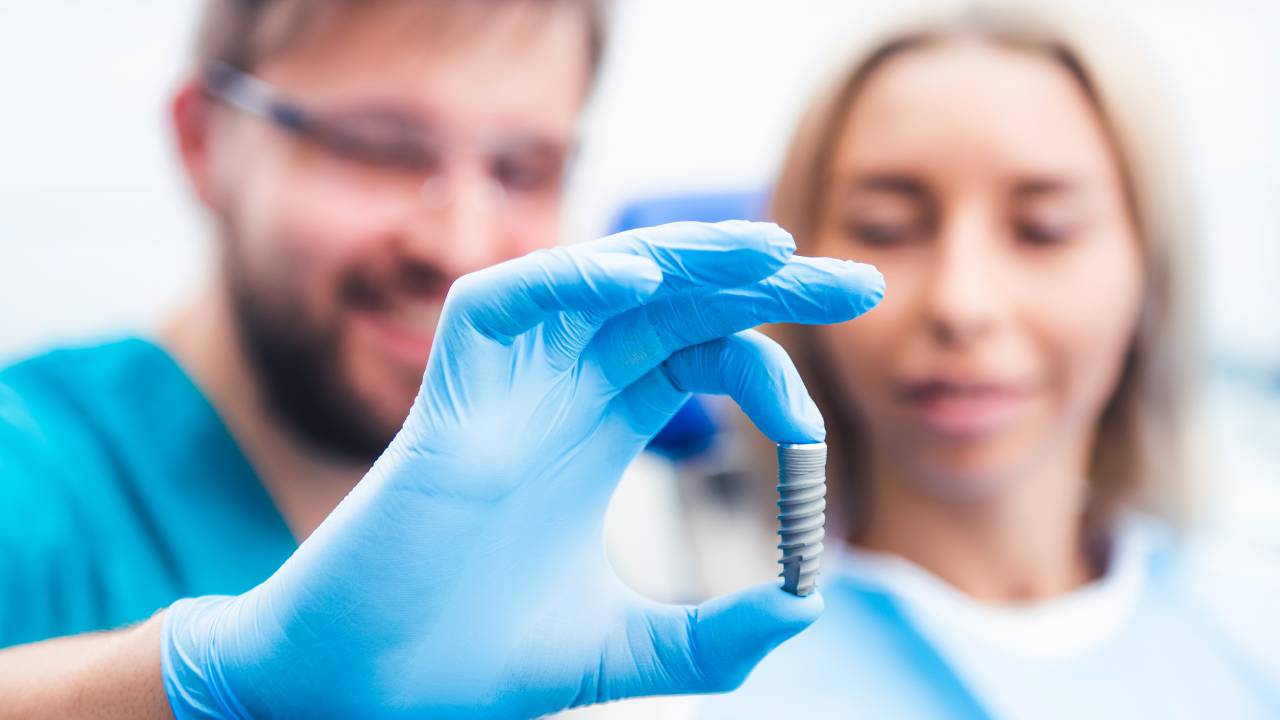
A mandibular advancement device is the most common type of oral appliance for sleep apnea. It holds the lower jaw (the mandible) slightly forward during sleep. That small shift pulls the base of the tongue and nearby soft tissue away from the back of the throat, which helps keep the airway open.
A review of oral appliances published through the NIH’s PubMed Central describes mandibular advancement devices as the main category of oral appliance used for OSA and explains that they are typically adjustable, so the forward position can be increased gradually. That adjustability matters for cost, because each change is usually made during a follow-up visit.
Custom devices made from impressions or scans of your teeth are designed to fit securely and allow controlled adjustment. Store-bought “boil and bite” mouthpieces are a different product. They are not fitted by a dentist and are not designed for monitored treatment of diagnosed sleep apnea. Comparing their price to a custom device is comparing two different things.
What Does the Cost of an Oral Appliance for Sleep Apnea Include?
When a practice gives you a fee for oral appliance therapy, it usually covers more than the device itself. Understanding the parts helps you compare estimates fairly and spot what may be missing.
Which parts make up the total cost?
A complete course of oral appliance therapy typically includes these components:
| Cost component | What it covers |
|---|---|
| Initial evaluation | Review of your sleep study, health history, teeth, gums, bite, and jaw joints |
| Records | Impressions or digital scans and bite registration used to build the device |
| Appliance fabrication | Laboratory manufacture of the custom device and its materials |
| Delivery and fitting | Seating the device, checking comfort and fit, teaching use and care |
| Follow-up and titration | Visits to advance the jaw position and check for side effects |
| Ongoing monitoring | Periodic checks of the device, teeth, and bite over time |
Some offices bundle all of this into one fee. Others bill each step separately. A quote that looks low may leave out follow-up visits, and a quote that looks high may include a year or more of monitoring. Asking what is included is the most reliable way to compare.
Why does the price vary so much from one office to another?
Several factors move the total up or down:
- Customization. A device built to your teeth and bite takes laboratory work and dental time. That customization is what allows a secure fit and gradual adjustment.
- Materials and design. Appliances are made from different materials, such as hard acrylic, flexible thermoplastics, or combinations with metal adjustment hardware. Design and material affect durability, comfort, and price.
- Number of visits. Some patients reach a comfortable, effective jaw position quickly. Others need several adjustments. More visits generally mean a higher total.
- Professional time. Evaluation, fitting, adjustments, and coordination with the physician who ordered the sleep study all take clinical time, which is part of the fee.
- Your dental health. If gum disease, decay, or a loose tooth needs attention first, that care is separate from the appliance but may need to happen before a device can be made safely.
Is an oral appliance worth the cost compared with other treatment?
Price is only one way to judge value. Researchers have looked at whether oral appliances deliver reasonable health benefit for what they cost. A cost-effectiveness analysis indexed on PubMed evaluated oral appliances in the treatment of obstructive sleep apnea and examined how they compare economically with other approaches. For patients who will not use CPAP, a treatment worn consistently can offer more real-world value than one that sits in a closet.
How Does Insurance Affect What You Pay at Reimels Dentistry?
Insurance is often the biggest factor in your personal cost, and it works a little differently for sleep apnea than for routine dental care.
Does medical or dental insurance pay for a sleep apnea appliance?
Because obstructive sleep apnea is a medical diagnosis, coverage for an oral appliance often runs through medical insurance rather than a dental plan. Plans that do contribute typically look for the same core items:
- A confirmed diagnosis. A sleep study interpreted by a physician, showing obstructive sleep apnea.
- Medical necessity. Documentation from a doctor that treatment is needed.
- An appropriate device. A custom appliance of a type the plan recognizes.
- Paperwork. Records of the evaluation, the diagnosis, and the treatment plan submitted with the claim or prior authorization request.
Snoring alone, without a diagnosis of sleep apnea, is usually treated differently by insurers. If you have not had a sleep study, that is generally the first step.
Which plans does Reimels Dentistry work with?
Here is how insurance works at Reimels Dentistry, based on the practice’s confirmed information:
- In-network: Blue Cross Blue Shield.
- Out-of-network billing: Aetna, Americo, Cigna, Delta Dental, MetLife, UnitedHealthcare, and every other carrier not listed as in-network. The practice bills those plans’ out-of-network benefits.
- Private pay: Accepted.
- Not accepted: Medicare and Medicaid.
If you carry a plan other than Blue Cross Blue Shield, it is worth calling your insurer before treatment and asking specific questions. What are my out-of-network benefits for an oral appliance for obstructive sleep apnea? Is prior authorization required? What deductible applies, and how much of it have I met this year? The answers shape your out-of-pocket share far more than the device itself.
What should you ask before treatment begins?
A short list of questions keeps surprises to a minimum:
- Does my sleep study meet my plan’s requirements, and how recent does it need to be?
- Is the appliance billed to my medical plan, my dental plan, or both?
- Does the fee include follow-up and adjustment visits, and for how long?
- What happens to the cost if the device needs repair or replacement?
- Is a written estimate available before I commit?
How Can You Plan and Pay for Oral Appliance Therapy?
Even with insurance, many people have a balance to plan for. A few practical steps help.
What payment approaches are worth discussing?
Talk with the office about how the fee is collected and whether it can be divided across the stages of treatment, such as evaluation, delivery, and follow-up. If you have a health savings account or flexible spending account through work, check with your plan administrator about whether a sleep apnea appliance counts as an eligible expense. Asking these questions during the first visit, before records are taken, gives you time to plan.
Why does the Huntersville practice’s setup matter for cost?
Reimels Dentistry provides comprehensive care in one Huntersville location, serving patients from Huntersville, Charlotte, and Cornelius. If an exam finds gum disease, a failing filling, or a tooth that needs attention before an appliance can be made, that care can often happen in the same office. The practice offers sleep apnea treatment alongside gum disease treatment, root canals, extractions, and preventive exams and cleanings, which can mean fewer separate offices to coordinate. The practice’s dental team includes multiple Fellows of the Academy of General Dentistry, a credential that reflects 600 or more hours of continuing education.
How Effective Is Oral Appliance Therapy for the Money?
Paying for a device only makes sense if it helps. Effectiveness and comfort both affect value.
How well do oral appliances reduce sleep apnea?
Oral appliances can reduce breathing pauses and snoring for many people with obstructive sleep apnea. That follow-up step is one reason a full course of treatment includes more than the device itself.
When breathing improves during sleep, people often report less daytime tiredness and better concentration. Your physician is the right person to judge how treatment is affecting your overall health, including conditions like blood pressure.
How do oral appliances compare with CPAP?
CPAP and oral appliances solve the same problem in different ways. CPAP uses air pressure to hold the airway open. An appliance changes jaw and tongue position. CPAP is often the first recommendation for more severe sleep apnea, while appliances are commonly considered for mild to moderate cases and for people who cannot tolerate CPAP. The best choice depends on your diagnosis, your anatomy, and what you will actually use every night. That decision belongs to you, your sleep physician, and your dentist together.
What Should You Expect After You Get Your Appliance?
Knowing the adjustment process helps you understand why follow-up visits are part of the cost.
How long does it take to get used to an oral appliance?
Most people need a few weeks to settle into wearing an appliance. The first nights can feel unfamiliar, and the jaw position is usually advanced in small steps rather than all at once. Gradual adjustment improves comfort and lets the dentist find the position that balances effectiveness with ease of wear.
What short-term side effects are common?
Early side effects are usually mild and tend to ease as the mouth adapts:
| Side effect | What it feels like |
|---|---|
| Dry mouth or extra saliva | Changes in moisture while the device is in place |
| Jaw stiffness | Muscle tension or soreness, often most noticeable in the morning |
| Tooth tenderness | Pressure or mild sensitivity on the teeth holding the device |
If discomfort does not improve, the fit or the jaw position may need adjustment. That is a normal part of treatment and another reason follow-up care belongs in your cost estimate.
Are there long-term considerations to monitor?
The NIH-hosted review on oral appliances discusses changes in bite and tooth position as possible effects of long-term appliance use. Regular dental checkups allow those changes to be spotted early. Monitoring over time also helps confirm the device still fits well and is still doing its job. Appliances can wear with nightly use, so ask how long a device is expected to last and what replacement involves.
What Is the Next Step if You Are Weighing the Cost?
Start with the diagnosis. If you have not had a sleep study, talk with your doctor about testing for obstructive sleep apnea. If you already have a diagnosis, gather your sleep study report and insurance information, then ask for an evaluation and a written estimate that lists every component of treatment. With those in hand, you can compare your options on more than price: fit, follow-up, monitoring, and whether the treatment is one you will wear every night.
For general background on oral health and dental care, the National Institute of Dental and Craniofacial Research and the American Dental Association both publish reliable public information.