Maybe you’ve stopped smiling in photos, or you cover your mouth when you laugh, and you’ve started wondering whether veneers could finally change that. Then a practical worry creeps in. You picture yourself at a picnic, someone hands you an apple, and you freeze. Can I bite into an apple with veneers? You may be able to, depending on your individual case. Porcelain veneers can often handle an apple and most of the firm, crunchy foods you love, as long as you change how you take the bite.
That question usually stands in for a bigger one: will veneers make you eat differently for the rest of your life? They may require some adjustments. Still, that small change in technique matters. It can mean the difference between veneers that keep a beautiful, natural smile in place and a chipped edge after placement. This guide covers what veneers cost, what they can fix, how the process works, who may be a good candidate, how they compare to other options, and exactly how to eat firm foods once you have them. The goal is for you to walk into your consultation at Reimels Dentistry in Huntersville with clear expectations instead of quiet worry.
What Is the Typical Cost for Porcelain Veneers?
At Reimels Dentistry, porcelain veneers are priced individually based on your specific case, and most smile transformations involve treating four to ten visible front teeth. Your exact investment depends on how many teeth you treat, how much planning your smile needs, and whether other work, such as treating gum disease or straightening teeth, has to happen first.
Cost is one of the most common reasons people put off treatment for years, so it helps to know where you stand early. Veneers are usually considered cosmetic, so dental insurance often pays little or nothing toward them. Reimels Dentistry works with patients who have BCBS GRID+ coverage. The practice also works with Cherry, Sunbit, CareCredit, LendingClub, and Proceed Finance, which can let you spread the cost into monthly payments. If a tooth also needs treatment for a structural problem, the team can explain which parts of your plan your insurance might view differently. At your consultation, ask for an estimate for your specific smile so you can decide without surprise bills.
What Are Porcelain Veneers and What Can They Fix?
Veneers are thin, custom-made shells bonded to the front surfaces of your teeth to change their color, shape, or size, as the ADA’s patient site MouthHealthy explains. Porcelain is popular because it reflects light much like natural enamel and resists staining from coffee, tea, and red wine better than many other materials.
Veneers work well for people who feel self-conscious about how their front teeth look. They can cover deep stains that whitening cannot reach, hide small chips and worn edges, close minor gaps, even out teeth of different lengths, and make slightly crooked or misshapen teeth look straight and uniform. At Reimels Dentistry, veneers are often one part of a full smile makeover, where several cosmetic treatments come together in one plan.
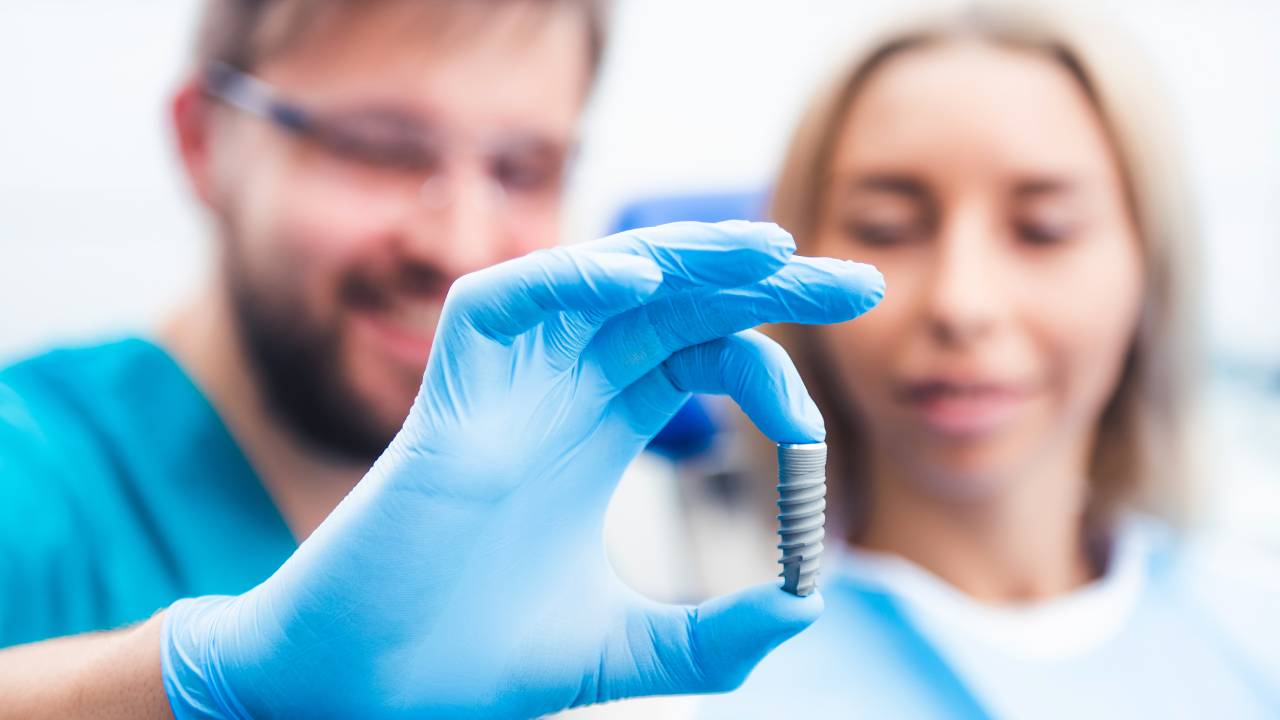
Veneers are not the right fix for everything, though. They do not replace missing teeth, and they cannot rescue a tooth that is badly decayed or cracked through. If you are missing teeth, Reimels Dentistry also offers single dental implants, full mouth dental implants, All-on-4, and implant supported bridges and dentures, placed with computer-guided implant surgery. That means a complete plan can address both the look and the function of your smile in one office. Ask to see examples of veneer results at your consultation so you can picture what veneers might realistically do for teeth like yours.
How Does the Porcelain Veneer Process Work?
If you’ve been nervous about what actually happens in the chair, it helps to see the whole process laid out. Most people complete treatment in two to three main visits over a few weeks.
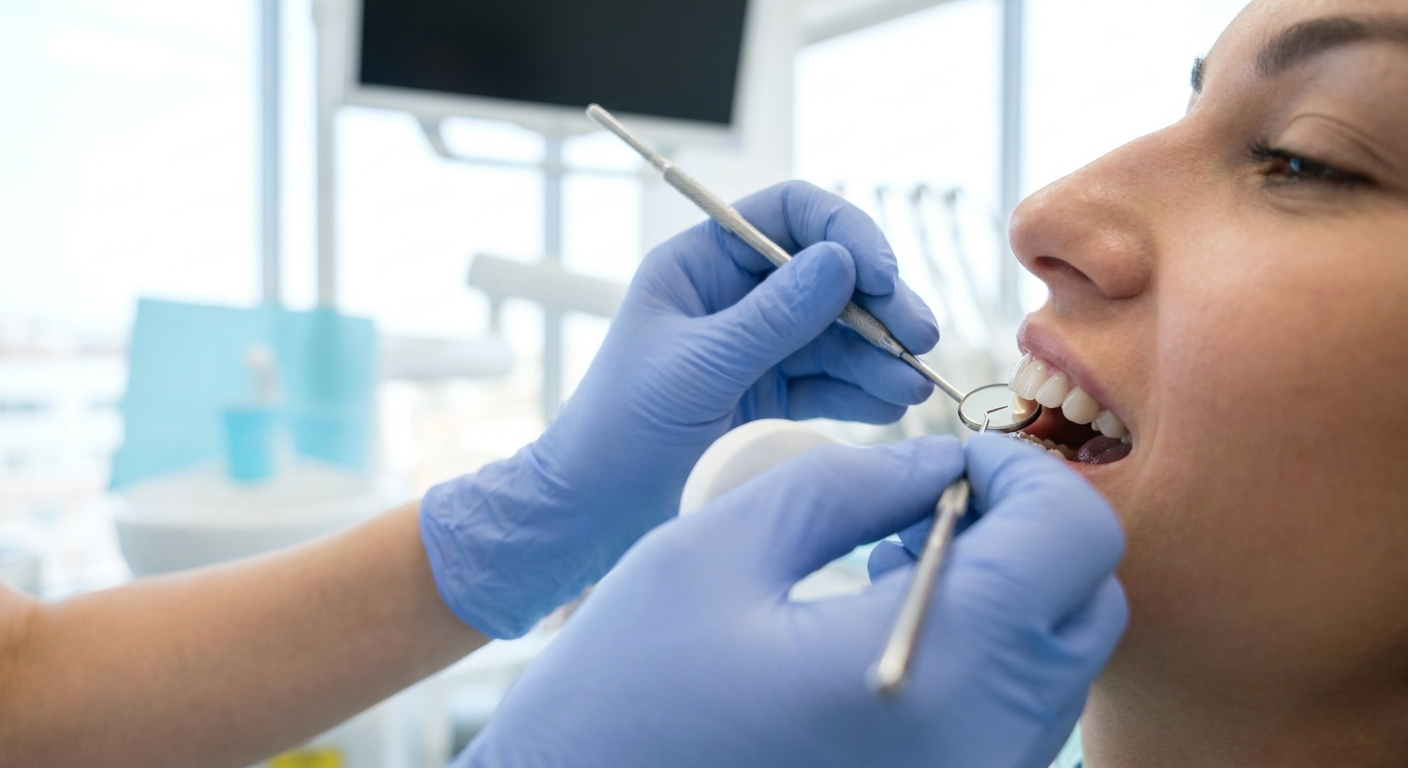
- Consultation and exam. The team examines your teeth and gums using digital imaging and an intraoral video camera, and talks with you about what bothers you about your smile. This is the time to share your goals, your worries, and your eating habits.
- Smile design. Your dentist plans the shape, length, and shade of each veneer. You can often preview the planned result before any tooth is changed.
- Tooth preparation. After numbing the area, the dentist removes a very thin layer of enamel from the front of each tooth, usually about half a millimeter, so the veneers sit naturally instead of looking bulky. Sedation dentistry is available if you feel anxious.
- Digital scan. An iTero scan captures a detailed 3D record of your prepared teeth and bite, so the dental lab works from precise information rather than messy impressions.
- Temporary veneers. You wear temporaries while the lab crafts your final porcelain, which usually takes two to three weeks.
- Bonding day. The dentist checks the fit and color, then bonds each veneer to your tooth with a strong resin cement and light-cures it in place.
- Bite check and follow-up. Once you have eaten normal meals for a while, a follow-up visit confirms that your bite feels even and comfortable.
What Disqualifies You for Veneers?
Some conditions may make veneers a less suitable choice, at least until they are treated. A careful exam will tell you where you stand, but these are the most common reasons a dentist may say “not yet” or suggest a different option:
- Active tooth decay or gum disease. These need treatment first, because veneers bonded over unhealthy teeth or gums can fail.
- Heavy, unmanaged grinding or clenching. Bruxism can crack porcelain, so it usually needs a plan, often a night guard, before veneers make sense.
- Too little healthy enamel. Veneers bond best to enamel. Teeth worn down very far may need a stronger restoration instead.
- Large fillings or weakened teeth. A tooth with very little natural structure left may do better with a full-coverage option.
- Significant crowding or bite problems. Severe misalignment often responds better to orthodontics first, sometimes followed by veneers.
- Poor daily oral hygiene. Veneers need consistent brushing, flossing, and checkups to last.
- Teeth that are still developing. Younger teens usually need to wait until their teeth and gums have matured.
Hearing “not yet” can feel discouraging, especially if you’ve finally worked up the courage to ask. In most cases, it simply means there is a first step to handle. Reimels Dentistry offers comprehensive dentistry in one location, including an on-site orthodontist practice, so that first step can usually happen in the same building with no referral needed.
How Do Porcelain Veneers Compare to Other Cosmetic Options?
Veneers are one of several ways to improve how your teeth look. The best option depends on your teeth, your goals, and your budget, and the general comparison below can help you go into your consultation with useful questions.
| Option | Best for | What to expect for cost | Typical lifespan | How much tooth is changed |
|---|---|---|---|---|
| Porcelain veneers | Stains, chips, gaps, uneven or worn front teeth | Significant investment per tooth | 10 to 15+ years | A thin layer of enamel on the front |
| Composite bonding or composite veneers | Small chips and gaps, lower budgets | Lower initial cost per tooth | 5 to 7 years | Little to none |
| Crowns | Badly damaged, cracked, or heavily filled teeth | Similar range to veneers | 10 to 15+ years | The tooth is reshaped on all sides |
| Invisalign | Crooked, crowded, or gapped teeth with healthy enamel | Full treatment investment | Lasting results with retainer wear | None |
Composite is the cheaper alternative most people ask about. It costs less up front, but it stains and chips more easily and usually needs replacing sooner, so the long-term cost can end up closer than it first appears. Crowns cover the whole tooth and make more sense when a tooth needs strength, not just a new look. If your teeth are healthy but crooked, Invisalign through the practice’s on-site orthodontic care may give you the change you want without altering any enamel at all.
Whichever option you lean toward, the eating question still matters, and the rest of this guide focuses on how porcelain behaves when you bite.
Will Veneers Force You to Eat Differently for the Rest of Your Life?
For many patients, the changes to eating habits are small and specific: how you bite into firm foods with your front teeth, and which non-food habits you give up for good.
The resin cement that holds porcelain to your enamel is strong enough for normal chewing, including firm foods in many cases. The weak point is the porcelain itself under the wrong kind of force. A strong sideways tearing motion, or biting down hard on an edge at an awkward angle, can chip or crack it.
Most veneer marketing skips this part, and that gap is where anxiety grows. You are making a significant investment in your smile, so it is reasonable to want to know, before you commit, how eating might change. At Reimels Dentistry, that conversation is part of Patient-Focused Care. The practice’s intraoral video camera lets you see the edges of your own front teeth on a screen, so you can understand where chips, wear, or uneven edges already exist and why certain biting habits caused them. Seeing your teeth up close makes the guidance in the rest of this article feel concrete instead of theoretical.
Why Does Porcelain Chip From a Tear but Not a Crunch?
Porcelain handles straight-down pressure very well, but it is more vulnerable to sideways, levering, and tearing forces. Those forces concentrate at the biting edge, where a veneer is thinnest.
Think about what your front teeth actually do when you bite into a whole apple. They sink into a large, firm, curved surface, and then, almost without thinking, you pull the apple away or twist it to break the piece free. That pull acts like a lever. It loads the thin biting edge of the veneer sideways, and porcelain is far less forgiving of sideways stress than of a straight squeeze. Your back teeth work differently. Molars and premolars are broad and upright and meet food with mostly vertical force, the kind porcelain tolerates best.
Fit matters as much as material. A veneer that meets the opposing teeth evenly spreads biting force across its surface, while a veneer with a small high spot takes a concentrated hit every time you close. Reimels Dentistry uses iTero digital scanning to give the lab accurate records, so your veneers can be shaped to fit your bite closely. This is part of what the practice means by High-Tech Smiles.
Your overall bite plays a role too. If your front teeth meet edge to edge, or crowding pushes one tooth forward, that tooth takes extra strain with or without porcelain. Because Reimels Dentistry has an on-site orthodontist practice and offers Invisalign, a bite problem can be discussed and planned for in the same building before veneers are placed, with no referral across town. Addressing alignment first can mean less stress on each veneer later.
Can I Bite Into an Apple With Veneers? You May Be Able To, If You Change How You Take the Bite
Many patients can eat apples with porcelain veneers. The safest method is to cut the apple into slices, take the first bite with your side and back teeth, and let your front teeth help only once the piece is smaller, closing straight down instead of tearing.
Here is the technique, step by step:
- Slice the apple into thin wedges. Thin slices remove the large, curved surface that tempts you to gnaw and pull.
- Place each slice toward the side of your mouth. Let your premolars and molars take the first bite, since they meet food with vertical force.
- Bring your front teeth in once pieces are small. Close straight down, the way you would bite a soft sandwich.
- Skip the twist and pull. Avoid breaking a piece free by yanking it away from your teeth.
- Chew on both sides. Spreading the work evenly keeps any single tooth from carrying the load meal after meal.
The same rule applies to other firm foods. Crusty bread, raw carrots, jerky, and whole pears all respond well to the slice-and-side approach. Cut corn off the cob and take meat off the bone first, because both normally require exactly the front-teeth tearing motion that stresses porcelain.
A short list of habits should stop entirely, because no technique makes them safe: chewing ice, biting hard candy, crunching unpopped popcorn kernels, chewing pens or fingernails, and using your teeth to open bags, packages, or bottle caps. These habits chip natural teeth too, and many people seeking veneers already have a chipped edge from one of them.
If a mishap happens anyway, do not wait it out. Reimels Dentistry offers same-day emergency appointments, so a cracked edge or sharp spot can be examined before a small problem grows.
Why Are the First Weeks With New Veneers the Riskiest?
The first couple of weeks carry more risk because your mouth is still learning a new shape, and you bite on autopilot using the habits you had before. Small bite issues can also surface only once you return to normal meals.
Consider why many people get veneers in the first place: worn, chipped, or uneven front teeth. Those teeth often got that way through biting habits, such as tearing food with the front teeth, clenching during stress, or nibbling on hard objects. The habits do not disappear on placement day. Your new veneers may feel smooth and slightly different, and while your brain recalibrates how hard and where to bite, those old patterns are most likely to do damage.
A bite check after placement is standard practice for good reason. Once you eat real meals, you may notice a tooth that touches first, mild soreness, or sensitivity when you close. A dentist can usually fix a high spot quickly by polishing it down slightly. If you leave it alone, that one spot absorbs extra force every time you chew, which raises the chance of a chip over time.
Pay attention during these weeks. Call Reimels Dentistry if one tooth hits before the others, your jaw feels sore when you close, you feel a rough or sharp edge with your tongue, or you hear a click. Be deliberate with food too, and use the slice-and-side technique faithfully until it becomes habit.
If dental visits make you tense, that matters here as well, because anxiety often keeps people from calling about small issues. You might worry that you’re bothering the team or that something has gone wrong. Neither is true, and a quick call is always welcome. Reimels Dentistry offers sedation dentistry for patients who need it, part of an approach built on advanced skills with a small-town touch and the goal of ultimate comfort at every visit.
If You Grind at Night, Your Veneers Face a Harder Test Than Any Apple
Grinding and clenching put repeated force on your teeth for hours while you sleep, far more strain than any meal. If you grind, plan on protection, usually a custom night guard, before or soon after your veneers are placed.
Teeth grinding, called bruxism, often happens during sleep, so many people have no idea they do it. MedlinePlus notes that it can lead to jaw pain, headaches, and damaged teeth. With porcelain in the picture, the stakes rise. An apple is one bite at a time with your full attention, while grinding is unconscious, sideways, and repetitive, which is exactly the kind of force porcelain handles least well.
Clues you may be grinding include waking with a sore jaw or a dull headache, teeth that look flat or worn at the edges, small chips you cannot explain, or a partner who hears grinding at night. During your exam, the team can look for wear patterns on your teeth using digital imaging and the intraoral video camera, which often reveals grinding you never noticed.
A night guard places a protective layer between your upper and lower teeth, so the grinding force lands on the guard instead of your veneers. For veneer patients who grind, it is a common recommendation, and your consultation is the right time to talk through protection rather than discovering the need after a chip.
One more connection is worth raising. If your grinding comes along with loud snoring or daytime fatigue, mention it. Reimels Dentistry also offers sleep apnea treatment and dental sleep solutions, and the team can talk through whether your symptoms deserve a closer look.
Healthy Teeth Underneath Keep Your Veneers Looking Natural
Porcelain does not decay, but the natural tooth underneath and around it still can, especially at the margin where veneer meets tooth. Regular exams and cleanings stay essential after veneers.
The National Institute of Dental and Craniofacial Research explains that tooth decay starts when bacteria in plaque turn sugars into acids that break down enamel. A veneer does not stop that process along its edges. Decay that starts at a margin and goes unnoticed can work its way under the veneer, and by the time it hurts, the fix may mean replacing the veneer or more involved treatment. This is the honest answer to the worry about teeth “rotting” under veneers: it is preventable with routine care, and it is more likely when checkups lapse.
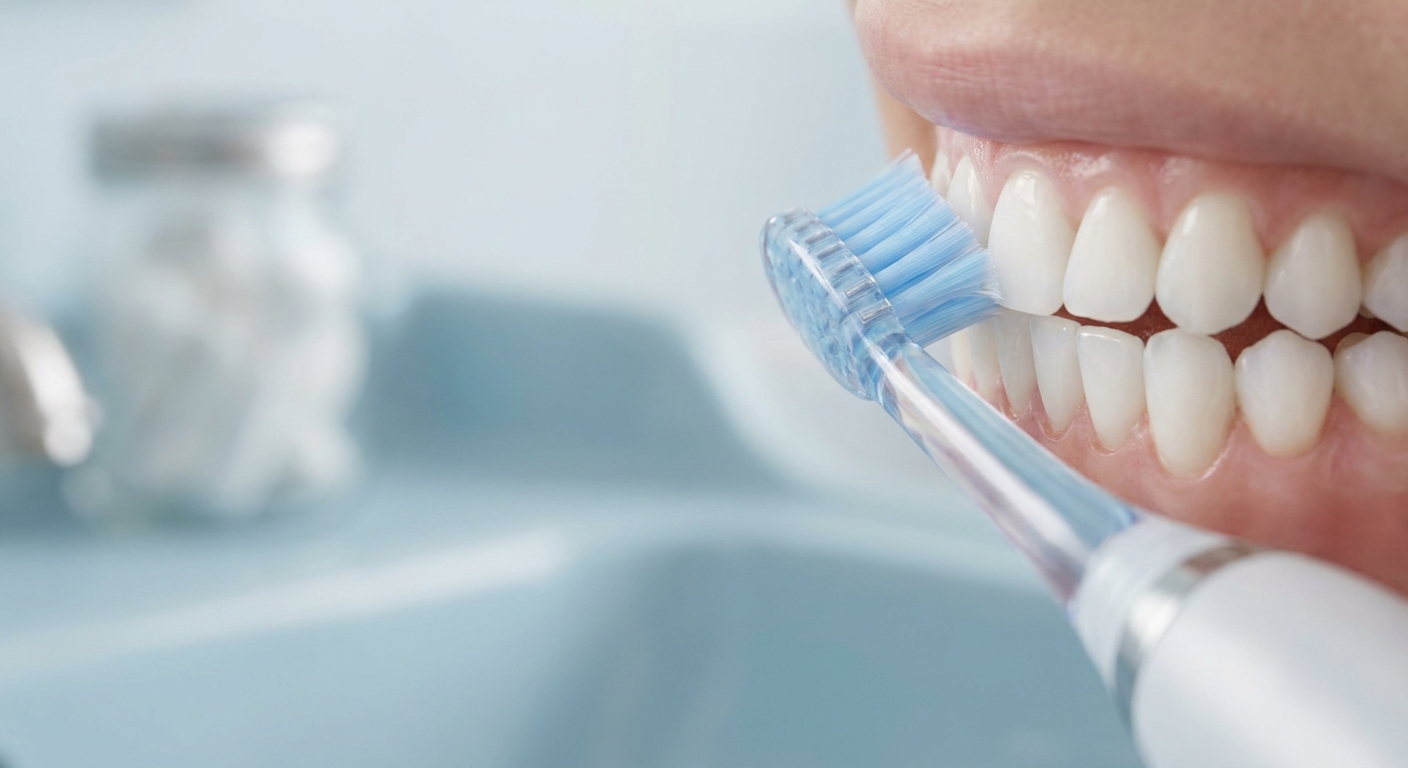
Daily care looks familiar. Brush twice a day with a fluoride toothpaste and a soft brush, and floss carefully along the gumline where veneers meet your teeth. Ask which toothpaste suits porcelain, since highly abrasive products can dull the surface over time. Most people keep a six-month schedule for exams and cleanings, though your dentist may suggest a different interval based on your gum health and history.
Keeping everything under one roof makes this easier. Reimels Dentistry handles preventive care, exams, cleanings, and cosmetic dentistry in one location, and multiple Fellows of the Academy of General Dentistry on staff bring 600+ hours of continuing education to that care. The team that placed your veneers is the same team watching their margins year after year, with no referrals between offices. If you are still comparing options, start with the practice’s overview of porcelain veneers in Huntersville.
Common Veneer Questions
These are the practical questions people raise once they know veneers might be able to handle an apple, along with a few that come up at nearly every consultation.
Can I bite into an apple with veneers right after they are placed?
In many cases you can, but the first couple of weeks are when you should be most careful. Slice the apple, bite with your side teeth, and close straight down with your front teeth only on small pieces while your mouth adjusts to the new shape.
How long do porcelain veneers last?
With good care, porcelain veneers commonly last 10 to 15 years, though individual experiences vary. Grinding without protection, biting hard objects, and skipped checkups are the most common reasons they need replacing sooner.
Do porcelain veneers stain?
Porcelain resists staining much better than natural enamel or composite material. The edges where the veneer meets your tooth can still pick up stain over time, which is one more reason regular cleanings matter.
Does getting veneers hurt?
Most people describe the process as easier than they expected. The teeth are numbed during preparation, and some people notice mild sensitivity for a few days afterward. If you feel anxious about dental work, ask about sedation dentistry at Reimels Dentistry so you can stay comfortable throughout.
Are veneers reversible?
Porcelain veneers are generally considered permanent, because a thin layer of enamel is removed to make room for them. If a veneer ever wears out or breaks, it is replaced with a new one rather than removed and left bare.
What happens if I accidentally bite into something hard with my veneers?
A single hard bite may chip the porcelain right away or leave a small crack that causes trouble later. If you hear a crack, feel a sharp edge, or notice a veneer feels loose, call Reimels Dentistry for a same-day emergency appointment rather than waiting to see what happens.
Can I eat corn on the cob or ribs with porcelain veneers?
In many cases, you can with a small change. Cut corn off the cob and take meat off the bone before eating. Both foods normally require a front-teeth tearing motion, which stresses veneers at their thinnest point.
Do veneers feel different when biting compared to natural teeth?
Many people notice that new veneers feel smooth and slightly different at first. That usually fades within days to a couple of weeks as your mouth adapts. If something still feels off after that, or one tooth hits first, schedule a bite check.
Will my veneers break if I don’t wear a night guard?
Not necessarily right away, but untreated grinding puts repeated sideways force on porcelain night after night, which raises the risk of chips and cracks over time. If you grind or clench, ask about protection at your consultation.
How do I know if I’m biting wrong with my new veneers?
Soreness, sensitivity when you close, a clicking feeling, or one tooth touching before the others all signal a bite issue. These are usually quick to adjust, and catching them early keeps one spot from absorbing extra force every time you chew.
Can veneers be repaired if they chip from biting an apple?
It depends on the damage. A dentist may be able to smooth or repair a very small chip, while a larger fracture usually means replacing the veneer. Using the slice-and-side technique, especially in the early weeks, is the simplest way to avoid that repair.
Bring Your Apple Question to Your Consultation
If you’ve been putting this off for years, you are not alone, and you don’t need to feel embarrassed walking in. The right time to ask how you will eat with veneers is before treatment, when your bite, grinding habits, and the edges of your teeth can shape the plan. A good consultation answers “Can I bite into an apple with veneers?” for your mouth specifically, not in general terms.
Reimels Dentistry is in Huntersville, NC, and serves patients from Huntersville, Charlotte, and Cornelius. You can expect to be treated like a member of our family, with time to ask every question, including the ones you might feel silly saying out loud. The team’s goal is exceptional dental care and exceeding your expectations, from your first visit to your final bite check.
One thing to do before you go: for the next few days, notice how you bite into firm foods. If you catch yourself tearing with your front teeth, mention it at your visit. That one detail tells the team more about how to protect your new smile than almost anything else.
Ready to Protect Your Smile Investment?
If you’ve been wondering whether your veneers can handle everyday foods like apples, you deserve clear answers based on your specific situation. Our team at Reimels Dentistry understands that veneers are an investment in both appearance and function, and we’re here to help you care for them properly. We’d be happy to discuss your concerns and provide personalized guidance during a consultation at our Huntersville office.
Individual results, treatment needs, costs, insurance coverage, and financing approval vary. This article is for general education and does not replace an in-person dental exam.