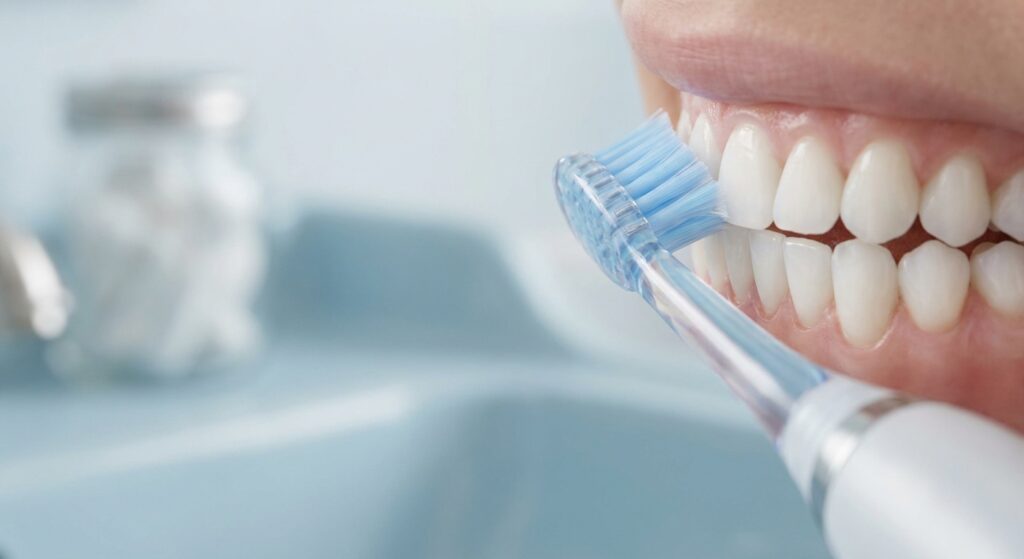
You’ve spent time and money on a smile you’re proud to show. Now a different question comes up: what daily routine actually helps keep veneers bright, bonding smooth, and whitening results from fading? So, what is the 2-2-2 rule for teeth? It means brushing twice a day, for two minutes each time, and seeing your dentist twice a year. Most people learned some version of it as kids. After cosmetic dentistry, that simple rhythm may matter more than it did before. The team at Reimels Dentistry in Huntersville, NC, which includes multiple Fellows of the Academy of General Dentistry, sees it as the everyday habit that can help protect the work you’ve invested in.
What Is Cosmetic Dentistry, and Where Does the 2-2-2 Rule Fit In?
Cosmetic dentistry is dental care focused on how your smile looks: its color, shape, alignment, and completeness. It also supports how your teeth work. It can be as focused as a few porcelain veneers on your front teeth or as complete as a full smile makeover that combines several treatments. The goal is a beautiful, natural smile that fits your face and doesn’t look “done.”
Many people who come in for cosmetic work have been unhappy with their smile for years. They may cover their mouth in photos or avoid laughing in conversation. If that sounds familiar, you’re not alone, and putting it off doesn’t make you a bad patient. It makes you human.
Cosmetic dentistry and the 2-2-2 rule are closely linked. Cosmetic treatment creates the smile you want, and daily brushing plus twice-yearly visits can help keep it looking that way. The rest of this guide covers both: what cosmetic treatment can do, and how to protect the results.
What Cosmetic Dentistry Services Are Available at Reimels Dentistry?
Reimels Dentistry offers cosmetic, restorative, preventive, and orthodontic care in one Huntersville office, including an on-site orthodontist practice, so you don’t need referrals to other offices. Cosmetic and smile-restoring services include:
- Porcelain veneers: thin, custom shells bonded to the front of teeth to change their color, shape, or size
- Full smile makeovers: a custom plan that combines treatments to transform your whole smile
- Invisalign orthodontics: clear aligners that straighten teeth without metal braces, supported by the on-site orthodontist practice
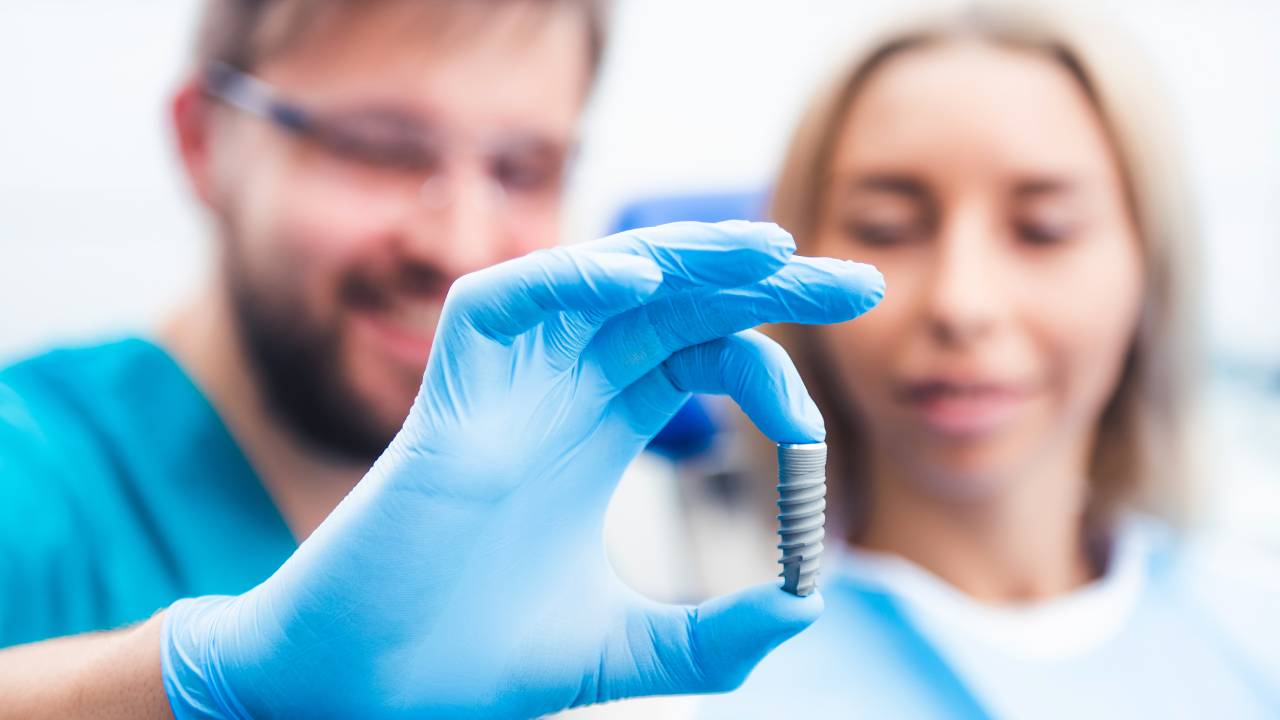
- Single dental implants: a natural-looking replacement for one missing tooth
- Full mouth dental implants and All-on-4 dental implants: fixed replacement teeth for people missing most or all of their teeth
- Same-day dental implants: for qualifying patients, a faster path to a complete smile
- Implant-supported bridges and dentures: stable options that don’t slip when you talk or eat
- Computer-guided implant surgery: digital planning, supported by CBCT scans, that helps place implants precisely and predictably
- Bone grafting: to rebuild support where bone has been lost, when needed before implants
- Sedation dentistry: for patients who feel anxious about treatment
What Issues Can Cosmetic Dentistry Address?
Depending on your goals and your dental health, cosmetic treatment may help with:
- Stained or discolored teeth that don’t respond to whitening
- Chipped, cracked, or worn-down teeth
- Gaps between teeth
- Crooked or crowded teeth
- Teeth that are uneven, misshapen, or too small
- One or more missing teeth
- Loose or uncomfortable dentures
- A smile that looks older than you feel
What Are the Benefits of Cosmetic Dentistry?
For many patients, the change goes well beyond appearance. Benefits one patient experienced may include:
- More confidence: smiling in photos, at work, and in conversation without second-guessing
- A natural look: modern materials are designed to match the color and shine of real teeth
- Better function: replacing missing teeth can make chewing and speaking easier
- Easier cleaning: straighter teeth and well-fitted restorations can be simpler to keep clean
- Long-lasting results: with good home care and regular checkups, quality cosmetic work may serve you for years
That last benefit depends heavily on the 2-2-2 rule, which is why the rest of this guide focuses on it.
What Is the 2-2-2 Rule for Teeth, and Why Does It Matter More After Cosmetic Work?
The 2-2-2 rule has three parts: brush twice a day, brush for two minutes each time, and see your dentist twice a year. It may matter more after cosmetic work because porcelain, composite resin, and natural enamel each react differently to the same cleaning mistakes.
The first two numbers come straight from mainstream guidance. The American Dental Association’s home oral care recommendations advise brushing twice a day for two minutes with a fluoride toothpaste and cleaning between your teeth every day. The third number, two visits a year, is a common starting point. Your dentist may suggest a different schedule based on your gum health, your history of decay, or the type of restorations you have.
Before cosmetic treatment, your smile was mostly one material: natural enamel. Afterward, it may be several. Porcelain veneers are hard and resist stains, but gritty products can scratch their glossy surface, and the natural tooth they’re bonded to can still decay or stain at the edges. Composite resin, the tooth-colored material used in bonding, is softer than porcelain, so it may pick up stains and lose its shine more easily. Whitened enamel is still enamel, so coffee, tea, and red wine can slowly darken it again.
Picture a common situation. You had porcelain veneers placed on your front teeth and whitened the rest. You now have two surfaces side by side that need the same rhythm but slightly different care. Whitening doesn’t change the color of porcelain or composite, so if your natural teeth start to darken, the contrast with the veneers may show quickly. The 2-2-2 rule is how you can help keep everything matching.
Why Do Two Minutes, Twice a Day, Matter So Much for Veneers and Whitening?
Two minutes, twice a day, is roughly the time it takes to clean every surface of every tooth, including the edges where cosmetic work meets your natural tooth. Plaque left behind can stain composite bonding, dull whitening results, and may allow decay and gum irritation to start at the edges of veneers.
Plaque is a sticky film of bacteria that builds up on teeth all day. The National Institute of Dental and Craniofacial Research explains that removing it through daily brushing and flossing helps prevent tooth decay and gum disease. Porcelain itself can’t get a cavity, but the tooth underneath it can. A veneer covers the front of a tooth, and the edge where porcelain meets natural tooth, called the margin, is a real seam. If plaque sits there day after day, the seam can stain, the nearby gum can become inflamed, and decay may start in the natural tooth where you can’t see it.
Two minutes feels longer than you’d expect, and many people stop well short of it. An easy fix is to split your mouth into four sections and give each one about 30 seconds. Many electric toothbrushes have a built-in timer that does this for you. Angle the bristles toward the gumline, because that’s where veneer and bonding margins sit and where plaque likes to gather.
The nighttime session matters most. Your mouth makes less saliva while you sleep, and saliva helps rinse away food and bacteria, so plaque left behind at bedtime has hours to settle in.
Because it’s hard to judge your own brushing in a bathroom mirror, Reimels Dentistry uses an intraoral video camera, a small camera that shows close-up images of your teeth on a screen. Seeing your own teeth that closely, including the edges of your cosmetic work, makes it much easier to spot the areas your brush keeps missing.
Your Toothbrush Cannot Reach What a Twice-Yearly Visit Does
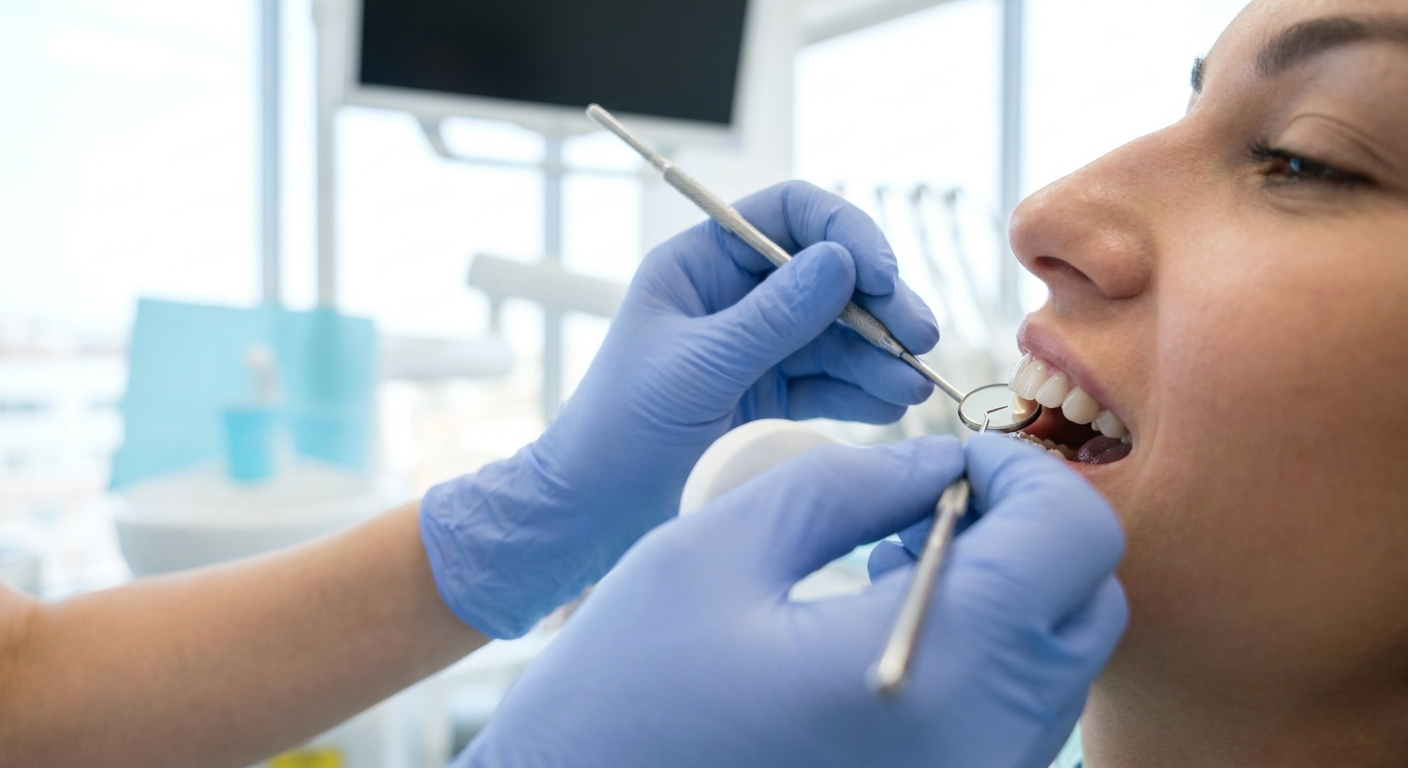
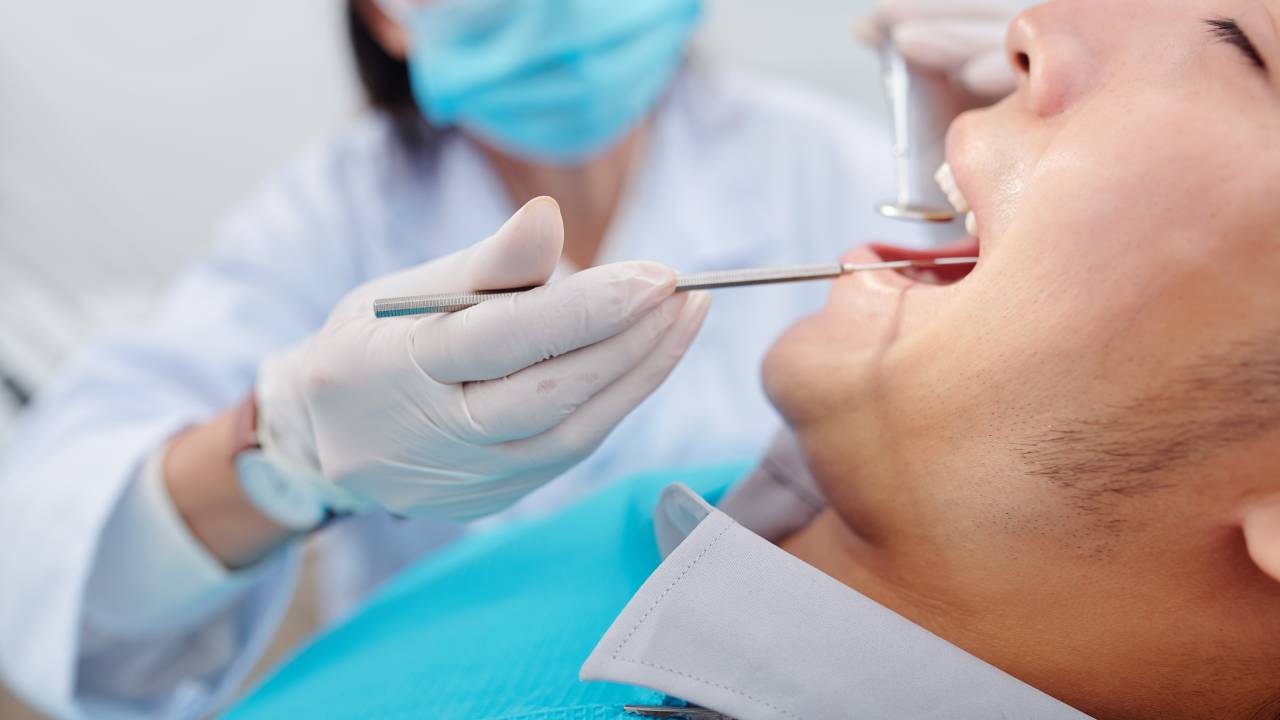
Brushing handles the daily work, but some things only a dental team can do. Twice-yearly visits take care of hardened tartar, the hard-to-reach margins where restorations meet your gums, and small chips or wear you’d never notice in a mirror. They are the second half of the rule, not an optional extra.
Once plaque hardens into tartar, a toothbrush can’t remove it. Only a professional cleaning can. Tartar tends to build up along the gumline and between teeth, which is exactly where cosmetic margins sit. During a cleaning, your hygienist can reach the back of your front teeth, the line where a restoration meets your gum tissue, and the tight spaces between neighboring teeth.
Polishing is part of the visit too, and with cosmetic work, the polishing material makes a difference. A coarse paste that’s fine on natural enamel can dull the high-gloss finish of porcelain or composite. That’s one reason it helps to have your cleanings done by a team that knows which materials are in your mouth.
The exam is where small problems can be caught while they’re still small. Your dentist looks for chipped edges, early staining at margins, changes in your bite, and gum recession that could expose the edge of a veneer. Reimels Dentistry uses digital imaging, the intraoral video camera, and iTero scanning in its Huntersville office, with CBCT scans available when a 3D view of bone and roots is needed. An iTero scan creates a detailed 3D digital model of your teeth, and comparing records from visit to visit can reveal changes that are hard to spot by eye alone.
If it’s been a while since your last checkup, you might be dreading the visit. Maybe you’re worried about being judged for the delay, or about the appointment being uncomfortable. Those feelings are common, and they shouldn’t keep you from coming in. At Reimels Dentistry, patient-focused care means you’re treated like a member of our family, not lectured. Sedation dentistry is available if anxiety makes appointments hard. And if something chips between visits, same-day emergency appointments are available, so you don’t have to wait six months.
How Should You Brush After Veneers, Bonding, or Whitening?
Use a soft-bristle brush, a non-abrasive fluoride toothpaste, and gentle pressure, then clean between your teeth once a day. Small adjustments based on the work you had can make a real difference, because whitened enamel, porcelain, and composite resin each wear differently.
Start with your tools. A soft brush cleans just as well as a firm one and is much kinder to your gums and to polished surfaces. Hard scrubbing doesn’t remove more plaque; it mostly wears down gums and scratches finishes. Replace your brush every three to four months, or sooner if the bristles fray.
Be careful with toothpaste too. Some whitening pastes and charcoal products clean by being gritty, and that grit can leave tiny scratches in porcelain and composite. Those scratches then trap stains and make cosmetic work look dull, so a non-abrasive fluoride paste is the safer choice.
If you have porcelain veneers, brush along the gumline at an angle and floss gently down along each side of the tooth, so you clean the margin without catching the edge. Veneers are strong but can chip, so avoid chewing ice, biting your nails, or opening packages with your teeth. If you clench or grind at night, tell your dentist, since that pressure is a common cause of chipped porcelain.
If you have composite bonding, keep in mind that resin may stain more easily than porcelain. When you can’t brush right away, rinse with water after coffee, tea, red wine, or dark sauces. Tobacco is especially hard on bonded surfaces.
If you’ve had teeth whitening, many dentists suggest limiting dark drinks and foods for a day or two afterward, while enamel may be more likely to pick up stains. If your teeth feel sensitive, a sensitivity toothpaste can help. Talk with your dentist before any future touch-ups, since whitening won’t change the color of existing veneers or bonding.
If you’re wearing Invisalign aligners, brush before putting your trays back in. Otherwise, food and plaque stay pressed against your teeth for hours.
What you eat matters too. Harvard’s Nutrition Source notes that sugar feeds the mouth bacteria that cause tooth decay. Sipping a sweet drink all afternoon keeps those bacteria fed, which puts extra stress on the natural tooth at the edges of your cosmetic work. Before you leave after any cosmetic procedure, ask your Reimels dentist which products and techniques fit the work you had done.
Your Habits Have More Say in How Long Cosmetic Work Lasts Than You Might Think
Cosmetic materials can’t decay, but the natural teeth under and around them can. That’s why daily home care and regular checkups may play a role in how long veneers, bonding, and whitening results last, along with the quality of the original work.
It’s easy to assume that once cosmetic work is done, the hard part is over. In reality, cosmetic dentistry depends on healthy teeth and gums. A veneer is only as stable as the tooth it’s bonded to, and a bonded edge only looks seamless as long as the gum next to it stays healthy. If gum tissue pulls back over time, a margin that was once hidden can start to show.
The problems that tend to shorten the life of cosmetic work fall into a few groups: chips or cracks, often caused by grinding or biting hard objects; staining along the edges; decay in the natural tooth at a margin; and gum recession. Daily brushing and flossing may help prevent several of these, and regular exams can help catch the rest early, when treatment is often simpler.
Consider a faint stain line at the edge of a veneer. Found at a routine checkup, it may only need monitoring or a simple polish. If it goes unnoticed for a few years and turns out to be decay underneath, the veneer may need to be replaced. Same tooth, same veneer, very different outcome, all depending on timing.
No habit can guarantee how long cosmetic work will last. Results vary with the material, your bite, your gum health, and your history. What the 2-2-2 rule does is put more of the outcome in your hands. It’s the simplest way to help protect a beautiful, natural smile you’ve already invested in.
Why Choose Reimels Dentistry for Cosmetic Dentistry in Huntersville?
The twice-yearly part of the rule works best with a dentist who knows exactly which cosmetic materials are in your mouth and how they were placed. At Reimels Dentistry, preventive, cosmetic, orthodontic, and implant care all happen in one Huntersville office, so the team checking your veneers can be the same team that planned them. You won’t be sent across town to a separate specialist or asked to repeat your story at a new office.
That continuity matters. When you switch between offices, important details can get lost. A new hygienist may not know which teeth are porcelain, which are composite, or which were whitened, and may not have your earlier iTero scans or digital images to compare against. Keeping your checkups with the practice that did your cosmetic work means each visit builds on the last one, with the same records, the same imaging, and the same people.
The team includes multiple Fellows of the Academy of General Dentistry, a distinction that reflects more than 600 hours of continuing education. For patients replacing missing teeth, computer-guided implant surgery adds a level of precision and predictability that helps take the guesswork out of treatment. That’s what advanced skills with a small-town touch look like in practice: High-Tech Smiles care, delivered by a team that remembers you and works toward exceeding your expectations. If you’re still exploring options, you can learn more about non-surgical cosmetic dentistry at Reimels.
Cost shouldn’t be what keeps you from a healthier smile or from coming in twice a year. Reimels Dentistry accepts BCBS GRID+. For larger cosmetic or implant treatment, financing is available through CareCredit, Cherry, Sunbit, LendingClub, and Proceed Finance, so you can spread the cost over time. The office team can walk you through pricing for your specific plan before any treatment begins, so there are no surprises. Reimels Dentistry serves patients in Huntersville, Charlotte, and Cornelius.
How Do I Get Started With Cosmetic Dentistry?
Start by scheduling a consultation at Reimels Dentistry in Huntersville, where your dentist will examine your teeth, listen to your goals, and explain your options and costs. There’s no commitment to begin treatment at that first visit.
During the consultation, the team uses digital imaging and the intraoral video camera, plus CBCT or iTero scans when needed, to get a clear picture of your teeth, gums, and bite. You’ll talk about what bothers you about your smile, what result you’re hoping for, and any worries you have about pain or the procedure itself. If anxiety is a concern, ask about sedation options for ultimate comfort. From there, your dentist will recommend a plan, explain what each step involves, and review your BCBS GRID+ coverage or financing choices so you can decide at your own pace.
If you’ve been putting this off for years, the first visit is usually the hardest part. Once it’s behind you, you’ll have real answers instead of worries.
Quick Answers to Common Questions About the 2-2-2 Rule
Here are short answers to the questions people most often ask about the 2-2-2 rule and cosmetic dentistry.
What is the 2-2-2 rule for teeth?
Brush twice a day, for two minutes each time, and see your dentist twice a year. The same routine may help protect both your natural teeth and any cosmetic dentistry you’ve had done.
Does the 2-2-2 rule apply to veneers and bonding?
Yes, and it may be even more important. Cosmetic materials call for a gentler brushing technique and regular professional care to help prevent scratches, staining, and decay at the margins.
What happens if I skip the twice-yearly dental visits after cosmetic dentistry?
Early problems like small chips, staining at the edges, or gum recession around restorations can go unnoticed. Left untreated, they may shorten the life of veneers, bonding, or other restorations.
Can I use any toothpaste after getting veneers or bonding?
It’s best not to. Gritty whitening and charcoal toothpastes can scratch porcelain and composite. A non-abrasive fluoride toothpaste cleans well without dulling the polished surface.
How does Reimels Dentistry help patients follow the 2-2-2 rule?
Through preventive exams and cleanings, an intraoral video camera that shows you your own teeth up close, digital imaging and iTero scans that create a record of your cosmetic work, same-day emergency appointments if something chips between visits, and care guidance matched to the treatment you had.
Does the 2-2-2 rule extend the life of cosmetic dentistry?
It may help. Consistent home care and regular checkups can help protect the natural teeth and gums that cosmetic work depends on. How long any restoration lasts still varies from person to person.
Schedule your next preventive visit or cosmetic consultation at Reimels Dentistry in Huntersville to help protect your results and keep your smile looking new. Before your appointment, pay attention to any spot where your floss catches or shreds at the edge of a veneer or bonded tooth. That small detail is exactly what your dentist will want to see, often up close on the intraoral camera screen with you.
Keep Your Smile Healthy with Simple, Consistent Care
If brushing twice a day for two minutes and flossing once feels manageable but you’re still wondering whether your routine is truly protecting your teeth, a conversation with our team can give you clarity. At Reimels Dentistry, we help Huntersville families turn good intentions into lasting oral health. Give us a call and let’s make sure your daily habits are working as hard as you are.
Individual outcomes vary based on many factors including oral health, care habits, and the specific treatment received. This article is for general education and does not replace a personal dental exam.