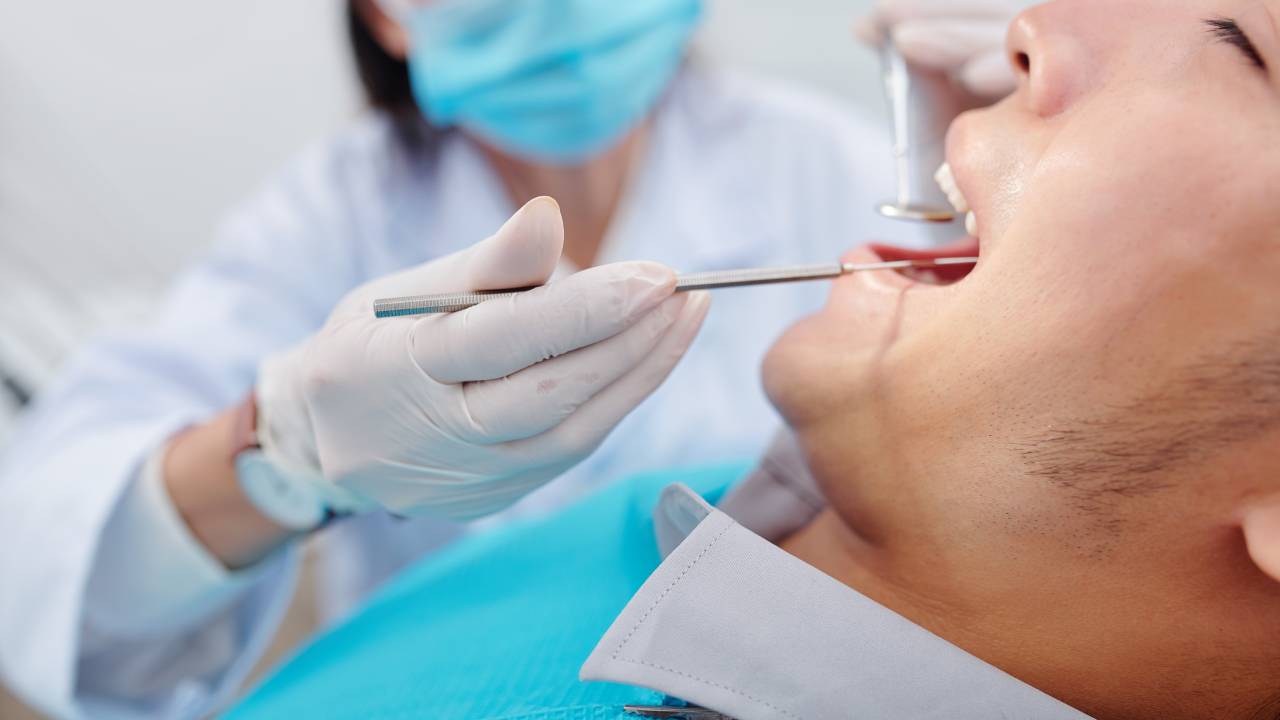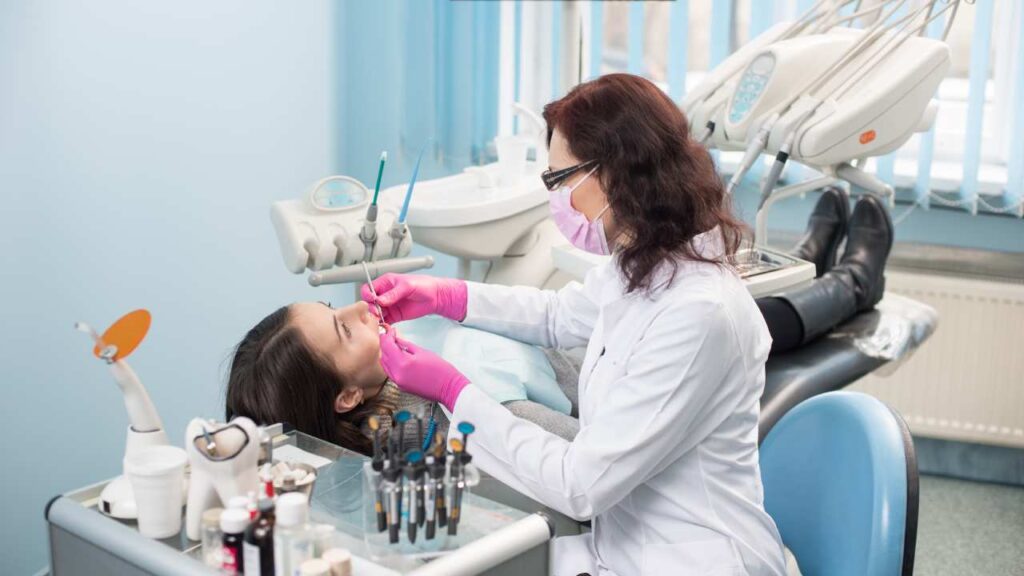
Restorative dentistry helps you repair, replace, and preserve teeth that are damaged, decayed, or missing. When you search for a restorative dentist near me, you want expert care that restores your oral health, chewing function, and confidence. From simple fillings and crowns to complex bridges and dental implants, modern dental restorations combine function and comfort with an esthetic finish.
In this guide, you’ll learn what restorative dentistry covers, how to identify your treatment needs, where to find qualified providers, and what to expect at each step of your journey. Use these insights to find the best restorative dentist near me and enjoy a healthy, complete smile.
Understand restorative dentistry
Restorative dentistry focuses on repairing or replacing teeth to improve oral health, chewing ability, and long-term function. Unlike cosmetic dentistry, which aims primarily to enhance appearance, restorative treatments address underlying issues such as decay, infection, and tooth loss [1].
Common restorative procedures include:
- Fillings and inlays/onlays to repair cavities or moderate damage
- Crowns to cover weakened or fractured teeth
- Bridges to replace one or more missing teeth
- Implants to restore tooth roots and support crowns or dentures
- Dentures, either removable or implant-supported, for multiple missing teeth
By choosing the right combination of these services, you’ll protect your remaining teeth, maintain jawbone integrity, and enjoy a comfortable bite.
Identify your dental needs
Before you choose a practice, determine which procedures match your oral health goals.
Repair damaged teeth
If decay or trauma has left you with cavities, cracks, or broken fillings, restorative care will stop further damage and relieve pain. Your options may include:
- Composite or amalgam fillings placed by a tooth filling and repair dentist
- Inlays or onlays for moderate cavities
- Porcelain crowns to restore strength and shape [2]
- Root canal therapy followed by a protective crown [3]
These procedures often require one or two visits and offer long-lasting results when combined with good oral hygiene.
Replace missing teeth
Missing teeth affect chewing, speech, and bone health. Common replacement options include:
| Treatment | Purpose | Visits & timeline | Advantages | Considerations |
|---|---|---|---|---|
| Dental bridge | Span a gap using adjacent teeth as anchors | 2–3 visits over 2 weeks | Faster, cost-effective | Alters healthy teeth |
| Dental implant | Replace tooth root with titanium post and crown | 3–9 months (healing) | Preserves bone, highly durable | Higher cost, longer treatment |
| Denture | Replace multiple teeth with removable appliance | 2–4 visits | Affordable, non-invasive | May slip, periodic adjustments |
- Dental bridges are available through practices offering dental bridge replacement nc
- Implants and implant-supported restorations at implant restoration dentist huntersville
- Custom dentures with precise fit from custom denture service huntersville
Compare these options based on cost, timeline, and long-term benefits.
Choose the right dentist
Finding a provider with the right expertise and technology ensures predictable results and a positive experience.
Check credentials and specialties
Restorative work can involve multiple specialists. Look for practices that include or partner with:
- General dentists, often called family dentists, who perform routine restorations and crowns
- Endodontists for complex root canal treatments [4]
- Prosthodontists for advanced crown, bridge, and implant restorations [4]
- Oral and maxillofacial surgeons for implant placement and surgical extractions [4]
Verify that your dentist is licensed, maintains continuing education, and holds memberships in professional organizations.
Evaluate technology and processes
Modern practices use digital imaging, intraoral scanners, and in-house labs to design and mill restorations with precision. This reduces delays, ensures better fit, and often eliminates messy impressions.
Read patient reviews
Patient feedback on platforms like Google or Yelp gives insight into chairside manner, office environment, and treatment outcomes. Look for consistently high ratings in restorative procedures.
Consider practices branded as restorative dental solutions nc or restore damaged teeth clinic that highlight comprehensive services.
Evaluate cost and coverage
Restorative treatments can vary widely in price. Plan for both immediate and long-term expenses.
Insurance and savings plans
Most dental insurance covers preventive care and a portion of restorative services. To maximize benefits:
- Confirm coverage for fillings, crowns, bridges, and implants
- Ask about waiting periods, annual limits, and co-pays
- Explore dental savings plans that offer average savings of 50% with no waiting periods or annual caps [5]
You can also compare providers under insurance covered restorations.
Payment options
Many practices offer:
- In-office financing or payment plans
- Third-party lenders with low or no interest
- Bundled treatment discounts for full-mouth restorative dentistry
Discuss cost estimates upfront to avoid surprises.
Plan your treatment journey
Knowing what to expect reduces stress and helps you prepare.
Initial consultation
Your first visit typically includes:
- A comprehensive exam with digital X-rays or 3D scans
- Review of your medical and dental history
- Discussion of treatment goals and best options
- Written estimate and timeline
Use this appointment to ask questions about materials, warranty, and aftercare.
Treatment timeline
- Fillings and simple crowns: usually completed in one or two visits
- Bridges and dentures: 2–4 visits over a few weeks
- Implants: surgical placement, healing period, then final crown in 3–9 months
Your dentist will map out each phase so you can plan time off work or arrange transportation if needed.
Maintain your restored smile
Proper care extends the life of your restorations and keeps your overall oral health on track.
Practice good oral hygiene
- Brush twice daily with a soft-bristle brush
- Floss daily, including beneath bridges and around implants
- Use an antimicrobial mouthwash to reduce plaque buildup
Schedule regular checkups
Visit your dentist every six months for exams and cleanings. If you have implants or complex restorations, more frequent visits may be recommended. A restorative care family dentist can monitor your restorations and address issues like wear or loosening before they become major problems.
By following these steps—understanding restorative dentistry, identifying your needs, choosing a skilled provider, planning finances, and maintaining care—you can confidently find the best restorative dentist near me and enjoy a healthy, vibrant smile for years to come.