A TMJ oral appliance is a custom-fitted device, usually made of hard acrylic, that you wear over your upper or lower teeth to reduce clenching and grinding forces and ease strain on the jaw joints and chewing muscles. Most people wear one at night. For many adults with jaw pain, clicking, morning headaches, or worn teeth, a well-made appliance is one of the more conservative, reversible options to discuss with a dentist. It works best when it is fitted, checked, and adjusted over time rather than handed over once. If you live in Huntersville, Charlotte, or Cornelius and are weighing this option, this guide covers what these appliances do, the main types, what wearing one feels like, and how the process fits into broader dental care at Reimels Dentistry.
What TMJ and TMD actually mean
The temporomandibular joints connect your lower jaw to your skull, one on each side of your face just in front of the ears. They let your mouth open, close, and slide side to side when you talk, chew, and yawn. People often say “TMJ” when they mean a jaw problem, but the joint itself is TMJ. The conditions that cause pain and limited movement in the joint and the muscles around it are called temporomandibular disorders, or TMD.
The National Institute of Dental and Craniofacial Research describes TMD as a group of conditions that cause pain and dysfunction in the jaw joint and the muscles that control jaw movement. That is a useful way to think about it. TMD is not one single problem with one single fix. Two people with similar jaw pain can have very different underlying causes.
How jaw problems show up in daily life
Discomfort from TMD can change ordinary routines. Some people start avoiding crunchy vegetables, tough meats, or chewy bread because a hard bite triggers a flare. Over time that can narrow your diet and take some of the pleasure out of meals. Pain can also creep in during long conversations or a wide yawn, which makes social situations less comfortable.
Common complaints include:
- Aching in the jaw muscles, especially on waking
- Clicking, popping, or grating sounds when you open or close your mouth
- Difficulty chewing or a sense that your bite feels “off”
- Pain near or in the ears, sometimes mistaken for an earache
- Tight muscles in the neck and shoulders
- Tension headaches, often at the temples
When clenching or grinding strains the muscles of the face and scalp, headaches are a frequent result. Grinding can also leave visible wear on the enamel, which a dentist may notice before you notice any pain.
Common contributing factors
Figuring out what drives jaw trouble can take some detective work. Factors that often play a role include:
- Bruxism. Chronic clenching or grinding, during the day, at night, or both.
- Bite alignment. An uneven bite can increase pressure on the joints and muscles as they work to compensate.
- Stress and anxiety. Many people clench without realizing it when they are tense.
- Sleep-related issues. Certain sleep disorders are associated with nighttime grinding.
- Injury or arthritis. Trauma to the jaw or arthritis in the joint can add to the problem.
Your jaw structure, tooth alignment, stress level, and overall oral health are your own. That is why an appliance is something to decide on after an exam, not something to pick off a shelf based on symptoms alone.
How a TMJ oral appliance works
An oral appliance sits between your upper and lower teeth so they no longer grind directly against each other. That buffer does a few useful things at once:
- It spreads biting force more evenly so no single tooth or muscle group takes the brunt of clenching.
- It protects enamel, fillings, and other dental work from grinding wear.
- It can encourage the jaw muscles to relax by changing how the teeth meet.
- Some designs guide the lower jaw into a slightly different position to take pressure off the joint.
Properly made appliances are typically built from durable acrylic and shaped to the contours of your teeth so they stay put with minimal movement. That precise fit matters. A loose or poorly balanced appliance can create new pressure points instead of relieving old ones.
Occlusal appliances have been studied and debated for a long time, and professional guidance continues to evolve. A published set of recommendations on the use of oral orthotic occlusal appliance therapy addresses how and when these devices are used for TMD. The practical takeaway for patients is simple: an appliance is a tool within a care plan, and it should be matched to the person wearing it.
Types of TMJ oral appliances
Appliances vary based on symptoms and goals. These are the main categories you are likely to hear about.
Stabilization splints
Stabilization splints are the most commonly discussed design. They cover the full arch of teeth on one jaw and provide a flat, even surface for the opposing teeth to touch. The aim is to reduce the strength and impact of clenching and grinding without deliberately moving the jaw. Many people wear them at night, and some are asked to wear them for part of the day early on, then shift to nighttime wear as symptoms settle.
Repositioning splints
Repositioning appliances guide the lower jaw into a slightly altered position. They may be considered in specific situations involving the joint itself. Because prolonged use can lead to lasting bite changes, they call for close professional oversight and are not something to wear indefinitely without checkups.
Anterior-only devices
Some smaller devices cover only the front teeth, with the goal of reducing clenching intensity in the back of the mouth. Their small size can make them easier to tolerate, but partial-coverage designs carry their own concerns, including the risk of dislodging during sleep and, with long unsupervised use, possible shifting of teeth. They need careful fitting and follow-up.
Short-term bite plates and guards
Other appliances may be used for a limited period to relieve immediate pressure while the dentist looks into what is driving your symptoms. In some cases this period overlaps with planning for other treatment, such as orthodontics or replacing missing teeth.
Custom appliance versus a store-bought night guard
Over-the-counter guards are usually soft, boil-and-bite trays. They can offer some tooth protection, but they are not built around your bite. Soft material can even invite some people to chew on it, and a poorly fitting tray will not balance how your teeth meet. A custom appliance is made from impressions or scans of your teeth and adjusted chairside so the contacts are even. If jaw pain is your main concern rather than tooth wear alone, the difference in fit and adjustment is the reason to talk with a dentist first.
What wearing an appliance feels like
Any new appliance feels unusual at first. In the first days or weeks you may notice:
- Mild soreness of the teeth or jaw
- A slight change in speech if you talk while wearing it
- Extra saliva
- A brief sense that your bite feels different when you take it out in the morning
Most of these settle as you adjust. Designs that move the jaw forward can cause short-term bite shifts, and longer use without monitoring can occasionally lead to lasting changes in how the teeth fit together. That is the main reason follow-up visits are part of appliance therapy, not an optional extra.
Caring for your appliance
A few habits help an appliance last and stay comfortable:
- Rinse it after each use and brush it gently with a soft brush.
- Store it in its case, away from heat and pets.
- Bring it to your dental visits so the fit and surface wear can be checked.
- Let your dentist know if it cracks, loosens, or starts to rub.
Why follow-up visits matter
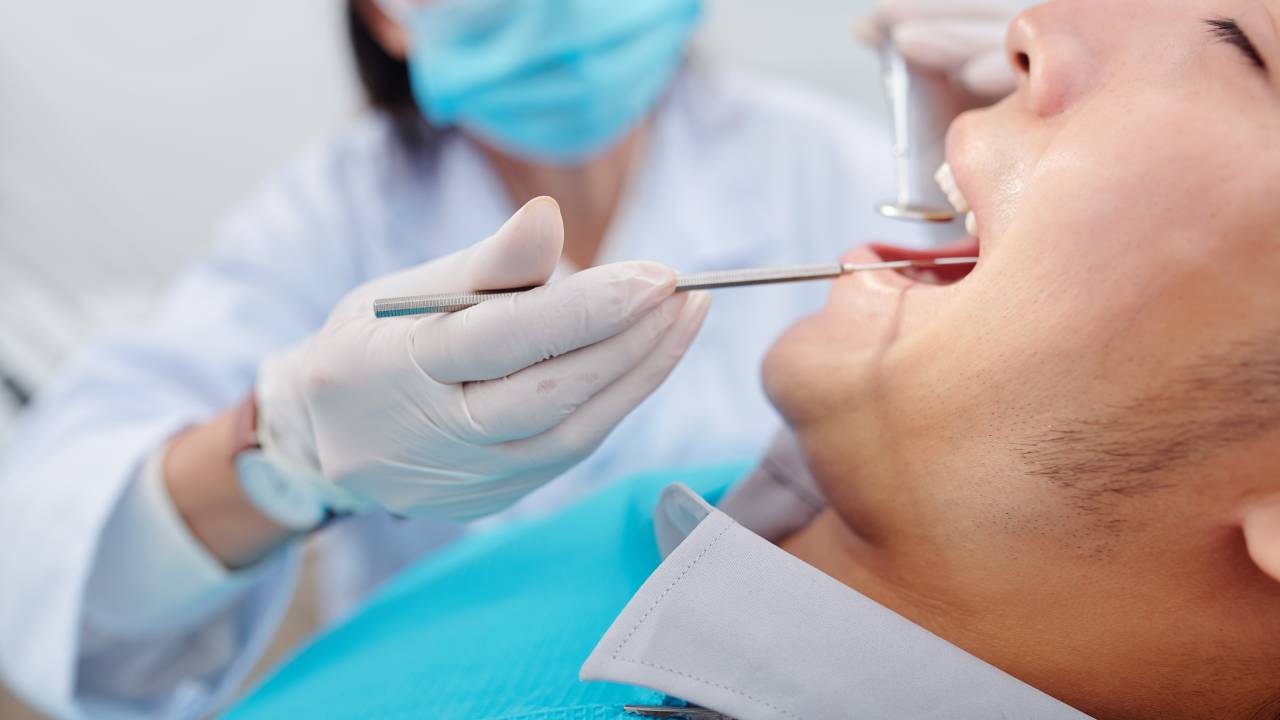
At a check-in, the dentist looks at how your teeth meet with and without the appliance, examines the device for wear patterns, and asks how your muscles and joints are feeling. If something needs to change, the acrylic can often be reshaped or rebalanced so the appliance stays comfortable without disturbing your bite. Wear marks on the surface can also tell the dentist a lot about your grinding pattern.
Habits that support appliance therapy
An appliance protects your teeth and joints while you sleep, but daytime habits matter too. General self-care steps that are widely recommended for jaw discomfort, and that MedlinePlus covers in its patient health information, include:
- Choosing softer foods during a flare and cutting food into smaller pieces
- Avoiding gum chewing and very wide yawns when the jaw is sore
- Noticing daytime clenching and letting the teeth rest apart with the lips closed
- Applying gentle warmth or cold to sore muscles
- Paying attention to stress, posture, and sleep
These steps are not a substitute for an exam if symptoms persist, worsen, or limit how far you can open your mouth.
How TMJ care fits into broader dental care at Reimels Dentistry
Reimels Dentistry is a family and cosmetic practice in Huntersville that provides comprehensive dentistry in one location, which means many related needs can be handled under the same roof. The practice describes its approach as individualized care that takes time to listen and explain procedures, and that view fits jaw problems well. A bite issue rarely lives in isolation.
Exams that look for early warning signs
During a routine exam and cleaning, the Reimels Dentistry dental team looks at more than cavities. Worn or flattened enamel, small chips, gum recession around certain teeth, and tender jaw muscles can all point toward clenching or grinding. Catching those signs early gives you more options before wear becomes damage. The American Dental Association encourages regular dental visits as part of maintaining oral health, and those visits are a natural moment to mention jaw pain, clicking, or morning headaches.
When missing or damaged teeth affect the bite
Missing teeth can change how the remaining teeth meet and how chewing forces travel through the jaw. When it makes sense for your situation, the Reimels Dentistry practice offers ways to replace teeth, including full and partial dentures, implant supported bridges and dentures, single dental implants, and full mouth options. Severely damaged teeth may need extraction or root canal treatment. Your dentist can explain whether restoring a gap is relevant to your jaw symptoms or a separate concern.
Alignment and cosmetic considerations
If tooth position contributes to an uneven bite, an orthodontic evaluation may be part of the conversation. The Reimels Dentistry practice offers orthodontics and Invisalign. Front teeth that have been worn or chipped by grinding can sometimes be restored cosmetically with options such as porcelain veneers, though a dentist will usually want grinding under control first so new work is not exposed to the same forces.
Gum health
Healthy gums and supporting bone give the teeth a stable foundation. The Reimels Dentistry practice provides gum disease treatment and soft tissue periodontics when those are needed.
Sleep apnea appliances are different
People sometimes confuse TMJ splints with sleep apnea appliances because both are custom devices worn at night. They serve different purposes. A sleep apnea appliance holds the lower jaw forward to help keep the airway open, and it is used after a physician’s diagnosis. A TMJ appliance is aimed at jaw joints, muscles, and grinding. Reimels Dentistry offers sleep apnea care, and if you have both snoring and jaw pain, it is worth raising both at the same visit so the plan accounts for each.
Comfort during treatment
For people who feel anxious in the dental chair, or whose jaw is too sore for long appointments to feel easy, the Reimels Dentistry practice offers sedation dentistry. Ask about it if anxiety has kept you from getting jaw symptoms checked.
Urgent jaw problems
A sudden injury to the mouth, a broken tooth, or a jaw that locks and will not open or close comfortably should not wait for a routine appointment. The Reimels Dentistry practice provides emergency dentistry and offers same-day emergency appointments.
Insurance and payment basics
Coverage for TMJ appliances varies widely from plan to plan. At Reimels Dentistry, Blue Cross Blue Shield is the in-network dental carrier, and private pay is accepted. Medicaid and Medicare are not accepted. The practice also offers an in-house dental membership plan as an alternative to traditional insurance. Because plan language around TMD differs, the most reliable step is to ask your plan directly how it handles oral appliances and jaw-related care before treatment begins.
Frequently asked questions
What is the difference between a TMJ oral appliance and a regular night guard?
A night guard is mainly meant to protect teeth from grinding wear. A TMJ oral appliance is fitted and balanced with the jaw joints and muscles in mind, and its design is chosen based on your symptoms. In practice, a well-made custom guard and a stabilization splint can look similar. The difference lies in how it is fitted, adjusted, and followed over time.
How long does it take to notice a difference?
It varies. Some people notice less morning soreness within a few weeks, while others need adjustments before the appliance feels right. Your dentist will want to hear how you are doing at follow-up visits so changes can be made.
Do I have to wear it forever?
Not necessarily. Some people wear an appliance during a period of high stress or a flare and then less often. Others who grind heavily keep wearing one at night to protect their teeth. The plan depends on your symptoms and what the dentist sees over time.
Can an appliance change my bite?
Full-coverage stabilization splints are designed not to move the teeth. Repositioning and partial-coverage designs carry more risk of bite changes with long unsupervised use, which is why monitoring matters.
When should I see a dentist about jaw pain?
If jaw pain, clicking, or headaches keep coming back, if chewing has become difficult, or if your jaw catches or locks, it is reasonable to have it evaluated. An exam can sort out whether an appliance makes sense or whether something else is driving your symptoms.