Understanding Oral Appliance Therapy
Introduction to Oral Appliance Therapy
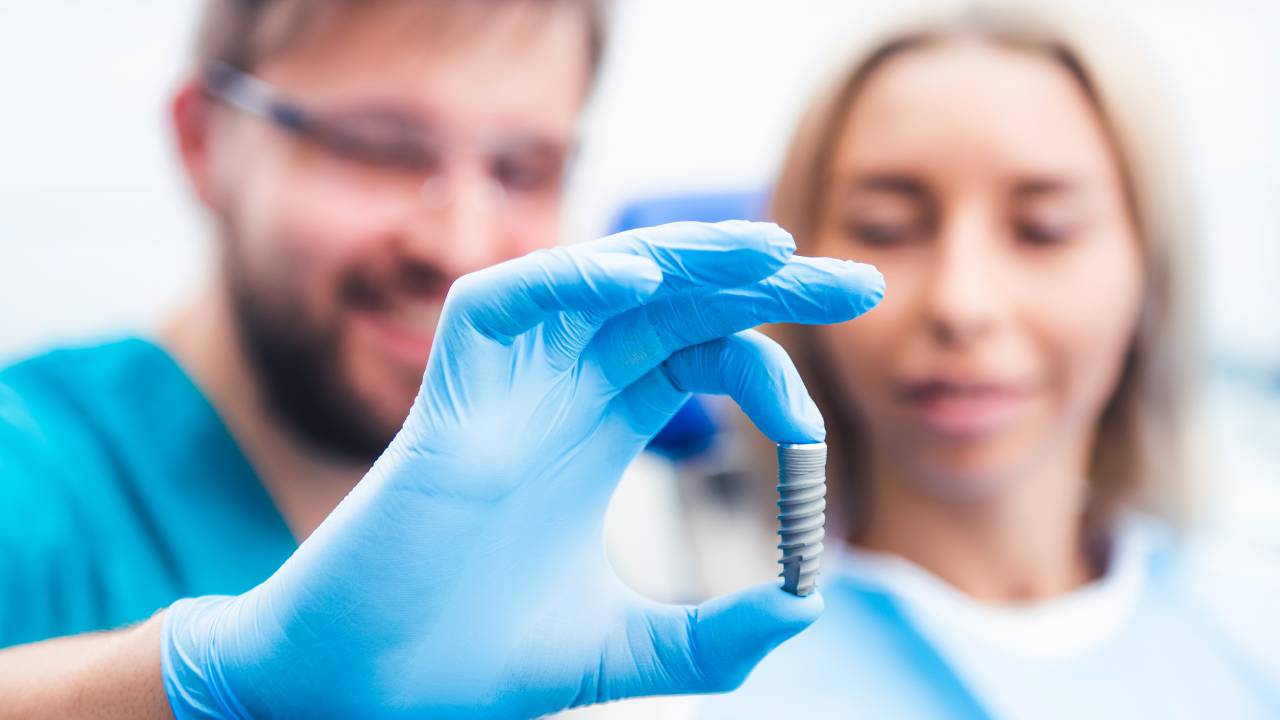
Oral appliance therapy is a non-invasive treatment designed for individuals struggling with mild to moderate sleep apnea. These custom-made devices, often resembling a mouth guard, help in keeping the airway open during sleep. For those who find it difficult to tolerate CPAP therapy, oral appliances can serve as a more comfortable alternative. They aim to prevent the collapse of the throat muscles, thus reducing symptoms such as snoring and interrupted sleep.
Choosing a sleep apnea oral device that fits well is crucial for effective treatment. Typically prescribed by a sleep apnea dentist, these devices can significantly improve your sleep quality and overall health.
Effectiveness of Oral Appliances
Research indicates that oral appliances can be nearly as effective as CPAP therapy for treating obstructive sleep apnea (OSA), with a compliance rate of 90% compared to just 50% for CPAP therapy [1]. Moreover, studies have shown that using a Mandibular Advancement Device (MAD) can markedly decrease instances of paused breathing during sleep.
The benefits of using oral appliances extend beyond simply reducing snoring. They can enhance oxygen levels in the blood, alleviate daytime fatigue, improve blood pressure levels, and boost cognitive function and mood. Notably, about one-third of individuals using MAD therapy experience complete resolution of their OSA symptoms [1].
To better understand the efficacy of oral appliances versus CPAP, consider the following table that highlights their key comparisons:
| Aspect | Oral Appliances | CPAP Therapy |
|---|---|---|
| Compliance Rate | 90% | 50% |
| Ease of Use | More comfortable | Can be cumbersome |
| Immediate Effectiveness | Rapid symptom reduction | May take time to adjust |
| Resolution of Symptoms | 1/3 experience complete resolution | No complete resolution reported |
Oral appliances are an excellent option for individuals with mild to moderate sleep apnea and should be considered a viable component of your dental sleep apnea treatment. For those looking for alternatives to CPAP therapy, explore the options available, including factors like the mandibular advancement device for sleep apnea and the various benefits provided by these devices.
Oral Appliance Therapy Benefits
Oral appliance therapy is increasingly recognized as an effective treatment for sleep apnea, particularly for those struggling with mild to moderate cases. Understanding the benefits of this therapy can help you make informed decisions about your care.
Positive Impact on Sleep Quality
Oral appliances, specifically mandibular advancement devices (MAD), have been shown to deliver significant improvements in sleep quality. Research indicates that MAD therapy may lead to a reduction in breathing pauses during the night—a key factor in alleviating obstructive sleep apnea (OSA) symptoms. According to studies, about 70% of individuals using MAD therapy experience a reduction in the severity of their condition by more than half. This treatment can also increase oxygen levels in the blood, which is crucial for overall health.
| Impact on Sleep Quality | Results |
|---|---|
| Reduction in Breathing Pauses | 70% of users experience significant improvement |
| Increase in Blood Oxygen Levels | Achieved with consistent usage of oral appliances |
| Symptom Resolution | Approximately one-third of users report complete resolution of OSA symptoms |
Because of these benefits, many individuals pursue oral appliance therapy for sleep apnea as a preferable alternative, especially if they have previously struggled with CPAP therapy.
Improvement in Daytime Functioning
In addition to enhancing sleep quality, oral appliance therapy significantly improves daytime functioning. Many users report experiencing reduced daytime fatigue, increased cognitive function, and improved mood after adopting this treatment modality. Better sleep at night can also lead to improved blood pressure and overall well-being, making a noticeable difference in your daily life.
Improved daytime functioning is crucial as untreated sleep apnea can lead to serious long-term health issues and decreased quality of life. Managing your sleep apnea effectively is essential for both your mental and physical health. Individuals who transition from CPAP therapy to oral appliances or choose oral appliances from the onset often notice a rejuvenation in their daily activities.
| Daytime Functioning Improvement | Benefits |
|---|---|
| Reduced Daytime Fatigue | Higher energy levels throughout the day |
| Enhanced Cognitive Function | Improved focus and mental clarity |
| Better Mood | Increased overall happiness and emotional stability |
If you believe you could benefit from a sleep apnea oral device or have questions about its effectiveness, consulting a sleep apnea dentist can provide valuable insights into the best options available for you.
Candidacy for Oral Appliance Therapy
Oral appliance therapy is a viable treatment option for individuals with specific types of sleep apnea. Understanding whether you qualify can guide you toward the right path for managing your condition.
Mild to Moderate Sleep Apnea Candidates
If you have been diagnosed with mild to moderate obstructive sleep apnea (OSA), you may be a strong candidate for oral appliance therapy. Oral appliances work best for individuals who experience difficulty using a CPAP (Continuous Positive Airway Pressure) machine consistently or those who prefer an alternative approach [2]. While oral appliances may not be as effective as CPAP for everyone, they can significantly improve symptoms for many.
Candidates typically include:
| Criteria | Description |
|---|---|
| Severity of Sleep Apnea | Diagnosis of mild to moderate OSA |
| CPAP Intolerance | History of difficulty using CPAP machines |
| Personal Preference | Preference for non-invasive treatment options |
| Ideal Characteristics | Younger individuals, females, lower body mass index (BMI) may respond better [1] |
For those struggling with mild sleep apnea, options like mild sleep apnea dental treatment can help manage symptoms effectively.
Considerations for Severe Sleep Apnea
While oral appliances are primarily recommended for mild to moderate cases, there is emerging evidence suggesting that mandibular advancement devices (MAD) can also treat severe OSA. However, the response tends to be more favorable in those with milder forms of the disorder [1].
For individuals with severe sleep apnea, the following considerations are important:
| Criteria | Description |
|---|---|
| Prior Treatment | Typically required to try CPAP before approval of an oral appliance |
| Patient Characteristics | Individual anatomy and response to therapies vary, making a consultation essential |
| Insurance Requirements | Approval may depend on documenting the ineffectiveness of CPAP usage [3] |
Most insurers cover oral appliances as Durable Medical Equipment (DME) if certain criteria are met. Ensuring coverage under your specific health insurance plan for a sleep apnea oral appliance covered by insurance is crucial.
This understanding can help you make informed decisions about your treatment options. For additional resources, consider exploring oral appliance therapy for sleep apnea or consulting a sleep apnea dentist.
Cost and Insurance Coverage
Cost of Oral Appliances
The cost of an oral appliance designed to treat sleep apnea can typically range from $1,500 to $2,500. This price includes the custom fitting, the device itself, and necessary follow-up appointments. The investment in an oral appliance can be worthwhile considering the improvement in sleep quality and overall health [1].
| Item | Estimated Cost |
|---|---|
| Custom Fitting | Included in total |
| Sleep Apnea Oral Appliance | $1,500 – $2,500 |
| Follow-Up Appointments | Included in total |
Insurance Coverage Criteria
Insurance coverage for sleep apnea oral appliances is generally favorable. Most health insurance plans, including Medicare, cover oral appliance therapy when certain conditions are met. The coverage is usually categorized under Durable Medical Equipment (DME) and requires a formal diagnosis of obstructive sleep apnea, confirmed through a sleep study.
To be eligible for insurance coverage, you typically need to meet the following criteria:
- Documented diagnosis of obstructive sleep apnea.
- A comprehensive sleep study confirming the diagnosis.
- Prescription for the oral appliance from a qualified medical professional.
- Fitting performed by a qualified dentist who specializes in sleep apnea treatments.
It’s essential to check with your specific health insurance provider to understand the details of your policy and confirm coverage for the sleep apnea oral appliance covered by insurance. Both Medicare and private insurance providers have specific guidelines for coverage, and clarifying these can help you navigate your treatment options effectively.
By understanding the costs associated with oral appliances and familiarizing yourself with your insurance coverage, you can make informed decisions about your sleep apnea treatment. If you’re considering alternatives to traditional CPAP therapy, explore the benefits of oral appliance therapy for sleep apnea.
Comparison with CPAP Therapy
As you explore options for managing your sleep apnea, comparing oral appliances with CPAP (Continuous Positive Airway Pressure) therapy is essential. Both treatments aim to alleviate symptoms and improve your quality of sleep, but they operate differently and may work better for different individuals.
Oral Appliance vs. CPAP Effectiveness
While CPAP is often considered the gold standard for treating obstructive sleep apnea (OSA), oral appliances can be viable alternatives for those with mild to moderate cases. Studies indicate that oral appliances are particularly useful for patients who cannot use CPAP machines consistently due to discomfort or other issues.
| Treatment | Effectiveness | Best For |
|---|---|---|
| CPAP | Higher effectiveness for severe OSA | All levels of OSA; especially severe |
| Oral Appliance | Moderately effective; easier to use | Mild to moderate OSA; CPAP intolerance |
Oral appliances are designed to keep your airway open during sleep and may improve symptoms for some individuals, but they generally may not be as effective as CPAP for severe cases [5]. However, increasing evidence has emerged supporting the effectiveness of mandibular advancement devices (MAD) even in moderate and severe cases [1].
Choosing Between Oral Appliance and CPAP
Deciding whether to use an oral appliance or a CPAP machine should be based on your specific needs, comfort level, and medical advice from your healthcare provider. Consider the following factors:
- Severity of Sleep Apnea: For those with mild to moderate sleep apnea, oral appliances can be effective. It is advisable to explore options based on the severity of your condition [2].
- Comfort and Tolerance: If you find CPAP uncomfortable or restrictive, an oral appliance may be a more palatable solution. Oral appliances are compact, quiet, and typically easier to travel with.
- Insurance Coverage: Most health insurance providers cover oral appliances, treating them as medical equipment. You may need to provide a sleep study diagnosis to qualify for insurance coverage [6].
- Accompanying Conditions: Evaluate your overall health and specific conditions such as body mass index (BMI) and airway anatomy. These factors may influence the effectiveness of either option.
Ultimately, speaking with your dentist or healthcare provider about your symptoms, lifestyle, and treatment preferences will guide you in making an informed choice that best suits your situation. You can also look into options such as dental sleep apnea treatment to further explore your alternatives.
Maintenance and Follow-up Care
Importance of Regular Follow-up Visits
After receiving your sleep apnea oral appliance, regular follow-up appointments with your dentist are essential for ensuring that the device fits properly and continues to alleviate your symptoms over time. These visits help assess any changes in your condition, allowing for adjustments to the appliance as needed. According to the Mayo Clinic, consistent monitoring can lead to improved long-term outcomes for individuals with sleep apnea.
During your follow-up visits, your dentist will evaluate how well you’re adapting to the oral appliance. They can make necessary modifications to enhance comfort and efficacy. It’s important to also discuss any potential issues you may be experiencing, such as discomfort or insufficient symptom relief.
Addressing Fit and Symptom Monitoring
Proper fit is crucial for the effectiveness of your sleep apnea oral device. Over time, changes in your body or mouth structure can affect how the device fits. Regular adjustments may be required to maintain an optimal fit.
You should also track any changes in your sleep quality and daytime functioning. Symptoms such as snoring, fatigue, or difficulty concentrating can provide valuable information to your dentist, helping them determine if further adjustments are necessary. If adjustments are needed after the initial 90-day period, be aware that these modifications might not be covered by your insurance, per CMS guidelines.
| Service | Coverage Details |
|---|---|
| Initial Fitting and Adjustments | Included in the oral appliance payment for the first 90 days |
| Modifications after 90 Days | Not eligible for coverage under DME benefits |
| Replacement of Oral Appliance | Eligible every 3-5 years for custom-made devices |
If you notice consistent discomfort or your symptoms reemerge, you should consult with your dentist promptly. Additionally, you can explore various dental sleep medicine treatments to find a comprehensive solution that works for you. Regular communication with your dentist ensures that you continue to receive effective care while using your oral appliance.