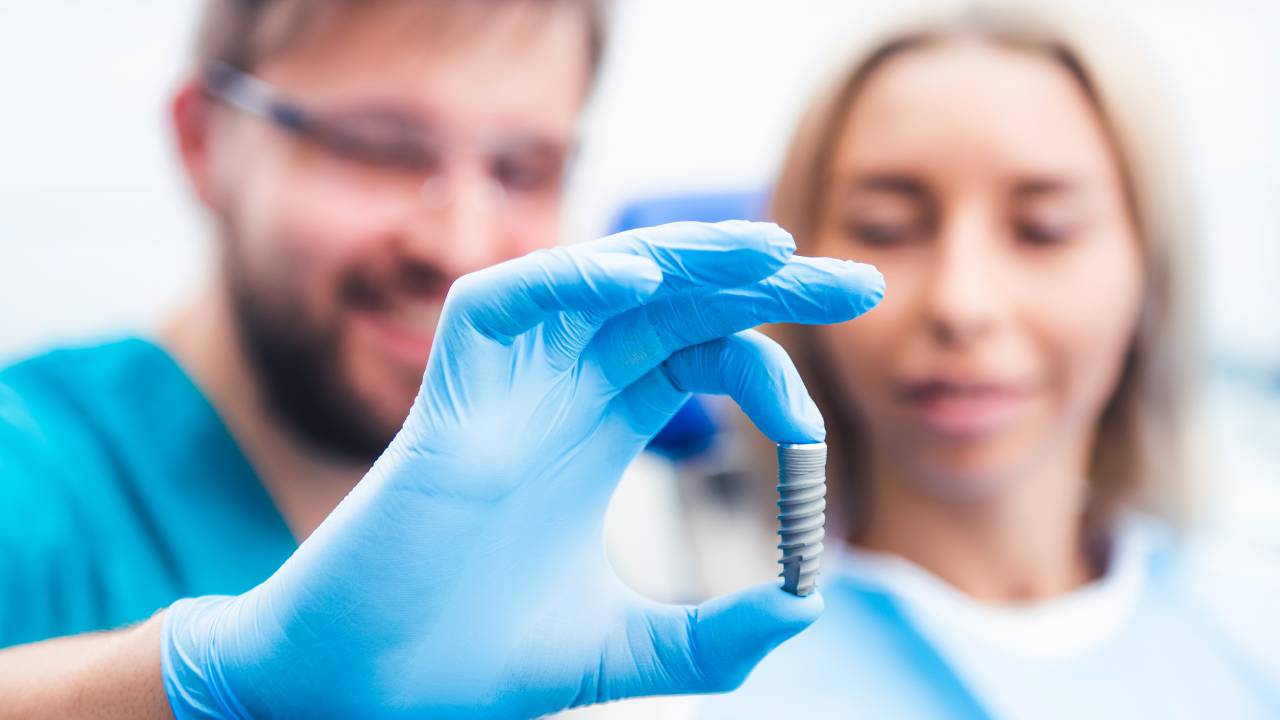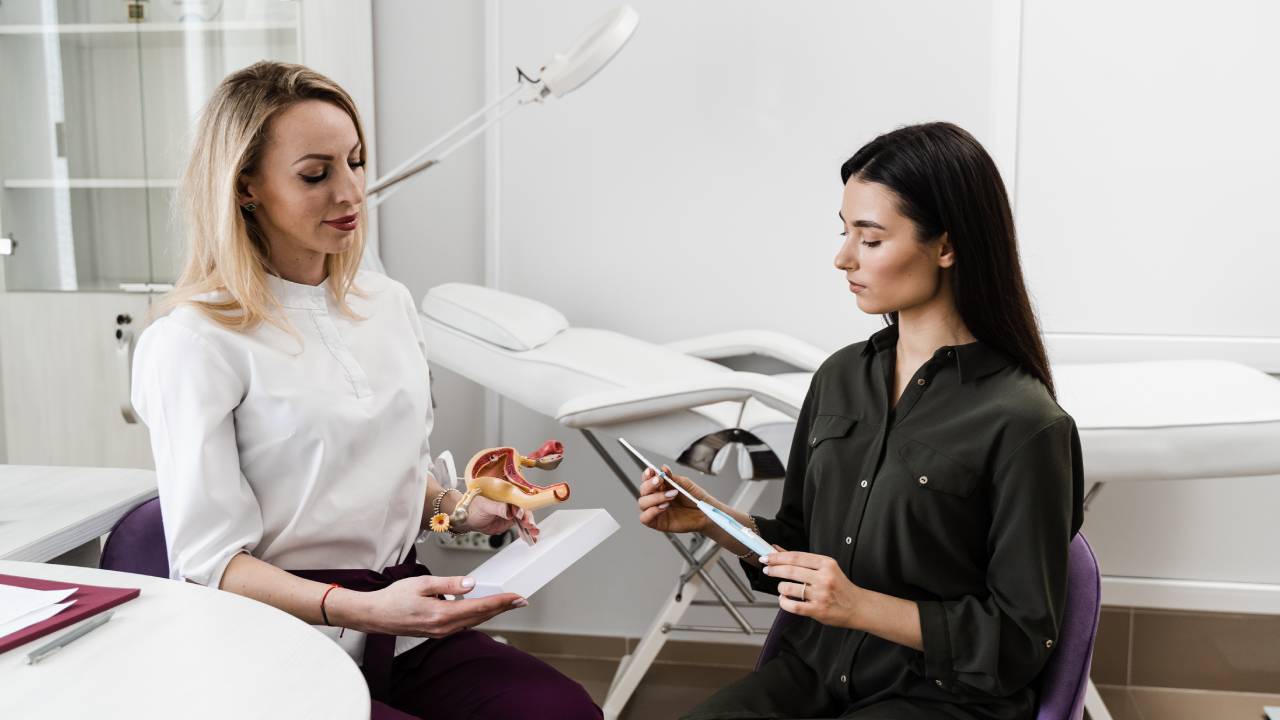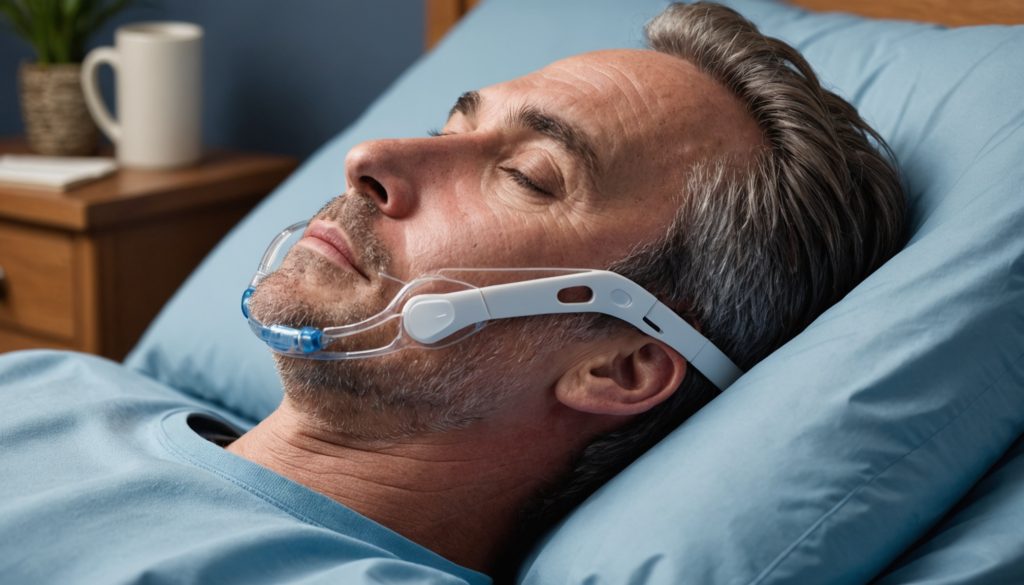
A mandibular advancement device (MAD) is a custom-fitted mouthpiece worn only during sleep. It holds the lower jaw slightly forward so the tongue and soft tissues at the back of the throat are less likely to collapse into the airway. For many adults with mild to moderate obstructive sleep apnea (OSA), and for people who have tried CPAP and could not keep using it, a MAD is a well-established treatment option. It begins with a diagnosis from a physician, usually after a sleep study. A dentist then fits, adjusts, and monitors the device. At Reimels Dentistry in Huntersville, sleep apnea care is part of the practice’s general and restorative dentistry, alongside exams, implants, and other treatment.
This article explains how a MAD works, who tends to do well with one, how it compares with CPAP and other oral appliances, what the adjustment period is like, and which side effects to watch for over time.
How a Mandibular Advancement Device Works
Obstructive sleep apnea happens when the airway narrows or closes during sleep. As the muscles of the throat relax, the tongue and soft palate can fall back and block airflow. Breathing pauses or becomes shallow, oxygen levels may dip, and the brain briefly wakes the sleeper to reopen the airway. This can happen many times an hour without the person remembering it.
A MAD addresses the mechanical side of that problem. The device has an upper and a lower piece that fit over the teeth, much like a pair of sports guards, connected in a way that keeps the lower jaw positioned a little forward of where it naturally rests. Because the tongue is attached to the lower jaw, moving the jaw forward also draws the tongue forward and adds tension to the surrounding tissues. The result is more open space in the throat and less tendency for the airway to collapse. A review published in a peer-reviewed dental journal describes mandibular advancement devices as a treatment option for obstructive sleep apnea based on this repositioning of the jaw.
Most custom MADs can be adjusted. The dentist starts at a modest forward position and gradually advances the jaw over follow-up visits until symptoms improve while the jaw remains comfortable. This step-by-step adjustment is one of the main reasons custom devices tend to outperform generic ones.
Practical Advantages
People who choose a MAD often mention a few everyday benefits:
- Portability. The device fits in a small case and travels easily, which matters for people who are away from home often.
- Quiet operation. There is no motor, hose, or airflow noise, so a bed partner is not disturbed by the equipment itself.
- No power source. A MAD needs no electricity, outlets, or distilled water, which makes it usable when camping, flying, or during a power outage.
- Simple routine. It goes in at bedtime, comes out in the morning, and is cleaned and stored in its case.
These practical points do not make a MAD the right choice for everyone, but they explain why many patients who struggled with CPAP find an oral appliance easier to use night after night.
Who Is a Good Candidate
MADs tend to work best for adults with mild to moderate obstructive sleep apnea. They are also commonly considered for people with more significant OSA who have tried CPAP and cannot tolerate it, although in those cases the treating physician and dentist weigh the options carefully and confirm results with follow-up testing.
A general picture of how severity relates to expected results:
| Severity of OSA | How a MAD typically performs | Notes |
|---|---|---|
| Mild | Often effective | Many patients notice meaningful improvement in snoring and daytime tiredness. |
| Moderate | Frequently effective | A reasonable option, especially for people who cannot use CPAP. |
| Severe | Less predictable | Usually considered only after CPAP has been tried, with close medical follow-up. |
A multicenter prospective study on the use of a mandibular advancement device followed patients with obstructive sleep apnea treated with this type of appliance and reported improvement in sleep apnea measures, supporting its role as a treatment for appropriately selected patients.
The dental side of candidacy matters as well. A MAD anchors on the teeth, so the patient needs enough healthy teeth in both jaws to hold the device securely. Active gum disease, loose teeth, or significant untreated decay should be addressed first. People with jaw joint problems may need extra evaluation, because holding the jaw forward all night places new demands on the joint and chewing muscles. This is one reason a thorough dental exam comes before any appliance is made.
Why Diagnosis Comes First
Snoring alone does not confirm sleep apnea, and sleep apnea is not always accompanied by loud snoring. A dentist does not diagnose sleep apnea. A physician makes that diagnosis, typically using an in-lab or home sleep study that measures how often breathing stops or becomes shallow each hour. That measurement, the apnea-hypopnea index (AHI), places the condition in the mild, moderate, or severe range and guides which treatments make sense.
Once a diagnosis is in place and an oral appliance is recommended, the dentist takes over the fitting and adjustment. Ideally, follow-up testing afterward confirms that the device is actually controlling the apnea and not simply quieting the snoring.
Comparing a MAD With CPAP
CPAP (continuous positive airway pressure) uses a bedside machine to push air through a mask, holding the airway open with gentle pressure. It is the standard first-line treatment for obstructive sleep apnea and generally produces larger reductions in breathing events when it is worn as prescribed.
The catch is that CPAP only works when people use it. Masks can leak, irritate the skin, or feel confining. Some people cannot fall asleep with the airflow, remove the mask during the night without realizing it, or simply stop using the machine after a few months. A treatment that is less forceful on paper but worn every night can sometimes deliver more real-world benefit than a stronger treatment left on the nightstand.
| Factor | CPAP | Mandibular advancement device |
|---|---|---|
| Strength of effect | Generally greater reduction in breathing events | Effective, especially in mild to moderate OSA |
| Equipment | Machine, hose, mask, power | Small custom mouthpiece |
| Noise | Some machine and airflow sound | Silent |
| Travel | Bulkier, needs power | Fits in a pocket-sized case |
| Common complaints | Mask discomfort, dryness, claustrophobia | Jaw or tooth soreness, saliva changes |
The decision is not always one or the other. Some patients use CPAP at home and a MAD for travel. Others start with CPAP, find they cannot continue, and move to an oral appliance with their physician’s agreement. The right path depends on severity, anatomy, personal tolerance, and medical guidance.
Types of Oral Appliances
Two main categories of oral appliance are used for obstructive sleep apnea.
Mandibular Advancement Devices
MADs are the most commonly used oral appliance for OSA. They rest on the upper and lower teeth and reposition the lower jaw forward, as described above. Designs vary in how the two halves connect and how the advancement is adjusted, but the principle is the same across them.
Tongue-Stabilizing Devices
Tongue-stabilizing devices (TSDs), also called tongue-retaining devices, take a different approach. Rather than moving the jaw, a TSD holds the tongue forward using gentle suction in a bulb that sits outside the front teeth. Keeping the tongue from falling back opens space in the airway.
TSDs are sometimes considered for people who do not have enough healthy teeth to anchor a MAD, or for those whose jaw cannot comfortably be held forward. Many people find the sensation of the suction bulb takes getting used to, so they are less commonly used than MADs.
Custom vs. Over-the-Counter Devices
Mouthpieces sold online or in stores, often called “boil and bite” devices, are softened in hot water and molded by biting into them. They cost less and are easy to buy, but they differ from a dentist-made appliance in important ways.
Custom-Made Appliances
A custom MAD is built from precise impressions or digital scans of your teeth. Because it is shaped to your bite, it grips the teeth evenly, spreads pressure across them, and stays in place through the night. The amount of jaw advancement can be set and adjusted in small steps, which allows the dentist to find a position that controls symptoms without overworking the jaw.
| Advantage | What it means for you |
|---|---|
| Tailored fit | Even contact with the teeth and less shifting during sleep |
| Adjustable advancement | Jaw position can be fine-tuned over follow-up visits |
| Durable materials | Built for nightly use over an extended period |
| Professional monitoring | Changes in the bite, teeth, or jaw can be caught early |
Over-the-Counter Options
| Limitation | What it means for you |
|---|---|
| Generic fit | The device may not conform closely to your teeth and can loosen at night |
| Limited adjustment | Advancement may be fixed or hard to control precisely |
| Possible discomfort | Uneven pressure can lead to sore spots on teeth or gums |
| No supervision | Bite changes or untreated apnea may go unnoticed |
The larger concern with self-treatment is that a store-bought device may reduce snoring while sleep apnea continues underneath. Quieter nights can create false reassurance. Anyone with symptoms such as gasping during sleep, morning headaches, or persistent daytime sleepiness should be evaluated by a physician rather than relying on an over-the-counter mouthpiece.
The Adjustment Period
Most people need some time to get used to sleeping with a MAD. Over the first few weeks, it is common for the mouth to feel full, for the jaw to feel tired or tight in the morning, and for the bite to feel slightly off for a short time after removing the device. These sensations usually ease as the muscles and teeth adapt.
A few habits can make the transition smoother:
- Wear the device every night rather than occasionally, so your body adapts consistently.
- Follow the dentist’s instructions for morning jaw exercises or using a bite-repositioning aid, if one is provided.
- Keep the appliance clean and dry in its case to avoid odor and wear.
- Report persistent pain rather than waiting it out, since a small adjustment often solves the problem.
Short-Term Side Effects
| Side effect | Description |
|---|---|
| Excess saliva | More saliva production is common at first. |
| Dry mouth | Some people notice dryness, especially if they breathe through the mouth. |
| Jaw soreness | The jaw and chewing muscles may feel tired in the morning. |
| Tooth tenderness | Teeth may feel sensitive or pressured early on. |
Most of these improve with time and with adjustments to the device.
Long-Term Effects to Monitor
When a MAD is worn nightly over years, gradual changes in the bite can occur. Research on mandibular advancement devices discusses dental side effects associated with long-term use. Changes that dentists watch for include:
| Long-term change | Description |
|---|---|
| Upper incisor retroclination | The upper front teeth tip slightly backward. |
| Lower incisor proclination | The lower front teeth tip slightly forward. |
| Decreased overjet | Less horizontal distance between upper and lower front teeth. |
| Decreased overbite | Less vertical overlap of the front teeth. |
| Changes in contact between teeth | The way back teeth meet during chewing can shift. |
These changes are often small and develop slowly, and many people find the trade-off worthwhile given the benefits of treating sleep apnea. Still, they are the main reason ongoing dental checkups matter for anyone using an oral appliance. Regular visits allow the dentist to compare the bite over time, check the fit of the device, and adjust or reconsider treatment if changes progress.
What Care Looks Like at Reimels Dentistry
Reimels Dentistry is a family and implant practice in Huntersville that also serves patients from Charlotte and Cornelius. Sleep apnea treatment is offered in the same office as preventive care, gum disease treatment, restorative work, and implant dentistry. For a patient considering a MAD, that matters in practical ways. If an exam shows gum disease, a cracked tooth, or other problems that would affect how an appliance sits, those can be treated in the same practice before the device is made. The practice’s general dentists at Reimels Dentistry include multiple Fellows of the Academy of General Dentistry, a distinction that reflects extensive continuing education.
The practice’s approach at Reimels Dentistry is built around taking time to listen and explain procedures, which fits the nature of sleep apnea care. Getting a MAD right usually involves an initial evaluation, impressions or scans, delivery of the device, and follow-up visits for adjustment, so clear communication about what to expect at each stage helps patients stay on track.
Paying for a Mandibular Advancement Device
Coverage depends on your individual plan. Reimels Dentistry is in-network with Blue Cross Blue Shield and also accepts private pay. For patients with other carriers, including Aetna, Cigna, Delta Dental, MetLife, and UnitedHealthcare, the practice is out-of-network and bills those plans’ out-of-network benefits. The Reimels Dentistry practice does not accept Medicare or Medicaid.
Because oral appliances for diagnosed sleep apnea may involve medical rather than dental benefits depending on the plan, it helps to have your sleep study results and physician’s recommendation available and to check your plan’s terms before treatment begins.
The Bottom Line
A mandibular advancement device gently holds the lower jaw forward during sleep to keep the airway open. It is a proven option for many people with mild to moderate obstructive sleep apnea and a practical alternative for those who cannot tolerate CPAP. The best results come from a physician’s diagnosis, a custom-fitted and adjustable appliance, a patient adjustment period, and regular dental follow-up to keep the teeth, bite, and jaw healthy over the long term.