Understanding Oral Appliance Therapy
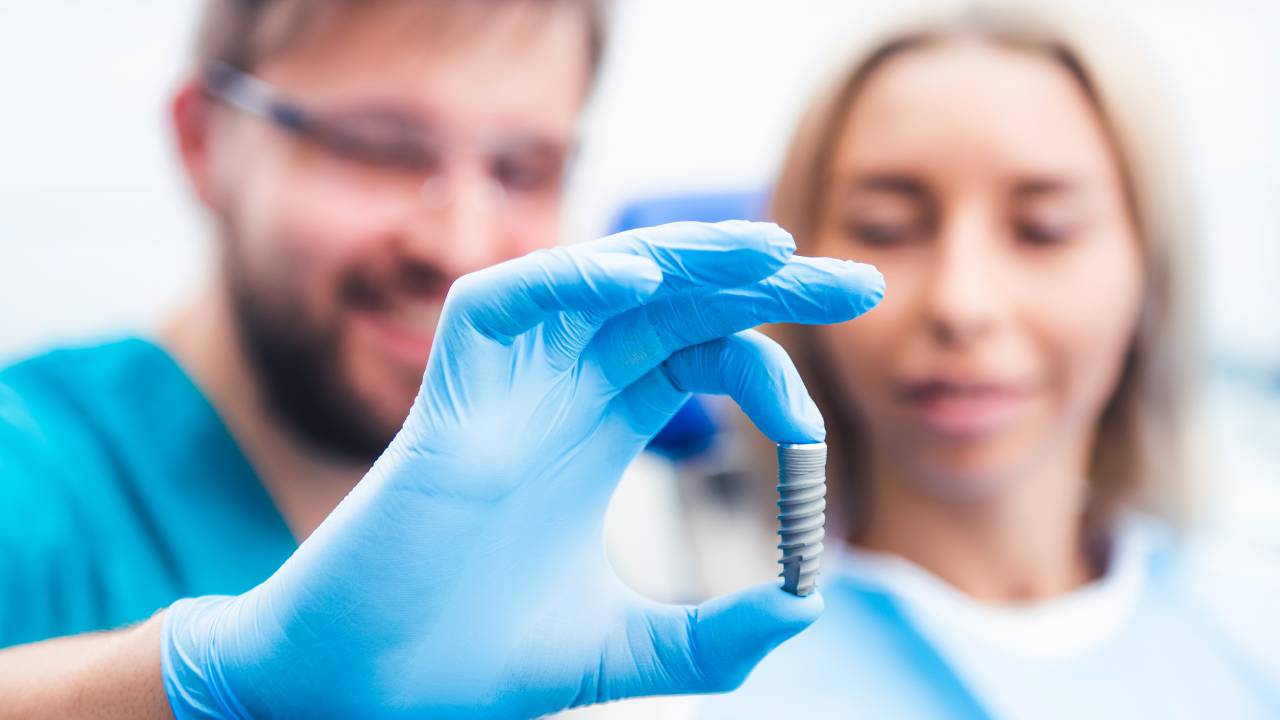
Oral appliance therapy is a non-invasive treatment option designed for individuals who struggle with obstructive sleep apnea (OSA). This approach offers a comfortable alternative to CPAP machines, particularly for those who experience discomfort or difficulty using CPAP. Understanding how these devices function and their effectiveness is vital for individuals who are considering this treatment.
Treating Sleep Apnea Non-Invasively
Oral appliances work by repositioning your jaw or tongue to keep your airway open during sleep. This is particularly beneficial for individuals with mild to moderate OSA who cannot tolerate a CPAP machine. The two main types of oral devices include:
- Mandibular Advancement Devices (MADs)
- Tongue-Retaining Devices (TRDs)
These devices aim to reduce airway collapse, improving airflow and ultimately enhancing sleep quality.
| Type of Oral Appliance | Description |
|---|---|
| Mandibular Advancement Device (MAD) | Moves the lower jaw forward to maintain an open airway. |
| Tongue-Retaining Device (TRD) | Keeps the tongue in a forward position to prevent it from blocking the airway. |
Effectiveness of Oral Appliances
Oral appliances may not be as effective as CPAP machines for everyone; however, they still provide significant symptom improvement for many. Studies show that oral device therapy is particularly suitable for individuals who cannot consistently use CPAP, as their effectiveness tends to vary based on individual needs and the severity of sleep apnea.
While CPAP remains the gold standard for improving airflow, many patients find it challenging to adhere to CPAP therapy. Thus, oral appliances become a worthwhile alternative for treating obstructive sleep apnea. Clinical findings reveal that these appliances can effectively alleviate symptoms for those with mild to moderate OSA [2].
| OSA Severity | Treatment Recommendation | Effectiveness |
|---|---|---|
| Mild | Oral Appliance Therapy | Variable improvement |
| Moderate | Oral Appliance Therapy | Significant symptom reduction |
| Severe | CPAP preferred, but may consider dental solutions | Generally less effective than CPAP |
Understanding oral appliance therapy can empower you to make informed decisions when exploring non-invasive treatment options for sleep apnea. For more information on the various types of devices available, consult your dentist or a specialist in dental sleep medicine treatment.
Types of Oral Appliances
Oral appliances for sleep apnea come in various types, each serving a specific role in helping manage your condition. Understanding these options can lead you to the right solution for your comfort and health.
Mandibular Advancement Devices (MADs)
Mandibular advancement devices (MADs) are among the most commonly used oral appliances for treating obstructive sleep apnea (OSA). These devices secure to your teeth and function by gradually moving your lower jaw forward, which helps keep your airway open during sleep. The effectiveness and comfort level of MADs can vary, with two-piece MADs generally offering more comfort and higher success rates than one-piece devices [3].
Table: Key Features of Mandibular Advancement Devices (MADs)
| Feature | Description |
|---|---|
| Design | Secures to teeth and adjusts the lower jaw |
| Comfort | Two-piece versions tend to be more comfortable |
| Effectiveness | Helps keep airway open, reducing snoring and apnea events |
If you are considering this option, consult with a sleep apnea dentist for a tailored solution.
Tongue-Retaining Devices (TRDs)
Tongue-retaining devices (TRDs) are another effective option, particularly for those whose apnea is mainly caused by the tongue blocking the airway. TRDs are worn in your mouth during sleep and use a suction mechanism to hold the tongue in a forward position. This positioning prevents the tongue from obstructing the airway, thereby reducing instances of interrupted breathing and daytime sleepiness [4].
Table: Key Features of Tongue-Retaining Devices (TRDs)
| Feature | Description |
|---|---|
| Design | Holds the tongue forward using suction |
| Purpose | Prevents airway obstruction caused by the tongue |
| Benefits | Reduces obstructive events and promotes better sleep |
For individuals looking for dental solutions for sleep apnea, TRDs may offer a viable alternative.
Both MADs and TRDs play crucial roles in the management of sleep apnea and are important in helping you find a non-invasive solution to improve your quality of sleep.
Benefits and Side Effects
Understanding the benefits and potential side effects of using a sleep apnea oral device is crucial for anyone considering this non-invasive treatment option.
Compliance and Success Rates
Research indicates that oral appliance therapy for sleep apnea has a high compliance rate of about 90%, compared to approximately 50% for continuous positive airway pressure (CPAP) therapy. This higher acceptance is likely due to the oral device’s comfort and ease of use. Oral appliances can reduce the severity of obstructive sleep apnea (OSA) in roughly 70% of cases, and about one-third of individuals experience complete resolution of symptoms [3].
The table below details the compliance and success rates of different sleep apnea treatments:
| Treatment Type | Compliance Rate | Success Rate |
|---|---|---|
| Oral Appliance Therapy | 90% | 70% |
| Continuous Positive Airway Pressure (CPAP) | 50% | 30% |
Long-Term Dental Effects
While oral appliances are generally effective, it’s important to be aware of potential long-term dental effects. A study examining the long-term side effects of oral appliance treatment for OSA found significant and progressive dental changes over an average treatment time of 12.6 years. Some patients were followed up for as long as 21 years, revealing that these changes may affect oral health over time [5].
Potential dental side effects may include:
- Changes in bite alignment
- Tooth mobility
- Increased wear on teeth
Regular dental evaluations are essential for monitoring these changes and ensuring that the oral device remains effective and safe. For more information on addressing sleep apnea issues, consult your sleep apnea dentist treatment options or explore the effectiveness of oral appliance therapy for sleep apnea.
Custom-Made Oral Appliances
Oral appliances, particularly for sleep apnea, can significantly impact your sleep quality and overall health. Custom-made options offer specific benefits that can enhance the treatment experience.
Optimal Fit for Improved Results
The effectiveness of a sleep apnea oral device largely hinges on its fit. Custom-made oral appliances are meticulously designed to accommodate the unique contours of your mouth. Research indicates that these devices yield the most successful outcomes in managing obstructive sleep apnea (OSA) symptoms. Customization ensures that the appliance fits snugly, providing adequate support to keep your airway open throughout the night. This tailored approach can minimize discomfort and improve your overall experience.
| Advantage | Custom-Made Oral Appliances | Over-the-Counter Options |
|---|---|---|
| Fit | Optimally designed for your mouth | General sizes, may not fit well |
| Effectiveness | High, particularly for OSA | Variable, often less effective |
| Comfort | Personalized for comfort | May cause discomfort or irritation |
| Treatment Success | Proven higher success rates | Lower success rates in managing symptoms |
Importance of Customization
Opting for a custom-made sleep apnea device can greatly influence your compliance and success rates. When the device is specifically tailored to your oral structure, it not only fits better but is also more comfortable, reducing the likelihood of you removing it during the night.
While over-the-counter models, such as “boil and bite” types, are available, they do not provide the same level of precision as custom-made options. A well-fitted appliance is essential for effective treatment, promoting better airflow and reducing snoring. Additionally, the experienced guidance of a dentist specializing in sleep apnea can help you navigate the design and fitting process, ensuring that the device meets your specific needs.
Many insurance plans partially cover these devices when prescribed for those diagnosed with OSA, making custom options an accessible and effective treatment route for many patients. Before proceeding with treatment, it’s advisable to confirm coverage with your insurance provider [6].
For more information on managing sleep apnea through oral appliance therapy, you can refer to our articles on oral appliance therapy for sleep apnea and dental sleep apnea treatment.
Applicability and Adjustments
Suitability for Mild to Moderate OSA
Oral appliance therapy is best suited for individuals with mild to moderate obstructive sleep apnea (OSA), especially those who struggle with using a continuous positive airway pressure (CPAP) machine. Although CPAP is generally considered the most effective treatment for improving airflow, many patients find it difficult to use consistently due to discomfort or noise. In such cases, sleep apnea oral devices, like mandibular advancement devices, can offer a tolerable and effective alternative [1].
Oral appliances can help improve symptoms in patients who may have difficulty adhering to CPAP. They work by repositioning the jaw and tongue to keep the airway open during sleep, which can alleviate snoring and other symptoms of sleep apnea. For detailed information on treatment options, you can visit dental sleep apnea treatment or oral appliance therapy for sleep apnea.
Adjustment Period and Routine
When transitioning to an oral appliance, it is common to experience an adjustment period. This may include a few nights of discomfort as you become accustomed to wearing the device overnight. Most patients fall into a routine within a few days to weeks, but you should allow your body time to adapt to this new sleep aid.
It is important to use the appliance consistently for optimal results. Maintain a regular sleep routine to help your body adjust more effectively. You may also want to track your sleep patterns and symptoms while using the device, as this could provide helpful information to share with your dentist during follow-up appointments. Regular check-ups are vital for ensuring the appliance is still fitting properly and achieving the desired effect.
If you have questions about the adjustment process or need support in forming healthy sleep habits, consider discussing this with a sleep apnea dentist who can provide further insights or adjustments to your treatment plan.
Choosing and Monitoring
Effective management of sleep apnea through an oral appliance requires careful selection and ongoing monitoring. By taking proactive steps, you can enhance the effectiveness of your chosen treatment.
Dentist Evaluation and Examination
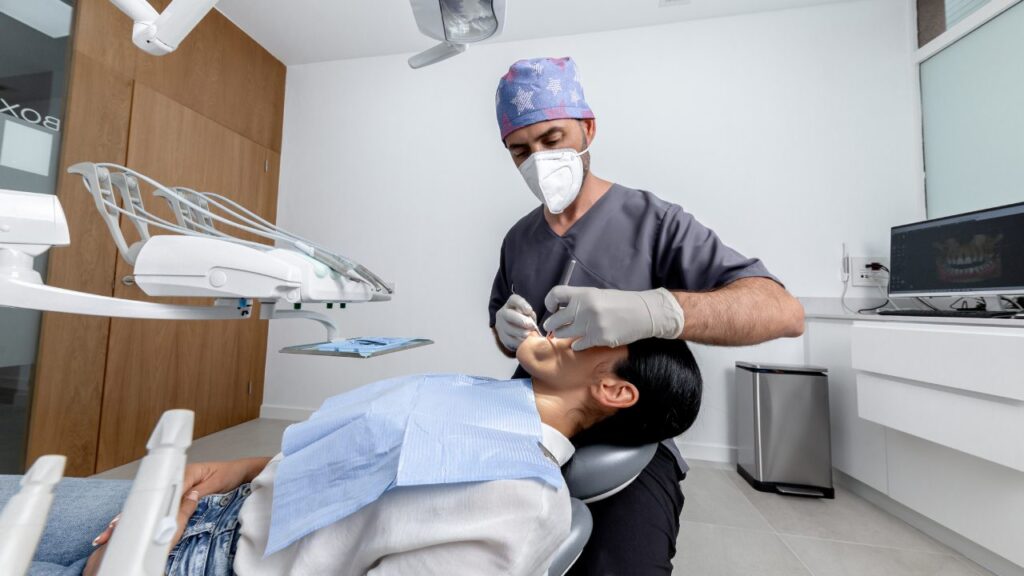
Before starting treatment with a sleep apnea oral device, it’s crucial to undergo a thorough evaluation by a qualified dentist. During this evaluation, the dentist will:
- Conduct a comprehensive examination of your mouth.
- Take X-rays and impressions of your teeth.
- Develop a tailored treatment plan alongside your sleep specialist [1].
This process ensures that the oral appliance is customized to your specific needs, promoting optimal fit and functionality in treating obstructive sleep apnea (OSA). Properly fitted devices, such as Mandibular Advancement Devices (MADs), can effectively pull the jaw forward, thereby keeping the airway open during sleep.
Regular Dental Check-Ups
Regular dental check-ups are essential for maintaining the long-term effectiveness of your oral appliance. These visits are important for several reasons:
- Monitoring any changes in your dental health.
- Ensuring that the oral appliance is in good condition and functions correctly.
- Making necessary adjustments to the appliance as your dental structure may change over time [1].
Typical side effects from wearing an oral appliance, usually short-term, may subside as you become accustomed to the device. Routine visits to your dentist can help manage these effects effectively. It’s generally recommended to schedule these follow-ups every six months or as directed by your dental care provider. If you’re interested in learning more about specific types of oral appliance therapy, visit our section on oral appliance therapy for sleep apnea.
By prioritizing evaluations and check-ups, you can ensure your oral appliance remains effective and comfortable, paving the way for successful treatment of your sleep apnea.