If a sleep study has labeled your obstructive sleep apnea as mild, you usually have more choices than a CPAP machine. The main dental treatment is a custom oral appliance, a mouthpiece a dentist fits so that, during sleep, it holds the lower jaw or tongue slightly forward and keeps the airway from narrowing. It is often paired with simple changes such as sleeping on your side, losing weight, or cutting back on alcohol in the evening. Reimels Dentistry in Huntersville, NC offers sleep apnea care as part of its general and restorative services. This guide explains how mild sleep apnea is identified, how an appliance works, who tends to do well with one, what the first weeks feel like, and how it compares with CPAP.
Understanding Sleep Apnea
Definition and Symptoms
Sleep apnea is a sleep disorder in which breathing stops and starts repeatedly through the night. In the most common type, obstructive sleep apnea (OSA), the muscles and soft tissues of the throat relax too much during sleep. The airway narrows or closes, airflow drops or stops for a few seconds, and the brain briefly rouses the body to start breathing again. Most people never remember these awakenings, but they break sleep into fragments. The American Dental Association describes OSA as a condition in which the airway is repeatedly blocked during sleep and notes that dentists can play a role in treatment.
Common signs include:
- Loud, frequent snoring
- Gasping, choking, or snorting sounds during sleep
- Pauses in breathing noticed by a bed partner
- Morning headaches or a dry mouth on waking
- Daytime sleepiness, even after a full night in bed
- Trouble focusing, irritability, or memory lapses
Mild sleep apnea can be easy to dismiss because the symptoms are often subtle. Some people mainly notice snoring and a vague sense of never feeling rested. A spouse may be the first to notice the breathing pauses. MedlinePlus offers plain-language background on sleep apnea symptoms and testing if you want to read more before talking with a doctor.
How “Mild” Is Determined
The severity of sleep apnea is measured during a sleep study, either in a sleep lab or with a home test device. The key number is the apnea-hypopnea index (AHI), which counts the average number of breathing pauses (apneas) and shallow-breathing episodes (hypopneas) per hour of sleep. The AHI, along with oxygen levels and your symptoms, places the condition in the mild, moderate, or severe range.
A dentist cannot make this diagnosis. A physician orders and interprets the sleep test and confirms that the problem is obstructive sleep apnea rather than snoring alone or a different sleep disorder. A dental appliance is planned around that diagnosis, not in place of it.
Health Risks of Untreated Sleep Apnea
Even mild sleep apnea is worth taking seriously. Repeated drops in oxygen and constant sleep interruptions put stress on the body over time. Conditions commonly associated with untreated sleep apnea include:
| Health Concern | Why It Matters |
|---|---|
| Heart and blood vessel problems | Repeated oxygen drops and surges in stress hormones strain the cardiovascular system |
| High blood pressure | Nightly breathing interruptions can push blood pressure upward |
| Stroke | Linked to the same cardiovascular strain |
| Type 2 diabetes | Sleep apnea is associated with insulin resistance |
| Mood changes | Poor sleep can contribute to irritability, low mood, and depression |
| Accidents | Daytime drowsiness reduces alertness behind the wheel and at work |
Not everyone with mild OSA develops these problems, and severity can change over the years, especially with weight gain or aging. That is one reason to treat it while it is still mild and to keep an eye on it afterward.
Treatment Options Overview
Non-Invasive Treatments
For mild obstructive sleep apnea, treatment often starts with the least invasive options. Oral appliance therapy is the main dental approach, and it is frequently combined with lifestyle steps that reduce how much the airway collapses at night.
| Treatment | What It Involves |
|---|---|
| Oral appliance therapy | A custom mouthpiece that keeps the airway open during sleep |
| Positional therapy | Sleeping on your side instead of your back, since back sleeping lets the jaw and tongue fall backward |
| Weight management | Losing excess weight can reduce tissue pressure around the airway |
| Limiting alcohol and sedatives at night | These relax the throat muscles and can worsen airway collapse |
| Treating nasal congestion | Easier nasal breathing can make other treatments more comfortable |
Some people with very mild, position-dependent apnea improve with lifestyle steps alone. Others need an appliance or CPAP. The right choice depends on the sleep study results, your anatomy, and what you are realistically able to use every night.
Importance of Seeking Treatment
Daytime fatigue from disrupted sleep affects work, driving, relationships, and general health. Because a treatment only helps when it is used, the best option for mild sleep apnea is often the one a person can wear consistently. If you have loud snoring, observed breathing pauses, or unexplained tiredness, talking with your physician about a sleep evaluation is the starting point. If you already have a diagnosis of mild OSA, a dental evaluation can tell you whether an oral appliance is a reasonable fit.
Oral Appliance Therapy Basics
How Oral Appliances Work
Oral appliances for sleep apnea look somewhat like a sports mouthguard or an orthodontic retainer, but they are built to change the position of the jaw or tongue while you sleep. By moving these structures forward, the device creates more space at the back of the throat so the soft tissues are less likely to collapse into the airway.
There are two main types:
| Type of Appliance | How It Works |
|---|---|
| Mandibular advancement device (MAD) | Fits over the upper and lower teeth and holds the lower jaw slightly forward, which pulls the tongue and soft tissues away from the back of the throat |
| Tongue-stabilizing device (TSD) | Holds the tongue forward with gentle suction so it cannot fall back and block the airway |
Mandibular advancement devices are the more common choice. Many are adjustable, so the amount of forward movement can be increased in small steps until symptoms improve while comfort is maintained. Tongue-stabilizing devices may be considered for people who do not have enough healthy teeth to anchor a jaw-advancing appliance.
Custom-Made vs. Over-the-Counter
Store-bought “boil and bite” snoring devices are widely available, but they are not the same as a dentist-fitted appliance.
| Type | Fit and Planning | Practical Notes |
|---|---|---|
| Custom-made | Built from impressions or scans of your teeth after a dental exam | Designed for your bite, can be adjusted in small increments, and monitored over time |
| Over-the-counter | Generic shape molded at home | No dental exam, limited adjustment, and a higher chance of poor fit or bite strain |
A custom appliance also lets the dentist check your teeth, gums, and jaw joints before treatment, which matters because the device rests on your teeth every night.
A snoring device can also quiet snoring without fully treating the breathing pauses underneath. That is why a sleep test and a professionally fitted appliance are the safer route for anyone who suspects apnea rather than ordinary snoring.
Effectiveness of Oral Appliances
Results vary from person to person. Many people with mild OSA find that a well-fitted appliance reduces snoring, improves sleep quality, and eases daytime sleepiness. Others see partial improvement and need an adjustment, a combination of approaches, or a different treatment.
CPAP is generally better at holding the airway open, but it only works when it is worn. For people who cannot tolerate a mask and hose, an oral appliance they actually use every night can be the more practical choice.
The only way to know whether an appliance is working for you is follow-up, which usually includes a repeat sleep test ordered by your physician once the device has been adjusted.
What the Process Usually Looks Like
While every case is individual, oral appliance therapy generally follows a similar path:
- Diagnosis by a physician. A sleep study confirms obstructive sleep apnea and its severity.
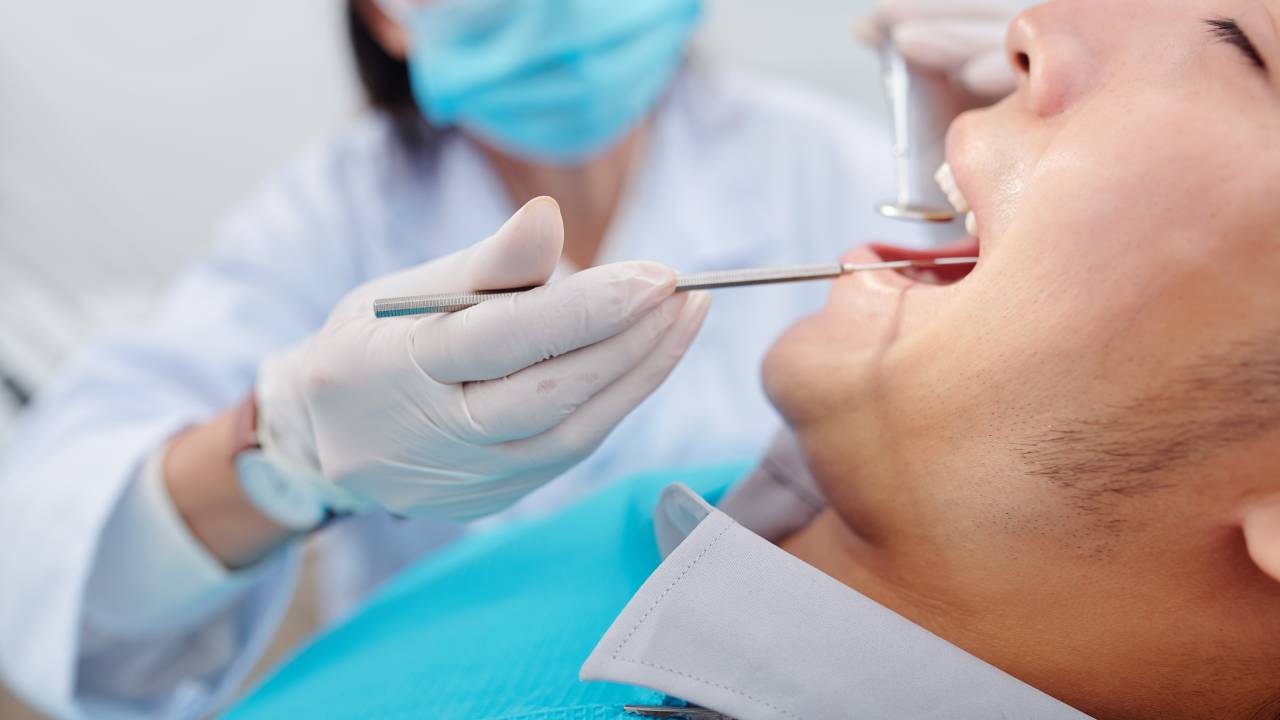
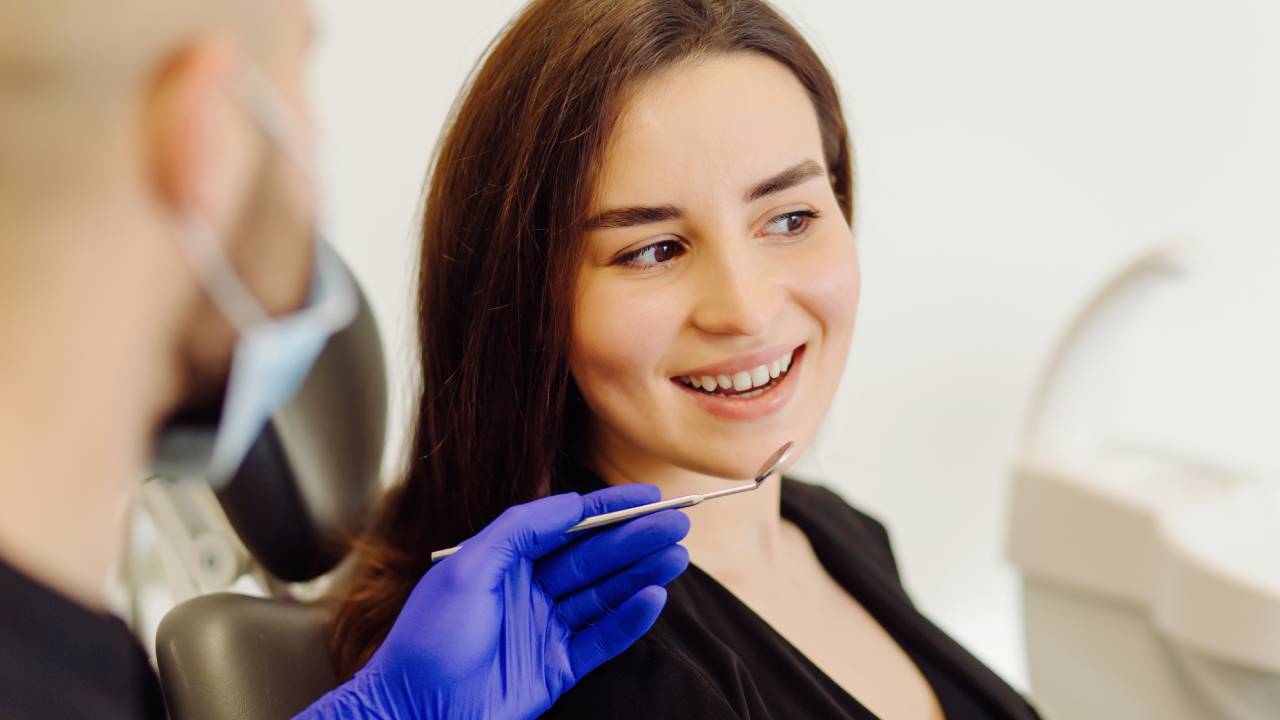
- Dental evaluation. The dentist examines your teeth, gums, bite, and jaw joints and reviews your health history to see whether an appliance is a good fit.
- Records and fabrication. Impressions or scans of your teeth are used to make a custom device.
- Fitting and instruction. You learn how to put the appliance in, take it out, and clean it.
- Gradual adjustment. Over the following weeks, the jaw position may be advanced in small steps to balance effectiveness and comfort.
- Follow-up testing. Your physician may order a follow-up sleep study to confirm the appliance is controlling your apnea.
- Ongoing checkups. Regular dental visits keep an eye on fit, wear, and any bite changes.
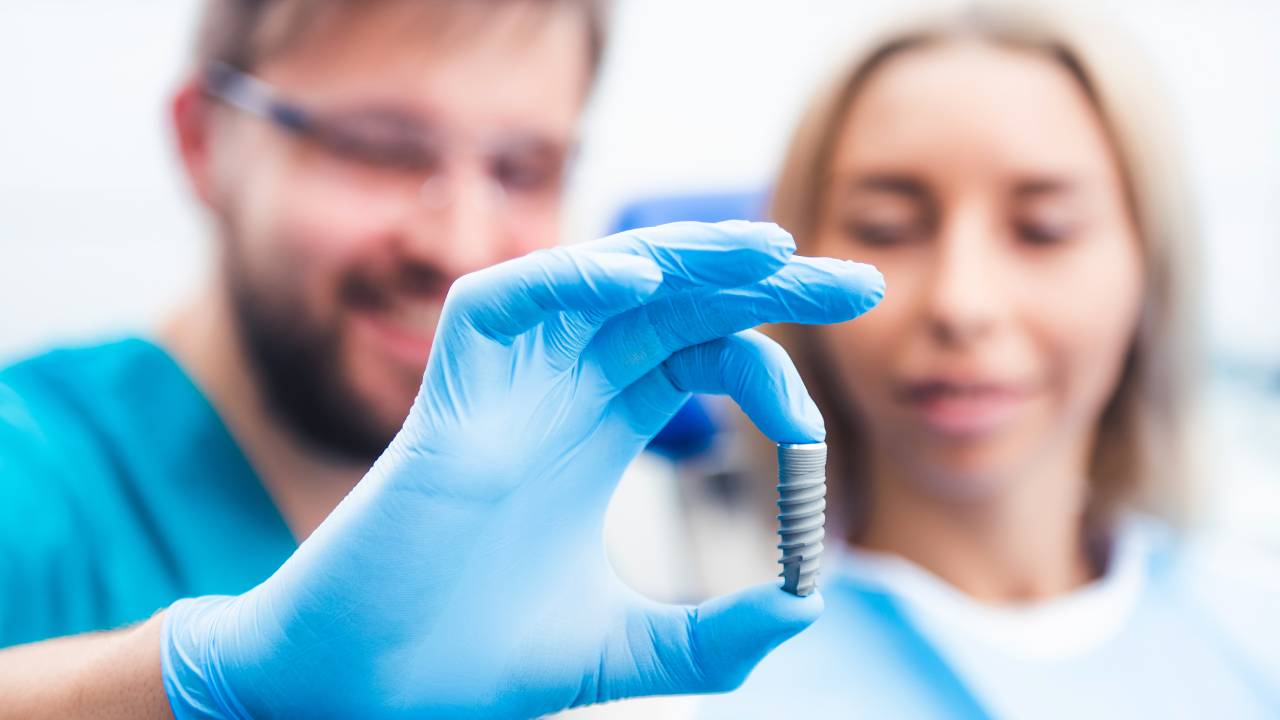
Reimels Dentistry provides sleep apnea care along with preventive exams, restorative work, implants, and other services under one roof. For patients who also need treatment such as fillings, gum care, or replacement of missing teeth, that dental work can be coordinated with appliance planning so the device continues to fit well.
Side Effects and Adjustment Period
Most people need a few weeks to get used to sleeping with an appliance. Common short-term effects include:
| Side Effect | What to Expect |
|---|---|
| Tooth or gum tenderness | Mild pressure or soreness, especially in the first days |
| Jaw stiffness | A tight feeling in the morning that usually eases soon after removing the device |
| Extra saliva or dry mouth | Either can happen early on and often settles with time |
| Bite feeling “off” | The teeth may not meet normally for a short time after waking |
These effects usually lessen as you adapt. Over the long term, some people notice gradual changes in how their teeth fit together, which is why regular dental checkups matter while using an appliance. Any persistent jaw pain, clicking, or bite change should be reported to your dentist so the device can be evaluated and adjusted.
Simple habits help: clean the appliance daily as instructed, store it in its case, keep up with brushing and flossing, and bring it to dental visits so the fit can be checked.
Considerations for Oral Appliance Therapy
Patient Suitability
Oral appliances are most often considered for adults with mild to moderate obstructive sleep apnea, as well as for people who have tried CPAP and could not tolerate it. A good candidate typically has:
- A confirmed diagnosis of obstructive sleep apnea
- Enough healthy teeth to hold the device securely
- Healthy gums and no untreated dental disease
- Jaw joints that can comfortably tolerate forward positioning
| Situation | Typical Approach |
|---|---|
| Mild to moderate OSA | Oral appliance is often a reasonable option |
| CPAP intolerance | Oral appliance may be considered as an alternative |
| Severe OSA | CPAP is usually the first choice, with appliances considered case by case |
| Jaw joint problems, loose teeth, or active gum disease | Requires careful evaluation and sometimes treatment first |
| Other medical conditions | Coordination with your physician |
People with dentures or many missing teeth may need a different design or may not be good candidates. Patients considering implants or other tooth replacement should mention sleep apnea during planning, since future restorations affect how an appliance fits.
Long-Term Monitoring and Care
An oral appliance is not a one-time fix. Weight changes, aging, dental work, and normal wear on the device can all affect how well it works. Regular follow-up allows the dentist to check the fit, look for bite changes, and replace or adjust the appliance when needed. Your physician remains involved in tracking the sleep apnea itself.
If the appliance is not giving the relief you expected after a reasonable adjustment period, the next step may be further adjustment, combining it with positional or lifestyle changes, or returning to CPAP. Treating mild sleep apnea is often a matter of finding the combination that works for your body and your routine.
Comparing Oral Appliance Therapy and CPAP
Both treatments aim to keep the airway open during sleep, but they feel very different to use.
| Feature | Oral Appliance | CPAP |
|---|---|---|
| How it works | Moves the jaw or tongue forward | Pushes pressurized air through a mask |
| What you wear | A mouthpiece | A mask connected to a hose and machine |
| Noise | Silent | Machine sound, which some people notice |
| Travel | Small and easy to pack | Bulkier, needs power |
| Effect on the airway | Often effective for mild to moderate OSA | Generally the most reliable at holding the airway open |
| Common complaints | Jaw or tooth soreness, bite changes | Mask discomfort, dry nose, air leaks, feeling confined |
Many people find a mouthpiece easier to live with than a mask and hose, which can make nightly use more consistent. Still, CPAP remains the stronger option for many cases, especially severe apnea. The decision should rest on your sleep study, your anatomy, your medical history, and an honest look at what you will use every night.
Paying for Treatment
Because sleep apnea is a medical diagnosis, coverage for an oral appliance often runs through medical insurance rather than a dental plan, and it usually depends on documentation from a sleep study. Reimels Dentistry is in-network with Blue Cross Blue Shield and also accepts private pay. The practice works on an out-of-network basis with other carriers and does not accept Medicare or Medicaid. Benefits vary by plan, so checking your own policy for sleep apnea and durable medical equipment coverage before treatment is the most reliable way to understand your costs.
Taking the Next Step
Mild sleep apnea is often very manageable. For many adults in Huntersville, Charlotte, and Cornelius, a custom oral appliance, combined with sensible lifestyle changes and regular follow-up, offers a comfortable way to sleep and breathe better. If you have a diagnosis of mild OSA, or symptoms that make you suspect it, a conversation with your physician and a dental evaluation at Reimels Dentistry can help you understand whether oral appliance therapy fits your situation.