A sleep apnea oral appliance is often covered by insurance, but usually by your medical plan rather than your dental plan. Custom oral appliances for obstructive sleep apnea (OSA) are generally treated as durable medical equipment (DME). That means coverage depends on a documented diagnosis from a sleep study, a prescription or order from a physician, and a device made and fitted by a qualified dentist. If those pieces are in place and your medical policy includes the benefit, part or all of the appliance may be paid for. If any piece is missing, the claim is likely to be denied. The rest of this guide explains how the therapy works, who tends to qualify, how insurance categories fit together, and what follow-up care looks like for patients of Reimels Dentistry in Huntersville and the surrounding area.
Understanding Oral Appliance Therapy
Introduction to Oral Appliance Therapy
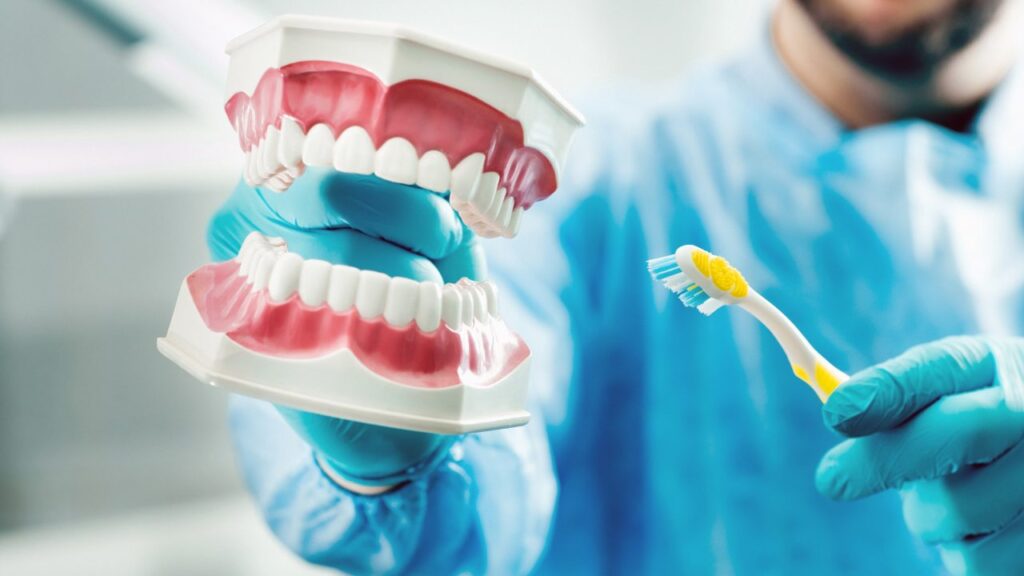
Oral appliance therapy is a non-invasive treatment for people with obstructive sleep apnea, most often those with mild to moderate cases. The appliance is a custom-made device that looks similar to a sports mouth guard or an orthodontic retainer. You wear it only while you sleep.
The goal is to keep the upper airway open. During sleep, the muscles of the throat and tongue relax. In people with OSA, those soft tissues can fall back and narrow or block the airway, which causes snoring, pauses in breathing, and repeated brief awakenings. An oral appliance holds the jaw or tongue in a position that leaves more room for air to pass.
For people who find CPAP (continuous positive airway pressure) hard to tolerate, an oral appliance can be a more comfortable option. It is small, quiet, needs no electricity, and is easy to pack for travel.
Types of Oral Appliances
There are two main kinds of oral appliances for sleep apnea.
| Type | How it works | Fit |
|---|---|---|
| Mandibular advancement device (MAD) | Holds the lower jaw slightly forward so the tongue and soft tissues stay away from the back of the throat | Custom-made from impressions or scans of your teeth |
| Tongue-retaining device (TRD), also called a tongue-stabilizing device | Uses a suction bulb to hold the tongue forward | Often not custom-fitted; some people find it bulky |
Mandibular advancement devices are the most common type. Because they are built around your own teeth and bite, a well-made MAD is usually more comfortable and more predictable than a one-size-fits-all product. Tongue-retaining devices may suit people whose airway blockage comes mainly from the tongue, or people who do not have enough healthy teeth to anchor a MAD.
Over-the-counter “boil and bite” mouthpieces are sold for snoring, but they are not the same as a custom appliance made for diagnosed sleep apnea. They are also not what insurance plans typically cover under a DME benefit, since coverage generally requires a custom-fabricated device. Medicare, for example, assigns a specific billing code, E0486, to custom-fabricated mandibular advancement devices, as described in the CMS policy article on oral appliances for OSA.
Effectiveness of Oral Appliances
Research supports oral appliances as a real treatment for OSA, not just a snoring aid. A review of oral appliances for obstructive sleep apnea in PubMed Central describes mandibular advancement devices as an effective option for many people with mild to moderate OSA and for people who cannot use CPAP, while noting that CPAP generally reduces breathing events more reliably.
There is an important tradeoff behind those findings. A treatment you actually use can do more for you than a stronger treatment that stays on the nightstand.
Oral Appliance Therapy Benefits
Positive Impact on Sleep Quality
When an appliance fits well and is adjusted correctly, people commonly report quieter sleep, fewer awakenings, and less snoring. By reducing the partial and complete airway blockages that interrupt breathing, the device can help sleep become more continuous. Bed partners often notice the change before the patient does.
Whether the appliance is actually controlling your apnea, and not only your snoring, is something to confirm with your physician. Snoring can quiet down while breathing pauses continue, so a follow-up evaluation is the only reliable way to know how well the treatment is working.
Improvement in Daytime Functioning
Untreated sleep apnea is tied to heavy daytime sleepiness, trouble concentrating, irritability, and long-term strain on the heart and blood vessels. When treatment improves sleep, many people describe feeling more alert during the day and having steadier energy and mood.
These improvements vary from person to person. They depend on how severe the apnea is, how consistently the appliance is worn, and whether other factors such as weight, nasal congestion, alcohol use, or sleep position are also affecting breathing at night.
Practical Advantages Over CPAP
- No mask or hose. Some people cannot sleep with a mask on their face or feel claustrophobic wearing one.
- Quiet. There is no motor or airflow noise.
- Portable. The appliance fits in a small case, which helps with travel and camping.
- No power needed. It works anywhere.
Candidacy for Oral Appliance Therapy
Mild to Moderate Sleep Apnea Candidates
You may be a good candidate for oral appliance therapy if:
| Criteria | Description |
|---|---|
| Diagnosis | A sleep study shows mild to moderate obstructive sleep apnea |
| CPAP experience | You have tried CPAP and could not use it consistently, or your physician agrees an appliance is a reasonable first choice |
| Dental health | You have enough healthy teeth and a stable bite to hold the device |
| Jaw comfort | You do not have jaw joint problems that would be worsened by holding the jaw forward |
A dental evaluation before treatment matters. The dentist checks your teeth, gums, existing restorations, and jaw joints to confirm the appliance will fit and function well. Untreated gum disease, loose teeth, or significant jaw pain may need to be addressed first.
Considerations for Severe Sleep Apnea
CPAP remains the standard first treatment for severe OSA. Oral appliances are sometimes used in severe cases, particularly when a person truly cannot tolerate CPAP, but the response tends to be stronger in milder disease, according to the PubMed Central review. For severe OSA, the decision should rest with your physician and sleep specialist, and insurance plans may ask for documentation that CPAP was tried and did not work before they approve an appliance.
Cost and Insurance Coverage
How the Insurance Pieces Fit Together
The most common source of confusion is which plan pays. Here is how it usually breaks down:
- Medical insurance is typically where an oral appliance for diagnosed sleep apnea is billed, because sleep apnea is a medical condition and the device is classified as durable medical equipment.
- Dental insurance usually covers routine dental care. Some dental plans may contribute toward an appliance, but many do not treat it as a dental benefit.
- Medicare has its own coverage rules for custom oral appliances. Reimels Dentistry does not accept Medicare, so Medicare beneficiaries would need to use a supplier that participates in Medicare for that claim.
- Medicaid is also not accepted at the practice.
Because policies differ widely, call the member services number on your insurance card and ask these questions before treatment begins:
- Does my medical plan cover a custom oral appliance for obstructive sleep apnea under the DME benefit?
- Is prior authorization required?
- Do I need to try CPAP first?
- What documentation do you need from my physician and dentist?
- Does my deductible or coinsurance apply, and what is my share likely to be?
- Are follow-up adjustments and future replacements covered?
Insurance Coverage Criteria
Most plans that cover oral appliances look for some version of the following:
- A documented diagnosis of obstructive sleep apnea.
- A sleep study, either in a lab or at home, that confirms the diagnosis and its severity.
- An order or prescription for the appliance from a treating physician.
- A custom-fabricated device made and fitted by a qualified dentist.
- In some plans, records showing that CPAP was tried and not tolerated.
The order of events matters. A dentist cannot diagnose sleep apnea. The diagnosis and the order for the appliance come from a physician, and the dental side handles the exam, impressions, fabrication, fitting, and adjustments. If you start with the dentist before you have a diagnosis, the next step will be a referral back to a physician for a sleep evaluation.
Insurance at Reimels Dentistry
Reimels Dentistry is in-network with Blue Cross Blue Shield. For Aetna, Americo, Cigna, Delta Dental, MetLife, UnitedHealthcare, and every other carrier not listed as in-network, the practice is out-of-network and bills that plan’s out-of-network benefits. How much an out-of-network plan pays depends on the terms of your specific policy, so checking with your insurer ahead of time is the best way to avoid surprises.
Patients without insurance can pay privately at Reimels Dentistry. The practice also offers an in-house dental membership plan as an alternative to traditional insurance, which includes 15% savings. A membership plan is not medical insurance and does not replace a medical DME benefit, but it may help with related dental care.
What the Cost Usually Includes
The total fee for a custom oral appliance typically bundles several services together: the dental evaluation, impressions or scans, the lab-fabricated device, the fitting appointment, and early adjustments. When you receive a cost estimate, ask what is included, how many follow-up visits are part of the fee, and what happens if the device needs to be remade.
Comparison with CPAP Therapy
Oral Appliance vs. CPAP Effectiveness
| Treatment | Strengths | Best fit |
|---|---|---|
| CPAP | Most reliable at reducing breathing events, including in severe OSA | All levels of OSA, especially severe |
| Oral appliance | Comfortable, quiet, portable, often worn more consistently | Mild to moderate OSA, or CPAP intolerance |
Other options exist as well. Positional therapy helps some people whose apnea happens mostly when they sleep on their backs. Surgery may correct certain structural causes of airway blockage. Your physician can explain which of these make sense for you.
Choosing Between Oral Appliance and CPAP
Consider these factors with your physician and dentist:
- Severity of sleep apnea. Milder cases tend to respond better to oral appliances.
- Comfort and tolerance. If CPAP has not worked for you because of mask discomfort, dryness, or noise, an appliance may be easier to stick with.
- Dental health. Healthy teeth and gums are needed to anchor the device.
- Insurance coverage. Plans may require a sleep study diagnosis and, sometimes, a documented CPAP trial.
- Overall health. Body weight, nasal breathing, and airway anatomy can all affect how well either treatment works.
Some people use both, relying on CPAP at home and an oral appliance when traveling. That decision belongs with your physician.
Maintenance and Follow-up Care
Importance of Regular Follow-up Visits
An oral appliance is not a one-visit treatment. After the initial fitting, the dentist gradually adjusts how far forward the device holds your jaw to find the position that controls symptoms while staying comfortable. Follow-up visits are also the time to check for side effects.
Many early side effects are mild and fade within a few weeks, but bite changes are a reason to keep up with regular dental checkups for as long as you use the device. Your physician may also recommend a follow-up sleep study to confirm the appliance is controlling your apnea.
Addressing Fit and Symptom Monitoring
Your mouth can change over time. Dental work such as new crowns or fillings, tooth loss, or gum changes can all affect how the appliance fits. Bring the appliance with you to dental visits so it can be checked.
Keep track of how you feel:
- Has snoring returned?
- Are you waking up tired or getting sleepy during the day again?
- Is your jaw sore in the morning, or does your bite feel different?
These details help your dentist and physician decide whether adjustments, a new device, or a different treatment is needed.
Coverage for Adjustments and Replacements
Insurance rules on follow-up care vary. Under Medicare’s policy, the CMS policy article states that fitting and adjustments during the first 90 days after the device is provided are included in the payment for the appliance itself. Private plans set their own rules for adjustments and replacement timelines, so ask your insurer how they handle visits after the initial fitting period and how often a replacement device is covered.
Caring for Your Appliance
- Rinse and gently brush the appliance each morning.
- Let it air dry and store it in its case.
- Keep it away from heat, which can warp the material.
- Keep it out of reach of pets.
With the right diagnosis, a well-fitted custom device, and steady follow-up, an oral appliance can be a practical, comfortable way to manage obstructive sleep apnea. Understanding how your medical and dental coverage work before treatment starts makes the process smoother and helps you plan for your share of the cost.