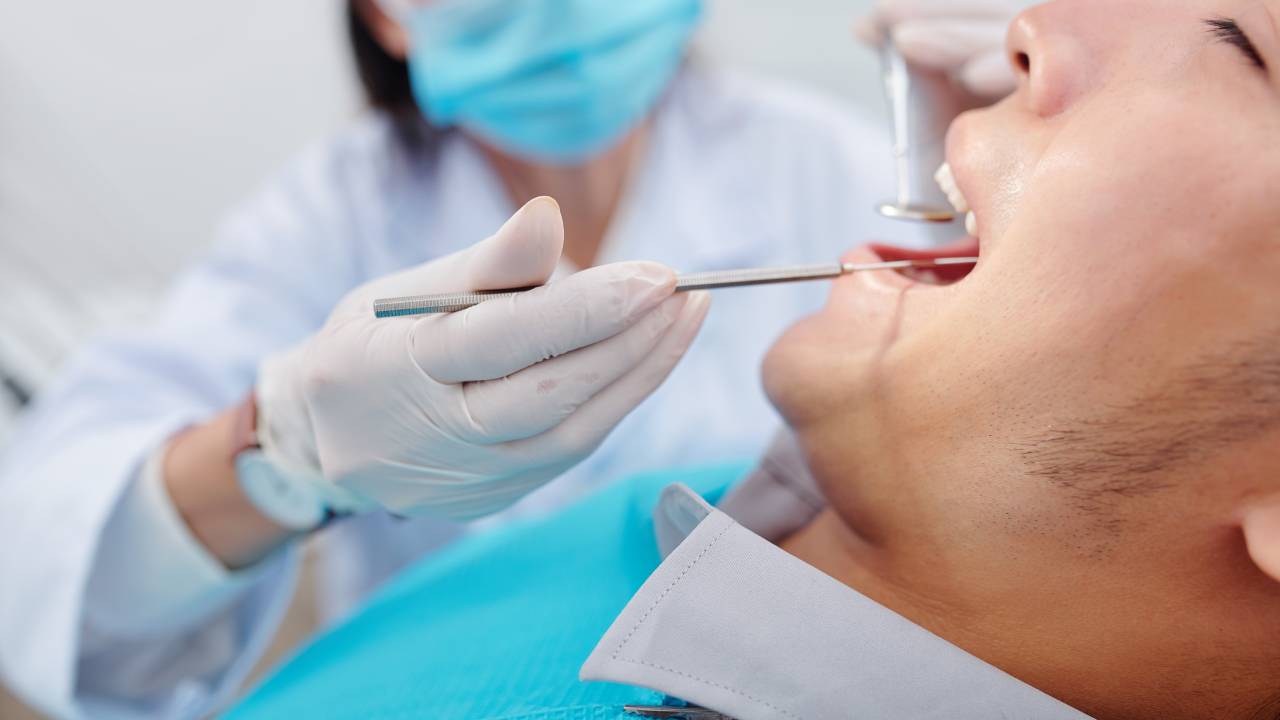
Understanding Comprehensive Dental Care
In today’s world, comprehensive dental care encompasses both restorative and aesthetic solutions. For individuals seeking optimal oral health, full mouth rehabilitation stands out as a vital service.
Benefits of Full Mouth Rehabilitation
Full mouth rehabilitation offers numerous advantages that go beyond just restoring damaged teeth. This procedure can safeguard your dental health significantly when teeth are compromised or absent. Here are some key benefits:
| Benefit | Description |
|---|---|
| Protection from Disease | Restores teeth to prevent further dental complications. |
| Improved Oral Function | Enhances chewing, speaking, and breathing. |
| Aesthetic Enhancement | Transforms the smile, boosting confidence and self-esteem. |
| Pain Relief | Alleviates discomfort caused by dental issues. |
| Quality of Life Improvement | Overall improvement in lifestyle due to better oral function. |
According to Regency Court Dentistry, full mouth rehabilitation not only restores functionality but also enhances aesthetics, alleviates pain, and significantly improves overall quality of life.
Importance of Aesthetic Dental Care
Aesthetic dentistry plays a pivotal role in a comprehensive approach to dental care, especially for affluent professionals and retirees who prioritize not only health but also appearance. Aesthetic procedures help to create a symmetric, balanced smile while addressing issues such as discoloration, misalignment, and damage.
Investing in aesthetic dental care can lead to:
| Aesthetic Benefit | Description |
|---|---|
| Improved Confidence | A beautiful smile positively influences social interactions and self-image. |
| Enhanced Functionality | Properly aligned teeth assist in better chewing and articulation. |
| Long-term Satisfaction | Aesthetic enhancements can lead to lasting results when maintained properly. |
These enhancements complement the restorative aspects of dentistry, transforming not just the smile but the overall well-being of individuals. For your best options in full mouth rehabilitation with root canals covered, consider collaborating with a trusted dental practice that specializes in comprehensive care.
Coverage and Costs
Understanding the financial aspects of comprehensive dental care is essential, especially when considering procedures like root canals as part of full mouth rehabilitation. This section covers insurance coverage and financing options to ensure you receive the care you need without overshooting your budget.
Dental Insurance for Root Canals
Dental insurance can significantly offset the costs of root canals. Most dental plans may cover between 50% and 80% of the procedure’s cost after you meet your deductible (Delta Dental). However, coverage specifics depend on your individual policy.
| Insurance Type | Coverage Percentage |
|---|---|
| Full Coverage Dental Insurance | 50% – 80% |
| DHMO Plans | Usually no annual maximum |
| Typical Annual Maximum | Varies by plan |
Full coverage dental insurance plans typically include services like preventive care, basic and major restorative care, and sometimes orthodontic treatments (Cigna). It’s important to review your specific policy to understand the extent of coverage for root canals, bridges, and dental implants.
Financing Full Mouth Rehabilitation
For procedures such as full mouth rehabilitation, dental financing options are available to help manage your costs. While insurance can cover a portion of the expenses, many patients find that they need supplementary financing to cover the full scope of treatment. Here are some common financing options:
| Option | Description |
|---|---|
| In-House Financing | Many dental practices offer payment plans to spread the cost over several months. |
| Third-Party Financing | Companies like CareCredit allow you to finance dental procedures with low or zero interest during introductory periods. |
| Flexible Spending Accounts (FSA) | You can use pre-tax dollars for your dental expenses, which can lead to significant savings. |
Before making a decision, it’s advisable to speak with your dentist’s office about available financing options and their implications. Understanding these aspects can help you better manage your dental health investments, ensuring that your full mouth rehabilitation, including root canals, is effectively covered. For more details on dental procedures covered by various insurers, visit our page on root canal procedure covered by Aetna or explore other dental product coverage options.
Root Canal Treatment Explained
Understanding the process and success of root canal treatment is crucial for your dental care. This section will elucidate the success rates and longevity of root canals as well as provide an overview of the procedure timeline.
Success Rates and Longevity
Root canal treatments, also known as endodontic therapies, boast a high success rate. More than 15 million teeth are treated and saved each year through root canal procedures. The treatment is successful in most cases and can last for many years, often providing benefits such as pain relief and the preservation of your natural tooth.
| Success Rate | Duration |
|---|---|
| High (90%+) | Often lasts a lifetime |
Most individuals recover from a root canal in less than a week, with any residual sensitivity typically resolving quickly (Cleveland Clinic). If prolonged pain occurs, it’s essential to contact your dental provider for further evaluation.
Root Canal Procedure Timeline
The timeline for a root canal procedure can vary based on the complexity of the case. Generally, most root canals take approximately 60 to 90 minutes to complete. However, some situations may necessitate more than one visit to finalize treatment (Cleveland Clinic).
| Steps in Procedure | Time Frame |
|---|---|
| Initial Consultation | Varies |
| Root Canal Treatment | 60 to 90 minutes |
| Recovery Period | Usually less than a week |
In your comprehensive dental care, it’s vital to understand these details about root canals, ensuring you’re well-informed about your potential treatment options. If you have dental insurance, it is beneficial to verify coverage options for root canal treatments. For information on coverage, explore root canal procedure covered by Aetna or details regarding insurance that covers dental implants.
Risks and Complications
Understanding the potential risks and complications associated with root canal treatments is essential for informed decision-making. While root canal procedures are generally safe and effective, complications can arise.
Common Complications of Root Canals
Root canal treatments can lead to several complications, including:
- Incomplete Removal of Infected Material: This can result in ongoing infection and pain.
- Failure of Restoration Materials: Fillings or crowns used to restore the tooth may not adequately seal, allowing bacteria to infiltrate.
- Nerve Damage: Damage to surrounding nerves can occur, causing pain or sensitivity.
- Apicoectomy Requirement: In some cases, if the root canal cannot be completed, an apicoectomy may be necessary to remove the infected tip of the tooth’s root.
Health risks associated with root canal treatment include:
- Pain during the procedure.
- Potential long-term risks such as infection in adjacent teeth or bone fractures.
- Formation of abscesses within the gums or bone structure (Shelby Charter Dentist).
Signs and symptoms indicating complications after a root canal may include:
- Persistent pain.
- Drainage through the gums near the treated area.
- Swelling around the gum line.
- Increased sensitivity while chewing.
- Fever, suggesting possible infections or abscesses.
Managing Root Canal Complications
If complications occur, several treatment options are available. These may include:
- Apicoectomy: A surgical procedure to remove any remaining infected tissue or drainage.
- Retreatment: Repeating the root canal procedure to ensure thorough cleaning and sealing.
- Extraction: As a last resort, complete removal of the affected tooth may be necessary to prevent further complications.
These treatments aim to eliminate bacteria or decay while preserving vital tooth structure and enhancing overall stability.
If you are considering a full mouth rehabilitation with root canals covered, it is essential to discuss these risks and management strategies with your dental professional to ensure you receive the highest level of care.
Alternatives to Root Canal
If you find yourself in a situation where root canal treatment is not viable or appealing, there are several alternatives to consider for restoring your dental health. Knowing your options can help you make informed decisions that align with your aesthetic and health priorities.
Dental Implants vs. Root Canals
Dental implants are one of the most popular alternatives to root canals. They offer a permanent solution for teeth that are beyond saving through traditional treatments. When considering dental implants, it’s important to note that insurance benefits for these procedures may be limited. Comprehensive dental plans often do not fully cover implants, potentially covering only a percentage of the total cost with additional requirements such as deductibles and waiting periods (Cigna).
Here’s a comparison of key factors between dental implants and root canals:
| Feature | Dental Implants | Root Canals |
|---|---|---|
| Duration of Treatment | 3-6 months for full process | 1-2 visits for procedure |
| Longevity | Permanent (can last 10-15 years) | Potentially lasts for many years |
| Insurance Coverage | Often partial coverage | Typically covered by insurance |
| Aesthetic Benefits | Looks and functions like natural teeth | Preserves natural teeth, may need crowns |
| Potential for Complications | Requires surgical procedures | May have complications (infection, pain) |
For more details on the coverage of dental implants, check out our articles on dental implant treatment covered by aetna and metlife insurance dental implant dentist.
Full Mouth Restoration Options
In some cases, a full mouth restoration may be advisable, especially if multiple teeth require treatment. This comprehensive approach can include a combination of various procedures, such as:
- Tooth Extractions: When teeth cannot be saved, extractions may be required to allow for the placement of implants or dentures.
- Fixed Bridges: These are recommended for replacing one or more missing teeth. They rely on adjacent teeth for support.
- Removable Partial or Complete Dentures: These can be customized to replace missing teeth effectively, offering both functionality and aesthetics.
- Regenerative Endodontic Therapy: This innovative approach aims to restore vitality to damaged teeth by promoting tissue growth within the tooth (Renovo Endodontic Studio).
For your convenience, we can help navigate options such as insurance-approved full arch dental implants and discuss coverage plans that might suit your restorative needs.
It’s essential to explore these alternatives thoroughly before making a decision. Speak with your dental provider about what’s right for you, factoring in your dental health goals and financial considerations.
Full Mouth Reconstruction
Full mouth reconstruction is a comprehensive dental procedure aimed at rebuilding and/or replacing all of the teeth in a patient’s mouth. This treatment improves health, function, and aesthetics through a combination of restorative and cosmetic dentistry techniques. Understanding candidates for this procedure, as well as the available treatment options, is essential for making informed decisions regarding your dental care.
Candidates for Reconstruction
Certain individuals are more likely to benefit from a full mouth reconstruction. Candidates typically include:
- Patients with multiple missing teeth
- Individuals with large failing fillings or decay
- Those with cracked or broken teeth
- Patients experiencing severe wear due to habits like teeth grinding
- Individuals born with conditions such as Ectodermal Dysplasia, Ameliogenesis, or Dentinogenesis Imperfecta
These conditions indicate a need for extensive tooth restoration while improving overall oral health and functionality. Full mouth reconstruction may also be necessary for patients recovering from oral cancer who require a unique treatment approach to replace missing teeth and restore the oral cavity’s structure. For more details, you may refer to the American College of Prosthodontists.
Treatment Options and Procedures
Full mouth reconstruction involves various treatment modalities designed to improve the appearance and functionality of teeth. Options may include:
| Treatment Option | Description |
|---|---|
| Crowns | Caps placed over damaged or decayed teeth to enhance strength and appearance. |
| Bridges | Appliances used to replace one or more missing teeth. |
| Veneers | Thin shells applied to the front of teeth to enhance aesthetics. |
| Dental Implants | Fixed replacement options for missing teeth that provide a natural look and feel. |
| Dentures | Removable appliances designed to replace missing teeth for those requiring full or partial restoration. |
| Orthodontics | Misalignment correction that may be employed to improve bite and alignment. |
Consultation with a prosthodontist is advisable when considering full mouth reconstruction. This process often requires a collaborative effort among dental professionals from various specialties to achieve optimal outcomes. You can learn more about dental restoration services covered by MetLife or explore additional treatment options suitable for your condition.
Investing in a full mouth reconstruction can produce a significant transformation in your dental health and appearance. Prioritize your oral well-being by seeking a trusted dental practice specializing in comprehensive care, ensuring you receive the best treatment tailored to your needs.