A guide from Reimels Dentistry for Huntersville, Charlotte, and Cornelius residents who carry Delta Dental and need help with jaw pain: how to discover trusted Delta Dental TMJ coverage providers, what safe TMJ care looks like, how your plan’s network rules work, and where general dental care fits once your jaw is under a specialist’s care.
To discover trusted Delta Dental TMJ coverage providers, begin with your plan rather than with a dentist’s website. Delta Dental sells several plan types, and each handles networks and out-of-network care differently. Temporomandibular joint (TMJ) problems also tend to fall between dental and medical insurance, so the right provider is the one whose training matches your symptoms and whose billing matches your plan.
This article is meant to help you find that provider. It also states something plainly: Reimels Dentistry in Huntersville does not provide TMJ disorder treatment. We are also out-of-network with Delta Dental. Below you will find how TMJ disorders are diagnosed and treated, how to choose a qualified provider, how Delta Dental members can use out-of-network benefits, and how our general, restorative, and emergency dentistry can support you alongside that care.
What TMJ Disorders Are and Why the Right Provider Matters
The temporomandibular joints connect your lower jaw to your skull, one in front of each ear. Temporomandibular disorders (TMD) cover a group of conditions that affect these joints and the muscles that move the jaw.
Common symptoms include:
- Pain in the jaw joint or chewing muscles
- Clicking, popping, or grating sounds when you open or close your mouth
- Limited jaw movement
- A jaw that locks open or closed
- Pain that spreads to the face, temples, or ears
Several factors can contribute. Injury to the jaw or joint, arthritis in the joint, and muscle overuse from clenching or grinding (bruxism) are among the most frequently discussed. Stress and demanding physical tasks can lead people to clench without noticing, which tires the muscles and adds strain to the joint. For many patients no single cause is found.
That uncertainty is why the provider matters. A clinician who manages TMD regularly can tell muscle pain apart from a joint problem and start with the least invasive approach that suits your case. The National Institute of Dental and Craniofacial Research’s TMJ Disorders booklet recommends conservative, reversible treatment first and cautions against treatments that permanently change the bite or the joint.
How TMJ Disorders Are Diagnosed
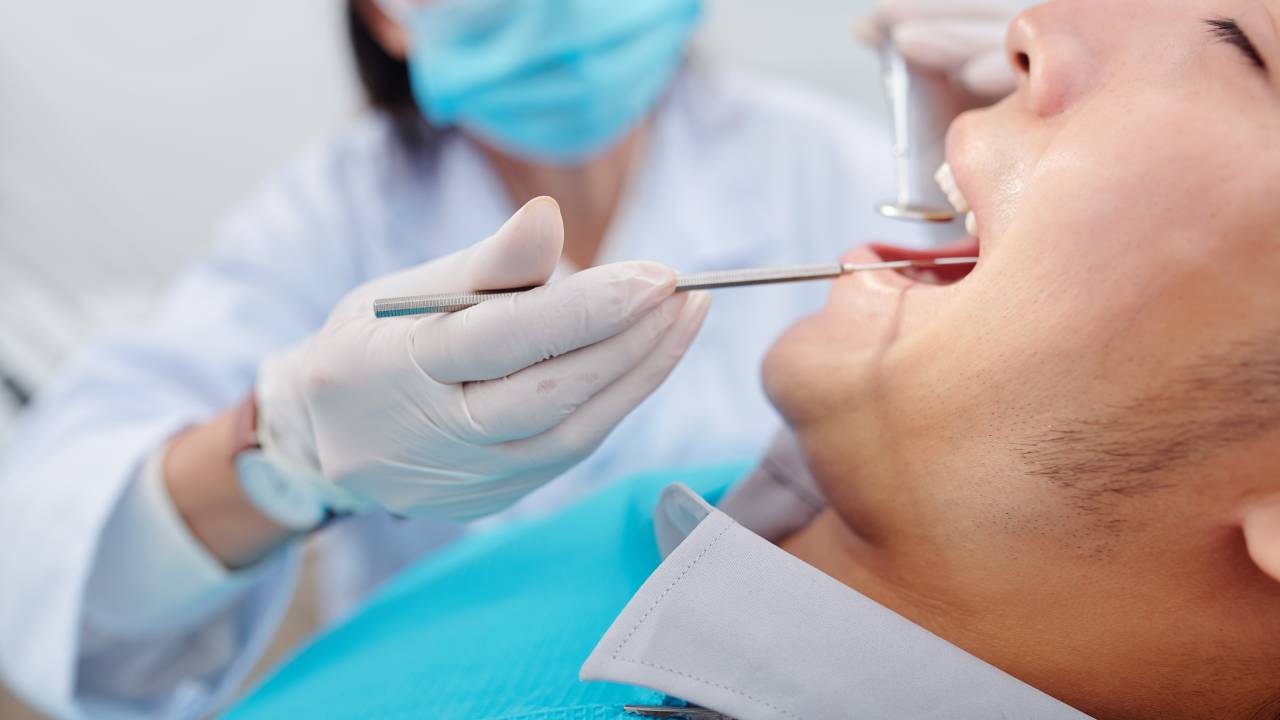
A TMJ evaluation usually begins with conversation and a hands-on exam, not imaging. A qualified provider will typically:
- Ask about when your pain began, how long it lasts, and what makes it worse
- Feel the jaw joints and chewing muscles for tenderness
- Listen for clicking, popping, or grating as you move your jaw
- Measure how far and how smoothly your mouth opens
- Check whether the jaw catches or locks
For many patients, that history and exam provide enough information to begin conservative care. When the picture is unclear or symptoms do not improve, the provider may order imaging.
| Diagnostic step | What it shows |
|---|---|
| Patient history | Pattern, duration, and triggers of symptoms |
| Physical examination | Tenderness, joint sounds, range of motion |
| TMJ X-rays | Bony structures of the joint |
| MRI | Soft tissues, including the joint disc |
Be cautious of any provider who suggests expensive, permanent treatment before a careful exam and a trial of conservative care.
Self-Care: Where Most TMJ Management Begins
TMJ discomfort often comes and goes, and many cases ease with time and simple measures. Before or alongside professional care, these steps are widely recommended:
- Eat softer foods. Skip hard, chewy, or sticky foods that load the jaw.
- Limit wide jaw movements. Avoid gum chewing, large bites, and yawning with your mouth fully open.
- Use heat and cold. Moist heat relaxes tight muscles. Cold packs can ease swelling and soreness.
- Do gentle jaw exercises. Your provider or a physical therapist can show you movements that improve mobility without strain.
- Reduce stress and notice clenching. Many people clench during the day without realizing it. Keeping the teeth apart and the jaw relaxed helps.
If self-care does not bring relief within a reasonable time, or if your jaw locks, see a qualified provider.
Conservative Versus Invasive Treatment
TMD treatment covers a range from fully reversible care to surgery. Knowing that range helps you judge whether a provider’s recommendations are appropriate.
Non-Invasive, Reversible Options
These approaches do not make permanent changes to your teeth, jaws, or joints:
- Oral appliances. Custom splints or guards can reduce clenching and grinding and ease muscle strain. A properly made appliance is adjusted over time and can be stopped if it does not help.
- Physical therapy. Stretching and strengthening exercises, sometimes paired with modalities such as ultrasound or TENS (transcutaneous electrical nerve stimulation), may relieve pain and improve movement.
- Short-term medications. A physician or dentist may suggest pain relievers or muscle relaxants for limited periods.
- Behavior and stress management. Habit awareness and stress reduction address a common driver of muscle pain.
| Non-invasive option | Main advantage |
|---|---|
| Self-care | Low cost, done at home |
| Oral appliances | Custom fit, reversible |
| Physical therapy | Professional guidance, several techniques |
Invasive Procedures
Invasive treatment is usually considered only after conservative care has failed and only when a specific joint problem has been confirmed.
- Injections. Corticosteroid injections into the joint can reduce inflammation in selected cases.
- Arthrocentesis. The joint is flushed to remove debris and inflammatory byproducts, typically under local anesthesia.
- Arthroscopy. A small camera is placed into the joint to remove inflamed tissue or reposition structures.
- Open-joint surgery. Reserved for severe structural problems.
| Invasive option | Key concerns |
|---|---|
| Injections | Side effects, temporary benefit |
| Arthrocentesis | Infection, joint injury |
| Surgery | Permanent changes, ongoing pain |
Why Irreversible Treatment Calls for Caution
Joint replacement with artificial implants and other irreversible procedures can carry serious risks, including persistent pain, permanent jaw damage, and device failure, and long-term evidence on them is limited. The NIDCR booklet advises patients to avoid treatments that cause permanent changes whenever possible. If a surgical option is proposed, a second opinion from another TMD-experienced clinician is reasonable.
Who Provides TMJ Care
Depending on your symptoms, TMJ care may come from:
- Dentists with focused TMD training, often for evaluation and oral appliance therapy
- Orofacial pain specialists, who manage chronic jaw and facial pain
- Oral and maxillofacial surgeons, for injections, arthrocentesis, and surgery
- Physical therapists with jaw and neck experience
- Physicians, including primary care, for medical evaluation and medication
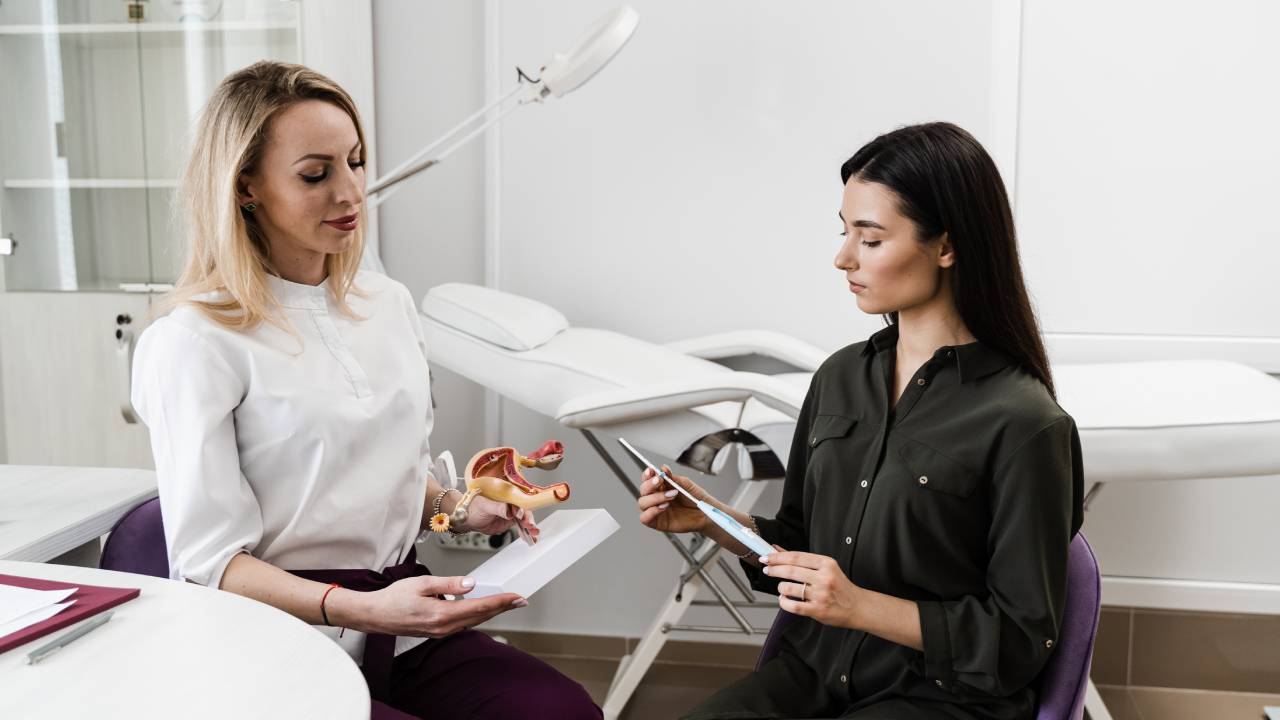
When you check credentials, ask how often the provider treats TMD, what they usually try first, and how they decide when to escalate. A trusted provider will explain why each step is needed and what to expect if it does not work.
Delta Dental Plan Types and How Networks Work
Delta Dental offers several plan types, and your plan’s structure decides which providers you can see and how they are paid. Delta Dental member materials describe how plans treat in-network and out-of-network dentists differently.
| Plan type | How networks generally work |
|---|---|
| Delta Dental PPO | You can see any licensed dentist. Costs are usually lower in-network, and out-of-network care is allowed. |
| Delta Dental Premier | A large network with broad dentist choice. |
| DeltaCare USA (DHMO) | You choose a primary dentist in the DeltaCare network. Out-of-network care is generally not covered. |
| Delta Dental EPO | Covered services generally require in-network dentists. |
Your plan type matters more than the Delta Dental name. A PPO member usually has out-of-network benefits. A DHMO or EPO member may not. Your plan documents and Delta Dental’s member service can confirm which you have.
TMJ Coverage: Dental, Medical, or Neither
Many dental plans limit or exclude TMJ treatment, and some list TMJ care under medical insurance instead. Before booking, ask Delta Dental and your medical insurer:
- Does my plan cover TMJ diagnosis, imaging, oral appliances, or physical therapy?
- Is TMJ care handled through my dental plan, my medical plan, or both?
- Is preauthorization required?
- What are my out-of-network benefits, and how are they paid?
Get the answers in writing when you can. Delta Dental’s online cost estimator can help with planning, but it does not guarantee fees or coverage, so confirm details with both the provider and the plan.
Reimels Dentistry and Delta Dental: Using Your Out-of-Network Benefits
Reimels Dentistry is out-of-network with Delta Dental. In the words of our insurance record: “In-network with BCBS GRID+ only.” Blue Cross Blue Shield is the only carrier we are in-network with. We are out-of-network with Delta Dental and every other carrier, and we do not accept Medicaid or Medicare.
If you carry a Delta Dental plan that includes out-of-network benefits, you can still receive general dental care with us at Reimels Dentistry and apply those benefits toward it. What your plan reimburses depends on your own plan, so review your benefits summary or call Delta Dental before treatment. We cannot promise any amount of coverage, and we do not state percentages, deductibles, or fee amounts here because they vary from plan to plan.
For patients who would rather not rely on insurance, or who need help with the portion their plan does not pay, the options on our record at Reimels Dentistry are:
- Self-pay
- Cherry
- Sunbit
- CareCredit
- LendingClub
- Proceed Finance
What Reimels Dentistry Does Not Provide, and What We Do
To be clear: we at Reimels Dentistry do not diagnose or treat TMJ disorders. If your main problem is jaw joint pain, clicking with pain, limited opening, or locking, a TMD-experienced dentist, orofacial pain specialist, or oral surgeon is the right first stop. Use the plan questions above to find one who fits your coverage.
Where we at Reimels Dentistry can help is the dental care that sits alongside TMJ treatment. Teeth and gums still need attention while your jaw is being managed, and some TMJ patients also face problems that a general and restorative practice handles. Our confirmed services include:
- Preventive care, exams, and cleanings to keep your teeth and gums healthy during and after TMJ treatment
- Restorative care, including root canals, tooth extraction, zirconia fixed bridges, and full and partial dentures
- Dental implants, from single implants to full-mouth options, planned with computer-guided implant surgery
- Gum disease treatment and soft tissue periodontics
- Invisalign and orthodontics, which you can discuss with both us and your TMJ provider if bite alignment is a concern
- Sleep apnea care, which you can discuss with us if a physician has raised it
- Same-day emergency appointments for a broken tooth, a lost restoration, or dental pain that is not coming from the jaw joint
- Sedation dentistry for patients who find dental visits stressful
When you are under a TMJ provider’s care, let us at Reimels Dentistry know before any dental work. Long appointments with the mouth held open can be hard on a sore jaw, and we can plan visits with that in mind and coordinate with your provider’s recommendations.
A Practical Path for Delta Dental Members
- Identify your plan type. PPO, Premier, DHMO, or EPO determines whether out-of-network care is an option.
- Ask where TMJ care is covered. Confirm whether your dental plan, your medical plan, or both handle it, and whether preauthorization is required.
- Choose a TMD-experienced provider. Look for someone who starts with a careful exam and reversible care.
- Start conservatively. Self-care, appliances, and physical therapy come before injections or surgery for most patients.
- Seek a second opinion before anything irreversible.
- Keep your general dental care on schedule. Exams, cleanings, and restorative needs continue during TMJ treatment. If you want to see us at Reimels Dentistry for that care, you can use your Delta Dental out-of-network benefits as your plan allows, or use self-pay or one of the financing options listed above.
Frequently Asked Questions
Does Reimels Dentistry treat TMJ disorders?
No. We do not diagnose or treat TMJ disorders. We provide general, restorative, cosmetic, implant, and emergency dentistry that can support you alongside care from a TMJ provider.
Is Reimels Dentistry in-network with Delta Dental?
No. We are out-of-network with Delta Dental. Our only in-network carrier is Blue Cross Blue Shield.
Can I use my Delta Dental plan at Reimels Dentistry?
If your plan includes out-of-network benefits, you can apply them toward care here according to your own plan’s terms. Check with Delta Dental to learn what your plan reimburses.
How do I find a trusted TMJ provider with Delta Dental?
Confirm your plan type and where TMJ care is covered, then look for a dentist, orofacial pain specialist, or oral surgeon who treats TMD regularly and begins with conservative, reversible care.
What should I try before seeing a provider?
Soft foods, limiting wide jaw movements, heat or cold, gentle exercises, and stress reduction help many people. See a provider if symptoms persist or your jaw locks.