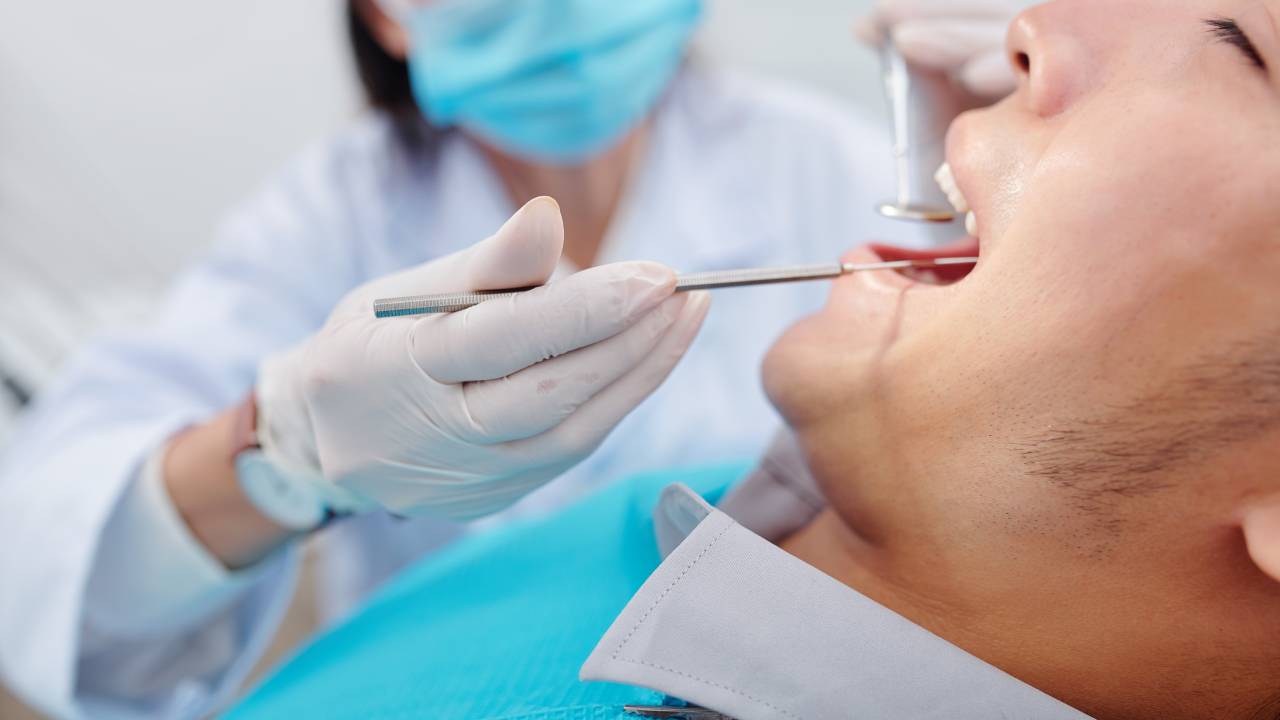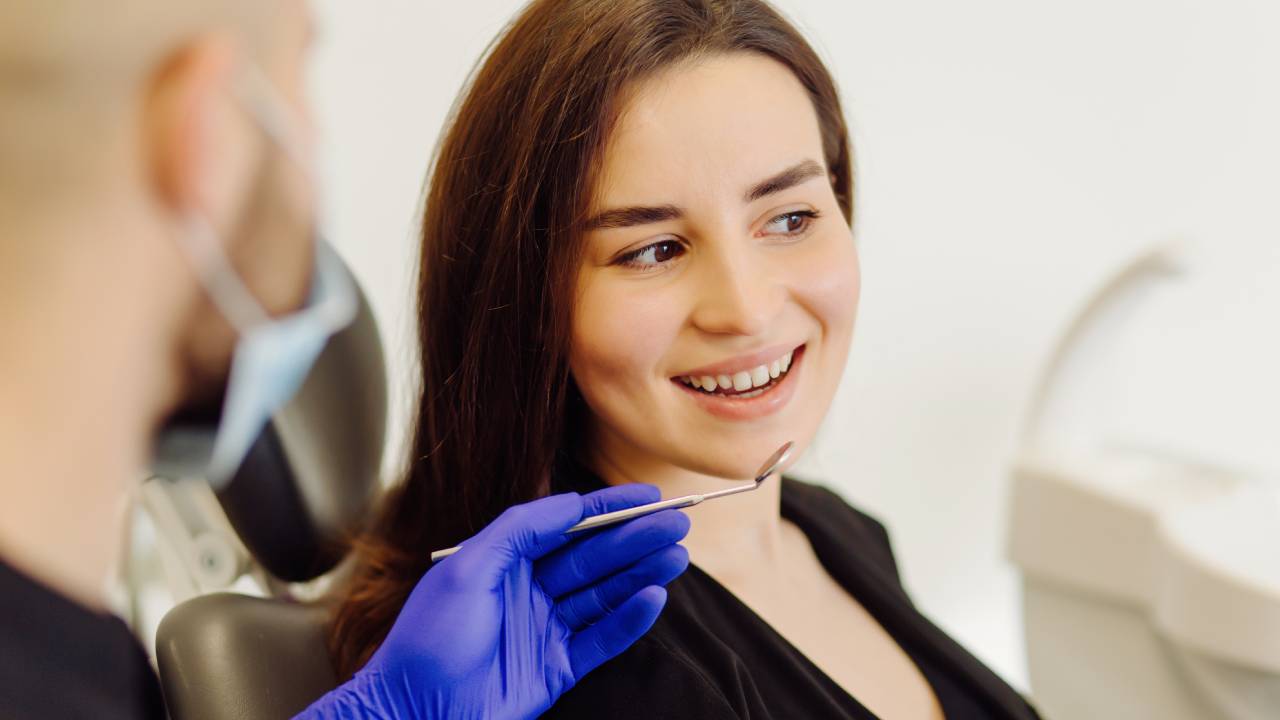
Choosing a cosmetic dentist is one of the few healthcare decisions where the results are visible every time you smile, which makes getting it right more consequential than picking a provider for a routine checkup. Knowing what to look for in a cosmetic dentist before you book separates a treatment plan you’ll be proud of from one you’ll spend years regretting.
Why Credentials Are Your First Filter
A 2021 report from the American Dental Association Health Policy Institute found that patient satisfaction with elective dental procedures correlates directly with the provider’s documented post-graduate training, not just licensure. Every licensed dentist can legally perform cosmetic procedures in the United States. That’s the catch: no ADA-recognized specialty exists for cosmetic dentistry, which means the credential gap between a generalist who occasionally places veneers and a dentist who has invested hundreds of hours in advanced cosmetic education is invisible on a basic license.
The American Academy of Cosmetic Dentistry (AACD) fills that gap. AACD accreditation requires passing written and oral exams, submitting clinical case documentation, and demonstrating mastery of complex aesthetic outcomes. Membership alone signals intent; accreditation signals demonstrated competence. Before your appointment, look up the dentist’s AACD status at aacd.com. It takes three minutes and tells you whether the person shaping your smile has been held to a measurable standard beyond the state minimum.
The Difference Between General Training and Specialized Cosmetic Education
Any dentist completing dental school has foundational exposure to cosmetic procedures, but foundational is the operative word. The providers who consistently produce exceptional cosmetic outcomes pursue continuing education in full-mouth rehabilitation, smile design, and soft-tissue management well beyond what school covers. Look for fellowship programs, hands-on institutes like the Kois Center or the Las Vegas Institute, or documented CE hours specifically in cosmetic disciplines.
Before booking, call the front desk and ask for a summary of the dentist’s cosmetic-specific continuing education. A practice confident in its providers will answer without hesitation.
How to Evaluate a Cosmetic Dentist’s Portfolio and Case Experience
A 2019 study published in the Journal of Esthetic and Restorative Dentistry reviewed 600 cosmetic dental patients and found that provider case volume in the specific procedure requested was the strongest predictor of patient satisfaction, more so than price, location, or overall practice rating. Volume builds the judgment you can’t learn from a textbook: how enamel responds under different lighting, how gum tissue frames a crown, how bonding ages over three years.
A strong portfolio shows variety , veneers, composite bonding, whitening, full-mouth rehabilitation , with consistent photography conditions and cases that span different tooth shapes, skin tones, and starting points. When you’re evaluating a provider, request cases that resemble your specific concern. Not a general gallery, not a highlight reel of their easiest wins. Cases that look like your situation before treatment started.
What Before-and-After Photos Actually Tell You
Before-and-after photos tell you a great deal, but only if you know how to read them. Consistent lighting, the same camera angle, and neutral backgrounds across photos indicate that the practice documents cases systematically rather than cherry-picking flattering shots. Variation in photo conditions, overly saturated colors, or teeth that look unnaturally uniform are signs worth pausing on.
More telling: whether the photos are the dentist’s actual patients or stock imagery. Ask directly. If a dentist is hesitant to share their own case documentation, or if no portfolio exists, that is a hard stop. A provider doing meaningful cosmetic volume has the cases to show for it.
Questions to Ask at the Consultation
A 2020 consumer health survey by Software Advice found that 68% of dental patients attend consultations without preparing clinical questions, treating the appointment as a pitch rather than an evaluation. The consultation runs both ways. You’re assessing the provider as much as they’re assessing your teeth.
The questions that surface the most useful information: How many of this specific procedure have you completed in the last 12 months? Can you connect me with a past patient who had similar work done? What does your revision or touch-up policy look like if the outcome doesn’t meet expectations? These aren’t adversarial questions. A dentist confident in their work welcomes them.
For patients pursuing more involved treatment, understanding how training standards translate to implant-level care follows the same logic: the credential gap matters more the more complex your needs are.
How to Assess Technology and Treatment Planning
A 2022 industry report from the American Academy of Cosmetic Dentistry found that practices using digital smile design software reported a 31% reduction in patient dissatisfaction with final outcomes, attributed to patients having realistic visual expectations before treatment began. The mechanism is straightforward: when you see a simulation of your projected result, you and the dentist are working from the same picture.
The technology worth asking about includes digital smile design software, intraoral scanners that replace traditional impressions, and CBCT imaging for cases involving implants or bone assessment. Ask whether the practice offers a digital preview of your outcome before any preparation work begins. Practices that invest in this kind of patient-centered treatment planning produce fewer surprises and better-aligned expectations on both sides.
What Reputation Signals Are Worth Trusting
A 2023 PatientPop survey of 2,100 dental patients found that 74% read online reviews before selecting a new dentist, but fewer than a third reported knowing how to evaluate review quality. Volume and star rating alone are weak signals. Two hundred vague five-star reviews saying “great staff, easy parking” tell you very little about clinical outcomes. Eighty reviews that name specific procedures , “my veneers looked completely natural,” “the Invisalign result matched what they showed me in the simulation” , tell you considerably more.
When auditing reputation, focus on Google and Healthgrades reviews that describe cosmetic procedures by name, mention the consultation process specifically, or reference how the dentist handled a complication or revision. Recency matters too: a practice that earned strong reviews four years ago but has gone quiet recently warrants a closer look.
For patients comparing providers across a broader range of procedures, practices that operate as a single destination for multiple specialties carry a structural advantage: your records, imaging, and treatment history live in one place, and referrals between providers happen in the same building. That coordination affects both treatment quality and the patient experience in ways that show up in reviews.
What to Try This Week
Pick one dentist you’re considering and spend 20 minutes running this full sequence: check their AACD membership or accreditation, request a portfolio of cases matching your specific concern, and audit their Google and Healthgrades reviews for procedure-specific language. That single hour of research is worth more than any consultation you walk into unprepared. Your smile is with you for the long term, and the decision about who shapes it deserves that much attention before you book.