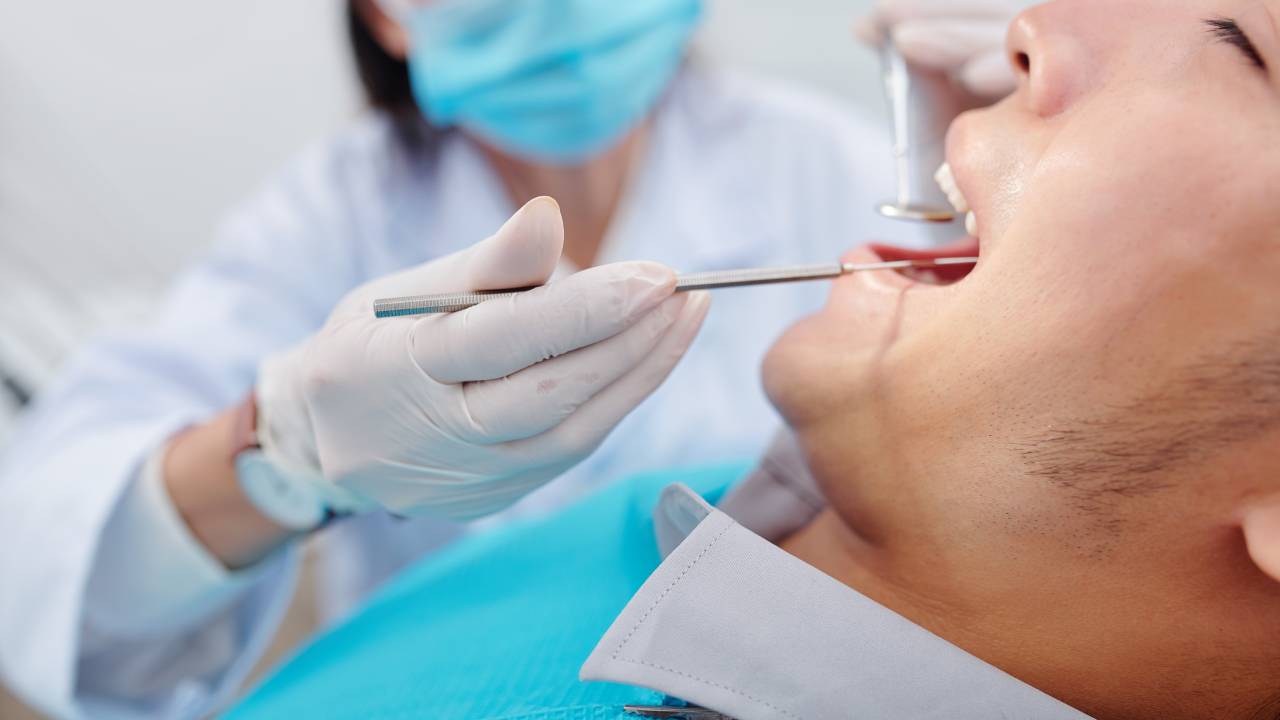
You’ve likely experienced the discomfort of a damaged filling and searched for a repair broken filling dentist to restore your tooth’s health. Whether you spot a crack, feel sensitivity, or simply want to prevent future issues, understanding the process can ease your mind. In this article, you’ll learn what to expect on your visit—from diagnosis to advanced restorative solutions—so you can face treatment confidently and protect your smile.
Understand broken fillings
Before your appointment, it helps to know why fillings fail and how to spot the warning signs.
Causes of broken fillings
- Daily wear and tear: Over years of chewing, dental fillings can crack or chip.
- Teeth grinding (bruxism): Excessive pressure on fillings can fracture them.
- Temperature changes: Amalgam fillings expand and contract with hot and cold foods, leading to cracks [1].
- Hard or sticky foods: Biting down on nuts, ice, or candy can dislodge or damage a filling.
- Aging materials: Fillings lose their seal over time, allowing stress points to form.
Symptoms of a broken filling
Even if you don’t see the crack, you may notice:
- Sharp pain when you bite or chew.
- Sensitivity to hot, cold, or sweet foods.
- A rough or uneven surface on the filling.
- A visible hole or dark spot on the restoration [2].
Consequences of ignoring damage
Leaving a cracked filling untreated can trap bacteria between the tooth and the old filling, leading to decay or infection. You risk:
- Increased tooth decay under the filling.
- Exposure of dentin and pulp, which may require a root canal or extraction [3].
- Gum disease, bad breath, and even tooth loss if decay spreads [4].
Prepare for your visit
A little planning ensures your appointment runs smoothly and you get the right restorative care.
Gather your dental history
Bring information about:
- Past fillings and materials used.
- Any dental X-rays from previous exams.
- Known allergies to dental materials.
Check your insurance coverage
- Verify benefits for fillings, crowns, bridges, and implants.
- Ask about deductibles and co-pays for restorative procedures.
- Review your plan for insurance covered restorations.
Complete medical forms
You may need to disclose:
- Current medications.
- Medical conditions such as diabetes or heart disease.
- History of dental anxiety or sedation needs.
Explore arrival process
When you arrive, you’ll experience a structured, patient-centered consultation.
Initial consultation at front desk
- Confirm your appointment and personal details.
- Provide insurance and payment information.
- Review any new or updated health forms.
Comprehensive oral exam
- Your dentist inspects the damaged filling and surrounding tooth.
- A dental probe checks for soft spots and rough edges.
- You discuss any pain, sensitivity, or concerns.
Imaging and diagnostics
- X-rays reveal internal fractures, decay under the filling, or compromised tooth structure.
- In some practices, digital scans create 3D images for precise planning.
- Findings guide the treatment recommendation.
Compare repair options
Your dentist will tailor a solution based on the extent of damage and your preferences.
Repairing vs replacing fillings
- Minor chips or cracks may be smoothed and resealed.
- Extensive damage typically requires full replacement of the filling.
- In cases of deep decay, a crown or onlay might be more durable.
Choosing filling materials
Different materials suit different needs in strength, appearance, and cost.
Amalgam fillings
- Made of silver alloy, very durable and cost-effective.
- Visible in the mouth and may expand over time.
- Average cost: $108 to $256 per filling [5].
Composite resin fillings
- Tooth-colored for a natural look.
- Bonds to enamel, but may wear faster than amalgam.
- Average cost: $173 to $439 per filling [5].
Ceramic and gold options
- Ceramic: stain-resistant, lasting up to 10 years. Cost: $755 to $1,774.
- Gold: highly durable and biocompatible. Cost: $361 to $817.
- Both are more expensive but blend function with aesthetics [5].
Temporary repair solutions
- Short-term materials protect the tooth until a permanent restoration.
- Used when decay must be monitored or multiple visits are scheduled [6].
- Not a substitute for definitive treatment.
Consider restorative solutions
If replacing your filling isn’t enough, your dentist may recommend advanced restorations.
When to use crowns
A crown covers and protects a weakened tooth when a filling won’t suffice.
- You may need a crown after a large filling fails or following a root canal.
- Crowns restore chewing function and prevent fractures.
Porcelain crown restoration
Porcelain crowns mimic natural enamel.
- Ideal for front teeth and visible areas.
- More resistant to staining than resin.
- Learn about porcelain crown restoration.
Crown after root canal
- After treating the infected pulp, a crown seals and strengthens the tooth.
- See our root canal & crown service for details.
Bridge and implant options
When multiple adjacent teeth require restoration, consider a bridge or implant.
Dental bridge replacement nc
- Bridges fill gaps by anchoring to neighboring teeth.
- Custom-made to match your bite and color.
- Explore dental bridge replacement nc.
Implant + crown restoration
- Dental implants replace the tooth root, topped with a crown.
- Offers the most natural look and function.
- Consult our implant + crown restoration guide.
Full mouth restorative dentistry
If you have widespread damage, a comprehensive plan may include crowns, bridges, and implants.
- Coordinates multiple procedures for balanced bite and smile design.
- Learn how full mouth restorative dentistry can transform your oral health.
Plan post treatment care
Proper aftercare accelerates healing and ensures long-lasting results.
Managing pain and sensitivity
- Over-the-counter pain relievers control mild discomfort.
- Avoid extremely hot or cold foods for the first 24 hours.
- A saltwater rinse helps soothe gum tissue.
Oral hygiene after repair
- Continue gentle brushing twice daily with a soft-bristle brush.
- Floss carefully around the restored tooth.
- Consider an antimicrobial mouthwash to reduce bacteria.
Dietary recommendations
- Stick to soft foods for a day or two—yogurt, mashed potatoes, smoothies.
- Avoid sticky or hard candies that could jeopardize new work.
- Gradually reintroduce tougher foods as comfort returns.
Prevent future damage
Maintain your restorations and overall oral health with these strategies.
Strengthening bite and jaw
- Chew equally on both sides to distribute forces evenly.
- Avoid habitual biting on pens, ice cubes, or fingernails.
Using nightguards and protectors
- If you grind your teeth, a custom nightguard safeguards fillings and natural enamel.
- Ask your repair chipped tooth dentist about custom appliances.
Regular dental checkups
- Schedule cleanings and exams every six months.
- Early detection of wear prevents fractures and extensive repairs.
- Discuss your restorative plan with a restorative care family dentist.
Consider cost and insurance
Understanding financial factors helps you plan for restorative treatment.
Typical repair costs
| Procedure | Average cost range |
|---|---|
| Amalgam filling | $108 – $256 |
| Composite resin filling | $173 – $439 |
| Ceramic filling | $755 – $1,774 |
| Gold filling | $361 – $817 |
| Porcelain crown | $1,000 – $3,000 |
| Dental bridge | $2,000 – $5,000 |
| Implant + crown restoration | $3,000 – $6,000+ |
Insurance covered restorations
- Many plans cover a percentage of fillings and crowns.
- Contact your provider to verify covered materials and annual maximums.
- Review our guide on insurance covered restorations.
Financing restorative care
- Dental offices often partner with third-party payment plans.
- Low-interest and interest-free options spread costs over months.
- Ask your practice about in-office financing or CareCredit.
Find the right dentist
Choosing a qualified restorative dentist ensures you receive effective, lasting care.
Search restorative dentist near me
- Look for specialists with experience in crowns, bridges, and implants.
- Read patient reviews on Google, Yelp, or Healthgrades.
- Consider a restorative dentist near me with positive patient outcomes.
Ask the right questions
- What is your experience with failed or broken fillings?
- Which restorative materials do you recommend and why?
- Can I see before-and-after photos of similar cases?
Check patient reviews
- Positive feedback on comfort, communication, and results speaks volumes.
- Confirm the practice’s commitment to full-mouth restorative dentistry.
- Explore restorative dental solutions nc for local practice profiles.
By understanding the causes, treatment options, and aftercare for broken fillings, you’ll arrive prepared and confident. From simple composite repairs to complete implant restorations, today’s advances in restorative dentistry offer reliable solutions for every smile.