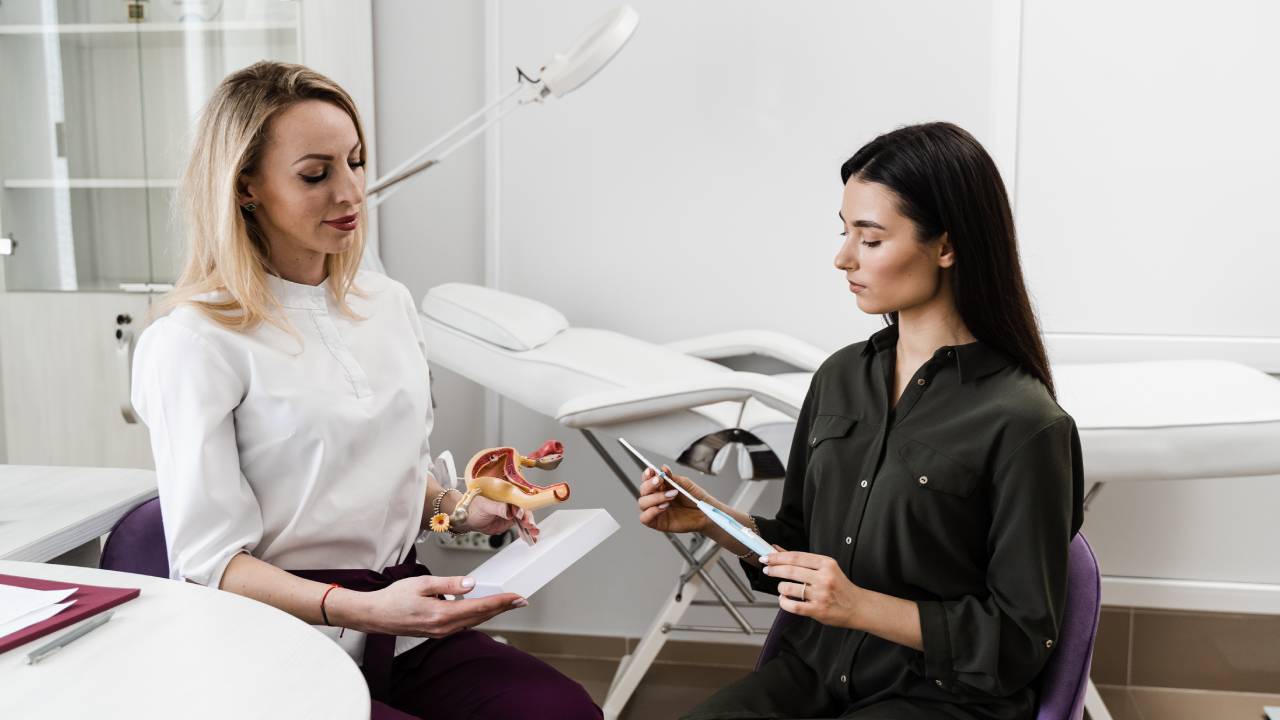
Understanding Oral Appliance Therapy
Oral appliance therapy has emerged as a viable option for adults struggling with obstructive sleep apnea (OSA), especially for those who may have difficulty using continuous positive airway pressure (CPAP) machines. This approach utilizes specially designed dental devices that help manage and alleviate the symptoms associated with sleep apnea.
Role of Oral Appliances
Oral appliances work by pulling your jaw or tongue forward while you sleep, opening your airway and preventing airway obstructions. They are particularly effective for individuals with mild to moderate obstructive sleep apnea who cannot tolerate CPAP machines. According to the Cleveland Clinic, these devices improve symptoms in some patients, although they may not be as effective as CPAP in treating OSA.
The primary benefits of oral appliances include:
- Non-invasive treatment
- Improved comfort compared to CPAP machines
- Portability for easy travel
| Benefit | Description |
|---|---|
| Non-invasive | Oral appliances do not require surgery or invasive procedures. |
| Comfort | Many users find oral appliances more comfortable than CPAP machines. |
| Portability | Oral devices are easier to transport for travel compared to bulky CPAP machines. |
Use of Mandibular Advancement Devices
Mandibular advancement devices (MADs) are the most common form of oral appliance used to treat obstructive sleep apnea. These devices fit over the teeth and work by pulling the lower jaw (mandible) forward, creating more space for airflow in the back of the throat. They typically consist of two parts: one for the upper teeth and another for the lower teeth Cleveland Clinic.
MADs are primarily made of molded hard plastic, offering a great fit for patients while remaining durable. The cost of these devices can be significant, ranging up to $4,000 or more, depending on the complexity of the device and the provider.
While MADs are an effective dental device for obstructive sleep apnea, proper fitting and adjustment are essential for maximizing effectiveness. Consult with a sleep apnea dentist to discuss your options and ensure that you receive a device tailored to your needs.
In summary, oral appliance therapy can be an excellent alternative if you are living with mild to moderate sleep apnea. Engaging with a qualified dentist can help you explore this treatment option further and discover the right approach for your sleep health. For more information on other treatment options, check out our resource on dental sleep apnea treatment.
Types of Oral Appliances
Oral appliance therapy presents various options for managing obstructive sleep apnea (OSA). Understanding the different types available can help you choose the right solution for your needs. The primary oral appliances include Mandibular Advancement Devices (MADs), Tongue-Retaining Devices (TRDs), and Tongue Muscle Stimulation Devices.
Mandibular Advancement Devices (MADs)
Mandibular advancement devices (MADs) are the most common type of oral appliance used for obstructive sleep apnea. These devices work by moving your lower jaw forward, which creates more space for airflow in the back of the throat. This adjustment helps keep the airway open while you sleep [1].
| Feature | Description |
|---|---|
| Design | Fits over the top and bottom teeth, typically in two parts |
| Effectiveness | Most effective option for mild to moderate OSA, particularly for those intolerant to CPAP machines |
| Customization | Custom-made devices offered by dentists provide greater comfort and efficacy compared to over-the-counter models |
Custom-made MADs have shown better treatment outcomes when compared to generic options. They provide a tailored fit, ensuring optimal comfort and alignment during sleep, which is essential for effective therapy.
Tongue-Retaining Devices (TRDs)
Tongue-retaining devices (TRDs) are another alternative for managing OSA. These devices are designed to secure your tongue in a forward position, preventing it from falling back into the throat, which can block the airway during sleep.
| Feature | Description |
|---|---|
| Design | Holds the tongue in place using a suction mechanism |
| Effectiveness | Best suited for individuals who experience OSA mainly due to tongue-related airway obstructions |
| Customization | Typically available in customizable options, providing a more comfortable fit for optimal efficacy |
While TRDs can be effective, they may require some adjustment time to get used to sleeping with the device in place.
Tongue Muscle Stimulation Devices
Tongue muscle stimulation devices are a newer option for treating obstructive sleep apnea. These devices aim to stimulate the muscles of the tongue to prevent them from collapsing and obstructing the airway during sleep.
| Feature | Description |
|---|---|
| Design | Typically less intrusive than other oral appliances, may involve a small device tucked under the tongue |
| Effectiveness | Emerging evidence suggests they can aid in airway maintenance with users reporting improvements in symptoms |
| Availability | Currently less common compared to MADs and TRDs, but may gain popularity as research continues |
While research on the effectiveness of tongue muscle stimulation devices is ongoing, they represent a promising avenue for individuals seeking alternatives to traditional treatments.
Choosing the right oral appliance is an essential step in finding effective relief from sleep apnea symptoms. If you suspect you suffer from obstructive sleep apnea, consider discussing options like a dental device for obstructive sleep apnea with a qualified sleep apnea dentist. By exploring the various devices available, you can find a solution that suits your specific needs. For further details on oral appliance therapy, visit our resource on oral appliance therapy for sleep apnea.
Effectiveness of Oral Appliance Therapy
Reduction of Sleep Apnea Symptoms
Oral appliance therapy is an effective treatment option for individuals with mild to moderate obstructive sleep apnea (OSA). A dental device, known as an oral device, operates by keeping the throat open through the advancement of the tongue and lower jaw. This approach is particularly beneficial for those who may not tolerate Continuous Positive Airway Pressure (CPAP) machines. Research indicates that for about 70% of individuals using a mandibular advancement device (MAD), the severity of OSA can be reduced by more than half, while approximately one-third experience complete resolution of their symptoms [2].
The table below summarizes the effectiveness of oral appliance therapy:
| Symptoms Reduced | Percentage of Patients |
|---|---|
| Severity Reduction | 70% |
| Complete Resolution | 33% |
For those seeking a non-invasive solution to improve quality of life and reduce sleepiness, oral appliances offer a promising alternative. To learn more about how these devices work, visit our section on oral appliance therapy for sleep apnea.
Compliance Comparison with CPAP
Compliance rates suggest that oral appliances may be a more favorable option than CPAP for many patients. Approximately 90% of individuals using oral appliance therapy adhere to the treatment regimen, in contrast to only around 50% compliance for those utilizing CPAP machines [2].
The following table illustrates the compliance rates for each treatment method:
| Treatment Method | Compliance Rate |
|---|---|
| Oral Appliance Therapy | 90% |
| CPAP Therapy | 50% |
This significant difference in adherence highlights the importance of exploring dental devices as a viable treatment option for those with obstructive sleep apnea. Patient preferences and comfort play a crucial role in treatment effectiveness, making it essential to consider your options carefully. For more information on finding a suitable solution for your sleep apnea, check out our article on dental sleep apnea treatment.
Custom-Made vs. Over-the-Counter Devices
When considering a dental device for obstructive sleep apnea, it’s essential to understand the differences between custom-made devices and over-the-counter models. Each type has its own set of advantages and disadvantages.
Benefits of Custom-Made Devices
Custom-made oral appliances are specifically designed to fit your mouth, making them a more effective solution for sleep apnea treatment. According to the Cleveland Clinic, these devices provide better results compared to over-the-counter options like “boil and bite” devices. Here are some key benefits of custom-made devices:
| Advantage | Description |
|---|---|
| Tailored Fit | Custom appliances are molded to the unique shape of your mouth, ensuring comfort and effectiveness. |
| Superior Efficacy | Research indicates that custom-made oral devices are the most effective treatment for obstructive sleep apnea [1]. |
| Professional Oversight | Devices are created and monitored by healthcare professionals, leading to better adjustment and follow-up care. |
| Reduced Side Effects | A personalized fit can minimize discomfort and other side effects associated with using an oral appliance. |
For individuals with mild to moderate obstructive sleep apnea, a custom-made device can significantly improve sleep quality and overall health.
Downfalls of Over-the-Counter Models
While over-the-counter oral appliances can be more accessible and cost-effective, they often come with specific limitations. Some of the disadvantages of these models include:
| Disadvantage | Description |
|---|---|
| Generic Fit | Over-the-counter devices are mass-produced, resulting in a fit that may not be suitable for individual anatomical differences. |
| Lower Effectiveness | These models are generally less effective than custom-made appliances, as highlighted by the Cleveland Clinic. |
| Discomfort | A poor fit may lead to discomfort, irritation, or even jaw pain during use. |
| Limited Support | Over-the-counter options lack professional oversight for adjustments or follow-up care, which can hinder progress. |
While they may serve as a short-term solution, over-the-counter models may not provide the same long-lasting benefits or enhanced comfort as a custom-made device. For those seriously exploring alternatives, consulting a sleep apnea dentist can guide you in choosing the best treatment plan tailored to your needs.
Suitability and Adjustment Period
Ideal Candidates for Oral Appliances
Oral appliances are designed primarily for individuals with mild to moderate obstructive sleep apnea (OSA) who have difficulty tolerating continuous positive airway pressure (CPAP) machines. Those who struggle with snoring or have been diagnosed with OSA may find dental devices for obstructive sleep apnea an effective alternative. According to Cleveland Clinic, oral appliances can effectively pull the base of your tongue forward, which creates more space in the back of your throat, alleviating some symptoms related to sleep apnea.
| Candidate Criteria | Description |
|---|---|
| Severity of OSA | Mild to moderate OSA |
| CPAP Intolerance | Difficulty in using CPAP consistently |
| Snoring Issues | Adults experiencing significant snoring |
| Health Conditions | Must not have severe dental problems or health issues that contraindicate oral devices |
The most effective oral appliances for sleep apnea are custom-made to fit your mouth, which provides better outcomes compared to over-the-counter solutions. For more information on suitable treatments, check out our resources for mild sleep apnea dental treatment and moderate sleep apnea dental treatment.
Adjustment Period and Side Effects
It is common to experience an adjustment period when starting to use an oral appliance for obstructive sleep apnea. Typically, it takes about two to four weeks to adapt, during which initial side effects may occur. These side effects can include discomfort in the jaw, an increase in saliva production, or mild dental soreness. However, these issues often improve as your mouth adjusts to the appliance [1].
| Common Side Effects | Adjustment Period |
|---|---|
| Jaw discomfort | 2 – 4 weeks |
| Increased saliva | 2 – 4 weeks |
| Mild dental soreness | 2 – 4 weeks |
Following your dentist’s advice and regularly monitoring how your body responds to the device can help enhance your adjustment experience. For those considering options aside from CPAP, explore oral appliance therapy for sleep apnea and sleep apnea dentist treatment for customized solutions. Always consult with a sleep apnea dentist to guide your treatment journey effectively.
Dental Devices vs. Other Treatment Options
Comparing Oral Appliances to CPAP
When considering treatment options for obstructive sleep apnea (OSA), two of the most common therapies are continuous positive airway pressure (CPAP) and oral appliances, specifically mandibular advancement splints (MAS). CPAP therapy is widely regarded as the most effective treatment for OSA. This system utilizes a bedside machine that blows air through a mask to keep the airway open during sleep. However, many individuals with mild to moderate OSA find CPAP challenging to use due to discomfort or mask-related issues [3].
Oral appliances serve as a suitable alternative for those who struggle with CPAP. These devices work by holding the lower jaw in a forward position, thus preventing airway collapse during sleep. Research shows that for patients with mild to moderate OSA, oral appliances can be just as effective as CPAP. In a randomized trial involving 103 patients, no significant difference was found in the success of treatment between those using MAS and those with CPAP [4].
| Treatment Option | Effectiveness | Comfort Level | Compliance |
|---|---|---|---|
| CPAP | High | Moderate to Low | Varies |
| Oral Appliances | High | Typically Higher | Higher |
Surgery as Alternate Treatment
Surgical options for obstructive sleep apnea are also available and are typically considered when other treatments, including CPAP and oral appliances, are ineffective. Surgical procedures can vary widely, from uvulopalatopharyngoplasty (UPPP) which removes tissue from the throat, to more invasive surgeries that reshape facial structures. Surgery may successfully alleviate apnea symptoms for some patients; however, it typically involves longer recovery times and carries the risk of complications.
While surgery can provide results, it is generally recommended as a last resort after exploring non-invasive therapies. Individuals considering surgical options should consult with a healthcare provider to discuss potential risks and benefits.
For those interested in an oral appliance as a dental solution for sleep apnea, both oral appliances and CPAP offer effective pathways to manage your condition. Always discuss these options with your sleep apnea dentist to ensure you find the most suitable treatment for your specific needs.