What is mild sleep apnea treatment? For most adults, it means one of a few options matched to symptoms and preference: a custom oral appliance made by a dentist, CPAP therapy with a mask, sleep position changes, weight management, and treating nasal congestion. Surgery is usually held back for specific anatomy or for cases where other approaches have not worked. Mild sleep apnea is still a medical diagnosis, so treatment starts with a sleep study and a physician’s confirmation. After that, a dentist can fit and adjust an oral appliance if that path suits you. Reimels Dentistry in Huntersville includes sleep apnea care among its services for patients from Huntersville, Charlotte, and Cornelius.
This guide covers how mild cases are defined, how each treatment works, how dental devices compare with CPAP, and what to expect once care begins.
What Counts as Mild Sleep Apnea?
Obstructive sleep apnea (OSA) is one of several sleep-related breathing disorders. The airway narrows or collapses during sleep, breathing pauses or becomes shallow, and sleep is broken up through the night. Severity is usually graded by how many of these events happen per hour. Clinical guidance from the American Academy of Sleep Medicine describes mild OSA as roughly 5 to 15 events per hour, moderate as 15 to 30, and severe as more than 30. The same guideline treats OSA as a chronic disease that needs long-term management and follow-up, not a one-time fix.
“Mild” describes the number of events. It does not necessarily describe how you feel. Some people with mild results are exhausted during the day, snore loudly, or wake with headaches. Others notice very little. This is why two people with the same score can end up with different treatment plans.
What Are the Main Treatment Options for Mild Sleep Apnea?
A review of OSA diagnosis and management in PubMed Central describes a range of approaches, including positive airway pressure, oral appliances, positional therapy, weight loss, and surgery for selected patients. In mild cases, the options look like this:
| Treatment | How It Helps | Often Considered When |
|---|---|---|
| Custom oral appliance | Holds the lower jaw forward to keep the airway open | You prefer not to use CPAP or cannot tolerate it |
| CPAP | Delivers steady air pressure through a mask | Symptoms are significant and you are able to use it nightly |
| Positional therapy | Keeps you off your back during sleep | Events happen mostly when sleeping face up |
| Weight management | Reduces pressure on the airway | Excess weight contributes to airway collapse |
| Nasal congestion care | Improves airflow through the nose | Allergies or congestion make breathing harder |
| Surgery | Removes or reshapes tissue blocking the airway | A clear structural cause exists or other options failed |
Many people combine two or more of these. A side-sleeping habit and treated allergies, for example, can work alongside an oral appliance.
How Does Oral Appliance Therapy Work?
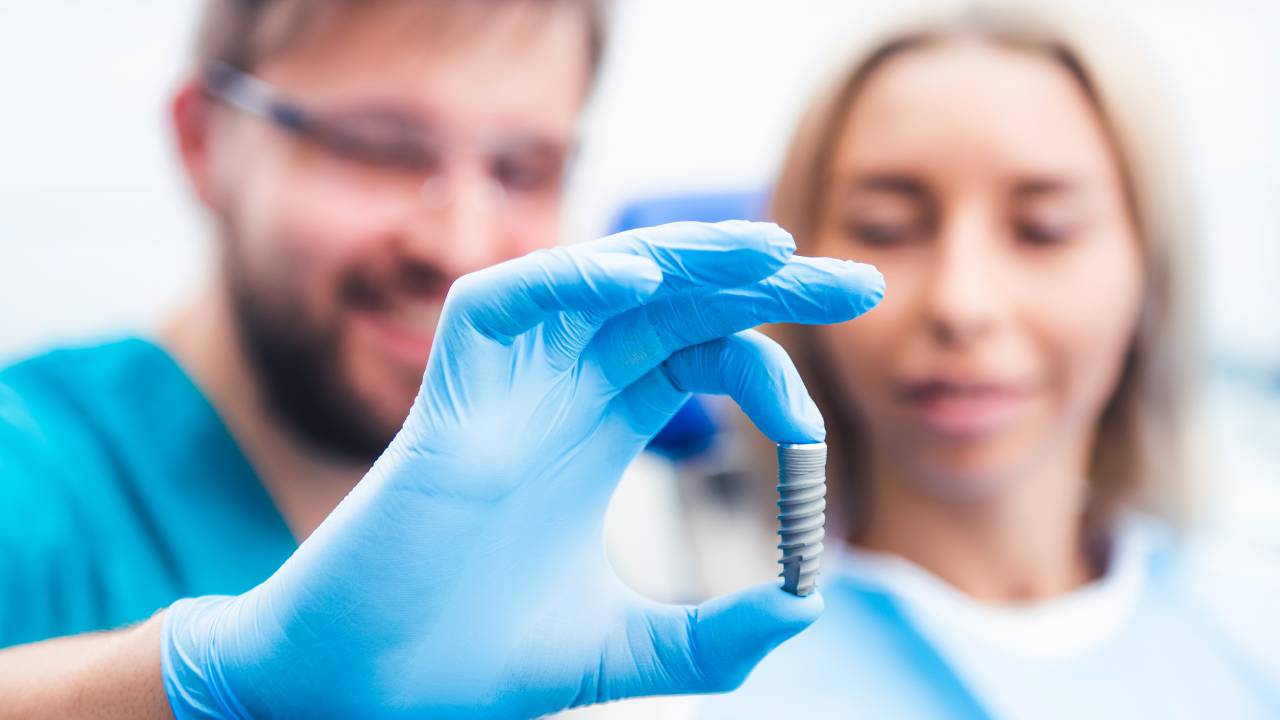
Oral appliance therapy is a recognized treatment for sleep apnea. The device looks similar to a sports mouthguard or orthodontic retainer and is worn only during sleep. Most designs reposition the jaw and tongue so the throat stays open. When the lower jaw rests slightly forward, the tongue and soft tissue at the back of the throat are less likely to fall back and block airflow.
For some people, these devices can control mild sleep apnea about as well as CPAP. They are especially useful for people who either prefer not to use a CPAP machine or cannot tolerate one because of discomfort.
| Advantage | Description |
|---|---|
| Effectiveness | Can manage mild to moderate sleep apnea well for many patients |
| Comfort | No mask, hose, or air pressure |
| Portability | Small and easy to carry when traveling |
| Quiet | No machine noise for you or a sleep partner |
What Types of Dental Devices Are Used?
| Type of Device | Description |
|---|---|
| Mandibular advancement device (MAD) | Moves the lower jaw forward to prevent airway collapse; the most common design |
| Tongue retaining device | Holds the tongue in a forward position to keep the airway open |
| Mouthguard style appliance | Maintains jaw position to keep airways clear during sleep |
Why Does a Custom Fit Matter?
Custom fitted devices are made specifically for your mouth by a dentist, based on your bite, the shape of your jaw, and how your teeth line up. Over-the-counter devices are not built around your teeth, and a poor fit can mean discomfort, poor airway support, or both.
Fit affects comfort, and comfort affects whether you actually wear the device. A treatment only helps on the nights it is used. A well fitted appliance is more likely to be worn all night, every night.
An improper fit can also cause problems of its own, including jaw soreness and changes in how the teeth meet. This is why professional supervision matters.
| Feature | Benefit |
|---|---|
| Custom fit | Better comfort and more reliable airway support |
| Professional supervision | Follow-up visits to check function and make adjustments |
| Reduced snoring | Many users notice less snoring, which also helps a bed partner |
At Reimels Dentistry, the practice describes its approach as individualized care that takes time to listen and explain procedures. For an appliance, that means walking through how the device works, how to care for it, and what changes to watch for. Several dentists on staff at Reimels Dentistry are Fellows in the Academy of General Dentistry, with more than 600 hours of continuing education.
How Do CPAP and Oral Appliances Compare?
CPAP (continuous positive airway pressure) remains a primary treatment for obstructive sleep apnea. It sends a steady stream of air through a mask to keep the airway open, and it is highly effective when used correctly. The PMC review describes positive airway pressure as a first-line therapy and notes that oral appliances are an option for mild to moderate OSA, particularly when CPAP is not tolerated.
The challenge with CPAP is nightly use. Some people find masks uncomfortable or deal with nasal congestion, dry mouth, or skin irritation.
| Feature | CPAP Therapy | Oral Appliance Therapy |
|---|---|---|
| Mechanism | Delivers continuous airflow | Repositions the jaw to keep airways open |
| Comfort | Requires wearing one of several styles of masks | No mask; less intrusive |
| Ease of use | Requires setup, cleaning, and supplies | Portable and simple to clean |
| Effectiveness | Works across all severity levels when used | Best suited to mild to moderate cases |
| Common side effects | Skin irritation, dryness, congestion | Jaw soreness, tooth movement over time |
| Insurance | Often covered by medical plans | Varies by plan |
The choice comes down to your diagnosis, your symptoms, your anatomy, and what you will realistically use. A device you wear every night will do more than a more powerful one that sits on the nightstand.
Can Lifestyle Changes Treat Mild Sleep Apnea?
Lifestyle changes can help, and in some mild cases they make a real difference. Commonly recommended steps include:
- Weight management. Extra weight around the neck and upper body can narrow the airway. Losing weight may reduce events, though it does not always remove the need for other treatment.
- Quitting smoking. Smoking irritates the airway and can worsen swelling.
- Sleep position. If events happen mostly on your back, staying on your side may help. The PMC review lists positional therapy among management options.
- Nasal congestion care. Treating allergies or congestion with saline rinses or medications your physician recommends can make breathing through the nose easier.
- Physical activity. Regular exercise can improve energy and overall health even when weight loss is modest.
For people with moderate to severe sleep apnea and obesity, there is also an FDA-approved injectable weight loss medicine. It is meant to be paired with healthy eating and more physical activity and is prescribed by a physician after a review of your full health history.
Can Orofacial Exercises Help?
Orofacial therapy, sometimes called myofunctional therapy, uses exercises to strengthen the muscles of the tongue, lips, face, and upper airway. The goal is better muscle tone and control, which may reduce the tendency of the airway to collapse. These exercises are usually taught by a trained therapist.
| Exercise | Description |
|---|---|
| Tongue press | Press the tongue against the roof of the mouth, hold, release, and repeat |
| Lip closure | Hold the lips closed without using the teeth to strengthen lip muscles |
| Chewing motions | Make chewing movements without food to engage facial muscles |
| Smile and pout | Alternate between the two to work different muscle groups |
Exercises tend to work best as a supplement to other treatment rather than as the only approach.
When Is Surgery Considered?
Surgery is usually not the first step for mild sleep apnea. It may be considered when a specific structural problem is blocking the airway or when other treatments have not worked. Ear, nose, and throat specialists generally evaluate these cases.
| Surgical Option | Description |
|---|---|
| Tissue removal | Removes excess tissue from the throat |
| Tonsillectomy | Removes enlarged tonsils that obstruct airflow |
| Uvulopalatopharyngoplasty (UPPP) | Removes tissue from the back of the mouth and throat |
| Radiofrequency ablation | Uses heat to shrink tissue with a minimally invasive approach |
| Tracheostomy | Creates an opening in the neck when other treatments fail; rarely used |
Talk through the risks, recovery, and expected benefit of any procedure with the specialist recommending it.
How Do Dentists Fit Into Mild Sleep Apnea Treatment?
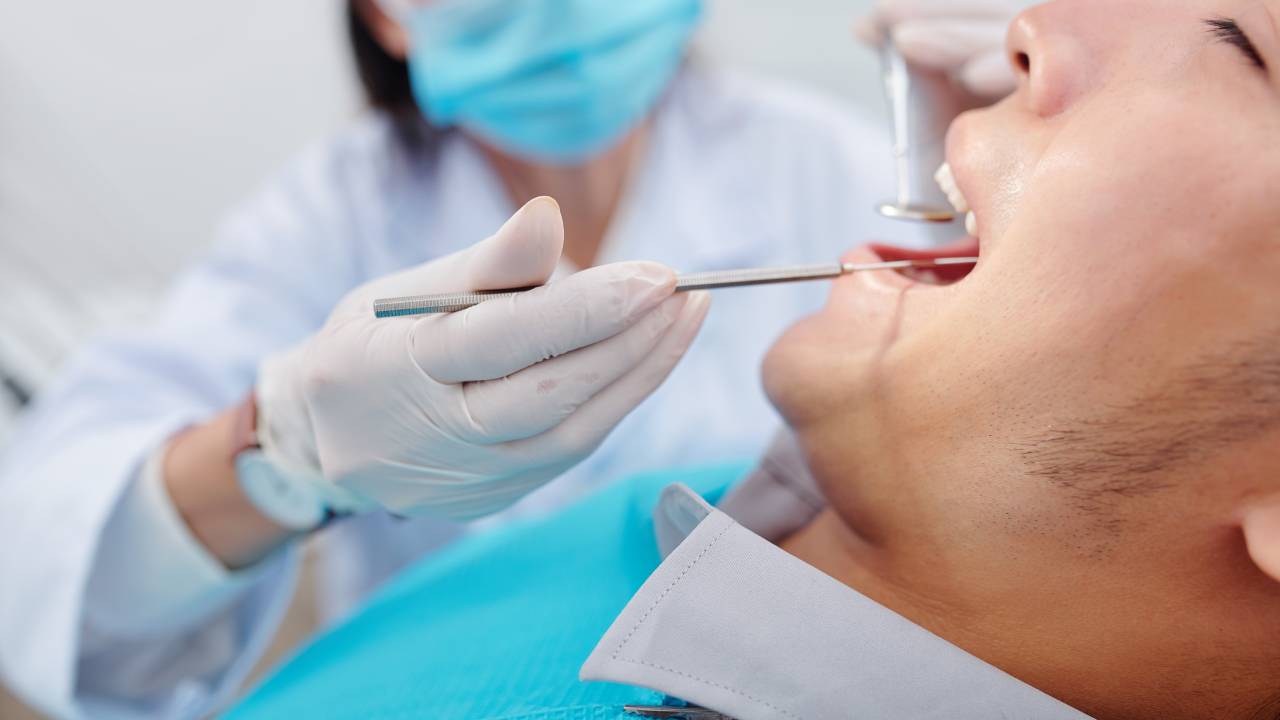
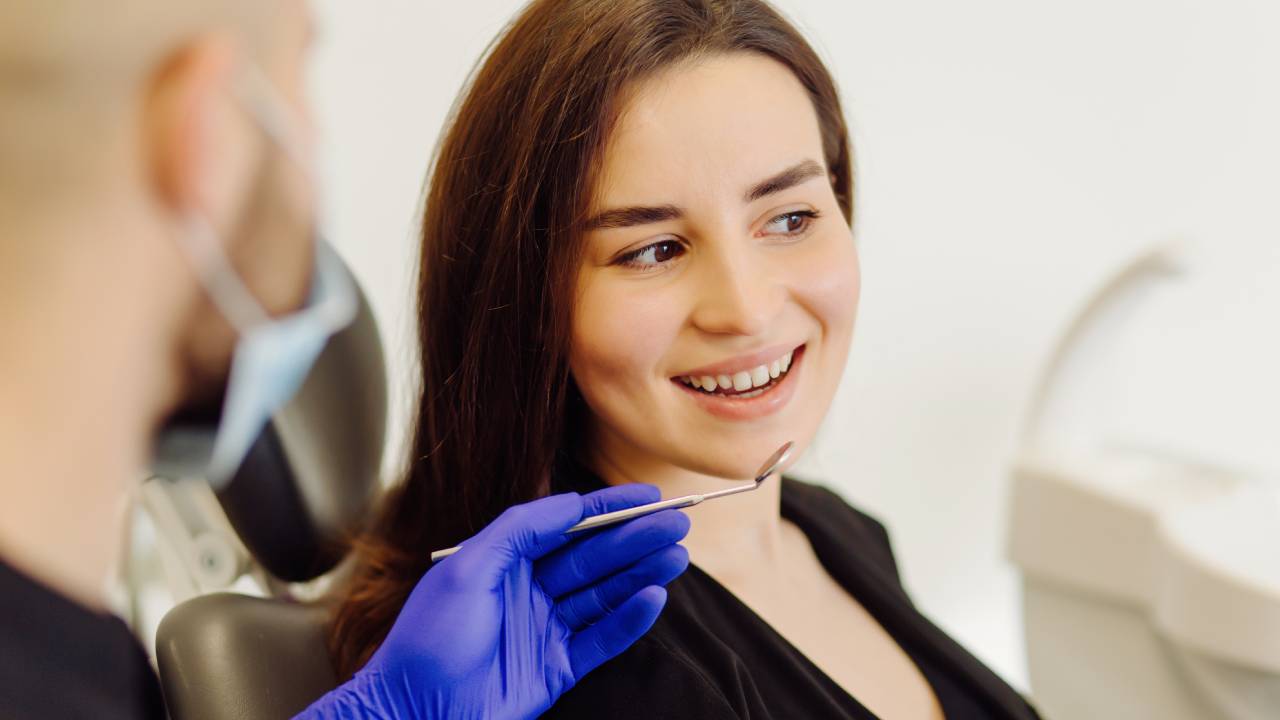
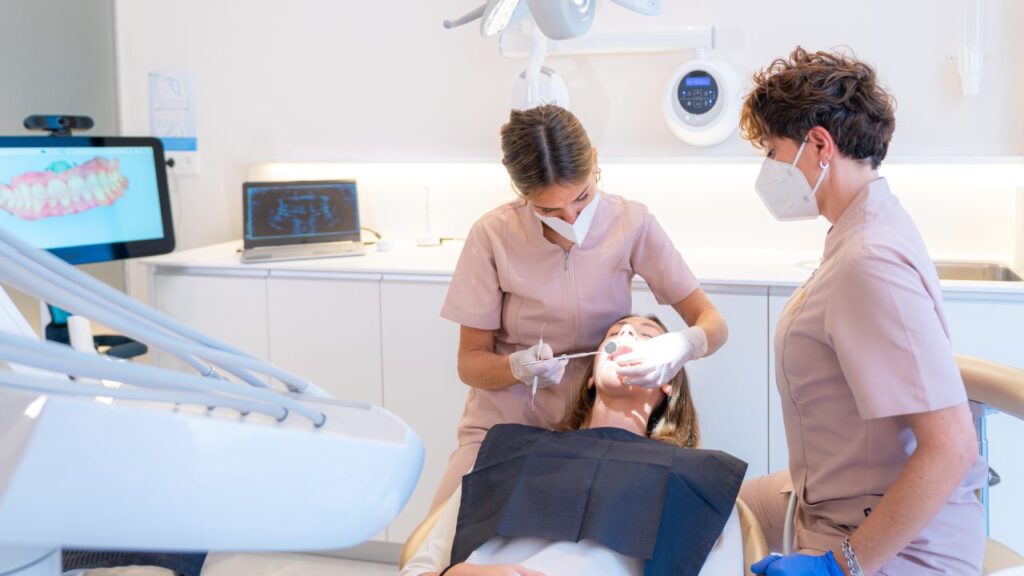
Dentists see the mouth, teeth, and jaw regularly, which puts them in a useful position. During routine exams and cleanings, a dentist may notice signs worth mentioning to your physician, such as heavy tooth wear or a small airway. Diagnosis itself is made through a sleep study ordered and interpreted by a physician.
Once mild OSA is confirmed and an oral appliance is recommended, the dentist’s role usually includes:
- Evaluation. Checking teeth, gums, bite, and jaw movement to confirm you are a good candidate.
- Records. Taking impressions or scans so the device can be made to fit your mouth.
- Fitting. Placing the appliance and teaching you how to wear and clean it.
- Adjustment. Advancing the jaw position gradually for comfort and effect.
- Follow-up. Monitoring your teeth and bite over time and coordinating with your physician, who may order a follow-up sleep test to confirm the device is working.
Healthy teeth and gums matter here, since the appliance rests on them. Reimels Dentistry provides preventive care, exams and cleanings, and gum disease treatment in the same office as its sleep apnea services, so dental health issues that could affect an appliance can be handled in one place. General oral health resources are also available from the American Dental Association.
What Should You Expect When You Start Treatment?
If an oral appliance is part of your plan, a few things are typical:
- An adjustment period. Mild jaw tenderness, extra saliva, or a slightly different bite first thing in the morning are common in the early weeks and often ease as you get used to the device.
- Gradual tuning. The appliance is usually advanced in small steps rather than set to its final position on day one.
- Daily care. Brush and rinse the device as instructed and store it in its case.
- Ongoing checkups. Regular visits let the dentist check the fit and watch for changes in your teeth or bite.
- Retesting. Your physician may recommend another sleep test to confirm results.
Keep track of how you feel. Better energy, fewer headaches, and quieter nights are useful signs, but objective testing is what confirms that treatment is controlling your sleep apnea.
What About Insurance and Cost?
Coverage for sleep apnea treatment varies. Oral appliances are often billed to medical insurance rather than dental insurance, and requirements differ by plan. Reimels Dentistry is in-network with Blue Cross Blue Shield and also sees private pay patients. For carriers it is not in-network with, such as Aetna, Cigna, Delta Dental, MetLife, and UnitedHealthcare, the office bills out-of-network benefits. The Reimels Dentistry practice does not accept Medicare or Medicaid. Checking with your plan before treatment helps avoid surprises.
The Bottom Line on Mild Sleep Apnea Treatment
Mild sleep apnea treatment is not one single therapy. It is a choice among effective options, guided by a sleep study, your symptoms, and what you can comfortably use every night. Oral appliances are a strong fit for many mild cases, particularly for people who find CPAP masks hard to tolerate. Lifestyle changes, sleep position, and nasal care can add to the benefit, and surgery is reserved for specific situations. Whatever you choose, long-term follow-up with both your physician and your dentist helps keep treatment working.