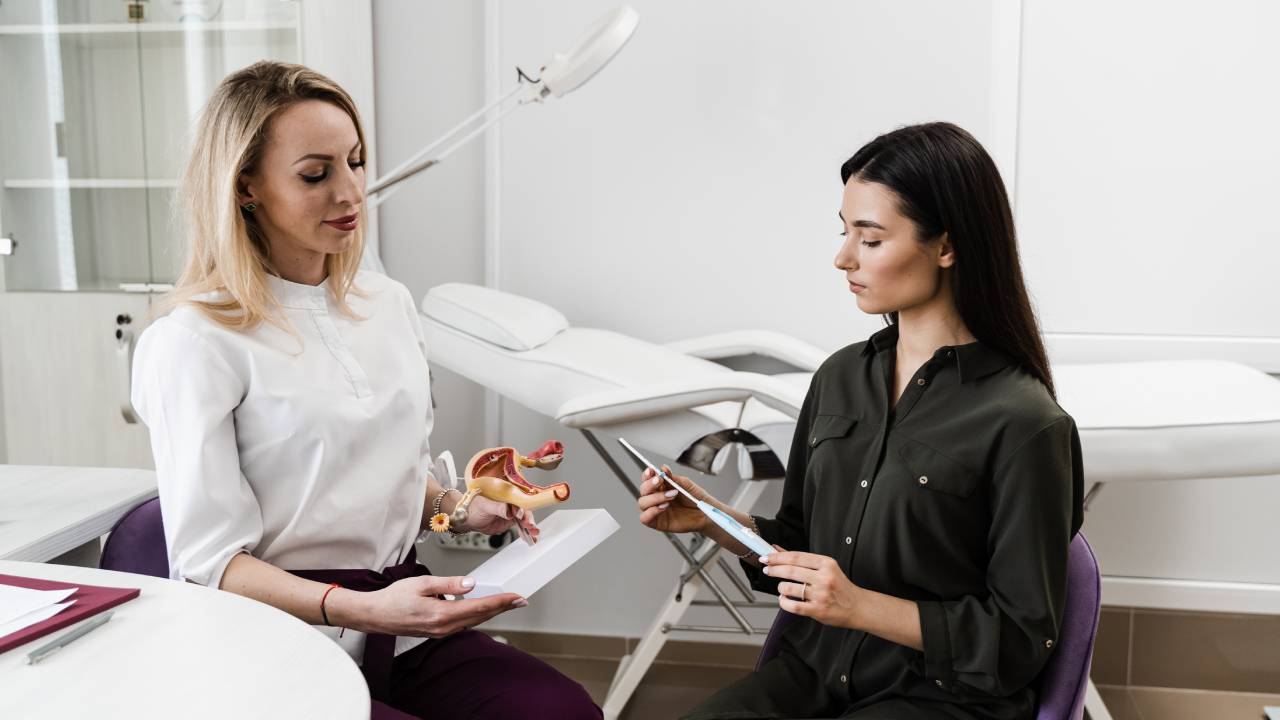
A “sleep apnea dentist” does not treat sleep apnea alone. Dentists in this area make and adjust oral appliances, but they rely on a physician’s diagnosis and a sleep study first. Knowing where each step happens, and how your Aetna plan handles a dentist outside its network, can save you time, paperwork, and billing surprises.
This guide covers what sleep apnea is, why it matters for your health, how it is diagnosed, where dentists fit into treatment, and how Aetna members can use their out-of-network benefits toward care at Reimels Dentistry in Huntersville. Reimels Dentistry is out-of-network with Aetna. It does not diagnose sleep apnea or perform sleep studies. It can provide and adjust an oral appliance once a physician has made the diagnosis and recommended one.
Understanding Sleep Apnea
Sleep apnea is a sleep disorder in which breathing repeatedly stops and starts during sleep. Each pause can pull you partway out of sleep, often without your noticing. The result is fragmented, unrefreshing rest that can leave you drowsy and worn out during the day.
Types of Sleep Apnea
There are three main types:
| Type of Sleep Apnea | Characteristics |
|---|---|
| Obstructive Sleep Apnea (OSA) | Throat muscles temporarily relax, narrowing or blocking the airway |
| Central Sleep Apnea | The brain fails to send proper signals to the muscles that control breathing |
| Complex Sleep Apnea Syndrome | A combination of obstructive and central sleep apnea |
Obstructive sleep apnea is the most common form. It happens when the muscles that support the soft tissues of the throat, including the tongue and soft palate, relax during sleep and narrow or close the airway.
Central sleep apnea is less common. The airway may be open, but the brain does not send the right signals to the breathing muscles, which leads to periodic pauses in breathing.
Complex sleep apnea syndrome, also called treatment-emergent central sleep apnea, describes someone with features of both obstructive and central sleep apnea. It can complicate treatment and usually calls for close management by a sleep physician.
This distinction matters for anyone considering a dental appliance. Oral appliances are designed to address the mechanical blockage of obstructive sleep apnea. They are not a treatment for central sleep apnea, which is one reason a proper medical diagnosis has to come first.
Risks and Effects of Sleep Apnea
Sleep apnea is a chronic condition, and its effects reach well beyond a poor night’s rest.
Daytime Symptoms
Repeated awakenings make it hard to get restorative sleep. Many people notice:
| Symptom | Description |
|---|---|
| Daytime Drowsiness | Excessive sleepiness that makes it hard to stay alert |
| Fatigue | A persistent feeling of tiredness or exhaustion |
| Irritability | Mood swings and a shorter temper from lack of sleep |
Drowsiness is more than an inconvenience. It can interfere with daily activities and raise the risk of motor vehicle and workplace accidents.
Health Risks
People with untreated sleep apnea face higher odds of several serious problems:
| Health Risk | Impact |
|---|---|
| High Blood Pressure | Repeated drops in oxygen can raise blood pressure and strain the cardiovascular system |
| Heart Attack | Elevated risk, including recurrent events |
| Stroke | Higher chance of stroke |
| Irregular Heartbeats | Increased risk of atrial fibrillation |
| Low Blood Oxygen | Repeated episodes can be dangerous for people with existing heart disease |
Impact on Day-to-Day Life
Ongoing fatigue can hurt focus and productivity at work, make social plans feel like a chore, and drain the energy you would otherwise spend on exercise and family. Over time, that loss of activity can affect physical health further.
| Aspect of Life | Impact |
|---|---|
| Professional Performance | Decreased focus and productivity |
| Social Life | Less energy to engage with others |
| Quality of Life | Lower overall satisfaction and energy |
Surgery, Anesthesia, and Sedation
Sleep apnea also changes how safely you can be sedated. General anesthesia and certain medications can worsen breathing problems, especially when you are lying on your back, and the risk of breathing complications after major surgery is higher. If you know or suspect you have sleep apnea, tell every provider who may sedate you, including your dental team. Reimels Dentistry offers sedation dentistry, and knowing about a sleep apnea diagnosis ahead of time helps the team plan your care with that in mind.
Diagnosis Comes First, and It Happens Outside the Dental Office
This is the most important step to understand, and it is the one most often skipped by people searching for a sleep apnea dentist.
Reimels Dentistry does not diagnose sleep apnea and does not perform sleep studies. No dentist can diagnose obstructive sleep apnea on their own. Diagnosis is a medical step handled by a physician, often a sleep medicine specialist, using a sleep test. The American Dental Association’s statement on the role of dentistry in sleep related breathing disorders reflects this division: dentists can screen and provide oral appliance therapy, while the diagnosis belongs to a physician.
What the Diagnostic Process Looks Like
Diagnosis usually starts with an evaluation by your primary care physician or a sleep physician. Expect questions about your symptoms, medical history, sleep habits, and lifestyle. If sleep apnea is suspected, the physician will order a sleep study, also called polysomnography. Depending on your situation, it may take place at a sleep center or at home.
A sleep study typically monitors:
| Parameter | Monitored During Sleep Study |
|---|---|
| Respiratory Effort | Yes |
| Blood Oxygen Levels | Yes |
| Heart Rate | Yes |
| Sleep Stages and Cycles | Yes |
The results tell the physician whether you have sleep apnea, which type, and how severe it is. That information determines which treatments make sense.
How to Get Diagnosed Safely
- Start with your physician. Describe what you or a bed partner has noticed: loud snoring, pauses in breathing, gasping, morning headaches, or heavy daytime sleepiness.
- Ask about a sleep study. Your physician can explain whether an in-lab or home test fits your situation.
- Look to your medical plan, not your dental plan, for testing. Sleep studies and physician visits are generally medical services, so they run through your health insurance. Your physician’s office or your medical plan can explain how that testing is handled.
- Get a copy of your results. If an oral appliance becomes part of your plan, your dentist will need the diagnosis and the physician’s recommendation.
- Do not self-treat with over-the-counter devices before a diagnosis. Snoring can be one sign of sleep apnea, and quieting the snoring is not the same as treating the breathing problem.
Published clinical guidance supports this order. The joint clinical practice guideline on oral appliance therapy from the American Academy of Sleep Medicine and the American Academy of Dental Sleep Medicine describes sleep physicians as the ones who prescribe oral appliances, with qualified dentists providing them.
Treatment Options After Diagnosis
Once a physician confirms sleep apnea, several treatments are available depending on type and severity.
CPAP Therapy
Continuous positive airway pressure (CPAP) is a common and highly effective treatment for obstructive sleep apnea. You wear a mask over your nose, mouth, or both while sleeping, and a machine delivers a steady stream of air to keep the airway open. CPAP is managed through your physician.
Oral Appliances
For some patients, a custom oral appliance is an alternative. These devices help keep the airway open by holding the lower jaw, and with it the tongue, in a forward position during sleep. The AASM and AADSM guideline recommends that sleep physicians consider oral appliances for adults with obstructive sleep apnea who cannot tolerate CPAP or who prefer an alternative, and that a qualified dentist use a custom, titratable appliance rather than a non-custom one.
| Treatment Option | Description | Typically Considered For |
|---|---|---|
| CPAP Therapy | A mask delivers steady airflow to keep airways open | Obstructive sleep apnea across severity levels |
| Oral Appliances | Custom-fitted devices that hold the jaw forward | Patients with obstructive sleep apnea who cannot tolerate CPAP or prefer an alternative, as advised by their physician |
Lifestyle Changes
Physicians often recommend addressing contributing factors, such as:
- Weight loss
- Avoiding alcohol and sedatives, especially near bedtime
- Changing sleep position
Surgical Options
When other treatments are not effective, surgery may be considered. These procedures are performed by medical surgical specialists, not by Reimels Dentistry.
| Surgical Option | Description |
|---|---|
| Tissue Removal or Shrinkage | Reducing throat tissue to clear the airway |
| Jaw Repositioning | Realigning the jaw to enlarge the airway |
| Implanted Devices | Devices that stimulate muscles to keep the airway open |
How Dentists Fit Into Sleep Apnea Care
With a diagnosis in hand, a dentist becomes a useful part of your care team.
Types of Oral Appliances
| Dental Solution | Description | Pros | Cons |
|---|---|---|---|
| Mandibular Advancement Devices (MADs) | Move the lower jaw forward | Adjustable, custom-fitted | Can cause jaw discomfort or bite changes |
| Tongue Retaining Devices (TRDs) | Hold the tongue forward | An option for some people who cannot use a jaw-advancing device | Can be less comfortable, may affect salivation |
What the Dentist Does
- Screening during routine visits. Dentists may notice signs worth mentioning to your physician, such as teeth grinding, a scalloped tongue, or chronic dry mouth. Noticing signs is not a diagnosis, but it can prompt you to get evaluated.
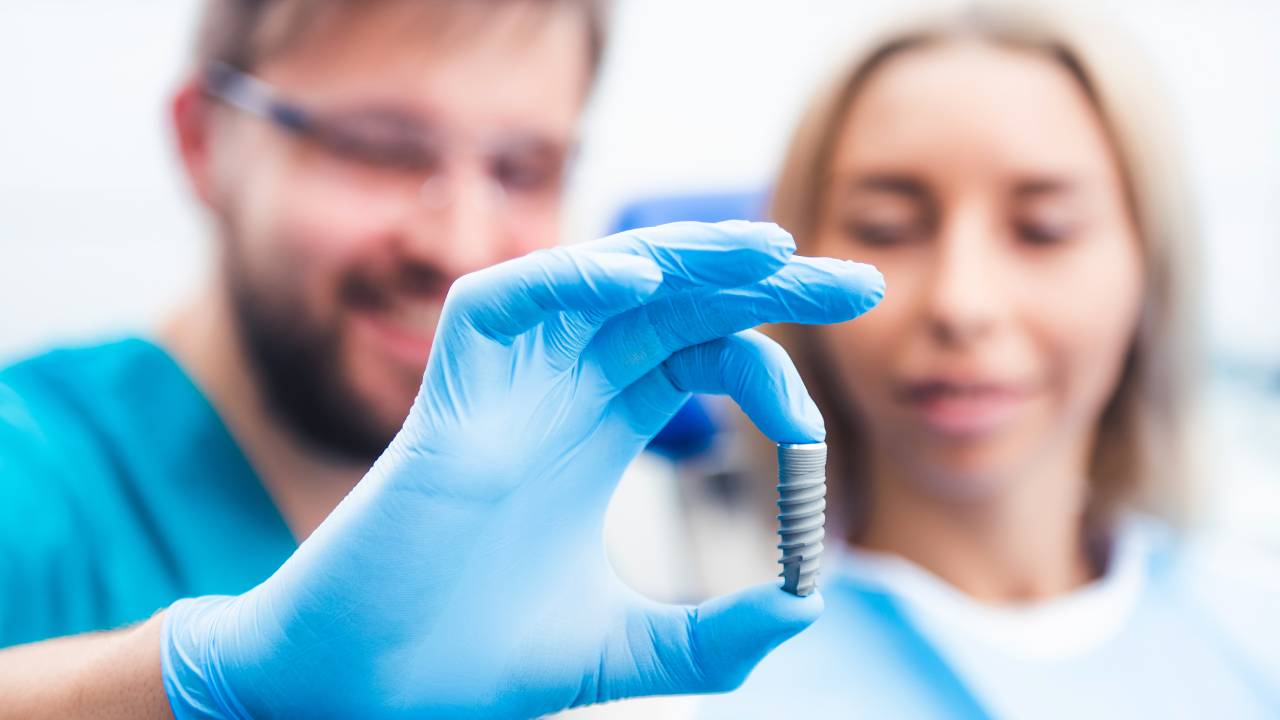
- Custom fitting. The appliance is made to fit your teeth and bite.
- Adjustment and follow-up. The device is fine-tuned over time for comfort and effect, and your teeth, gums, and jaw are monitored for side effects.
- Coordination with your physician. The clinical practice guideline recommends follow-up sleep testing with your sleep physician after an appliance is fitted, along with periodic follow-up from both the dentist and the physician. That is how you confirm the appliance is actually working.
Your Next Step at Reimels Dentistry
Sleep apnea care is among the confirmed services at Reimels Dentistry. Once your physician has diagnosed obstructive sleep apnea and recommended an oral appliance, you can bring your diagnosis and recommendation to the practice for an evaluation. The team can examine your teeth, gums, and jaw to see whether an appliance is a good fit, then provide and adjust it.
Because Reimels Dentistry offers comprehensive care in one location, including preventive exams and cleanings, gum disease treatment, restorative work, and implants, your dental health can be looked after alongside your appliance. That matters because an oral appliance depends on healthy teeth and gums to anchor it. The practice also has Fellows of the Academy of General Dentistry on staff, a recognition that reflects extensive continuing education.
How Aetna Members Can Use Out-of-Network Benefits at Reimels Dentistry
The plain answer for Aetna members: Reimels Dentistry is out-of-network with Aetna. The practice is in-network with Blue Cross Blue Shield only, specifically BCBS GRID+. Patients with Aetna, like patients with every other carrier, are seen on an out-of-network basis.
What Out-of-Network Means for You
Being out-of-network does not mean an Aetna member cannot be seen. It means the practice has no contract with Aetna, so your plan processes the claim under its out-of-network rules rather than contracted terms. Whether your plan pays anything toward an oral appliance, and how much, depends entirely on the specific plan you carry.
To understand what to expect before treatment:
- Read your plan documents or contact Aetna using the member information on your card. Ask whether your plan includes out-of-network benefits and how they would apply to an oral appliance.
- Ask whether the service is dental or medical. Oral appliances for sleep apnea are sometimes handled under medical coverage rather than dental. Your plan can tell you which applies to you and what documentation it wants, such as your sleep study and physician’s prescription.
- Ask about pre-authorization. Some plans want a review before treatment. Your plan can tell you whether that is needed.
- Confirm how reimbursement works. Find out whether payment goes to you or the office and what paperwork your plan requires.
Reimels Dentistry cannot promise what any Aetna plan will reimburse. Only your plan can answer that, so confirm the details with Aetna before you begin.
Self-Pay and Financing Options
If your plan pays little or nothing toward an out-of-network appliance, or if you would like to spread out the cost, the practice offers self-pay and works with these financing options:
- Self-pay
- Cherry
- Sunbit
- CareCredit
- LendingClub
- Proceed Finance
Medicaid and Medicare are not accepted at Reimels Dentistry.
Choosing the Right Dental Provider for Sleep Apnea
Whatever your insurance, a few factors matter when choosing a dentist for oral appliance therapy:
- Experience with oral appliances. Ask how often the practice provides and adjusts sleep apnea appliances.
- Willingness to coordinate with your physician. Good care depends on the dentist and sleep physician sharing information and follow-up results.
- Use of custom, adjustable devices. This aligns with the clinical guideline referenced above.
- Comprehensive dental care. A practice that can also handle cleanings, gum health, and restorations keeps your appliance and your teeth in good condition.
- Clear answers about billing. You should know up front whether the practice is in-network or out-of-network with your carrier and what payment options exist.
Putting It All Together
If you suspect sleep apnea, the path looks like this. First, see your physician and get a sleep study, since a dental office cannot diagnose the condition. Second, work with your physician to choose a treatment, whether CPAP, an oral appliance, lifestyle changes, or a combination. Third, if an oral appliance is recommended, bring your diagnosis to a qualified dentist for fitting and follow-up, and return to your physician for follow-up testing.
For Aetna members in Huntersville, Charlotte, Cornelius, and the surrounding area, Reimels Dentistry can be that third step. The practice is out-of-network with Aetna, so ask Aetna what your plan’s out-of-network benefits reimburse for an oral appliance, and know that self-pay and financing through Cherry, Sunbit, CareCredit, LendingClub, and Proceed Finance are available if you need them. Better sleep starts with the right diagnosis, and the right dental care can help you keep it.