The dental treatment most often used for obstructive sleep apnea is a custom oral appliance, a mouthpiece worn at night that holds the lower jaw slightly forward so the airway stays open. Whether an Aetna plan helps pay for one depends on the specific policy you hold, and the device is usually billed to medical rather than dental coverage. It also depends on a confirmed sleep apnea diagnosis and a physician’s order. At Reimels Dentistry in Huntersville, sleep apnea care is one of the services offered. The practice is not in Aetna’s network. For patients with Aetna, the office bills the plan’s out-of-network benefits, and what the plan pays follows that policy’s own terms. The rest of this guide covers how sleep apnea works, which dental appliances are used, what the research says about them, and how to approach coverage with realistic expectations.
What Sleep Apnea Is
Sleep apnea is a sleep disorder in which breathing stops or becomes very shallow over and over during the night. Each pause can last 10 seconds or longer and may happen many times an hour. The body briefly rouses itself to restart breathing, often without the person remembering it. The result is fragmented sleep that never reaches the deep, restorative stages for long.
Common signs include:
- Loud, habitual snoring
- Gasping, choking, or snorting sounds during sleep
- Pauses in breathing that a bed partner notices
- Waking with a dry mouth or morning headache
- Excessive daytime sleepiness, even after a full night in bed
- Trouble concentrating or irritability during the day
Not everyone who snores has sleep apnea, and not everyone with sleep apnea snores loudly. That is why a sleep test, not a symptom checklist, is what confirms the condition.
Obstructive and Central Sleep Apnea
There are two primary types, and the difference matters because dental treatment only addresses one of them.
Obstructive sleep apnea (OSA) happens when the muscles that support the soft tissues of the throat relax too much during sleep. The tongue and soft palate fall back, narrowing or closing the airway. Breathing effort continues, but air cannot move freely until the brain triggers a brief awakening. Over time, untreated OSA is associated with high blood pressure and heart disease.
Central sleep apnea (CSA) is less common. Here the airway is open, but the brain does not send the proper signals to the muscles that control breathing. People with CSA may wake short of breath or have trouble staying asleep.
| Type | Cause | Common Symptoms |
|---|---|---|
| Obstructive sleep apnea | Throat tissues relax and narrow or block the airway | Loud snoring, gasping, daytime sleepiness |
| Central sleep apnea | Brain does not signal the breathing muscles properly | Waking short of breath, insomnia |
Oral appliances work by changing the position of the jaw and tongue, so they are a treatment for obstructive sleep apnea. They are not a treatment for central sleep apnea.
How Sleep Apnea Is Diagnosed
A dentist can notice signs that suggest a patient may have sleep apnea, such as a scalloped tongue, worn teeth from grinding, or a crowded airway. A dentist does not diagnose the condition. Diagnosis comes through a physician and a sleep study.
The process usually looks like this:
- A conversation with your physician. You discuss symptoms, medical history, medications, and lifestyle. A bed partner’s observations about snoring or breathing pauses are often helpful.
- A sleep study. Depending on your health and your physician’s judgment, this may be a home sleep test or an overnight study in a sleep lab. The test records breathing, oxygen levels, and heart rate during sleep.
- A diagnosis and severity rating. The results show whether you have sleep apnea, which type, and how severe it is.
- A treatment recommendation. Your physician discusses options, which may include CPAP, an oral appliance, lifestyle changes, surgery, or a combination.
This sequence also matters for insurance. Plans that pay for oral appliances generally want to see the sleep study results and the physician’s order before the device is made, so it is worth keeping copies of both.
Dental Devices for Sleep Apnea
Oral appliances for sleep apnea look somewhat like a sports mouthguard or orthodontic retainer. They are worn only during sleep. By moving the lower jaw or tongue forward, they create more room at the back of the throat so the tissues are less likely to collapse.
Mandibular Advancement Devices
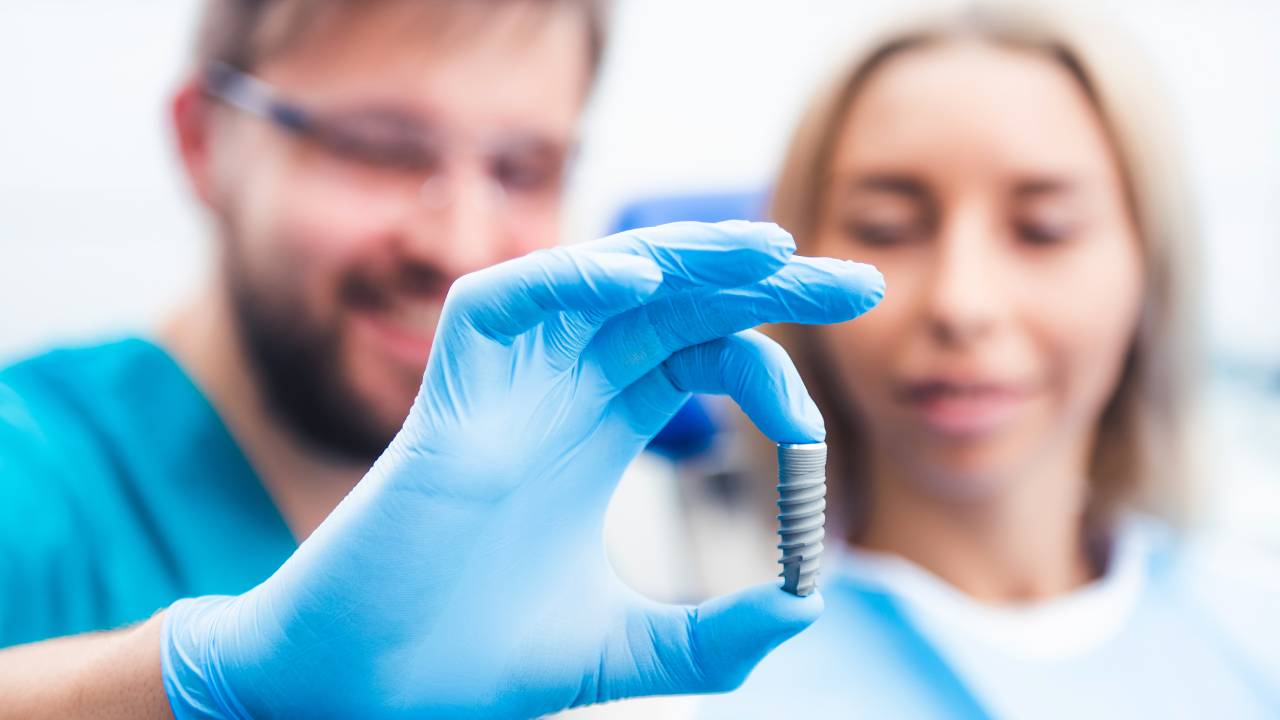
Mandibular advancement devices are the most common type. They fit over the upper and lower teeth and are connected in a way that holds the lower jaw slightly forward. Many custom versions can be adjusted gradually, so the dentist can move the jaw forward in small steps until symptoms improve while keeping the fit comfortable.
Tongue-Stabilizing Devices
Tongue-stabilizing devices use gentle suction to hold the tongue forward, keeping it from falling back into the airway. They are used less often. They can be an option for some people who cannot wear a device anchored to the teeth.
| Device Type | How It Works | Typical Use |
|---|---|---|
| Mandibular advancement device | Holds the lower jaw forward | Most oral appliance therapy for OSA |
| Tongue-stabilizing device | Holds the tongue forward with suction | Selected cases where a tooth-borne device is not suitable |
Custom Versus Over-the-Counter
Over-the-counter “boil and bite” snoring devices are widely sold, but they are not the same as a custom appliance made from impressions or scans of your teeth. The American Academy of Sleep Medicine and American Academy of Dental Sleep Medicine guideline suggests that a qualified dentist use a custom, titratable appliance over a non-custom device for adults with obstructive sleep apnea. A custom device can be adjusted precisely, and it is fitted to protect the teeth and bite as much as possible.
What the Research Says About Oral Appliances
Oral appliances are a recognized, evidence-based option for obstructive sleep apnea, though they are not right for everyone.
The same clinical practice guideline recommends that sleep physicians prescribe oral appliances for adult patients with obstructive sleep apnea who are intolerant of CPAP or who prefer an alternate therapy. In other words, CPAP remains the standard first-line treatment, but an oral appliance is an appropriate choice for people who cannot or will not use CPAP consistently.
The American Dental Association’s evidence brief on oral appliances for sleep-related breathing disorders summarizes the research on these devices for readers who want a deeper look.
A few practical takeaways follow from this:
- Oral appliances are most often considered for mild to moderate obstructive sleep apnea, or for people at any severity who cannot tolerate CPAP.
- Severe sleep apnea is usually treated first with CPAP, though some people use both an appliance and CPAP under their physician’s direction.
- The guideline recommends follow-up sleep testing to confirm the appliance is working, rather than relying on how you feel alone.
Adjusting to an Oral Appliance
Most people need a period of adjustment, often a few weeks, before wearing an appliance feels normal. Early side effects can include:
- Minor jaw or tooth soreness in the morning
- Increased saliva or, for some, a dry mouth
- A bite that feels slightly off for a short time after removing the device
These usually ease with continued use and with adjustments to the device. Long-term wear can gradually shift the bite in some patients, which is why the AASM and AADSM guideline recommends that dentists provide periodic follow-up to monitor for dental side effects and the occlusion. Regular dental visits let the dentist check the fit, adjust the advancement, and watch for changes in the teeth and jaw joints.
Other Treatment Options
An oral appliance is one part of a wider set of treatments. Your physician may recommend one or several of the following.
CPAP
Continuous positive airway pressure uses a bedside machine and mask to keep the airway open with a steady flow of air. It is highly effective when worn consistently and is the usual first choice for moderate to severe obstructive sleep apnea.
Lifestyle Changes
For some people, weight loss, avoiding alcohol near bedtime, treating nasal congestion, and changing sleep position can reduce symptoms. These changes are often recommended alongside other treatment rather than in place of it.
Surgery
Surgery on the nose, mouth, or throat can help in selected cases where anatomy is a major factor. A surgeon decides the approach based on an individual evaluation.
| Procedure | General Purpose |
|---|---|
| Uvulopalatopharyngoplasty (UPPP) | Removes or reshapes tissue in the throat to widen the airway |
| Genioglossus advancement | Repositions the attachment of the tongue muscle forward to reduce airway collapse |
| Septoplasty | Straightens a deviated nasal septum to improve nasal airflow |
| Treatment | Often Considered For | Notes |
|---|---|---|
| Lifestyle changes | Mild symptoms, or as support for other treatment | Usually combined with other care |
| CPAP | Moderate to severe OSA | Standard first-line therapy |
| Custom oral appliance | Mild to moderate OSA, or CPAP intolerance | Requires dental follow-up and confirmation testing |
| Combination therapy | Selected patients at any severity | Directed by the treating physician |
Why Treatment Matters
Untreated obstructive sleep apnea is linked to serious health problems, including high blood pressure and heart disease, along with the daily toll of poor sleep and fatigue. Getting a diagnosis and staying with a treatment you can tolerate is the goal, whichever option that turns out to be.
How Aetna Coverage Works for Sleep Apnea Appliances
People often search for “Aetna approved” sleep apnea dental solutions expecting a list of approved offices. In practice, coverage decisions are made claim by claim under your own policy, and the details vary widely from one Aetna plan to another.
Medical or Dental Plan
Because obstructive sleep apnea is a medical diagnosis, an oral appliance for it is usually billed to medical insurance rather than dental insurance. Dental plans may have little or no benefit for the device. If you carry both, it helps to know which one your claim will go to before treatment starts.
What Plans Commonly Ask For
Medical plans that pay for oral appliances typically look for documentation such as:
- A sleep study confirming obstructive sleep apnea and its severity
- A written order or prescription from a physician for an oral appliance
- Notes explaining why an appliance is appropriate, for example CPAP intolerance
- In some cases, prior authorization before the device is made
Requirements differ by policy, so the most reliable source is your plan documents or a call to the member services number on your card. Ask whether your plan covers oral appliance therapy for obstructive sleep apnea, whether prior authorization is needed, what your out-of-network benefit is, and what deductible and coinsurance apply.
Reimels Dentistry and Aetna
Reimels Dentistry is out-of-network with Aetna. The practice does not hold a participating or preferred status with Aetna, and it will not describe itself as Aetna approved. What it can do is submit claims to an Aetna plan’s out-of-network benefits, so the amount Aetna pays, and what remains your responsibility, depends on how your particular policy handles out-of-network care.
For reference, Blue Cross Blue Shield is the practice’s in-network carrier, and private pay is also accepted. The practice does not accept Medicare or Medicaid.
Questions to Bring to a Consultation
If you are considering an oral appliance, it helps to arrive with:
- A copy of your sleep study report
- Your physician’s order for an oral appliance, if you have one
- Your insurance cards for both medical and dental plans
- Notes on any CPAP trial and why it did or did not work for you
- Any history of jaw pain, clicking, or grinding
A dentist will examine your teeth, gums, bite, and jaw joints to confirm that an appliance is a reasonable fit. Healthy teeth and gums matter, because the device relies on them for support.
Sleep Apnea Care at Reimels Dentistry in Huntersville
Reimels Dentistry is a family and implant practice in Huntersville that serves patients from Huntersville, Charlotte, and Cornelius. Sleep apnea treatment is part of a broad range of care offered in one location, alongside preventive exams and cleanings, gum disease treatment, root canals, and restorative work. Sedation dentistry is available for patients who feel anxious about dental visits, including the impressions and fittings an appliance requires.
The practice’s approach centers on taking time to listen and explain procedures, and on the connection between oral health and overall health. For sleep apnea, that means working alongside your physician, who diagnoses the condition and orders treatment, while the dental team handles fitting, adjusting, and monitoring the appliance over time.
If you have an Aetna plan and are weighing an oral appliance, the most useful first steps are confirming your diagnosis, getting your physician’s order, and checking your plan’s out-of-network benefits for oral appliance therapy. With that information in hand, you can make a clear decision about treatment and cost.