There is no single list of “Aetna approved” TMJ dysfunction treatments. Whether Aetna pays depends on the plan you carry. Some Aetna plans include medical benefits that can apply to jaw joint care. Some dental plans exclude temporomandibular disorders entirely or cover only part of the care, such as an exam or an appliance. To find out what your plan covers, read your benefit documents for the words “TMJ,” “TMD,” or “temporomandibular,” then ask Aetna whether care is billed under medical or dental benefits and whether preauthorization is required. In Huntersville, Reimels & Paterra Cosmetic & Implant Dentistry is out-of-network with Aetna. The practice bills your Aetna out-of-network benefits under the terms of your own plan. This guide covers what TMJ disorders are, how they are usually treated, and how to approach coverage before you begin care.
Understanding TMJ Disorders
The temporomandibular joints connect your lower jaw to your skull, one in front of each ear. Temporomandibular disorders, usually shortened to TMD, are conditions that affect these joints and the muscles that move the jaw. People often say “TMJ” when they mean the disorder. In medical and insurance language, TMD is the more precise term, and it is the term that tends to appear in plan documents.
TMD is not one condition. It is a group of problems that can involve the muscles, the joint itself, or both. According to the National Institute of Dental and Craniofacial Research, TMDs are more common in women than in men, and for many people the symptoms are temporary and ease without aggressive treatment. That matters for insurance, because the care that is usually tried first is also the least costly.
Causes of TMJ Disorders
The exact cause of TMD is often hard to identify, and several factors can act together. Common contributors include:
- Teeth clenching and grinding. These habits often get worse with stress or during sleep. They put repeated load on the jaw muscles and joints.
- Jaw injury. A blow to the jaw, face, or neck can damage the joint or the tissues around it.
- Arthritis. Osteoarthritis and rheumatoid arthritis can wear down the cartilage in the jaw joint.
- Fibromyalgia and other muscle pain conditions. Widespread pain conditions can involve the jaw muscles.
- Stress. Ongoing tension can tighten the muscles of the face and jaw.
- Repetitive habits. Heavy gum chewing and nail biting can add strain over time.
Risk Factors
Some groups are more likely to develop TMD. Knowing these factors can help you and your clinician put your symptoms in context.
| Risk Factor | Why It Matters |
|---|---|
| Sex | Women are affected more often than men |
| Prior jaw injury | Earlier damage can raise the chance of joint problems |
| Arthritis | Joint conditions can involve the TMJ |
| Head and neck muscle conditions | Muscle disorders can extend to the jaw |
| Chronic clenching or grinding | Repeated load strains muscles and joints |
Symptoms of TMJ Disorders
Noticing symptoms early helps you get an accurate evaluation. Common signs include:
| Symptom | Description |
|---|---|
| Jaw pain | Tenderness in the jaw joint or chewing muscles |
| Facial pain | Aching around the temples or in front of the ears |
| Difficulty chewing | Discomfort while biting or chewing |
| Limited movement or locking | Trouble opening or closing the mouth fully |
| Clicking, popping, or grating | Sounds or a gritty feeling when the jaw moves |
| Headaches | Pain that can come with jaw muscle tension |
Clicking by itself, without pain or limited movement, is common and does not always need treatment. Pain, locking, or a change in how your teeth fit together is worth having examined.
How Diagnosis Works
A TMD evaluation usually includes three parts.
- Medical and dental history. Your clinician asks when the symptoms started, what makes them better or worse, and whether you clench, grind, or have had a jaw injury.
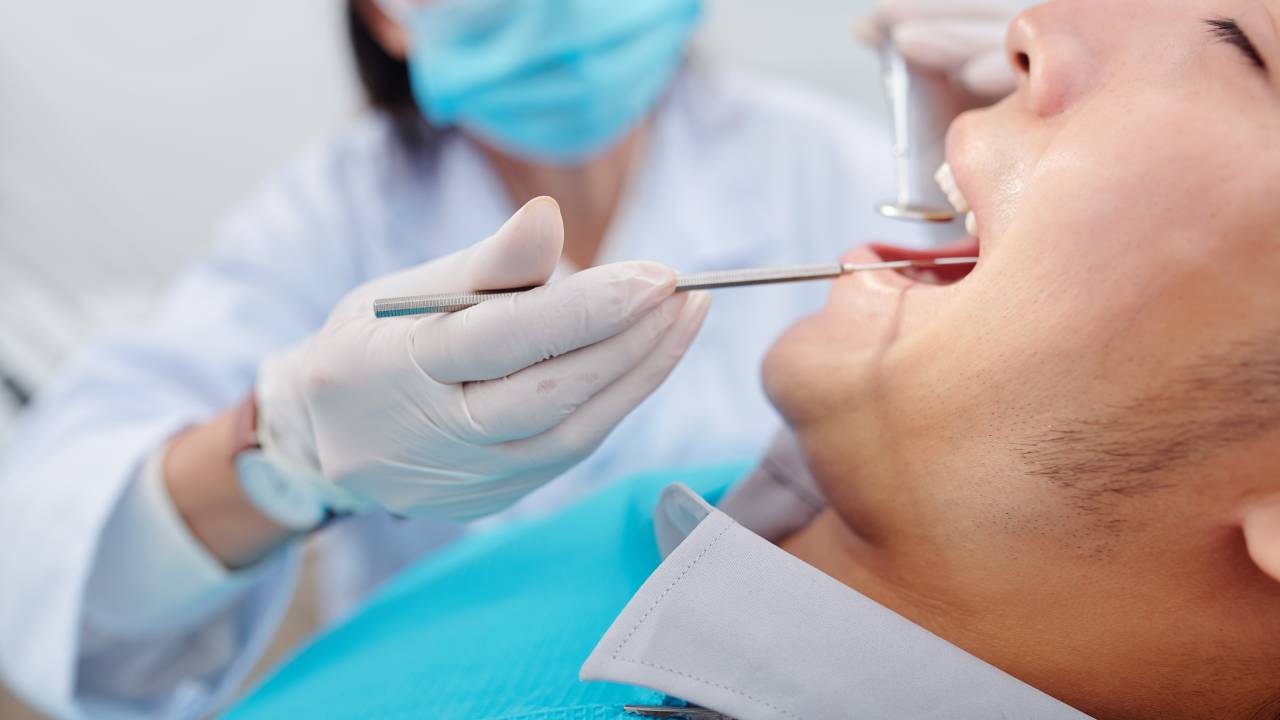
- Clinical examination. The clinician checks how far and how smoothly your jaw opens, listens for joint sounds, presses on the chewing muscles, and looks at your bite and your teeth for signs of wear.
- Imaging when needed. X-rays, CT scans, or MRI may be used if the clinician needs a clearer view of the joint, especially when arthritis or a disc problem is suspected.
Diagnosis also matters for coverage. Insurance plans generally pay based on the documented diagnosis and the type of service, so a clear record of findings helps any claim, whether it is filed under medical or dental benefits.
Treatment Options for TMJ Disorders
Conservative, Reversible Treatments First
The NIDCR recommends conservative, reversible treatment for most people with TMD, and advises caution about treatments that permanently change the bite or the jaw. Common first steps include:
- Self-care and habit changes. Eating softer foods for a while, avoiding wide yawns and heavy gum chewing, applying moist heat or cold packs, and paying attention to daytime clenching.
- Stress management. Because tension can worsen symptoms, relaxation techniques and, for some people, cognitive behavioral therapy can help.
- Physical therapy. Gentle jaw exercises, stretching, and manual therapy can improve movement and ease muscle pain.
- Occlusal splints or night guards. These custom-fitted appliances cover the biting surfaces of the teeth. They can reduce the effects of clenching and grinding and take some strain off the jaw muscles. A splint should not permanently change your bite.
| Conservative Treatment | What It Does |
|---|---|
| Self-care and diet changes | Rests the jaw and limits strain |
| Stress management | Reduces muscle tension tied to stress |
| Physical therapy | Improves movement and muscle function |
| Occlusal splints | Cushions clenching and grinding forces |
Medications
Medications can ease symptoms while other treatments take effect.
| Medication Type | Purpose |
|---|---|
| Over-the-counter pain relievers | Ease discomfort |
| Nonsteroidal anti-inflammatory drugs | Reduce inflammation and pain |
| Muscle relaxants | Relieve muscle spasm, usually short term |
| Other prescription options | Sometimes used for chronic pain or sleep-related clenching |
Use any medication only as directed by the clinician who prescribes or recommends it.
Newer and Specialized Approaches
Several newer treatments are being studied for TMD. A review of current TMD management discusses options such as botulinum toxin injections into the jaw muscles, low-level laser therapy, and injections of substances like platelet-rich plasma into the joint. Research on these approaches is still developing, and results vary from person to person. They are usually considered after conservative care has been tried. Insurers also often treat newer therapies differently from established ones, so check coverage before agreeing to any of them.
Surgical Interventions
Surgery is reserved for a small number of people whose symptoms persist after conservative treatment, usually when there is a clear structural problem in the joint. Options range in complexity:
- Arthrocentesis. Sterile fluid is used to flush the joint and remove inflammatory byproducts. It is minimally invasive.
- Arthroscopy. A small camera is placed in the joint so the surgeon can see and treat the area through tiny incisions.
- Open-joint surgery. The joint is opened to repair or replace damaged structures. It is considered only for severe cases when other options have failed.
These procedures are performed by oral and maxillofacial surgeons. Because surgery is usually billed under medical benefits, it typically requires preauthorization.
How Aetna Coverage Usually Fits In
When people search for Aetna approved TMJ dysfunction treatment, they usually want to know two things: whether the treatment will be paid for, and where they can get it. Coverage questions tend to come down to a few points.
Medical Benefits or Dental Benefits
TMD involves a joint and muscles, so many plans route it through medical coverage. Dental plans may cover a related service, such as a dental exam or, on some plans, an occlusal guard, while excluding TMD treatment as a category. Some plans cover TMD under neither, and others cover it under both with limits. Your plan documents are the only reliable answer.
Questions to Ask Aetna
When you call the member services number on your card, ask:
- Does my plan cover evaluation and treatment of temporomandibular disorders, and under which benefit?
- Is an occlusal splint or night guard covered, and are there limits on how often it can be replaced?
- Is preauthorization required for any TMD treatment?
- Does my plan include out-of-network benefits, and how are they reimbursed?
- What are my deductible, coinsurance, and annual maximum for this type of care?
Write down the date, the representative’s name, and any reference number. If a claim is later questioned, that record helps.
Using Out-of-Network Benefits in Huntersville
Reimels & Paterra Cosmetic & Implant Dentistry is out-of-network with Aetna, Americo, Cigna, Delta Dental, MetLife, and UnitedHealthcare. For Aetna members, the practice bills your plan’s out-of-network benefits under the terms of your own policy. What you pay depends on how your plan handles out-of-network care. The Reimels Dentistry practice is in-network with Blue Cross Blue Shield and also accepts private pay. It does not accept Medicaid or Medicare.
Importance of Early Diagnosis
Benefits of Early Evaluation
Having jaw pain evaluated early has practical advantages. Your clinician can rule out other causes of facial pain, such as a cracked or infected tooth. You can start simple, low-cost measures before habits like clenching become entrenched. You also build a documented history, which can help if you need to use insurance for further care later.
Managing TMD Over Time
For many people, TMD is a condition to manage rather than a single problem to fix. Symptoms can flare during stressful periods and settle again. A practical long-term plan often includes:
| Approach | Expected Benefit |
|---|---|
| Custom splint for nighttime grinding | Less wear on teeth and less morning jaw tension |
| Ongoing jaw exercises | Better movement and fewer flare-ups |
| Short-term medication during flares | Pain and inflammation relief |
| Periodic follow-up | Adjustments as symptoms change |
| Surgical care in select cases | Correction of specific structural problems |
Regular dental exams also give your dentist a chance to look for signs of grinding, such as flattened or chipped teeth, before the damage becomes extensive.
Seeking Professional Help for TMJ
Consulting Healthcare Providers
If you have jaw pain, locking, or ongoing discomfort when chewing, start with a dentist or your primary care physician. A typical path looks like this:
- Initial evaluation. A dentist or physician examines your jaw, teeth, and bite and reviews your history.
- Referral if needed. Depending on the findings, you may be referred to a physical therapist, an oral and maxillofacial surgeon, a rheumatologist, or a pain specialist.
- Treatment plan. You and your care team agree on a plan, usually starting with conservative steps and moving to other options only if needed.
Choosing the Right Practice
Several points are worth weighing when you choose where to start:
- A clear diagnosis before treatment. Look for a clinician who explains the findings and why a treatment is recommended.
- A conservative approach. Be cautious about anyone who recommends permanent bite changes or major procedures as a first step.
- Comprehensive dental care. A practice that handles exams, restorative work, and emergencies can address related problems such as worn or cracked teeth.
- Insurance clarity. Know whether the office is in-network or out-of-network with your plan and how it will bill your benefits.
| Criteria | Why It Matters |
|---|---|
| Clear diagnosis | Treatment matches the actual problem |
| Conservative approach | Lowers the risk of irreversible changes |
| Comprehensive dental care | Related dental issues are handled in one place |
| Insurance clarity | Fewer billing surprises |
Dental Care in Huntersville for Jaw-Related Concerns
Reimels & Paterra Cosmetic & Implant Dentistry is a family dental practice in Huntersville that also serves patients from Charlotte and Wake Forest. The practice provides dental exams and cleanings, preventive care, restorative treatment such as root canals, emergency dentistry, gum disease treatment, orthodontics and Invisalign, sleep apnea care, and sedation dentistry. Grinding and clenching can chip or wear teeth, so restorative and cosmetic services may be part of the picture when TMD has already affected your teeth.
That way the decision about care rests on a clear diagnosis and a clear understanding of what your plan will contribute.