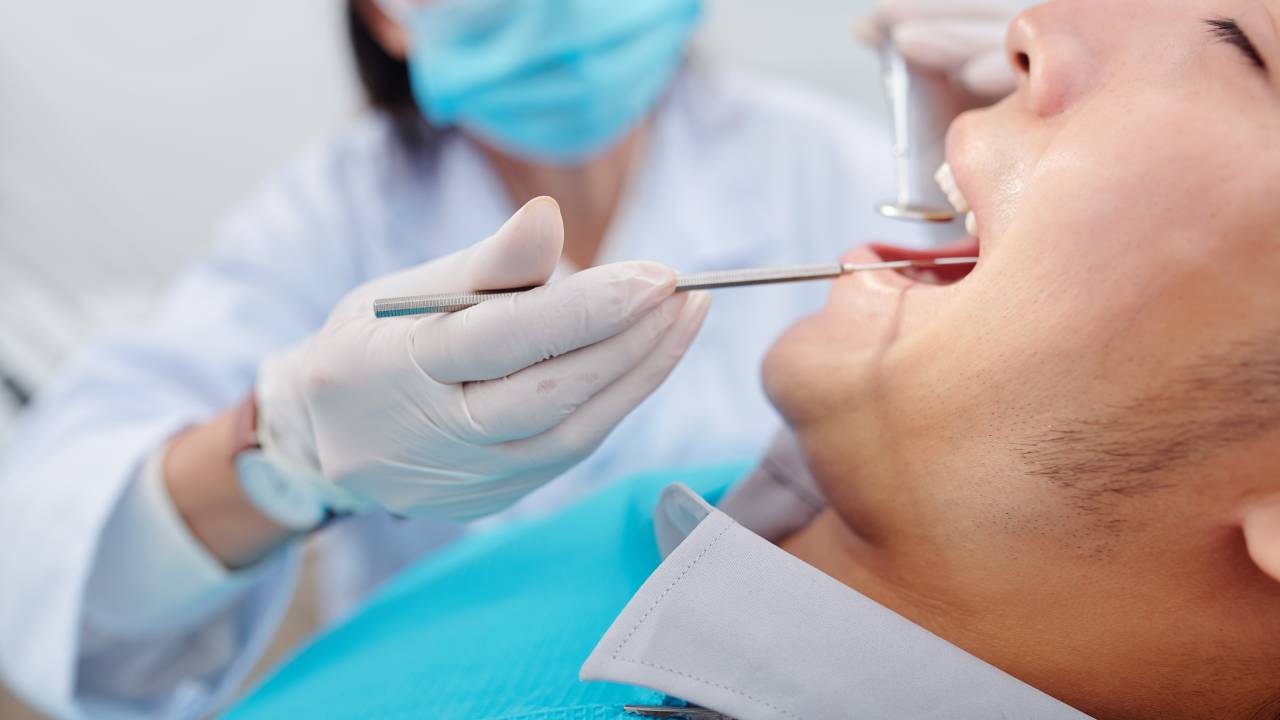
Whether Delta Dental helps pay for a custom night guard for TMD depends on the specific Delta Dental plan you carry, not on the Delta Dental name itself. Some plans list an occlusal guard as a covered benefit, often with limits on frequency or the reason it is needed. Others exclude it or treat jaw joint care as something your medical insurance should handle. At Reimels & Paterra Cosmetic & Implant Dentistry in Huntersville, NC, Delta Dental is an out-of-network carrier. If your plan includes out-of-network benefits, you can apply them here under your own policy’s terms. The rest of this guide covers what TMD is, where a night guard fits among the treatment choices, how the different Delta Dental plan types handle out-of-network care, and what to confirm before you commit to a device.
Understanding TMD and TMJ Disorders
Overview of TMJ Disorders
The temporomandibular joints sit just in front of each ear and connect your lower jaw to your skull. “TMJ” refers to the joint itself. “TMD,” short for temporomandibular disorders, refers to the group of conditions that cause pain and trouble with that joint and the muscles that move the jaw. The National Institute of Dental and Craniofacial Research describes TMD as a set of more than 30 conditions affecting the jaw joints, the jaw muscles, or both.
People with TMD often describe:
- Aching in the jaw, face, or around the ear
- Clicking, popping, or grating sounds when opening or closing the mouth
- A jaw that feels stiff or will not open fully
- Pain when chewing
- Headaches or tightness in the temples
- Signs of clenching or grinding, such as worn tooth edges or sore muscles on waking
Many factors can play a part. Jaw injuries, arthritis in the joint, muscle strain, and habits such as clenching or grinding are among the commonly discussed contributors. Because causes often overlap, there is rarely a single fix, and finding the right approach can take some patience and more than one type of provider.
Why the Impact Goes Beyond Discomfort
TMD can affect basic daily functions like chewing, speaking, and yawning. For people who grind at night, the problem also shows up in the teeth themselves, as worn enamel, chipped edges, or strain on existing dental work. That is one reason a dentist is often part of the care team even when the root of the problem is muscular or joint-related. Early attention gives you more room to choose simple, reversible steps before symptoms settle in.
Treatment Options for TMD
Conservative Approaches Come First
Most guidance on TMD starts with the least invasive options. The NIDCR notes that many people find their symptoms improve with simple self-care, and it recommends conservative, reversible treatments before anything that permanently changes the bite or jaw. The FDA’s consumer page on TMD devices takes a similar view and encourages people to try conservative, noninvasive treatment before considering surgical options or implanted devices.
Common conservative steps include:
- Self-managed home care: Ice or moist heat, softer foods, cutting food into smaller pieces, and avoiding wide yawns, gum chewing, and other extreme jaw movements.
- Jaw exercises and physical therapy: Gentle stretching and strengthening, ideally taught by a professional so the movements do not aggravate the joint.
- Pain relief medication: Over-the-counter pain relievers or anti-inflammatory medicine, used as your clinician advises.
- Stress management: Many people clench more during stressful periods, often without noticing, so relaxation habits can matter.
Role of Night Guards in TMD Treatment
A custom night guard, also called an occlusal guard, splint, or oral appliance, is one of the most familiar tools for TMD and grinding. Delta Dental describes these as plastic guards that fit over the upper or lower teeth. Worn mostly during sleep, a guard places a barrier between the teeth. It helps protect tooth surfaces from grinding and can spread biting forces more evenly, which some people find eases muscle tension.
It helps to keep expectations realistic. A review published in PubMed Central offering recommendations on the use of oral orthotic occlusal appliances for TMD discusses how these appliances are used and where the evidence supports them. The practical takeaway for patients is that a guard is a reversible, supportive treatment, not a guaranteed cure, and it tends to work best as part of a broader plan that includes self-care. The NIDCR also cautions that a splint should not be worn in a way that permanently changes your bite, and that worsening pain or a bite that feels different are reasons to stop and talk with your provider.
Custom Guards Versus Store-Bought Options
Drugstore guards are made to fit a range of mouths and are often softened in hot water and shaped by biting. A custom guard is made from impressions or scans of your own teeth, so it is designed to fit your bite specifically. That fit matters for comfort, for staying in place through the night, and for avoiding uneven pressure. It also matters for insurance: plans that cover occlusal guards generally expect a dentist-fabricated device with documentation of why it is needed.
Surgical Options for TMD
When conservative care and a well-fitted guard do not bring meaningful relief, a small number of people are referred for more involved procedures. These are typically reserved for specific joint problems and include:
- Arthrocentesis: A minimally invasive procedure that flushes the joint.
- Open-joint surgery: Direct repair of structural problems inside the joint.
- Joint replacement: Considered only in the most severe situations.
The FDA regulates TMJ implants and other TMD devices, and its page explains the types of devices used and what patients should consider before choosing an implanted device. These procedures fall outside general dentistry and are handled by surgical specialists, so most of the coverage discussion in this guide applies to the guard itself rather than to surgery.
How Delta Dental Plans Handle Out-of-Network Care
Because Reimels & Paterra is out-of-network with Delta Dental, the type of plan you have is the first thing to check. Delta Dental offers several plan designs, and they treat out-of-network dentists very differently.
| Plan Type | How It Generally Works | Out-of-Network Use |
|---|---|---|
| Delta Dental PPO | Network of dentists plus the option to see providers outside the network | Typically allows out-of-network visits under plan terms |
| Delta Dental Premier | Large dentist network with broader flexibility | Out-of-network terms depend on your plan |
| DeltaCare USA (DHMO) | Fixed copays, no deductibles or annual maximums | Limited to in-network providers |
| Delta Dental EPO | Exclusive provider design | Covered services require in-network dentists |
If you carry a DHMO or EPO plan, out-of-network benefits generally are not part of your coverage, which means a guard made at an out-of-network office would usually be an out-of-pocket expense. If you carry a PPO or Premier plan, you may have out-of-network benefits that can be applied toward an eligible guard, depending on your specific policy.
Dental Coverage Versus Medical Coverage
TMD sits at the border between dentistry and medicine. A guard prescribed mainly to protect teeth from grinding is usually viewed as a dental service. Treatment aimed at the jaw joint itself is sometimes directed to medical insurance instead, and some dental policies carry specific exclusions for TMJ treatment. The wording in your plan documents matters. Look for terms such as “occlusal guard,” “night guard,” “bruxism,” and “TMJ” or “temporomandibular” in the benefits and exclusions sections.
Questions to Ask Delta Dental Before Your Appointment
A short call to the member services number on your card, or a look through your online benefits summary, can answer most of these:
- Does my plan include out-of-network benefits?
- Is an occlusal guard a covered benefit, and under what category?
- Does coverage depend on the reason for the guard, such as grinding versus TMD?
- Is there a frequency limit, for example one guard within a set number of years?
- Is a pretreatment estimate available or recommended?
- How much of my annual maximum and deductible remains?
- Are TMJ-related treatments excluded under my dental plan?
Delta Dental also offers a cost estimator tool for planning. Treat any estimate as a starting point, and confirm exact fees and coverage with both the dental office and your plan, since the final reimbursement follows your policy’s rules.
If Your Plan Will Not Help
Some patients find their Delta Dental plan offers no out-of-network benefits or excludes the guard altogether. Reimels & Paterra also accepts private pay and has an in-house dental membership plan designed as an alternative to traditional insurance. Ask the office how the membership plan would apply to your situation and to any guard in your treatment plan.
Seeking Professional Care for TMD
Importance of Early Evaluation
Jaw pain, clicking, and limited opening are worth having checked rather than waiting out. An exam can help sort out whether symptoms point toward grinding, muscle strain, a joint issue, or something unrelated to the jaw such as a tooth problem or sinus pressure.
| Symptom | Why It Is Worth Checking Early |
|---|---|
| Jaw pain | Gives you a chance to start simple care before discomfort becomes routine |
| Clicking or popping | Helps your provider understand what is happening inside the joint |
| Limited jaw movement | Allows early attention before movement becomes more restricted |
| Worn or chipped teeth | May signal grinding that a guard can help protect against |
The sooner you understand what is driving your symptoms, the more likely you can manage them with reversible, low-intervention steps.
What to Expect From a Dental Visit for Jaw Symptoms
At Reimels & Paterra, dental exams are part of the practice’s preventive care, and the team’s approach centers on taking time to listen and explain procedures before moving forward. For jaw complaints, a visit typically includes a conversation about your symptoms and habits, a look at your teeth for signs of wear, and an assessment of how your jaw opens and closes. If a guard is part of the recommended plan, ask about the fitting process, how to care for the device, and how follow-up adjustments are handled.
The Reimels Dentistry practice brings comprehensive dentistry into one location, and multiple dentists on staff are Fellows of the Academy of General Dentistry with more than 600 hours of continuing education. If grinding has already damaged teeth, the same office also provides restorative and cosmetic treatment, so repairs and protection can be planned together. For patients with significant anxiety about dental visits, sedation dentistry is available. If jaw or tooth pain flares suddenly, the practice offers same-day emergency appointments.
Combining Self-Care and Professional Treatment
TMD management usually works best when daily habits and professional care support each other.
Self-care strategies:
- Jaw stretches and exercises as directed
- Stress management techniques
- A softer diet during flare-ups
- Noticing and relaxing daytime clenching
Professional treatments may involve:
- A custom night guard
- Physical therapy
- Medication guidance
A guard protects your teeth overnight, but it cannot undo daytime clenching or ongoing stress. Pairing it with self-care gives you the best chance of steady improvement. If symptoms persist or worsen, your dentist may suggest bringing in other professionals, such as a physical therapist or physician.
Caring for Your Night Guard
Once you have a custom guard, a few habits help it last and keep it hygienic:
- Rinse it after each use and brush it gently with a soft brush.
- Store it in a ventilated case away from heat, which can warp the material.
- Keep it away from pets.
- Bring it to your regular dental checkups so the fit and wear can be reviewed.
Because many plans that cover guards limit how often a replacement is paid for, taking care of the device also protects your benefits.
Making a Decision That Fits Your Coverage
For Huntersville patients with Delta Dental, the path to a custom night guard comes down to a few clear steps. Confirm your plan type and whether it includes out-of-network benefits. Check how your policy treats occlusal guards and TMJ-related care. Ask about a pretreatment estimate. Then have your jaw evaluated so the guard, if recommended, fits into a plan that also includes self-care and follow-up.
Reimels & Paterra Cosmetic & Implant Dentistry serves patients from Huntersville, Charlotte, and Wake Forest. The office can talk through how out-of-network benefits apply to your care, along with private pay and membership plan options, so you understand your costs before treatment begins.