Non-CPAP Treatments Overview
For individuals exploring treatment options for mild sleep apnea, numerous alternatives to Continuous Positive Airway Pressure (CPAP) machines exist. Understanding these options can help you find the most suitable method for managing your symptoms.
Weight Loss Strategies
Weight management plays a crucial role in alleviating the severity of obstructive sleep apnea (OSA) symptoms. Research indicates that even a small weight loss of less than 5% can lead to a significant reduction in respiratory events for obese patients. In some cases, a target weight loss of 10% is ideal to decrease the prevalence of severe OSA [1]. Recommended strategies include dietary changes and moderate exercise, which can improve the apnea-hypopnea index (AHI), making OSA more manageable. Additionally, limiting alcohol intake is advisable, as alcohol can exacerbate symptoms by affecting the upper airway muscles [2].
| Weight Loss Recommendations | Percentage Impact on AHI |
|---|---|
| Less than 5% weight loss | Significant reduction in respiratory events |
| 10% weight loss | Ideal target for decreasing severe OSA prevalence |
Oral Appliance Therapy
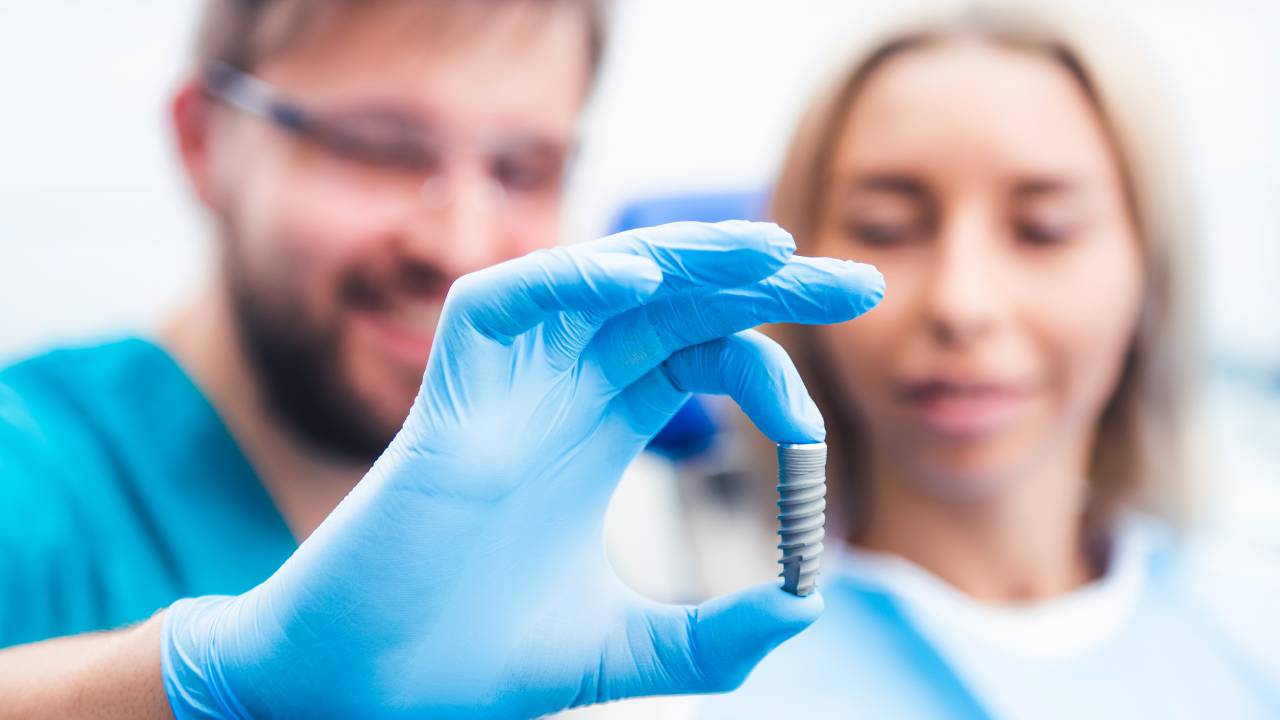
For those intolerant of CPAP or seeking alternatives, oral appliance therapy presents a viable option. Custom-made oral appliances, designed by dentists or orthodontists, are more effective than over-the-counter varieties. These devices help maintain an open airway during sleep by adjusting the position of the jaw or tongue. This personalized approach can lead to better outcomes for individuals suffering from mild to moderate sleep apnea.
| Type of Oral Appliance | Effectiveness |
|---|---|
| Custom-made | Best results and comfort |
| Over-the-counter | Variable effectiveness |
Positive Airway Pressure Machines
Positive Airway Pressure (PAP) machines, the most commonly prescribed treatment for sleep apnea, can be an effective solution when combined with lifestyle modifications. These machines work by providing a continuous stream of air to keep the airways open during sleep. However, users may experience side effects, including nasal congestion, dry mouth or eyes, and stomach discomfort. It is important to consult your healthcare provider if such issues arise [4].
| PAP Machine Considerations | Common Side Effects |
|---|---|
| Effective for many patients | Congestion, dry mouth/eyes, stomach discomfort |
| Requires routine use | Consult healthcare provider for any issues |
The path to effective treatment options for mild sleep apnea includes a range of strategies such as weight loss, oral appliances, and positive airway pressure machines. To learn more about how dentists can assist you in managing sleep apnea, check out our article on how dentists help with sleep apnea.
Dental Solutions for Mild Sleep Apnea
Various dental solutions can effectively address mild to moderate sleep apnea. These treatments are often tailored to your specific needs and can provide an alternative to traditional CPAP therapy.
Mandibular Advancement Devices (MADs)
Mandibular Advancement Devices (MADs) are the most common type of oral appliance used in the treatment of obstructive sleep apnea. These custom-made devices are specifically designed to pull your jaw forward while you sleep, thereby opening up your airway and making it easier for you to breathe.
Custom-made MADs offer more significant benefits compared to over-the-counter options, such as “boil and bite” models, which may not provide a proper fit or adequate efficacy [6]. Studies indicate that patients with mild upper airway collapse and low loop gain often see the best results from MAD therapy.
| Device Type | Features | Effectiveness |
|---|---|---|
| Custom-Made MADs | Tailored fit, comfortable, adjustable | More effective than prefabricated options |
| Prefabricated MADs | Generic fit, less expensive | Generally less effective than custom-made devices |
Tongue Retaining Devices
Tongue Retaining Devices (TRDs) are another oral appliance option that helps keep the tongue in a position that prevents it from obstructing the airway during sleep. This treatment is often recommended for individuals who struggle with snoring and mild sleep apnea.
TRDs work by holding the tongue in a forward position, which helps maintain an open airway. They can be particularly useful for patients whose primary issue is tongue-based obstruction. However, adjusting to TRDs may take time, and not everyone finds them comfortable.
Orofacial Therapy
Orofacial therapy involves a series of exercises and techniques designed to strengthen the muscles in the mouth, throat, and face. This therapy can help enhance muscle tone and improve airway function, thereby reducing the severity and occurrences of sleep apnea episodes.
Orofacial therapy is especially beneficial when used in conjunction with other treatments, such as oral appliances, as it targets the root causes of airway obstruction. It can make a significant difference for individuals with mild to moderate obstructive sleep apnea.
These dental solutions are part of various treatment options for mild sleep apnea that you can explore. If you’re curious about how dentists can assist with sleep apnea, consider reading more in our articles on how dentists help with sleep apnea and can a dentist treat sleep apnea.
Effectiveness of Dental Devices
When considering the treatment options for mild sleep apnea, dental devices, such as custom-fitted oral appliances and mandibular advancement devices (MADs), play a significant role. Understanding their effectiveness can help you make an informed decision.
Custom-Fitted Oral Appliances
Custom-fitted oral appliances are designed specifically for the individual’s dental structure, offering a more precise fit compared to over-the-counter options. Studies indicate that custom-made mandibular advancement devices (MADs) are significantly more effective in reducing the severity of obstructive sleep apnea than prefabricated devices made from thermoplastic materials. The tailored fit enhances comfort and can lead to greater patient compliance, making them a preferred solution.
Some key benefits of custom-fitted oral appliances include:
| Feature | Benefit |
|---|---|
| Custom Design | Optimal fit for enhanced comfort |
| Efficacy | Greater reduction in OSA severity |
| Adjustability | Personalized adjustments for better results |
For more on how these appliances work, check our article on how oral appliances work for sleep apnea.
Mandibular Advancement Device (MAD) Efficacy
Mandibular advancement devices (MADs) function by repositioning the lower jaw to keep the airway open during sleep. Research shows that patients with mild upper airway collapsibility tend to benefit most from MAD therapy [6]. The therapy has shown efficacy comparable to CPAP therapy, despite CPAP being better at reducing OSA severity in some cases.
| Comparison | MAD | CPAP |
|---|---|---|
| Efficacy | Comparable in outcomes | Higher AHI reduction |
| Comfort | Generally preferred | May experience discomfort |
| Compliance | Higher self-reported adherence | Declined adherence over time |
Self-reported adherence to MAD therapy is typically higher than that of CPAP; however, it tends to decrease over time [6]. Proper patient education and periodic evaluations can help improve compliance.
Compliance Rates and Adjustments
Compliance with the use of dental devices is crucial for their effectiveness. Studies show that while patients often begin with a favorable adherence rate, it may wane over time. Objective measurements using microsensors have been developed to assess the extent of actual use, leading to a better understanding of patient adherence patterns [6].
To enhance compliance, regular follow-ups with your dental provider for device adjustments are vital. This ensures that the appliance remains comfortable and effective. If you’re curious about the cost and insurance coverage, consider reviewing our information on insurance coverage for oral appliance sleep apnea treatment.
Dental solutions for mild sleep apnea, particularly custom-fitted oral appliances and MADs, provide viable alternatives to CPAP therapy, allowing patients to manage their condition effectively while maintaining comfort and adherence. For more information on the pros and cons of these dental devices, visit our guide on pros and cons of dental sleep apnea devices.
Role of Exercise in Sleep Apnea
In your journey to explore treatment options for mild sleep apnea, incorporating regular exercise can significantly improve your condition. Targeted exercises, such as breathing and throat workouts, can strengthen the muscles involved in keeping your airway open during sleep.
Breathing Exercises
Breathing exercises are crucial for individuals struggling with sleep apnea. Techniques such as diaphragmatic breathing engage the abdominal muscles, aiding in effective oxygen and carbon dioxide exchange. This method encourages deep breaths and can help increase lung capacity. Regular practice can strengthen your respiratory muscles, potentially reducing apnea occurrences.
| Exercise Type | Benefits |
|---|---|
| Diaphragmatic Breathing | Enhances oxygen exchange and strengthens lung capacity |
| Ujjayi Breathing | Promotes relaxation and calms the nervous system |
For more information on breathing techniques, check our guide on how to treat sleep apnea without CPAP.
Mouth and Throat Exercises
Mouth and throat exercises focus on strengthening oral muscles to prevent airway obstruction. Engaging these muscles can reduce the risk of apneas by ensuring they remain firm and open during sleep. Exercises can include vocal exercises or simply practicing tongue movements that keep the throat agile.
| Exercise Type | Purpose |
|---|---|
| Vocal Exercises | Strengthen throat muscles |
| Tongue Movements | Improve airway patency |
Exploring these exercises can be beneficial, as suggested by various sources.
Neck and Tongue Exercises
Exercises targeting the neck and tongue can also contribute positively to managing sleep apnea symptoms. Strengthening these areas can directly impact airflow, as they are crucial in maintaining a clear passage during sleep. Techniques such as gentle neck stretches, combined with tongue strengthening methods, can enhance muscle tone.
| Exercise Type | Benefits |
|---|---|
| Neck Stretches | Improve flexibility and muscle strength |
| Tongue Strengtheners | Enhance airway openness |
Incorporating exercises into your daily routine, such as yoga positions like Child’s Pose, can further assist in managing symptoms [7]. By combining these physical activities, you can work towards reducing the severity of mild or moderate sleep apnea while improving overall health. Don’t forget to consult with your dentist about the best dental solutions for sleep apnea that can complement your exercise regimen.
Lifestyle Modifications for Sleep Apnea
Making certain lifestyle changes can greatly enhance your treatment options for mild sleep apnea. Here are some key areas to focus on:
Weight Loss Recommendations
Maintaining a healthy weight can significantly reduce the severity of sleep apnea symptoms. Studies indicate that even a modest weight loss can lead to improvements in sleep quality for individuals suffering from obstructive sleep apnea (OSA) [4]. Regular physical activity helps keep the airways open while sleeping and can improve overall health. Here are some weight loss strategies to consider:
| Strategy | Description |
|---|---|
| Balanced Diet | Consume a variety of fruits, vegetables, whole grains, and lean proteins. |
| Regular Exercise | Aim for at least 150 minutes of moderate aerobic activity each week. |
| Portion Control | Be mindful of portion sizes to avoid overeating. |
For more information on treatment options, check our article on what is mild sleep apnea treatment.
Alcohol Reduction
Reducing or eliminating alcohol intake is essential for managing sleep apnea. Alcohol can exacerbate OSA symptoms by impacting the upper airway breathing muscles and potentially leading to weight gain. Experts recommend avoiding alcohol, especially before bedtime, as it can worsen airway obstruction [8]. Here are some tips to reduce alcohol consumption:
| Tip | Description |
|---|---|
| Set Limits | Decide on a maximum number of drinks per week. |
| Choose Alcohol-Free Days | Designate specific days without alcohol consumption. |
| Opt for Low-Alcohol Beverages | Select beverages with lower alcohol content. |
Medication Caution
Certain medications can worsen sleep apnea symptoms. Opioids, for example, can slow down the breathing rate and relax respiratory muscles, potentially heightening complications related to sleep apnea [2]. It’s important to review your medications with your healthcare provider:
| Medication Type | Effects on Sleep Apnea |
|---|---|
| Opioids | Can slow breathing and relax airway muscles. |
| Sedatives | May increase airway obstruction during sleep. |
| Muscle Relaxants | Could exacerbate breathing difficulties at night. |
Maintaining an open dialogue with your healthcare provider about your medications is crucial. For more detailed insights into how dentists can provide solutions for sleep apnea, visit our page on how dentists help with sleep apnea.
Implementing these lifestyle modifications can significantly improve your quality of sleep and overall well-being while addressing the treatment options for mild sleep apnea.
Specialized Dental Therapies
When managing mild or moderate sleep apnea, specialized dental therapies can play an important role. These therapies include hypoglossal nerve stimulation, oral appliance therapy, and surgical options for severe cases.
Hypoglossal Nerve Stimulation (HNS)
Hypoglossal nerve stimulation (HNS) is a promising non-CPAP treatment option for obstructive sleep apnea (OSA). This innovative approach involves placing a stimulation electrode on the hypoglossal nerve, which induces tongue protrusion and helps stiffen the anterior pharyngeal wall. This action prevents the airway from collapsing during sleep, thus reducing apnea events and improving airflow [1].
HNS can be particularly beneficial for individuals who have not found success with other treatments or who are CPAP-intolerant. If you are exploring treatment options for mild sleep apnea, HNS might be a viable consideration alongside other therapeutic options.
Oral Appliance Therapy Benefits
Oral appliance therapy is a widely recommended treatment for individuals suffering from mild to moderate obstructive sleep apnea, especially for those who struggle with CPAP machines. Oral appliances are custom-fitted devices designed to reposition the jaw and tongue to maintain an open airway during sleep. While CPAP machines are generally more effective in reducing apnea events, many patients find oral appliances easier to tolerate and use consistently [5].
Using oral appliances can lead to numerous benefits, including:
- Improved sleep quality
- Reduced snoring
- Enhanced overall health and daytime alertness
For more information about oral appliance options, visit our articles on the pros and cons of dental sleep apnea devices and benefits of oral appliance therapy for sleep apnea.
Surgical Options for Severe Cases
In certain situations where dental devices or other non-invasive techniques are ineffective, surgical interventions may be necessary. Surgical options can include:
- Uvulopalatopharyngoplasty (UPPP): Removal of excess tissue from the throat to widen the airway.
- Radiofrequency thermotherapy (RFTT): Using radiofrequency energy to shrink and tighten soft tissue in the throat.
- Tongue base reduction: Contouring the base of the tongue to prevent blockage.
- Maxillomandibular advancement (MMA): Repositioning the upper and lower jaw to enlarge the airway.
These surgical procedures can be particularly effective for patients with severe obstructive sleep apnea who cannot tolerate CPAP therapy [1]. If you’re considering surgical therapy, consult your healthcare provider to discuss the best options available based on your specific condition.
Exploring specialized dental therapies can open new avenues in managing sleep apnea effectively. Whether considering HNS, oral appliance therapy, or surgical solutions, you should discuss these options with your healthcare provider to determine the most suitable approach for your needs.
References
- (NCBI)
- (WebMD)
- (Cleveland Clinic)
- (NHLBI)
- (Cleveland Clinic)
- (PubMed Central)
- (Garza DDS)
- (Sleep Foundation)