Most adults who qualify for oral appliance therapy at Reimels Dentistry have obstructive sleep apnea confirmed by a sleep test, usually in the mild to moderate range, along with enough healthy teeth and a jaw that can comfortably move forward to hold the device. People with severe sleep apnea who cannot tolerate CPAP may also be considered. Snoring alone, central sleep apnea, loose teeth, untreated gum disease, or significant jaw joint problems can rule someone out or delay treatment until those issues are addressed. The rest of this guide covers each requirement, the appliance types, side effects, and what success looks like.
Oral Appliance Therapy for Sleep Apnea
What Is Oral Appliance Therapy?
Oral appliance therapy treats obstructive sleep apnea (OSA) by keeping your airway open while you sleep. You wear a custom-made appliance, similar to a mouthguard, that changes the position of your jaw and tongue so the soft tissues at the back of the throat are less likely to collapse and interrupt breathing.
It is a non-invasive alternative to CPAP and is especially useful for people who cannot tolerate a CPAP machine. The American Academy of Sleep Medicine’s clinical guideline for the evaluation and long-term management of obstructive sleep apnea describes oral appliances as an option for patients with mild to moderate OSA who prefer them to CPAP, or who do not respond to or cannot use CPAP.
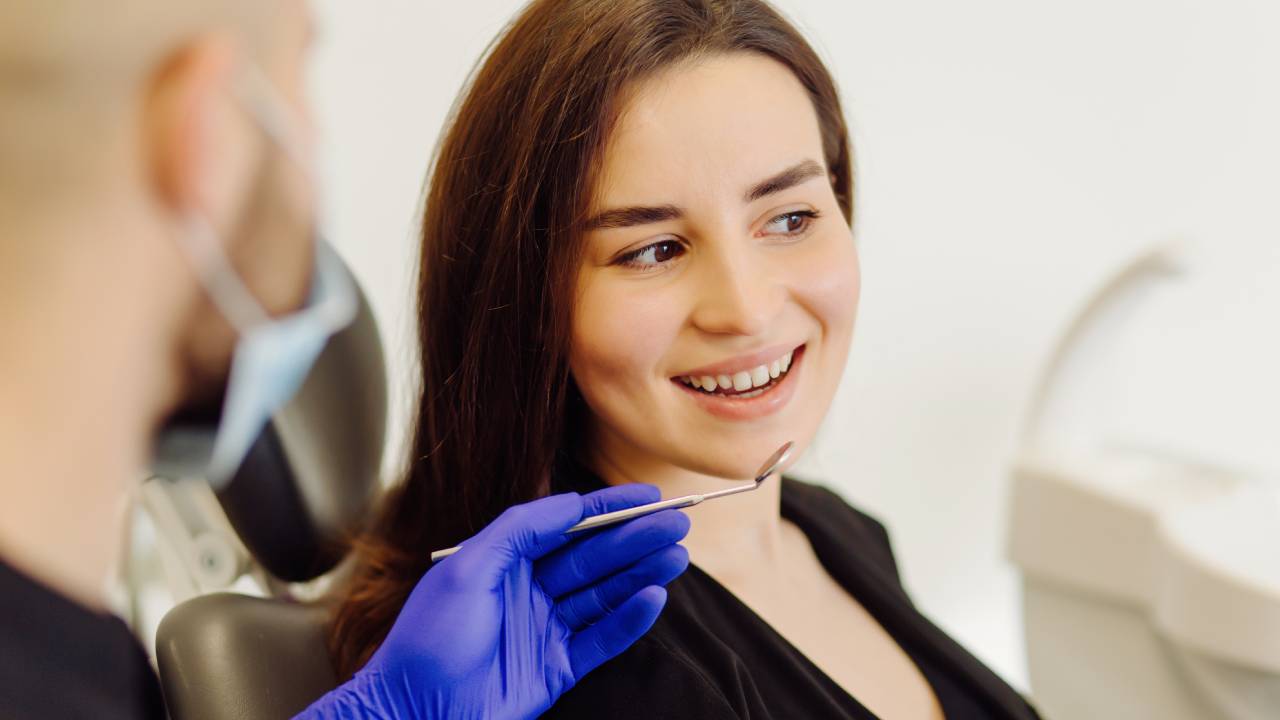
A physician makes the diagnosis. The dentist’s job is to judge whether your mouth can support an appliance, then fit, adjust, and monitor it. At Reimels Dentistry in Huntersville, sleep apnea care sits alongside general, restorative, and periodontal treatment in one office, so dental problems found during a sleep appliance evaluation can be treated without a referral elsewhere.
Benefits of Oral Appliances
| Benefit | Description |
|---|---|
| Non-invasive | No machine, hose, or mask, which many people find easier to live with. |
| Custom fit | Made for your mouth for comfort and effectiveness. |
| Portability | Small enough to pack for travel without bulky equipment or a power source. |
| Adherence | Many patients find an appliance easier to wear every night than a CPAP mask. |
| Different side effects | No mask pressure or skin irritation, though appliances bring their own possible side effects, covered below. |
Treating sleep apnea matters because untreated OSA is linked to serious health problems, including high blood pressure, heart disease, and type 2 diabetes. A treatment you wear every night usually helps more than a theoretically stronger one left on the nightstand.
Who Qualifies for Oral Appliance Therapy
Qualifying depends on four things: a confirmed diagnosis, the severity and type of sleep apnea, your history with CPAP, and the condition of your teeth, gums, and jaw.
Requirement 1: A Diagnosis From a Sleep Test
An appliance should not be made on symptoms alone. Loud snoring, daytime sleepiness, gasping at night, and poor concentration all suggest OSA, but only a sleep study, done in a lab or at home, can confirm it and measure its severity. The AASM guideline calls for a sleep evaluation before treatment because snoring can occur without apnea, and choosing treatment without knowing severity risks undertreating a serious condition.
If you snore but have never been tested, the first step is to talk with your physician about a sleep study.
Requirement 2: The Right Severity and Type of Sleep Apnea
Providers measure severity with the apnea-hypopnea index (AHI), the average number of apneas (breathing stops) and hypopneas (partial reductions in breathing) per hour of sleep. The AASM guideline uses these ranges:
| Severity Level | AHI (events per hour) |
|---|---|
| Mild | 5 to 14 |
| Moderate | 15 to 30 |
| Severe | More than 30 |
Oral appliances work best for mild to moderate OSA. For severe OSA, CPAP is usually tried first because it is generally more reliable at reducing breathing events. Severe OSA does not automatically disqualify you, though. A review of oral appliance therapy published in PubMed Central describes appliances as an option for patients with more severe disease who cannot tolerate or refuse CPAP, with careful follow-up testing to confirm they are working.
The type of apnea also matters. Appliances treat the obstructive form, where the airway physically narrows or collapses. Central sleep apnea, where the brain does not send the signal to breathe, is not treated with a jaw-advancing device.
Requirement 3: Your Experience With CPAP
Many qualifying patients fall into one of these groups:
- They tried CPAP and could not tolerate the mask, pressure, noise, or dryness.
- They used CPAP but could not keep it up consistently.
- They have mild to moderate OSA and prefer an appliance from the start.
- They travel often or sleep where a machine is impractical.
Some people use both, wearing an appliance while traveling and CPAP at home. Your physician and dentist can help decide what fits your situation.
Requirement 4: Healthy Teeth, Gums, and Jaw Joints
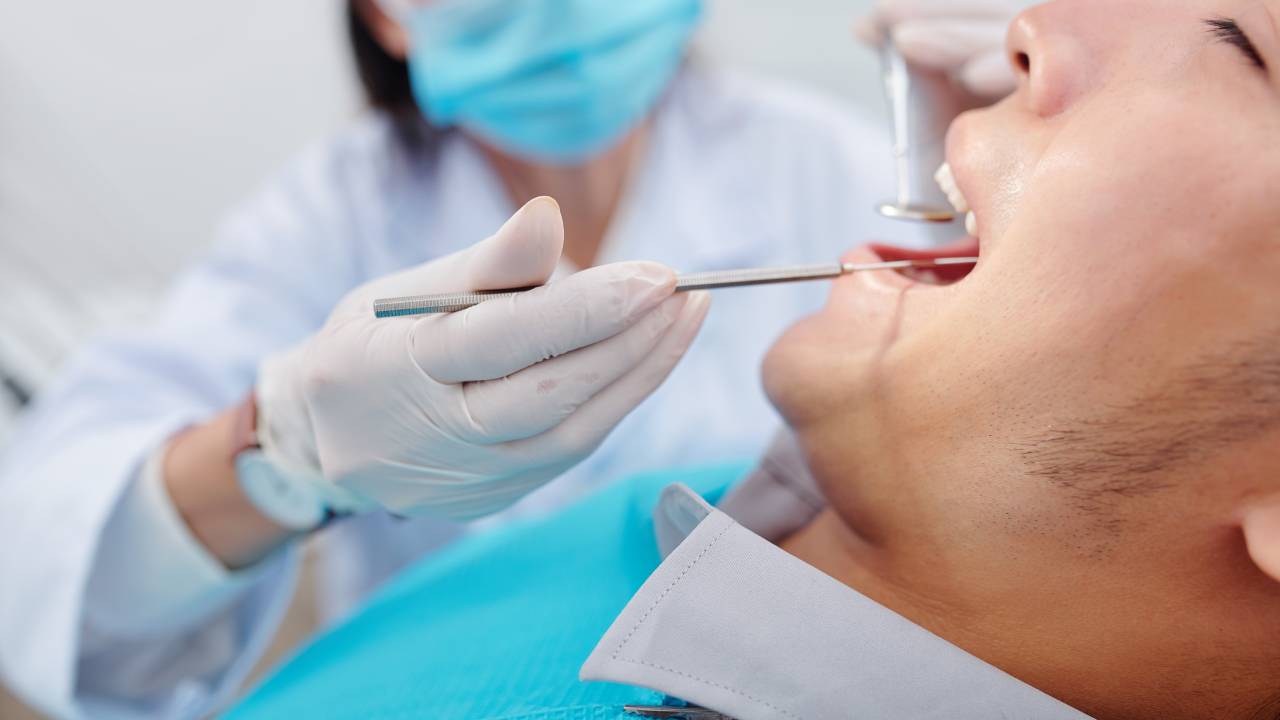
This is where the dental evaluation matters most. An appliance grips your teeth and holds your lower jaw forward all night, so your mouth has to handle that force. According to the VA’s guidance on oral appliance therapy for obstructive sleep apnea, a dental evaluation of suitability is part of the process before an appliance is provided.
A dentist will typically look for:
- Enough healthy teeth to anchor the appliance. Very few remaining teeth can make retention difficult.
- Stable gums and bone. Active gum disease and loose teeth need treatment first, because nightly forces can worsen them.
- Sound restorations. Broken fillings, failing crowns, or untreated decay should be repaired before a device is made over them.
- Healthy jaw joints and enough forward movement. Your lower jaw has to move forward comfortably. Significant jaw joint pain or limited opening may make an appliance a poor choice or require caution.
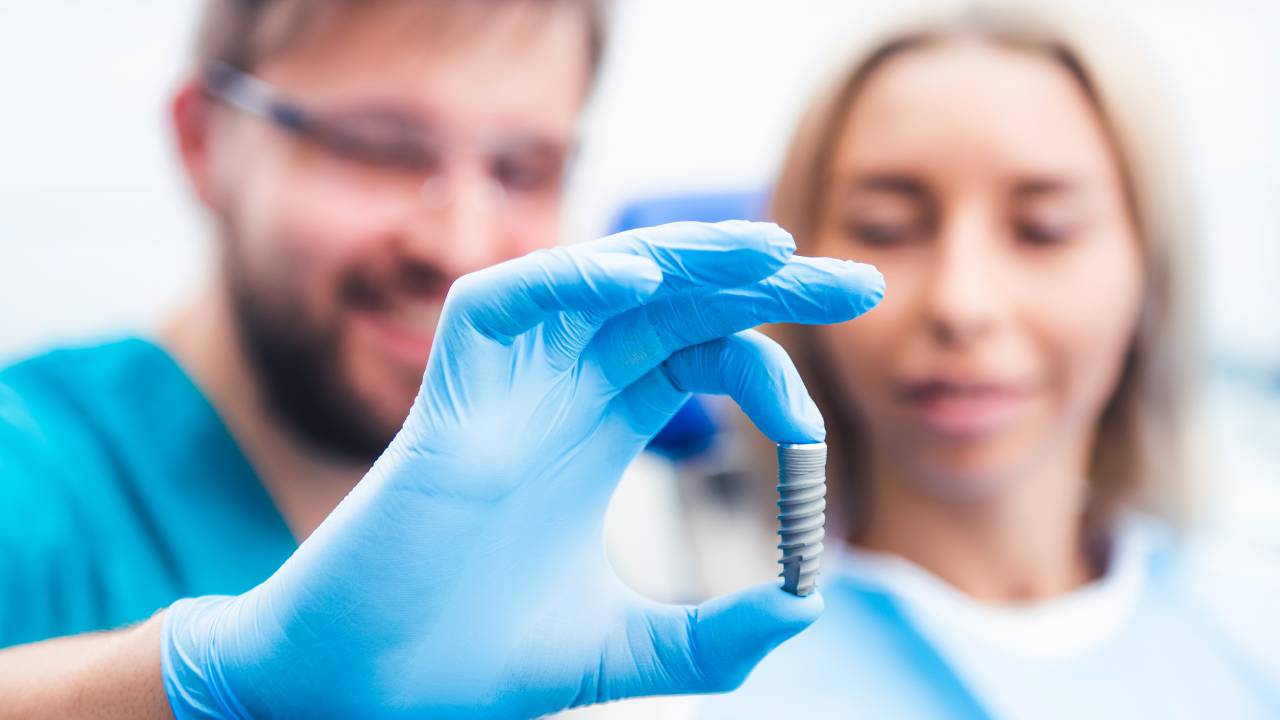
If something in your mouth needs attention first, that does not necessarily mean you cannot have an appliance. It may simply mean treatment comes in stages. Reimels Dentistry provides gum disease treatment, root canals, extractions, and restorative care in the same office, which can make that sequence simpler. Patients missing teeth sometimes ask about implants, and the practice also performs implant care, but whether and how that fits with a sleep appliance is a case-by-case decision.
A Quick Self-Check
You may be a good candidate if:
- A sleep study has diagnosed you with obstructive sleep apnea, especially mild or moderate.
- You cannot tolerate CPAP, or prefer not to use it.
- You have symptoms such as loud snoring, daytime sleepiness, or trouble concentrating.
- Your teeth and gums are healthy, or can be made healthy.
- Your jaw opens and moves forward without pain.
If most of these apply, a dental evaluation is a reasonable next step.
Types of Oral Appliances
The two main categories are mandibular advancement devices (MADs) and tongue-stabilizing devices (TSDs).
Mandibular Advancement Devices (MADs)
MADs are the most common appliance for OSA. They fit over the upper and lower teeth and hold the lower jaw slightly forward, which brings the tongue forward too and opens space in the throat so the airway is less likely to collapse.
| Type of MAD | Description |
|---|---|
| Custom-made, adjustable | Made from impressions or scans of your teeth. The amount of jaw advancement can be adjusted gradually to balance effectiveness and comfort. |
| Prefabricated thermoplastic | Less expensive and softened to shape at home, but generally less precise, less comfortable, and less effective. |
The ADA’s evidence brief on oral appliances for sleep-related breathing disorders summarizes research on these devices and supports custom, adjustable appliances over non-custom versions.
Tongue-Stabilizing Devices (TSDs)
TSDs use suction to hold the tongue forward, keeping it from falling back into the airway. Because they do not rely on teeth for anchoring, they may be considered for people who cannot wear a MAD. Many people find them less comfortable, so they are used less often. A dentist familiar with sleep apnea can tell you whether either type suits your anatomy.
Custom-Made vs. Over-the-Counter Appliances
Why Custom Fit Matters
Custom appliances are made after a dentist assesses your teeth, bite, and jaw movement. That matters for three reasons:
- Fit: A snug, comfortable device is more likely to be worn every night.
- Adjustability: Jaw advancement can be fine-tuned over follow-up visits rather than fixed at one position.
- Monitoring: Your dentist can watch for changes in your teeth, bite, and jaw joints over time.
Boil-and-bite products sold online are convenient, but they skip the diagnosis and dental evaluation that determine whether you qualify in the first place. A store-bought device may quiet snoring while sleep apnea continues untreated, which is one reason sleep medicine guidelines favor custom devices fitted by a qualified dentist.
Comparing the Two
| Factor | Custom-Made | Over-the-Counter |
|---|---|---|
| Fit and comfort | Shaped to your teeth | Approximate |
| Adjustment | Gradual, supervised | Limited or none |
| Dental oversight | Yes | No |
| Confirmation it works | Follow-up testing coordinated with your physician | None |
Adherence and Side Effects
Staying With Treatment
Many patients find it easier to wear an appliance consistently than to use CPAP, and the PubMed Central review notes that better nightly use can offset some of the difference in effectiveness between the two treatments. Use can still drop over time, especially when side effects go unaddressed. People who stop usually do so early, so the first few months of follow-up matter most.
Common Side Effects
Most side effects are mild and temporary, but they are worth knowing about:
- Dry mouth
- Excess saliva, often early on
- Tooth soreness or sensitivity, especially in the morning
- Jaw or facial muscle discomfort during adjustment
- Bite changes over time, which is why long-term dental monitoring matters
The AASM guideline recommends regular dental follow-up for people using oral appliances so these issues are caught early. Many early complaints ease within weeks, and adjusting the device can relieve discomfort without stopping treatment.
Treatment Success and Follow-Up
How Success Is Measured
Feeling better and snoring less are good signs, but they do not prove the appliance is controlling your apnea. The AASM guideline recommends follow-up sleep testing once the appliance has been adjusted, to confirm breathing events have dropped to an acceptable level. If they have not, the device can be adjusted further or another treatment considered.
Research summarized in the ADA evidence brief and the PubMed Central review shows oral appliances reduce AHI and improve symptoms for many patients, though results vary. Some reach near-normal breathing, others improve only partly, and a few do not respond enough. That variation is why individual testing matters more than averages.
What Long-Term Care Looks Like
An appliance is an ongoing treatment, not a one-time product. Expect periodic dental visits to check fit, wear, your teeth and gums, and your bite, along with continued contact with your physician about your sleep health. Regular cleanings and exams also help keep the teeth that hold the appliance healthy.
Putting It Together
You are most likely to qualify for oral appliance therapy if you have a sleep test confirming obstructive sleep apnea, particularly in the mild to moderate range, a preference for an alternative to CPAP or trouble using it, and teeth, gums, and jaw joints healthy enough to support a device. Severe OSA, missing teeth, gum disease, and jaw problems call for a closer look rather than an automatic no.
For people in Huntersville, Cornelius, and Charlotte, a dental evaluation at Reimels Dentistry can show whether your mouth is ready for an appliance and whether any dental work should come first. If you have not had a sleep study, start with your physician, and bring the results to that visit.