Unlock Your Smile with Porcelain Crown Restoration Today
Porcelain crown restoration can transform your smile by repairing damaged, decayed, or weakened teeth with a natural, durable solution. Whether you’ve experienced trauma, discoloration, or wear from grinding, the porcelain crown procedure addresses both function and aesthetics. In this comprehensive guide, you’ll learn what porcelain crown restoration involves, explore material options, prepare for your procedure, and maintain your new restoration for years to come.
By choosing porcelain crown restoration, you restore strength and appearance, protect underlying tooth structure, and prevent further decay. Throughout this article, we’ll cover steps, costs, insurance considerations, and alternative restorative solutions, so you can make an informed decision and enjoy a confident smile.
Understand porcelain crown restoration
What porcelain crown restoration is
Porcelain crown restoration replaces the visible portion of a compromised tooth with a custom-crafted cap made of porcelain or other ceramic materials. Your dentist first reshapes the existing tooth, takes precise impressions or digital scans, and then cements a temporary crown. Once the permanent crown is ready, it’s bonded securely to restore chewing function, protect against decay, and blend seamlessly with surrounding teeth [1].
Who needs this procedure
You may be a candidate if you have:
- Extensive decay beyond the reach of fillings
- Cracked or fractured teeth needing reinforcement
- Large old fillings prone to failure
- Root canal–treated teeth requiring protection
- Severely worn teeth from bruxism or erosion
By choosing porcelain crowns, you benefit from a lifelike appearance that mimics enamel translucency and provides strength to withstand daily forces.
Explore crown material options
Choosing the right material influences durability, aesthetics, and cost. Below is a summary of common crown types:
| Material | Durability | Aesthetics | Cost range | Ideal use |
|---|---|---|---|---|
| Porcelain (all-ceramic) | Moderate-high | Excellent natural | $$–$$$ | Front teeth or visible areas |
| Zirconia | High | Good, less translucent | $$–$$$ | Back teeth, bruxism |
| Porcelain-fused-to-metal (PFM) | High | Good, slight metal line | $$–$$$$ | Versatile, cost-effective |
| Gold/metal alloy | Very high | Metallic appearance | $$$$ | Back teeth, bite stability |
| Composite resin | Low | Fair | $–$$ | Temporary or short-term crowns |
Porcelain and all-ceramic crowns
All-ceramic crowns offer the best aesthetic match to natural enamel, making them the top choice for front teeth restorations. They’re made of advanced ceramics like zirconium dioxide, which resist staining and wear. Patients with metal allergies frequently choose this option.
Zirconia and pressed ceramic crowns
Zirconia crowns deliver exceptional strength and fracture resistance, suitable for molars and patients who grind their teeth. Pressed ceramic crowns, akin to porcelain-fused-to-metal, feature a strong inner core with a porcelain outer layer for a blend of durability and appearance.
Metal and composite resin crowns
Metal crowns—often gold or other alloys—excel in longevity but lack natural color. Composite resin crowns are budget-friendly but wear more quickly, making them suitable as temporaries or for low-stress areas.
Prepare for your procedure
Consultation and planning
During your first visit, your dentist will review your medical and dental history, take X-rays, and discuss treatment goals. You’ll examine shade guides to match crown color with your natural teeth. If you have decay or gum disease, those issues will be addressed before crown placement.
Tooth preparation and impressions
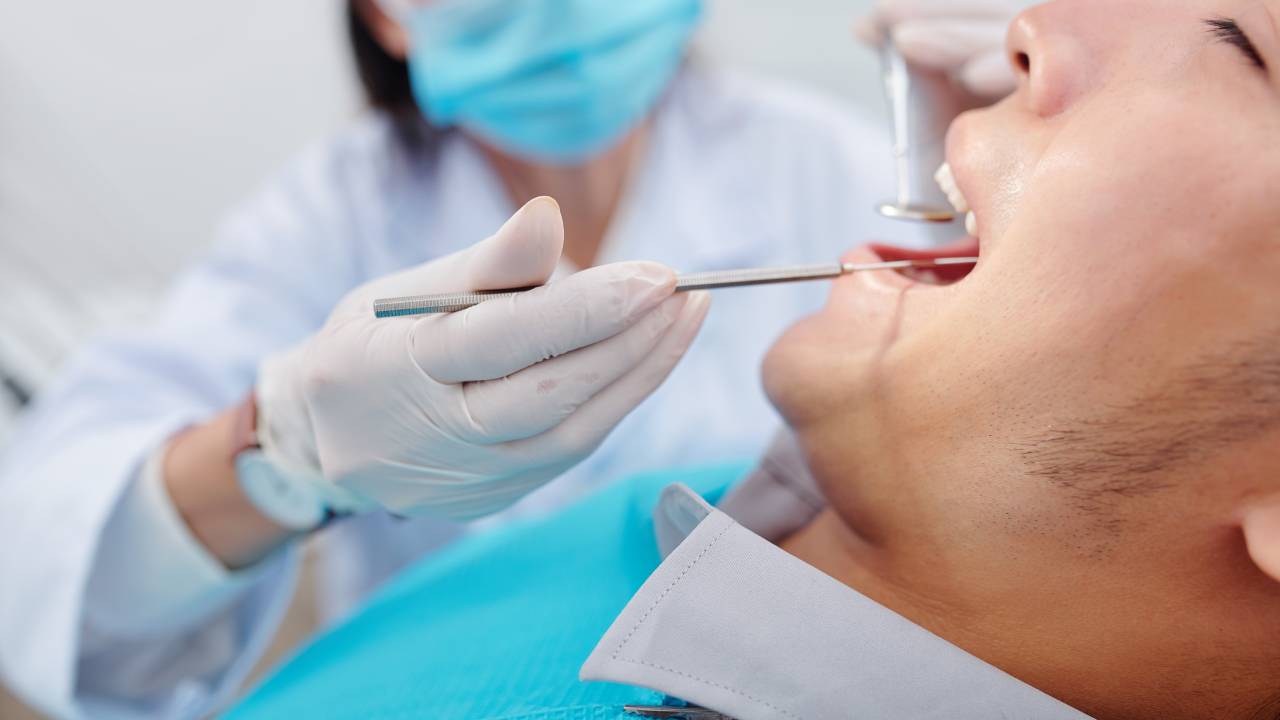
Your tooth is numbed and reshaped to accommodate the crown. Next, your dentist captures an impression using putty or a digital scanner. These molds are sent to a lab where skilled technicians craft your custom crown. This step typically takes one to two hours.
Temporary crown placement
While your permanent crown is being fabricated—usually over one to two weeks—a temporary crown protects the prepared tooth. It lets you eat and speak comfortably. You’ll be given care instructions to prevent displacement or damage to this provisional restoration.
Expect same-day restorations
How CAD/CAM works
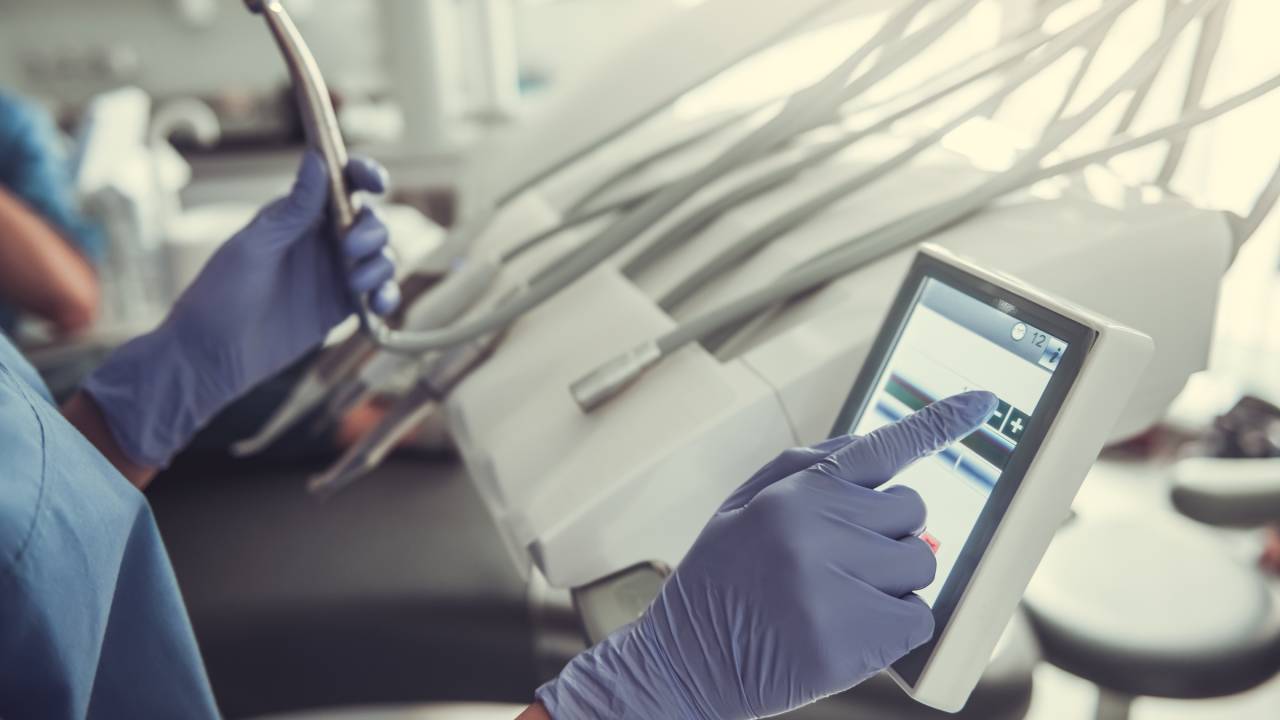
Advanced in-office CAD/CAM technology allows digital scanning, design, and milling of a custom porcelain crown in a single visit. After preparing your tooth and capturing digital impressions, the software designs your restoration. A milling unit carves the crown from a ceramic block in under an hour.
Pros and cons of same-day
Pros:
- Immediate restoration without a temporary crown
- Fewer appointments and less time off work
- Digital precision for excellent fit
Cons:
- Higher cost than lab-fabricated crowns
- Limited material options in some practices
- Not ideal if you have extensive corrections or complex bite issues [2].
Maintain your dental crowns
Daily oral hygiene
Good hygiene is essential for crown longevity. Brush twice daily with a soft-bristled brush and fluoride toothpaste. Floss daily around crown margins to remove plaque and debris.
Dietary considerations
Avoid chewing ice, hard candies, or nonfood items that can crack porcelain restorations. Limit sticky foods and minimize sugary snacks to protect both natural teeth and crowns.
Regular checkups
Schedule dental exams and cleanings at least every six months. Your dentist will inspect crown fit, check for decay at the margins, and polish restorations to maintain their luster.
Assess cost and coverage
Cost by material
The average cost of a crown ranges from $500 to $3,000 per tooth, depending on material, complexity of the case, geographic location, and dental expertise [3]. Porcelain and all-ceramic crowns tend toward the higher end, while composite crowns are less expensive.
Insurance and financing
Many dental insurance plans cover up to 50% of crown costs under major restorative benefits. To reduce out-of-pocket expenses, ask about insurance covered restorations and in-office or third-party financing options like CareCredit.
Long-term value
A well-maintained porcelain crown can last 10 to 15 years or longer, with high-quality front-tooth crowns lasting up to 30 years [2]. Considering its durability and aesthetics, a porcelain crown is often a sound investment in your oral health and self-confidence.
Compare restorative options
Crowns vs bridges
If you’re missing one or more adjacent teeth, a fixed bridge may be an option. Bridges rely on crowns on neighboring teeth for support. Learn more about dental bridge replacement nc. Bridges can restore chewing function and smile appearance but require preparing multiple teeth.
Crowns with implants
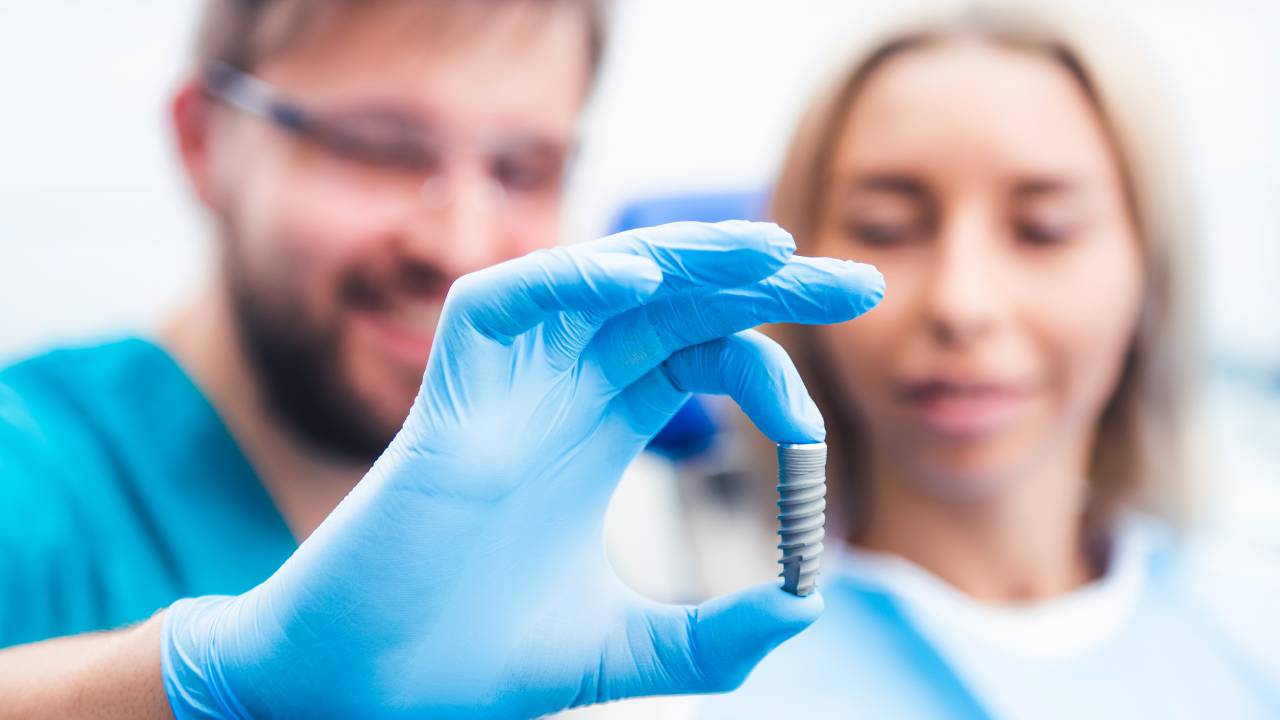
For single-tooth replacement, an implant topped with a porcelain crown offers a lifelike, long-lasting solution. Talk to an implant restoration dentist huntersville about combining implant therapy with crown restoration for optimal stability and aesthetics.
Alternative solutions
In some cases, you may consider:
- Veneers for minor chips or discoloration
- Inlays or onlays for moderate decay
- Removable partial dentures when multiple teeth are missing
Your dentist will help you choose the most appropriate approach based on oral health, budget, and cosmetic goals.
Find expert care near you
Selecting a restorative specialist
Look for a dentist with advanced training in restorative and cosmetic dentistry. Certification, patient reviews, and before-and-after galleries can help you assess expertise. If you need comprehensive solutions, explore full mouth restorative dentistry.
Local dental services
Whether you require dental crown placement huntersville, a root canal & crown service, or general restorative dental solutions nc, choose a practice that offers personalized care, state-of-the-art technology, and flexible financing. You can also search for a restorative dentist near me to find convenient options close to home.
By understanding porcelain crown restoration—from material choices and procedure steps to maintenance and cost—you’re well-equipped to restore your smile with confidence. Consult your dental professional to discuss how porcelain crowns can address your restorative needs and unlock a healthier, more radiant smile.