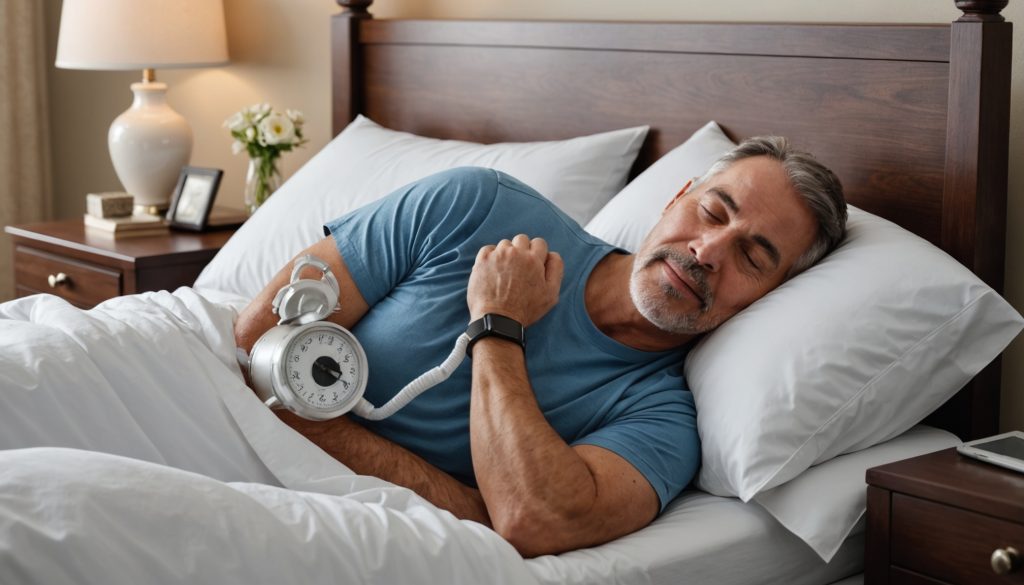
Non-CPAP Treatment Options
Oral Appliance Therapy
Oral appliance therapy is an effective alternative for individuals seeking ways on how to treat sleep apnea without CPAP. These devices, also known as mandibular advancement devices, are custom-fitted mouthguards designed to keep the throat open during sleep. They work by repositioning the jaw and tongue, allowing for unobstructed airflow throughout the night.
One of the benefits of oral appliances is their affordability compared to CPAP machines, making them accessible for individuals with mild obstructive sleep apnea (OSA) or those who experience OSA primarily when sleeping on their back [1]. Additionally, oral appliances are often more comfortable for patients and easier to travel with than traditional CPAP equipment. For those interested in understanding their efficiency, studies indicate that oral devices can be as effective as CPAP therapy in many cases [2].
Here’s a breakdown of the key features of oral appliances:
| Feature | Description |
|---|---|
| Custom-fitting | Designed to fit your mouth comfortably |
| Jaw repositioning | Helps keep the airway open by advancing the jaw |
| Portability | Lightweight and easy to carry during travel |
| Comfort | Generally more comfortable than CPAP masks |
If you are considering an oral appliance, consult with a dental professional trained in sleep apnea treatment to discuss options, potential costs, and which appliance may best suit your needs.
Tongue Retaining Devices
Tongue retaining devices represent another option for managing sleep apnea without CPAP. These devices work by holding the tongue in a forward position to prevent it from blocking the airway during sleep. Although they can effectively reduce the number of apnea events, compliance may be an issue, as many patients find them less comfortable than other options like mandibular advancement devices [1].
Table Overview of Tongue Retaining Devices:
| Type | Benefit | Drawback |
|---|---|---|
| Tongue Retaining Device | Prevents tongue blockage | Lower compliance due to discomfort |
Choosing a tongue retaining device is often a matter of personal preference, and it is advisable to discuss this option with a specialist who can help determine if it’s suitable for your specific case.
With a range of dental solutions available, oral appliances and tongue retaining devices provide promising alternatives for those seeking effective management of sleep apnea. For further details on these and other treatments, including how dentists help with sleep apnea, refer to our articles on how dentists help with sleep apnea and treatment options for mild sleep apnea.
Lifestyle Interventions
Making effective lifestyle changes can significantly impact your sleep apnea management. Here are three key areas to focus on:
Weight Loss Strategies
Weight loss is often recommended as the first step in managing sleep apnea. Extra fat tissue can block the upper airways, worsening the condition. While shedding pounds can alleviate symptoms, it might not completely eliminate the need for a CPAP device [2].
| Weight Loss Benefits | Effects on Sleep Apnea |
|---|---|
| Reduces fat around the neck | Decreases airway obstruction |
| Improves overall health | Enhances energy levels and sleep quality |
| Potentially eliminates need for CPAP | Improves oxygen saturation during sleep |
Engaging in regular physical activity can also enhance your overall health, even without significant weight loss. Research shows that exercise can improve sleep quality and boost energy levels for individuals with sleep apnea [2]. Additionally, the FDA recently approved a weight loss medication for individuals with moderate to severe sleep apnea, suggesting that weight management strategies, including physical activity and healthy eating, may further optimize treatment outcomes.
Positional Therapy
Positional therapy may be effective for some individuals, especially those whose sleep apnea symptoms worsen when sleeping on their backs. By encouraging side sleeping, this method can help keep the airways open.
Common positional therapy strategies include:
- Using a body pillow: It encourages side sleeping and provides comfort.
- Wearing a positional device: These devices can prevent you from rolling onto your back during the night.
Investigating if your symptoms improve when sleeping in different positions may provide valuable insights into managing your condition effectively.
Alcohol Avoidance
Alcohol consumption can exacerbate sleep apnea symptoms by relaxing the muscles in the upper airway, leading to increased airway obstruction. It is advisable to limit or avoid alcohol intake to better manage your sleep apnea [2].
Consuming alcohol can also contribute to weight gain, which further complicates sleep apnea management. Therefore, maintaining a healthy diet in conjunction with avoiding alcohol is critical.
By focusing on these lifestyle interventions—weight management, positional therapy, and alcohol avoidance—you can explore effective ways to treat sleep apnea without CPAP. For further information on treatment options, consider reading about mild obstructive sleep apnea treatment options or how dentists help with sleep apnea.
Dental Solutions for Sleep Apnea
Dental interventions can serve as effective alternatives for individuals dealing with mild to moderate sleep apnea. If you’re exploring options on how to treat sleep apnea without CPAP, dental solutions may be a suitable pathway.
Oral Appliances Overview
Oral appliances, often referred to as oral appliance therapy, are custom-fitted devices that help manage sleep apnea. These appliances work by maintaining an open airway during sleep, which can be as effective as CPAP therapy for many individuals. Designed to fit comfortably in your mouth, oral appliances are less obtrusive than CPAP machines.
| Feature | Details |
|---|---|
| Type | Mandibular Advancement Device (MAD) |
| Comfort Level | Custom-fitted for individual comfort |
| Effectiveness | Comparable to CPAP for many users |
| Maintenance | Easy to clean and manage |
For more detailed insights, consider reading about the benefits of oral appliance therapy for sleep apnea.
Surgery as an Alternative
While surgical interventions are not the first line of treatment, they can provide a long-term solution for patients who cannot tolerate CPAP or dental appliances. Surgical options may include procedures to remove excess tissue from the throat or correct structural issues in the airway. Always discuss with a sleep specialist or dentist to understand the appropriate procedures based on your diagnosis.
| Surgery Type | Purpose |
|---|---|
| Uvulopalatopharyngoplasty (UPPP) | Removes excess tissue in the throat |
| Genioglossus Advancement | Moves the tongue forward to reduce blockage |
| Maxillomandibular Advancement | Realigns the jaw to open the airway |
For further information about surgery as an alternative, explore our resource on treatment options for moderate sleep apnea.
Myofunctional Therapy
Myofunctional therapy is a non-invasive approach that focuses on training the muscles of the mouth, face, and tongue. This therapy aims to improve the position of the jaw and improve airway function during sleep, which can be beneficial for sleep apnea sufferers. It often involves specific exercises designed to strengthen these muscles.
| Aspect | Details |
|---|---|
| Focus | Muscle training for jaw and throat |
| Benefits | Improved airway function |
| Duration | Typically requires ongoing sessions |
For more insights, consider looking into how myofunctional therapy aligns with other treatments at how dentists help with sleep apnea.
Exploring these dental solutions offers various pathways for managing sleep apnea. Each option can contribute to better sleep and enhanced overall health, particularly for those who cannot tolerate traditional CPAP therapy.
Exercises for Sleep Apnea
Improving sleep apnea can sometimes be achieved through specific exercises designed to strengthen the muscles of the mouth and throat. These exercises help tone the airway muscles, reducing the likelihood of airway obstruction during sleep.
Mouth and Throat Exercises
Mouth and throat exercises have been shown to enhance conditions related to mild to moderate obstructive sleep apnea (OSA) by toning the muscles around the airway. Performing these exercises can lead to reduced snoring and better overall sleep quality when done properly. Individuals are typically encouraged to practice these exercises for at least 10 minutes a day for three months to notice significant benefits.
| Frequency | Duration | Timeframe | Benefits |
|---|---|---|---|
| 2-3 times/day | 10 minutes | 3 months | Reduced snoring, improved sleep quality |
These mouth exercises are often referred to as “myofunctional therapy” or “oropharyngeal exercises.” They strengthen the muscles at the back of the mouth, including the tongue, throat, tonsils, adenoids, and soft palate. This toning can help prevent excessive vibration of throat tissue during sleep, effectively lessening snoring and milder forms of obstructive sleep apnea [4].
Myofunctional Therapy Benefits
Myofunctional therapy can be beneficial for individuals with mild to moderate obstructive sleep apnea, especially when incorporated as part of a broader approach that may include CPAP therapy or post-surgical rehabilitation [4]. This therapy uses repetitive exercises to strengthen and tone the muscles of the mouth and throat, promoting nasal breathing and further reducing the chance of airway blockage during sleep.
The effectiveness of myofunctional therapy may vary based on individual anatomical factors such as mouth, tongue, and throat size and shape. It’s advisable to consult with a healthcare professional to determine if this therapy is right for your specific situation. For further options on how to treat sleep apnea without CPAP, consider reviewing available treatment options for mild sleep apnea or treatment options for moderate sleep apnea.
Dietary Impact on Sleep Apnea
When considering how to treat sleep apnea without CPAP, your diet plays a significant role. Certain foods can either improve or exacerbate the symptoms of sleep apnea. Here’s a closer look at the impact of diet on sleep apnea and how you can adjust your eating habits for better sleep quality.
Mediterranean Diet Effects
The Mediterranean diet has been shown to offer various health benefits that may help manage sleep apnea symptoms. Rich in fruits, vegetables, whole grains, and healthy fats, this diet emphasizes foods that are anti-inflammatory and nutrient-dense. Research suggests that incorporating such foods might lower inflammation and improve sleep quality.
| Food Category | Examples | Benefits |
|---|---|---|
| Fruits and Vegetables | Berries, leafy greens, tomatoes | High in antioxidants to combat inflammation |
| Whole Grains | Quinoa, brown rice, whole grain bread | Provide sustained energy and fiber |
| Seafood | Salmon, sardines, mackerel | Rich in omega-3 fatty acids for heart health |
| Soy Products | Tofu, edamame | May help in reducing inflammation |
| Eggs | Eggs rich in choline | Nutrient-dense and beneficial for health |
| Nuts | Walnuts | Good source of healthy fats and protein |
Incorporating these foods into your daily routine can be an effective strategy for managing sleep apnea.
Foods to Include
To improve your sleep quality and potentially lessen sleep apnea symptoms, consider adding the following foods to your diet:
- Fruits and Vegetables: High in antioxidants.
- Whole Grains: Helps with energy levels and digestive health.
- Seafood: Provides essential omega-3 fatty acids.
- Soy Products: These may have anti-inflammatory properties.
- Eggs: A good source of essential nutrients.
- Nuts: Such as walnuts, which are a healthy source of fats.
Foods to Avoid
On the flip side, some foods can worsen sleep apnea symptoms. Limiting or avoiding the following items may lead to better management of the condition:
| Food Type | Reasons to Avoid |
|---|---|
| Red and Processed Meats | High in saturated fats, may increase inflammation |
| Sugary Foods | Can lead to weight gain and disrupt sleep patterns |
| Foods High in Fat | Associated with increased risk of sleep apnea |
| Refined Grains | May lead to spikes in blood sugar and weight gain |
| Alcohol | Can relax throat muscles and worsen apnea symptoms |
Reducing these foods helps manage body weight and inflammation, key factors in alleviating sleep apnea symptoms.
By making informed dietary choices, you can effectively support your treatment for sleep apnea. Implementing these dietary changes alongside other non-CPAP treatment options will create a comprehensive approach to tackling your sleep apnea. For further information, see our articles on treatment options for mild sleep apnea and treatment options for moderate sleep apnea.
Integrated Lifestyle Changes
Adopting integrated lifestyle changes can significantly improve your condition if you are seeking ways on how to treat sleep apnea without CPAP. Here are key areas to focus on: exercise and weight management, breathing techniques, and healthy sleeping positions.
Exercise and Weight Management
Weight loss is often recommended as a critical step in managing sleep apnea. Extra fat tissue can obstruct the upper airways, worsening symptoms. According to WebMD, while weight loss can aid in alleviating symptoms, it may not completely eliminate the need for a CPAP device. Regular physical activity, even without substantial weight loss, can improve overall health and enhance sleep quality.
| Exercise Type | Benefits |
|---|---|
| Aerobic Exercises | Improves oxygen levels and overall fitness |
| Strength Training | Supports weight management and improves muscle tone |
| Flexibility Exercises | Enhances overall physical functionality |
Incorporating these types of exercises into your routine can aid in managing sleep apnea more effectively.
Breathing Techniques for Better Sleep
Implementing specific breathing techniques can help you manage your sleep apnea symptoms. Techniques such as diaphragmatic breathing and pursed-lip breathing can strengthen the muscles around the airways and improve lung function. Research indicates that these techniques can enhance overall sleep quality and energy levels for individuals with sleep apnea [2].
Healthy Sleeping Positions
Sleeping position plays a significant role in managing sleep apnea. Sleeping on your side can help keep your airway open and reduce the likelihood of obstruction. This position is often more comfortable for many individuals and can minimize snoring and apneic episodes. Various strategies can help maintain this position throughout the night, such as:
- Placing a body pillow or a regular pillow behind your back to prevent rolling onto your back.
- Using specially designed pillows that promote side sleeping.
Adopting a side-sleeping position can make a substantial difference in your sleep quality and overall health. For more insights on treatment options, explore our articles on treatment options for mild sleep apnea and treatment options for moderate sleep apnea.
References
- (Sleep Foundation)
- (WebMD)
- (NHLBI)
- (Sleep Foundation)