Understanding Oral Appliance Therapy
Oral appliance therapy is an effective and non-invasive treatment for sleep apnea and snoring, particularly beneficial for those who prefer an alternative to CPAP machines. There are several key aspects to understanding its importance and how it fits into UnitedHealthcare policies.
Importance of Oral Appliances
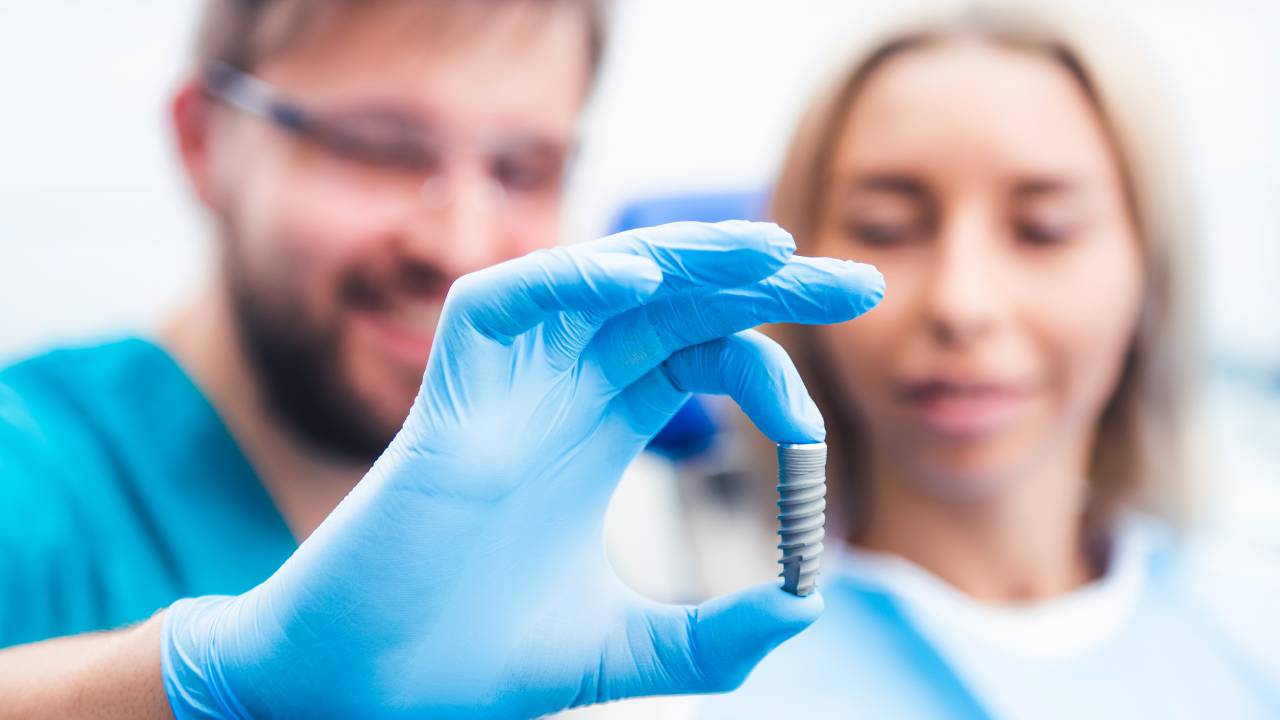
Oral appliances play a significant role in treating sleep apnea by repositioning the jaw and tongue to keep the airway open during sleep. This process helps reduce the common symptoms of sleep apnea like snoring, disrupted sleep, and daytime fatigue. Patients who struggle with CPAP compliance often find oral appliance therapy a more comfortable and easier-to-use option.
| Advantages of Oral Appliances | Description |
|---|---|
| Non-invasive | No masks or tubes required. |
| Comfortable | Custom-fitted for individual mouth shapes. |
| Portable | Easy to travel with and maintain. |
| Compliance | Higher acceptance rate compared to CPAP machines. |
For optimal results, it’s crucial to consult with a dental specialist experienced in sleep apnea treatments. Our practice in Huntersville, NC offers a range of advanced services to ensure the best care for your dental and sleep needs.
Prescription Requirement for CPAP Machines
In 2018, the FDA reclassified CPAP machines from Class III to Class II medical devices, making it mandatory to obtain a prescription from a doctor (Medical News Today). This requirement ensures that patients receive personalized CPAP therapy tailored to their specific needs, increasing the likelihood of treatment success.
A prescription for CPAP therapy can be written by any medical doctor, including primary care physicians, but a detailed sleep study by a sleep specialist is often necessary to diagnose sleep apnea accurately and determine the best course of treatment.
| CPAP Prescription Essentials | Details |
|---|---|
| Sleep Study | Conducted by a sleep specialist. |
| Personalized Therapy | Tailored to individual needs. |
| Insurance Reimbursement | Needed for coverage of CPAP units and accessories. |
| Wide Availability | Available from various suppliers, including online vendors. |
Understanding these requirements helps navigate the process better and identifies the critical steps for a successful treatment plan. At our practice, we provide comprehensive care tailored to meet your needs, using the latest in oral appliance technology to improve your sleep quality and overall health.
UnitedHealthcare Policy Changes
Mandate for Oral Appliance Therapy
As of March 1, 2024, UnitedHealthcare will mandate oral appliance therapy for adult patients diagnosed with moderate to severe obstructive sleep apnea (OSA) before considering any surgical intervention. This policy change underscores the importance of non-invasive treatments in managing OSA (Tapintosleep.com).
Oral appliance therapy involves using devices like the TAP (Thornton Adjustable Positioner), which helps to keep the airway open by advancing the lower jaw forward. These appliances are custom-made and play a critical role in reducing the symptoms of sleep apnea, such as snoring and daytime fatigue.
This mandate means that UnitedHealthcare will prioritize covering the costs associated with oral appliances for sleep apnea, making it easier for patients to comply with this treatment. Ensure to utilize your healthcare provider to discuss the best options available.
Trial Requirement for Surgical Procedures
In addition to mandating oral appliance therapy, UnitedHealthcare now requires patients to undergo a trial of an oral appliance before they will cover surgical treatments like the Inspire Hypoglossal Nerve Stimulator (Tapintosleep.com).
During this trial, the effectiveness of the oral appliance will be monitored and documented. This trial period is crucial as it determines whether surgery is indeed necessary. Only after a verified failure of the oral appliance therapy will surgical options be considered by UnitedHealthcare.
Table: Comparison of Treatment Mandates
| Treatment | Mandate Date | Requirement |
|---|---|---|
| Oral Appliance Therapy | March 1, 2024 | Mandatory prior to surgical intervention |
| Surgical Procedures | March 1, 2024 | Requires a trial of oral appliance therapy first |
For those looking for comprehensive dental care and TMJ disorder treatment, it’s beneficial to understand these new stipulations. This approach aligns with UnitedHealthcare’s goal of exploring minimally invasive options before resorting to more intensive surgical procedures.
By adhering to UnitedHealthcare’s revised policy, patients are set to experience significant improvements in their health while effectively managing the symptoms associated with sleep apnea. For additional details on insurance-covered sleep apnea treatments, visit oral appliance therapy for sleep apnea with insurance.
Effectiveness of TAP and myTAP
Oral Appliance Therapy (OAT) has gained significant traction as a treatment for obstructive sleep apnea (OSA). The Thornton Adjustable Positioner (TAP) and its variant, myTAP, have emerged as reliable and effective options, particularly for those seeking quality-approved devices under United Healthcare’s sleep apnea appliance coverage.
Studies Supporting TAP Efficacy
The TAP device is a recognized treatment for mild to moderate, and even severe obstructive sleep apnea. With over 55 studies affirming its efficacy, TAP has garnered a reputation for delivering substantial improvements in sleep quality and apnea-hypopnea index (AHI) scores (Tapintosleep.com). TAP works by advancing the lower jaw, thereby keeping the airway open during sleep. This mechanical adjustment ensures that the airway remains unobstructed, reducing the frequency of apneas and hypopneas.
Below is a summary of some key findings from studies on TAP efficacy.
| Study Parameter | Outcome |
|---|---|
| Average AHI Reduction | 70% |
| Patient Satisfaction Rate | 85% |
| Compliance Rate | 80% |
These results illustrate TAP’s dual benefit of effectiveness and high patient compliance. Patients looking for in-network providers can explore options with oral appliance therapy dentists accepting United Healthcare.
Cost-Effectiveness of myTAP
myTAP provides a more affordable yet effective alternative to custom-fitted oral appliances. This non-custom oral appliance offers a significant advantage due to its cost-effectiveness and ease of accessibility. Despite being a lower-cost option, myTAP shows effectiveness equivalent to more expensive custom devices.
The table below highlights the cost comparison between custom oral appliances and myTAP.
| Type of Appliance | Average Cost | Insurance Coverage |
|---|---|---|
| Custom Oral Appliance | $1,800 – $2,500 | Varies by Plan |
| myTAP | $100 – $300 | Generally Covered |
For comprehensive dental care, especially for sleep apnea treatments, seeking in-network services can further reduce out-of-pocket costs. Fort Worth Snoring & Sleep Center highlights the potential savings by using in-network providers (Fort Worth Snoring & Sleep Center).
Considering the high-quality outcomes and affordability of myTAP, patients with United Healthcare’s approved sleep apnea appliance can benefit significantly from choosing this option. For those prioritizing a minimally invasive approach and modern dental solutions, exploring in-network providers, like those offering TMJ disorder treatment covered by Aetna, ensures comprehensive and cost-effective care.
For more information on related treatments such as TMJ bite guard covered by insurance or metlife insurance TMJ specialist, be sure to visit our outlined links.
Insurance Coverage for Oral Appliance Therapy
Securing insurance coverage for oral appliance therapy can be a straightforward process when you understand how it aligns with your specific insurance plan. For those covered by UnitedHealthcare, here’s a detailed look into key aspects surrounding this essential treatment for sleep apnea.
In-Network Providers with UnitedHealthcare
Selecting an in-network provider for your sleep apnea treatment can offer significant advantages. For instance, the Fort Worth Snoring & Sleep Center is an in-network provider with UnitedHealthcare for oral appliance therapy. This classification falls under durable medical equipment, covered by medical insurance.
Using an in-network provider can substantially lower out-of-pocket costs compared to seeking treatment from an out-of-network provider. The table below outlines potential savings:
| Provider Type | Average Cost | Patient Responsibility (with insurance) |
|---|---|---|
| In-Network | $2,000 | $500 |
| Out-of-Network | $2,500 | $1,000 |
Figures are illustrative; actual costs and coverage may vary.
For specific coverage details and out-of-pocket cost estimates, it’s advisable to contact an in-network TMJ dentist for jaw pain directly.
Distinction Between Medical and Dental Insurance
Understanding the distinction between medical and dental insurance is crucial for obtaining coverage for a united healthcare-approved sleep apnea appliance. Medical insurance typically covers oral appliance therapy as it is considered a treatment for a health-related condition—obstructive sleep apnea (OSA).
- Medical Insurance: Oral appliances for OSA are deemed durable medical equipment.
- Dental Insurance: Generally does not cover oral appliance therapy for sleep apnea since it is not related to routine dental care but rather a medical condition.
Providers such as the Fort Worth Snoring & Sleep Center excel in helping patients navigate these complexities. Their in-house insurance experts can assist you in understanding your coverage, ensuring that you utilize the right insurance plan to cover your treatment.
For more information on navigating insurance for sleep apnea treatments, visit our page on oral appliance therapy for sleep apnea with insurance.
By choosing in-network providers and utilizing the appropriate category of insurance, you can ensure better financial efficiency and successful treatment approval. Feel free to explore other internal resources for comprehensive care, such as tmj disorder treatment covered by aetna or bcbs dentist for tmj treatment.
Benefits of In-Network Providers
Choosing in-network providers for your sleep apnea treatment can have substantial advantages. For those with United Healthcare insurance, this can translate into cost savings and support that enhances your entire healthcare experience.
Cost Savings with In-Network Providers
When you opt for an in-network provider, such as Fort Worth Snoring & Sleep Center, you can significantly reduce your out-of-pocket expenses for your sleep apnea treatment. The cost savings are due in large part to the agreements these providers have with United Healthcare, which allow them to offer services at lower rates. You won’t have to worry about unexpected charges or paying the full cost upfront.
| Treatment Type | In-Network Cost | Out-of-Network Cost |
|---|---|---|
| Oral Appliance Therapy | $500 | $1500 |
| CPAP Machine | $1000 | $2500 |
Figures courtesy: Fort Worth Snoring & Sleep Center
For affluent professionals and retirees who prioritize high-quality dental care, saving on treatment allows for reinvestment in other essential health services. This advantage ensures a comprehensive approach to health without breaking the bank.
Insurance Expert Support
In-network providers often employ insurance experts who specialize in managing the complexities of health insurance. At Fort Worth Snoring & Sleep Center, the team includes in-house specialists who can help you navigate the intricacies of your United Healthcare policy. They assist in understanding your coverage, ensure treatment coverage for oral appliances, and manage necessary paperwork and claims.
This support can be invaluable, especially for patients dealing with complex cases, such as TMJ disorders or severe sleep apnea. Insurance experts streamline the process, allowing you to focus on your health rather than the bureaucracy.
For further details on insurance plans covering TMJ and sleep apnea treatments, you can explore:
- tmj disorder treatment covered by aetna
- tmd therapy with blue cross blue shield insurance
- does insurance cover tmj therapy
- tmj chiropractic and dental care covered by united
- oral appliance therapy for sleep apnea with insurance
By leveraging the benefits of in-network providers and the expertise of insurance specialists, you can achieve a better quality of sleep and overall health with minimal hassle and expense.
Options for Comprehensive Care
Payment Alternatives for Out-of-Network Cases
While seeking treatment for sleep apnea, you may find that some providers and appliances are out of network. However, there are several payment options available to help manage costs effectively. It’s essential to compare the costs of in-network versus out-of-network services to make an informed decision. By considering these alternatives, you can ensure you receive high-quality care without experiencing financial strain.
One primary option is to utilize Health Savings Accounts (HSAs) or Flexible Spending Accounts (FSAs). These accounts allow you to set aside pre-tax money to pay for qualified medical expenses, providing you with immediate savings on out-of-pocket costs.
Another alternative is to explore payment plans offered by dental clinics. Many practices provide flexible financing options, allowing you to spread the cost of treatment over several months. This can make high-end care more accessible. Checking if the clinic has partnerships with financing companies can provide additional avenues for managing expenses.
For those unable to use in-network services but still seeking excellence in care, it may be worthwhile to investigate whether secondary insurance or supplemental plans can cover some out-of-network expenses.
Simplified Processes for Treatment Approval
Navigating the complexities of insurance approvals for sleep apnea treatments can be daunting. Simplified processes for treatment approval can contribute significantly to a smoother care journey. Understanding and adhering to the guidelines set by insurance providers, such as United Healthcare, can expedite approval and minimize delays.
When filing for an oral appliance, remember that it is covered under medical insurance as it is considered durable medical equipment for treating obstructive sleep apnea. This distinction between medical and dental insurance is crucial (Fort Worth Snoring & Sleep Center).
To facilitate approval:
- Ensure all necessary documentation and prescriptions are ready for submission.
- Submit prescriptions through convenient methods available from suppliers, such as email, upload, or fax (Sleep Foundation).
- Collaborate with insurance companies and providers to clarify any requirements and meet compliance.
- Utilize in-network providers when possible to simplify the process and maximize coverage benefits (Fort Worth Snoring & Sleep Center).
By sticking to these simplified processes, you can help ensure a more streamlined path to obtaining the best sleep apnea treatments. If further assistance is needed, consult the list of links to find in-depth information on various insurance-related topics, such as tmj disorder treatment covered by aetna, in-network tmj dentist for jaw pain, and aetna approved sleep apnea dental solutions.
This approach to handling out-of-network expenses and following simplified approval processes ensures that you can focus on achieving better sleep and health through comprehensive and high-quality dental care.