Understanding TMJ Disorders
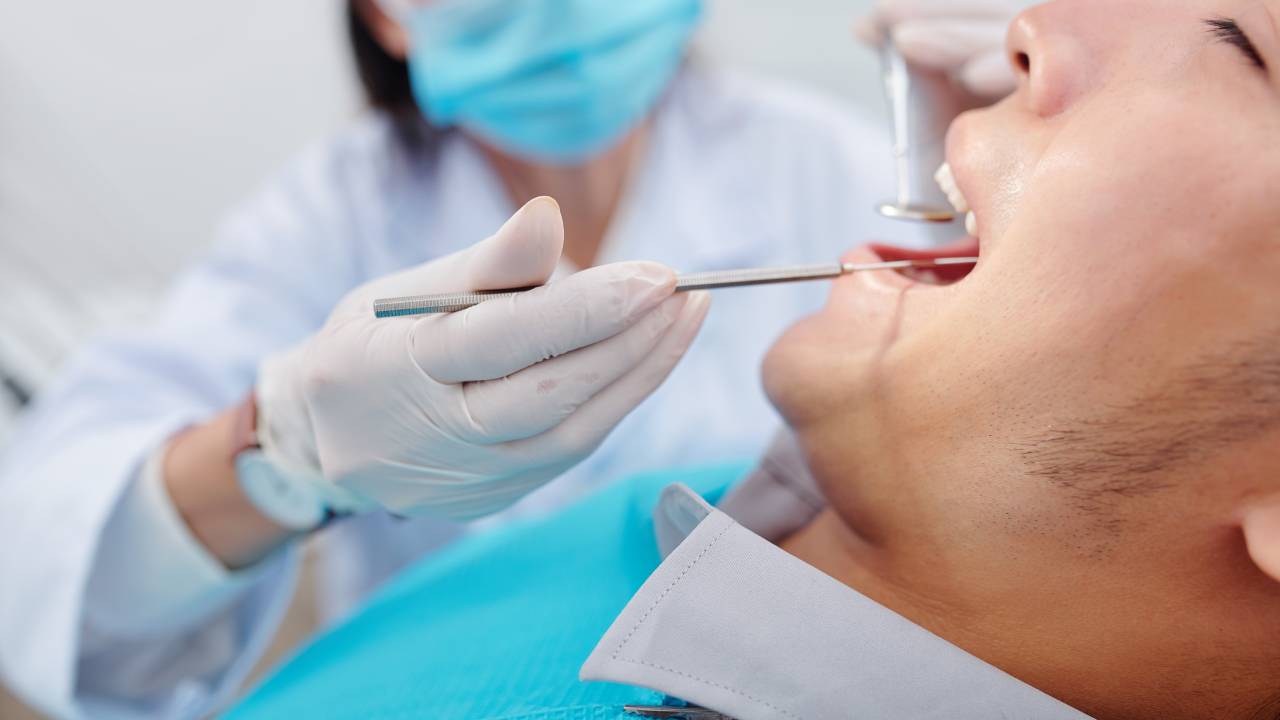
Knowledge about Temporomandibular Joint (TMJ) disorders is essential for addressing the related symptoms and seeking effective treatments. TMJ disorders (TMD) encompass a variety of conditions that affect the jaw joints, jaw muscles, and facial nerves.
Overview of TMJ Conditions
TMJ disorders, also known as TMD, refer to problems involving the jaw muscles, temporomandibular joints, and surrounding facial nerves. The TM joints allow your jaw to move in two significant ways:
- As a hinge to open and close your mouth.
- Through a sliding motion (translation) enabling activities like chewing, singing, and yawning.
These disorders are characterized by a range of musculoskeletal pain syndromes such as myofascial pain, myalgia, and arthralgia. Common symptoms include:
- Pain or tenderness in your jaw.
- Locking of the joint.
- Aching pain around your ear.
- Difficulty or discomfort while chewing.
Non-invasive treatments can effectively alleviate pain in 40-90% of patients with TMD (PubMed Central).
Common Causes of TMJ
Approximately 12% of the US population experiences TMJ at any given time (Kalkstein Chiropractic). The condition can arise from several factors, including:
- Direct Injury/Trauma: Any injuries to the jaw or head can lead to TMD.
- Teeth Grinding: Clenching or grinding your teeth, especially at night, puts excessive pressure on the TM joints.
- Nail Biting: This habit exerts repeated stress on the jaw.
- Degenerative Joint Diseases: Conditions such as arthritis can impact the TM joints.
- Infections: Various infections can cause inflammation in the jaw joints.
- Autoimmune Diseases: These can lead to swelling and pain in the TM joints.
Understanding these causes helps in diagnosing and treating TMJ effectively. Treatments can range from custom night guards and occlusal splints to more advanced, minimally invasive therapies.
By exploring comprehensive care options, you can find the most effective treatment path. For more information about managing TMJ disorders covered by insurance, visit does insurance cover TMJ therapy or learn about specific insurance plans such as United Healthcare TMD treatment dentist and MetLife insurance TMJ specialist.
Chiropractic Care for TMJ Relief
Chiropractic Approach to TMJ
Chiropractors play a vital role in providing relief for TMJ (temporomandibular joint) disorders through a variety of specialized techniques. This involves spinal manipulation, manual mandibular therapy, and soft tissue techniques to address the complex symptoms associated with TMJ disorders. These symptoms often include pain or tenderness in the jaw, popping or clicking sounds during jaw movements, and even headaches or neck pain.
The approach is primarily focused on adjusting the spine and jaw to ensure proper alignment, which can help alleviate the stress on the temporomandibular joint. Additionally, chiropractors may implement soft tissue therapy to reduce muscle tension and promote relaxation in the affected areas. These combined techniques not only aim to relieve immediate pain but also work towards providing long-term improvements in joint function and overall well-being.
Effectiveness of Chiropractic TMJ Adjustments
Chiropractic TMJ adjustments are highly effective in providing relief for TMJ symptoms. Research supports the success of these adjustments in reducing pain, enhancing the range of motion, and diminishing the clicking or popping sounds commonly associated with TMJ disorders.
According to a study published on PubMed Central, chiropractic therapy, including spinal manipulation and manual mandibular therapy, has been found to significantly improve pain measures, maximum mouth-opening, and decrease disability in TMD patients. These techniques have proven to be promising non-invasive approaches for managing TMD effectively.
Additionally, a case study highlighted the success of an interdisciplinary approach incorporating chiropractic therapy. The patient, who received spinal adjustments, soft tissue therapy, and exercise rehabilitation, reported a 70% improvement in TMD symptoms after just two weeks of treatment.
| Symptom Improvement | Percentage Improvement |
|---|---|
| Jaw Pain | 70% |
| Clicking/Popping | Significant reduction |
| Range of Motion | Improved |
For those dealing with TMJ disorders, finding the right chiropractic care plan is essential. United Healthcare provides coverage for TMJ chiropractic and dental care, ensuring you receive quality treatment. For more details on coverage, check out our page on united healthcare TMD treatment dentist and explore additional resources such as tmj disorder treatment covered by Aetna and tmd therapy with Blue Cross Blue Shield Insurance.
At-Home Methods for TMJ Pain
While professional care is crucial for managing TMJ disorders, effective at-home methods can provide considerable relief. Implementing self-care techniques and exercises can help alleviate pain and improve function in the temporomandibular joint (TMJ). This section outlines some practical strategies you can employ from the comfort of your home.
Self-Care Techniques for TMJ
- Hot and Cold Compresses:
- Alternate between hot and cold compresses to reduce pain and inflammation. Apply the hot compress for 10 minutes to relax the muscles, followed by the cold compress for a few minutes to decrease swelling.
- Jaw Relaxation:
- Keep your jaw in a relaxed position by maintaining a slight gap between your upper and lower teeth. Avoid clenching and chewing tough or sticky foods.
- Stress Management:
- Practice stress management techniques such as meditation, deep breathing exercises, and yoga to reduce jaw tension.
- Massage:
- Gently massage the jaw muscles, focusing on the masseter and temporalis muscles (Kalkstein Chiropractic). Apply gentle pressure in a circular motion to ease muscle tightness.
Exercises for TMJ Relief
Incorporating specific exercises into your daily routine can significantly improve TMJ symptoms. These exercises target the muscles around the jaw and promote proper alignment and function.
- Jaw Opening and Closing:
- Place your tongue on the roof of your mouth and open your mouth slowly. Hold for a few seconds, then close your mouth. Perform this exercise 5-10 times.
- Chin Tucks:
- Stand or sit with your shoulders back. Tuck your chin down towards your chest, keeping your head level. Hold for a few seconds, then release. Repeat 5-10 times.
- Side-to-Side Jaw Movement:
- Place an object like a tongue depressor between your front teeth and move your jaw from side to side. Gradually increase the number of objects as your exercise tolerance improves.
- Resisted Opening and Closing:
- Place your thumb under your chin and gently apply pressure while opening your mouth. Similarly, resist with your thumb on the top of your chin while closing your mouth. Perform this 5-10 times for strengthening.
Jaw Pain Relief Exercises Table
| Exercise | Repetitions | Duration (Seconds) | Frequency per Day |
|---|---|---|---|
| Jaw Opening/Closing | 5-10 | 2-3 | 2-3 times |
| Chin Tucks | 5-10 | 2-3 | 2-3 times |
| Side-to-Side | 5-10 | 2-3 | 2-3 times |
| Resisted Movements | 5-10 | 2-3 | 2-3 times |
These at-home methods complement professional treatments available for TMJ disorders. For comprehensive care, consider exploring the benefits of chiropractic therapy in managing temporomandibular disorders and other related concerns. Furthermore, leveraging your insurance coverage for TMJ treatments can provide access to specialized care.
For more information on effective at-home practices and professional solutions, check out our resources on jaw pain specialist aetna dental plan and metlife insurance tmj specialist.
Chiropractic Therapy for TMD
Temporomandibular Disorders (TMD) can significantly impact your quality of life, leading to chronic pain and functional impairments. Chiropractic therapy offers an approach to managing TMD symptoms through various techniques, including spinal adjustments and soft tissue therapy.
Managing Temporomandibular Disorders
Temporomandibular Disorders, affecting up to 4% of adults annually in the USA, are often characterized by musculoskeletal pain syndromes such as myofascial pain, myalgia, and arthralgia. Chiropractic therapy aims to address these symptoms through non-invasive methods.
- Spinal Adjustments: Key to chiropractic therapy, spinal adjustments help realign the spine and jaw, reducing the stress placed on the temporomandibular joint (TMJ).
- Manual Mandibular Therapy: This involves hands-on manipulation of the jaw to improve its alignment and function.
- Soft Tissue Therapy: Techniques target the muscles around the jaw, relieving tension and improving mobility.
- Exercise Rehabilitation: Incorporates specific exercises to strengthen the muscles and improve range of motion.
Benefits of Chiropractic Therapy
Chiropractic therapy offers several benefits in managing TMD:
Pain Relief: One of the primary benefits is the significant reduction in pain. Both spinal adjustments and soft tissue therapies can help alleviate discomfort associated with TMD.
Improvement in Functionality: Symptoms like clicking, popping, and reduced jaw movement can be improved significantly. A case study indicated a 70% improvement in TMD symptoms after two weeks of chiropractic treatment, also showing enhanced jaw and neck range of motion (PubMed Central).
| Chiropractic Therapy Benefits | % Improvement |
|---|---|
| Pain Reduction | 70% |
| Enhanced Range of Motion | 70% |
| Reduced Clicking and Popping | 70% |
| Decreased Headache and Neck Pain | 70% |
Interdisciplinary Approach: Utilizing an interdisciplinary treatment method that combines chiropractic therapy with other approaches enhances the effectiveness. The combined therapies can provide comprehensive care, making structural improvements to further alleviate TMD symptoms (PubMed Central).
For those in Huntersville, NC seeking advanced care for TMD, exploring chiropractic and interdisciplinary treatments can be beneficial. For more information on providers, visit united healthcare tmd treatment dentist or in-network tmj dentist for jaw pain.
Finding the right provider can be crucial. Make sure to prioritize quality care and look for providers that offer a modern, minimally invasive approach. To learn more about insurance coverage for TMJ and TMD treatments, check out does insurance cover tmj therapy and tmj bite guard covered by insurance.
Interdisciplinary Treatment for TMD
Combined Therapies for TMD
Temporomandibular Disorders (TMD) affect a significant portion of the adult population in the U.S., with around 4% experiencing symptoms annually. These disorders are characterized by musculoskeletal pain syndromes such as myofascial pain, myalgia, and arthralgia. To effectively manage TMD, an interdisciplinary approach combining various treatment modalities is often the most successful.
Non-invasive rehabilitative treatments, including physiotherapy, occlusal splints, orthodontics, and electrotherapy, have proven effective in alleviating pain in 40-90% of TMD patients (PubMed Central). Integrating chiropractic therapy into this multidisciplinary approach has shown promising results in pain relief and functional improvements.
A case study demonstrates the efficacy of incorporating chiropractic therapy with other treatment methods. The patient underwent a combination of spinal adjustments, soft tissue therapy, and exercise rehabilitation. Within two weeks, the patient reported a 70% improvement in TMD symptoms, including reduced jaw pain, minimized clicking and popping, fewer headaches and neck pain, and enhanced jaw and neck range of motion (PubMed Central).
By collaborating with a team of healthcare providers, including dentists, physiotherapists, and chiropractors, patients can benefit from a holistic approach to TMD management. For detailed information on combined treatment options, visit our page on tmd therapy with blue cross blue shield insurance.
Structural Improvements with Chiropractic Care
Chiropractic care for TMD focuses on addressing structural imbalances within the musculoskeletal system. Techniques such as spinal manipulation and manual mandibular therapy effectively alleviate TMD symptoms by improving pain levels, increasing maximum mouth-opening (MMO), and reducing disability (PubMed Central).
Chiropractic therapy aims to restore proper alignment and function to the joints and muscles involved in TMD. This approach can involve:
- Spinal Adjustments: Realigning the spine to reduce strain on the jaw and surrounding muscles.
- Soft Tissue Therapy: Massaging and stretching soft tissues to relieve tension and improve flexibility.
- Exercise Rehabilitation: Strengthening and stretching exercises to enhance joint stability and decrease discomfort.
By combining these chiropractic techniques, patients can experience significant reductions in pain and improvements in range of motion. This interdisciplinary approach is particularly effective for those who value minimally invasive treatments and seek comprehensive care for their TMD symptoms.
For more information on how chiropractic care contributes to structural improvements in TMD management, explore our article on united healthcare tmd treatment dentist.
Summary of Chiropractic Effectiveness for TMD
| Treatment | Effectiveness (Improvement in Symptoms) |
|---|---|
| Chiropractic Care | 70% improvement within two weeks |
| Physiotherapy | 40-90% pain relief |
| Occlusal Splints | >40% improvement |
| Electrotherapy | Up to 90% reduction in pain |
By understanding the benefits of combined therapies and the structural improvements chiropractic care offers, you can make well-informed decisions for your TMD treatment. Prioritizing quality care ensures that your health, longevity, and aesthetics are maintained, even when dealing with complex conditions like TMD. For additional details on insurance coverage for these treatments, visit our page on does insurance cover tmj therapy.