Premium Dental Services Overview
Access to high-quality dental services is essential for maintaining your overall health and aesthetics. At our clinic in Huntersville, NC, we specialize in comprehensive cosmetic and restorative care, ensuring that you receive the best dental treatments available.
High-Quality Dental Care
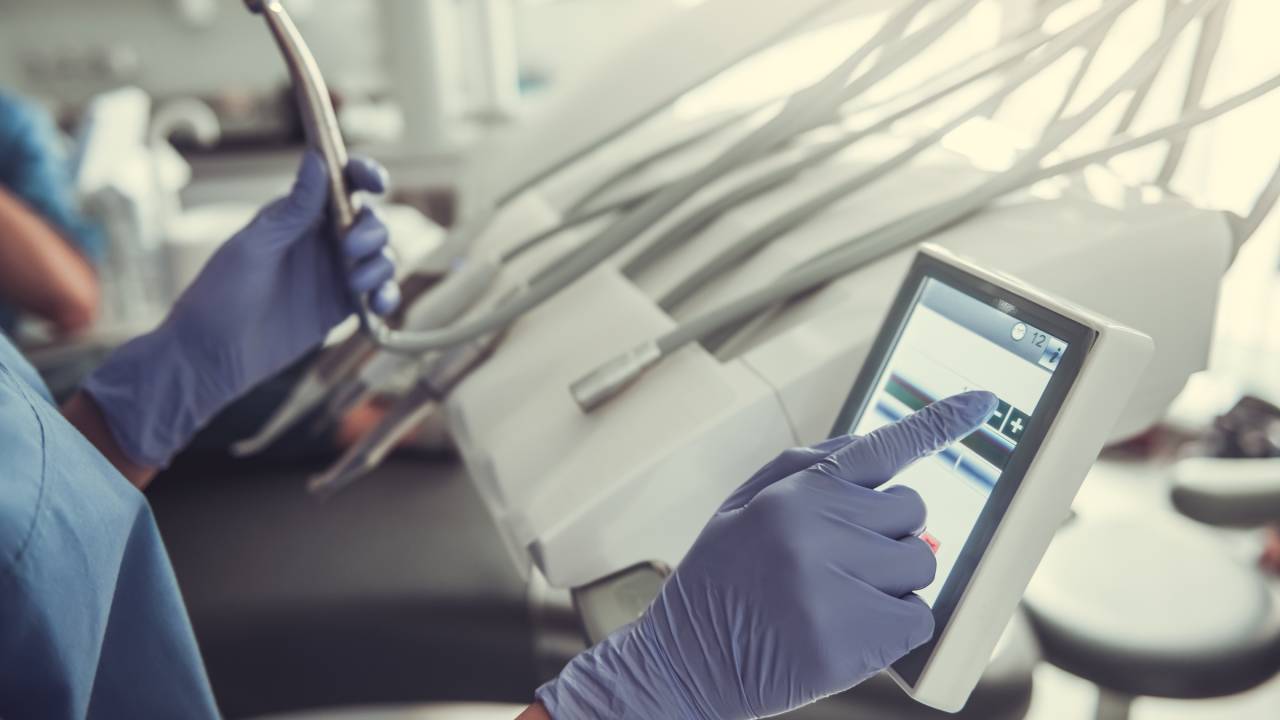
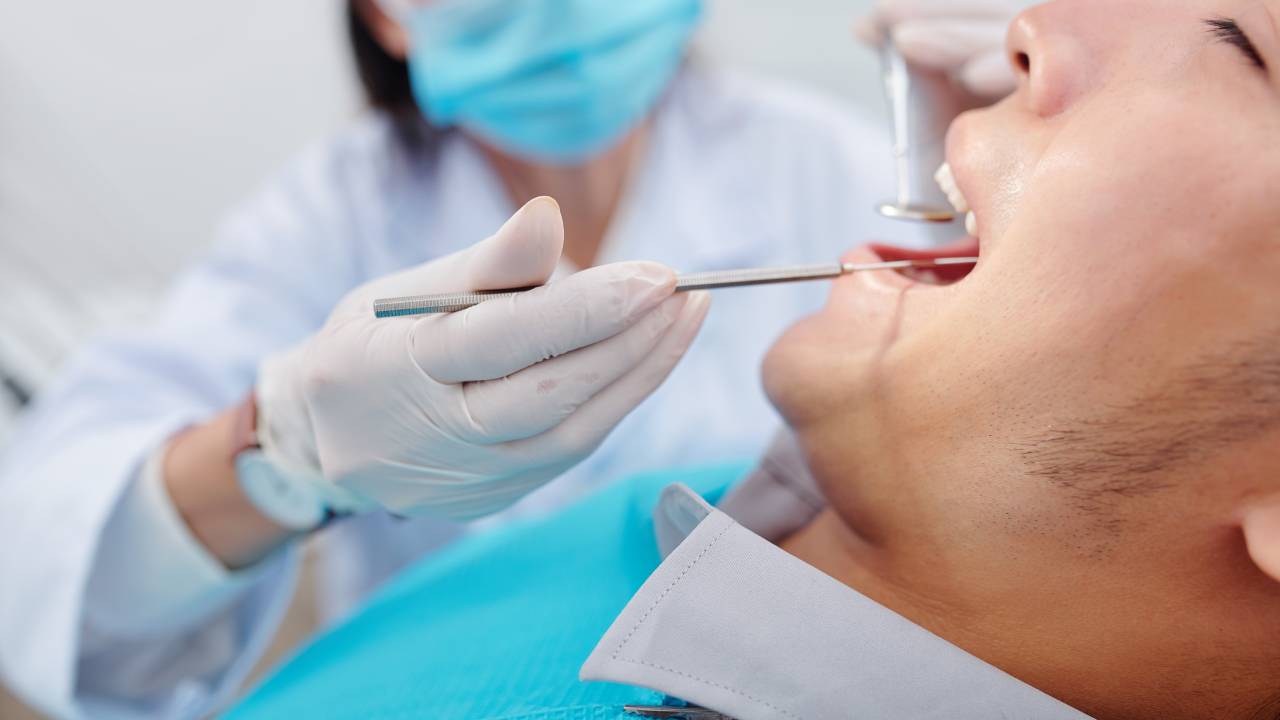
Quality dental care is not just about routine checkups; it encompasses a range of advanced procedures aimed at enhancing your oral health and appearance. When you choose our dental practice, you benefit from a modern, minimally invasive approach tailored to your individual needs. Our team utilizes state-of-the-art technology and techniques to deliver top-tier treatment that prioritizes both effectiveness and comfort.
In addition to providing care that meets your aesthetic desires, we ensure that all services are performed by skilled professionals dedicated to maintaining high standards of patient care. You can rest assured that whether you require routine maintenance or specialized treatments, your dental health is in expert hands.
Comprehensive Treatment Options
Our dental practice offers a wide array of treatment options designed to address all aspects of your oral health. These services include:
| Treatment Type | Description |
|---|---|
| Implants | Permanent solutions for missing teeth, offering functional benefits and aesthetic appeal. |
| Veneers | Custom shells placed over the front of teeth to improve appearance, cover imperfections, and enhance smiles. |
| Root Canals | Treatment to save a tooth with an infected or damaged root, involving the removal of the nerve and decay. |
| TMJ and Sleep Apnea Treatments | Therapeutic approaches to alleviate discomfort and improve breathing during sleep. |
By providing a comprehensive suite of services, our practice aims to be your single trusted provider for advanced dental needs. Additionally, understanding the coverage options available to you can help engage more effectively with in-network providers and make the most of your Blue Cross dental benefits. Our goal is not just to offer treatments, but to ensure your confidence in the choices you make for your dental health.
In-Network Dentistry with BCBS
In-network implant dentistry with Blue Cross offers a range of benefits that can greatly enhance your dental care experience. Understanding the accessibility of in-network dentists and the advantages of choosing these providers is essential for making informed decisions about your dental health.
Accessibility of In-Network Dentists
Blue Cross Blue Shield (BCBS) has an extensive nationwide network, featuring over half a million in-network dentists. In fact, 99.9% of members have access to at least one in-network dentist within 15 miles of their location (BCBSFEP Dental). This wide accessibility means that you can find a qualified dental professional who meets your needs without having to travel far.
| Location Proximity | Percentage of Members |
|---|---|
| Within 15 miles | 99.9% |
| Over 30 miles | 40% |
This data showcases the convenience and reassurance of having a plethora of options right in your vicinity, ensuring that you will be able to locate a suitable implant dentist who is in-network.
Benefits of Choosing In-Network Providers
Opting for in-network providers offers various advantages that can significantly impact your overall dental care experience. In-network dentists agree to predetermined terms and conditions set forth by insurance companies, which allows them to offer services at negotiated rates (Dr. CJ Connolly, DDS). Here are some key benefits of choosing in-network providers:
- Lower Out-of-Pocket Costs: In-network dentists generally provide services at reduced rates, minimizing the cost you incur during visits.
- Simplified Claims Process: Your insurance company handles the billing for in-network providers, making the claims process more straightforward.
- Consistent Care Quality: In-network dentists are vetted by the insurance company, ensuring a certain standard of care.
By selecting an in-network dentist, you can focus more on your dental care, knowing that you are receiving quality services at a fair price. For more information about coverage specifics, check out our article on blue cross blue shield dental implant coverage.
Dental Implants with BCBS Coverage
Navigating the world of dental implants can be complex, especially when considering insurance coverage. If you are planning to have dental implants and have Blue Cross Blue Shield (BCBS), understanding their coverage criteria and the process for obtaining implant services is essential.
Criteria for Coverage Approval
For BCBS FEP Dental to cover dental implants, certain criteria must be met. The implants must be considered dentally necessary and must represent the least expensive appropriate treatment option available. Coverage decisions for implant services are usually made after a review of the proposed treatment by licensed dentists at BCBS FEP Dental.
| Criteria | Requirement |
|---|---|
| Necessity | Must be deemed dentally necessary |
| Cost-Effectiveness | Should be the least expensive appropriate treatment option |
| Approval Process | Review by licensed dentists for benefit determination |
Prior to proceeding with any implant services, your dentist is required to submit a pretreatment estimate to BCBS FEP Dental. This estimate must include a comprehensive treatment plan along with necessary supporting documentation. It is important to note that the estimate does not guarantee coverage.
Process for Implant Services
The process of receiving dental implants through BCBS involves several steps. Initially, your dentist will evaluate your specific needs and create a treatment plan. Once your dentist submits the plan for approval, it will be reviewed to ensure it meets BCBS criteria.
The implant placement procedure typically consists of the following stages:
- Implant Placement: A screw-like post is implanted into the bone to serve as a root for the new tooth.
- Healing Period: A healing phase is necessary for osseointegration, where the bone fuses with the implant. This can take a few months, depending on individual circumstances.
- Attachment of Abutment: After healing, an abutment is attached to the implant, which serves as the connection for the crown.
- Crown Installation: Finally, a custom-made crown is placed on the abutment to complete the restoration.
For a detailed understanding of BCBS dental coverage, including other types of services, check our articles on blue cross blue shield dental implant coverage and insurance that covers dental implants. Understanding these steps can significantly streamline your experience and ensure you receive the best care possible.
Understanding Dental Implants
When considering dental implants, it’s essential to understand the procedures involved in their placement and the subsequent healing and restoration processes. This information can help you make informed decisions about your dental care, especially if you’re interested in in-network implant dentistry with Blue Cross.
Implant Placement Procedure
The placement of a dental implant involves a multi-step process that typically requires several months for complete integration. The procedure begins with your dentist making a cut in the gum tissue to expose the jawbone. Following this, they will drill into the bone to insert a screw-like post, which acts as the new tooth root.
Here’s a simplified overview of the implant placement stages:
| Step | Description |
|---|---|
| 1. Gum Preparation | A cut is made in the gum to expose the underlying bone. |
| 2. Bone Preparation | The bone is drilled to create space for the implant post. |
| 3. Implant Insertion | The post is inserted into the bone. |
| 4. Osseointegration | Over the next several months, the jawbone heals and fuses with the dental implant, providing a solid foundation for any restoration. (BCBS FEP Dental). |
After successful osseointegration, the next step involves installing an abutment, which is used to attach the artificial crown. This minor procedure typically requires local anesthesia and allows time for the gums to heal—often taking about two weeks before the crown can be fitted.
Healing and Restoration Process
The healing process for dental implants is crucial. After the initial placement of the screw-like post, osseointegration occurs, which can take several months. During this time, the jawbone heals and connects with the implant, ultimately providing a strong anchor for the artificial tooth.
Once the healing is complete, your dentist will proceed with the restoration process. This involves attaching the abutment and then the crown, which is the final restorative component that resembles a natural tooth.
Here’s a quick summary of the healing and restoration stages:
| Stage | Description |
|---|---|
| 1. Osseointegration | The jawbone fuses with the implant over several months. |
| 2. Abutment Placement | A minor procedure to attach the abutment to the implant. |
| 3. Crown Attachment | After the gums heal around the abutment, the crown is attached to complete the restoration. (BCBS FEP Dental). |
Taking care of your implants post-procedure is vital. Following your dentist’s aftercare instructions will promote healing and ensure your dental implants serve you well for many years.
If you have any questions about coverage for dental implants or are interested in learning more about the specific services offered, visit resources such as Blue Cross Blue Shield dental implant coverage or explore treatment options available through your insurance.
Choosing Between In-Network and Out-of-Network Dentists
When considering dental care, you may find yourself deciding between in-network and out-of-network dentists. Your choice can significantly affect both your out-of-pocket costs and the quality of care you receive.
Benefits of In-Network Dentists
In-network dentists, also known as participating providers, have agreements with insurance companies to provide services at negotiated rates. Here are the primary advantages of choosing an in-network dentist:
| Benefit | Description |
|---|---|
| Lower Out-of-Pocket Costs | Since in-network providers adhere to fee schedules set by insurance companies, you typically pay less during your dental visit. For preventative care like cleanings and regular checkups, you might even have 100% coverage. For more complex restorative treatments like crowns or bridges, coverage usually ranges around 50% (Ocean Breeze Prosthodontics). |
| Simple Claims Process | In-network dentists often handle insurance claims on your behalf, making the process more efficient and less stressful for you. |
| Access to a Wide Range of Services | In-network practices are often well versed in the insurance plan’s requirements, leading to quicker and easier access to necessary services. |
However, it is essential to consider that in-network dentists are bound by the terms dictated by the insurance companies, which can influence what procedures they can offer. Ultimately, you should prioritize comfort and care quality when selecting your dentist, irrespective of network status (Dr. CJ Connolly, DDS).
Considerations for Out-of-Network Providers
While opting for an out-of-network dentist offers certain benefits, it also comes with some drawbacks. Here’s what you need to keep in mind:
| Consideration | Description |
|---|---|
| Flexibility in Provider Selection | You have the freedom to choose a dental practitioner who best fits your individual needs, allowing you to select a provider based on personal preference rather than insurance constraints. |
| Potentially Higher Costs | Out-of-network dentists do not have pre-established rates with insurance companies. Consequently, your out-of-pocket expenses can be higher. Coverage for treatments can vary significantly, ranging from 100% to as low as 40-50%, depending on your plan (Ocean Breeze Prosthodontics). |
| Claims-Filing Requirement | Patients might need to pay upfront for services and then file for reimbursement, adding an extra step in the process that could be inconvenient. |
The decision to select an in-network or out-of-network provider should be based on personal health needs, budget considerations, and the coverage specifics established by your insurance provider. Those with a PPO plan can often enjoy the flexibility to choose an out-of-network dentist while still receiving some insurance benefits (Ocean Breeze Prosthodontics).
Insurance and Dental Care
Understanding the differences between in-network and out-of-network dentists is crucial when planning your dental care. You want to ensure that your investment in oral health is both effective and financially manageable.
Differences Between In-Network and Out-of-Network
In-network dentists have agreements with dental insurance companies to provide services at negotiated rates. This typically results in lower out-of-pocket expenses for patients at the time of service. For instance, you may receive 100% coverage for preventative care, such as cleanings and routine checkups, and approximately 50% coverage for more complex treatments like crowns or bridges (Ocean Breeze Prosthodontics).
In comparison, out-of-network dentists are not contracted with any insurance providers, meaning there are no pre-established rates. While this allows you to select a dentist based on your preferences without network limitations, it may come with higher costs. Depending on your insurance plan, coverage can vary from 100% to as low as 40% or 50% for treatments, and you may need to pay out-of-pocket at the time of service while filing for reimbursement later.
| Coverage Aspect | In-Network Dentists | Out-of-Network Dentists |
|---|---|---|
| Preventive Care Coverage | 100% | 100% or less |
| Complex Restorative Treatments | Approximately 50% | 40% to 50% |
| Pricing Structure | Negotiated Rates | No Pre-established Rates |
| Payment at Service | Typically lower | Often requires upfront payment |
Balancing Costs and Quality Care
When deciding between in-network and out-of-network providers, it’s essential to balance cost with quality of care. While in-network options may offer lower expenses, your comfort and satisfaction with the dental practice play crucial roles in your overall health experience.
You may want to prioritize practitioners who align with your values and comfort levels, irrespective of their in-network status. Ultimately, selecting a dental professional should focus on your specific health needs and treatment preferences (Dr. CJ Connolly, DDS). Whether you opt for advanced services like implants and veneers or regular checkups, knowing how insurance covers these treatments can guide your decision-making.
For further details about dental coverage options, explore our articles on blue cross blue shield dental implant coverage and insurance that covers dental implants.