Understanding TMJ Disorders
Temporomandibular joint disorders (TMD) are a common issue that affects your jaw joint and muscles controlling jaw movement. To better understand TMD, let’s explore the basics and the commonly affected groups.
Overview of Temporomandibular Joint Dysfunction
The temporomandibular joint (TMJ) acts like a sliding hinge, connecting your jawbone to your skull. Disorders of this joint can cause pain and dysfunction in the movement of the jaw and the muscles controlling it. TMD is the term used to describe a range of conditions affecting this joint and adjacent structures, often leading to discomfort and difficulty in jaw movement Cleveland Clinic.
TMD can result from various factors, including:
- Injury to the Jaw or Head: Trauma can displace the jaw or damage the TMJ.
- Arthritis: Osteoarthritis or rheumatoid arthritis can affect the TMJ.
- Jaw Misalignment: Even slight shifts in the alignment of teeth can strain the TMJ.
- Stress and Bruxism: Clenching or grinding teeth exert pressure on the TMJ.
Common Symptoms and Age Group Affected
Patients experiencing TMD may exhibit various symptoms such as:
- Jaw Pain or Tenderness: Discomfort around the jaw joint or ears.
- Difficulty Chewing: Pain while eating or difficulty opening/closing the mouth.
- Clicking or Popping Sounds: Audible noises when moving the jaw.
- Facial Pain: Pain extending into the face, neck, and shoulders.
| Symptom | Description |
|---|---|
| Jaw Pain | Ache around jaw and ears |
| Difficulty Chewing | Painful or restricted movement |
| Clicking Sounds | Clicking or popping when moving jaw |
| Facial Pain | Pain in face, neck, or shoulders |
TMD often begins between the ages of 20 and 40, affecting up to 12 million people in the U.S. with females being twice as likely to be affected compared to males Cleveland Clinic. Women aged between 35 and 44 are particularly susceptible to TMD NIDCR.
| Age Group | Incidence |
|---|---|
| 20-40 Years | Highest incidence |
| 35-44 Years | Women more affected |
Understanding these symptoms and the demographics helps in early diagnosis and effective TMD therapy with Blue Cross Blue Shield insurance. Proper management can alleviate symptoms and prevent further complications. For more information on treatment options, explore our section on tmj disorder treatment covered by aetna.
Diagnosis and Treatment Options
Diagnostic Procedures for TMD
Diagnosing Temporomandibular Joint Dysfunction (TMD) accurately is critical for developing an effective treatment plan. At Americo TMJ Pain Therapy, they conduct a thorough evaluation to understand your specific condition.
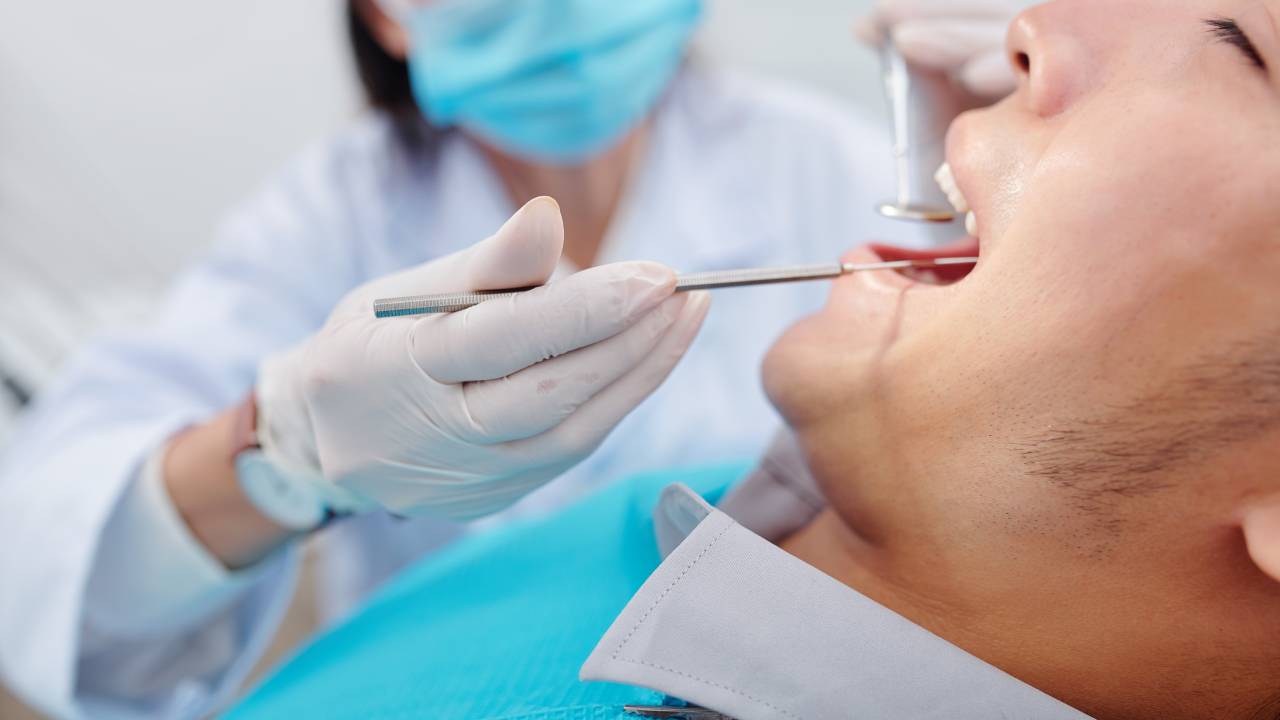
- Physical Examination: The process begins with a detailed physical exam where the dentist assesses how your jaw moves, checks for signs of pain or stiffness, and listens for clicking or popping sounds in the joint (Cleveland Clinic).
- Imaging Tests: Additional imaging tests like X-rays or MRIs may be recommended to get a comprehensive view of the joint and surrounding structures. These tests help pinpoint issues like joint damage, dislocation, or inflammation.
- Medical History Review: A review of your medical and dental history is also crucial for understanding potential underlying causes and contributing factors.
| Diagnostic Procedure | Purpose |
|---|---|
| Physical Exam | Assess jaw movement, pain, stiffness |
| X-rays | View joint structure and position |
| MRIs | Detailed images of soft tissues and joint components |
| Medical History Review | Identify underlying causes and patterns |
Noninvasive and Surgical Treatment Strategies
Noninvasive Treatment Options
Most people start with noninvasive treatments that aim to alleviate symptoms and improve jaw function.
- Medications: Over-the-counter pain relievers, anti-inflammatories, and muscle relaxants can be effective in managing TMJ pain (Cleveland Clinic).
- Occlusal Splints: Custom-made dental appliances, such as occlusal splints, help to reduce strain on the jaw joint by repositioning the jaw and teeth. These are especially useful for individuals who clench or grind their teeth (PubMed Central).
- Physical Therapy: Exercises designed to strengthen and stretch the jaw muscles can help in restoring normal function. Techniques include jaw exercises, posture training, and massage.
- Behavioral Therapies: Stress management techniques and counseling can be useful if stress and anxiety are contributing to your TMD symptoms.
- Heat Therapy: Applying a warm compress can help relax the muscles and reduce pain and stiffness.
| Treatment | Description |
|---|---|
| Medications | NSAIDs, muscle relaxants, pain relievers |
| Occlusal Splints | Custom dental appliances for jaw alignment |
| Physical Therapy | Exercises, posture training, massage |
| Behavioral Therapies | Stress management, counseling |
| Heat Therapy | Warm compress to reduce pain and stiffness |
Surgical Treatment Options
When noninvasive methods are not enough, more advanced treatment options may be required.
- Arthrocentesis: A minimally invasive procedure where joint fluid is flushed to remove debris and inflammatory byproducts.
- Arthroscopy: A more involved but still minimally invasive surgery where a small camera is inserted into the joint for diagnosis and treatment.
- Open-Joint Surgery: This is a last-resort option that may involve repair or repositioning of the joint itself to relieve severe symptoms and restore function.
- Prosthetic Joint Replacement: In extreme cases, a damaged joint may need to be replaced with a prosthetic.
| Surgical Treatment | Description |
|---|---|
| Arthrocentesis | Flushing joint fluid |
| Arthroscopy | Camera-assisted joint surgery |
| Open-Joint Surgery | Repairing or repositioning of joint |
| Prosthetic Joint Replacement | Joint replaced with prosthetic |
For comprehensive care and advanced treatment options, come visit americo tmj pain therapy dentist. Additionally, consider checking out related info on tmj disorder treatment covered by aetna, metlife insurance tmj specialist, and bcbs dentist for tmj treatment for insurance details and coverage specifics.
Management of TMJ Pain
Navigating through TMJ pain can be challenging, but our professional guidance can provide relief. Americo TMJ Pain Therapy Dentist offers various management techniques and natural treatments that you may find effective.
Pain Management Techniques
Effective pain management for TMJ disorders (TMD) often involves a combination of therapeutic approaches. Here are some key techniques used by in-network TMJ dentists for jaw pain:
Occlusal Splint Therapy
Occlusal splints, also known as nightguards, stabilization appliances, or bruxism splints, fit over your teeth and work to relieve stress on the temporomandibular joint. You can find insurance-approved occlusal splint TMJ providers through major insurers.
| Appliance Type | Function |
|---|---|
| Nightguards | Protect against grinding (bruxism) |
| Stabilization Appliances | Maintain jaw position |
| Bruxism Splints | Relieve muscle tension |
Pharmacotherapy
Medications play a pivotal role in managing TMJ pain. Common options include:
- Nonsteroidal anti-inflammatory drugs (NSAIDs)
- Opioids
- Corticosteroids
- Muscle relaxants
Physiotherapy
Physiotherapy techniques such as exercises, massages, and manual therapy are regularly used to improve jaw function.
| Treatment | Description |
|---|---|
| NSAIDs | Reduce inflammation and relieve pain |
| Corticosteroids | Minimize severe inflammation |
| Muscle Relaxants | Alleviate muscle stiffness |
Natural and Complementary Treatments
Natural and complementary treatments help in reducing TMJ symptoms and improving overall comfort. Here are methods to consider:
Intraoral Appliances
Intraoral appliances are recommended for some TMD cases. They help in reducing clenching and grinding (NIDCR).
Acupuncture
Acupuncture has been studied for its efficacy in treating TMDs and has shown promise in managing chronic TMJ pain.
Compresses
Both warm and cold compress therapies are effective in treating chronic pain associated with TMD (NIDCR).
| Treatment Type | Benefit |
|---|---|
| Warm Compress | Relieves muscle tension |
| Cold Compress | Reduces inflammation |
TENS Therapy
Transcutaneous Electrical Nerve Stimulation (TENS) uses low-voltage electrical currents to relieve pain and improve joint function (NIDCR).
Americo TMJ Pain Therapy Dentist provides a variety of pain management and natural treatment options tailored to your needs. Always consult with your dentist about any new symptom or therapy for TMD. For further reading on TMJ disorder treatment, visit TMJ Disorder Treatment Covered by Aetna and other related internal links provided in this article.
Role of Orofacial Pain Certification
The orofacial pain certification plays a vital role in ensuring that dental professionals are well-equipped to diagnose and treat TMJ disorders effectively. Understanding the certification process and maintaining active diplomate status is crucial for any Americo TMJ pain therapy dentist providing premium full-service dentistry in Huntersville, NC.
Certification Process Overview
The American Board of Orofacial Pain (ABOP) provides a rigorous certification process designed to validate the competencies of dentists in managing orofacial pain. Established in 1994, ABOP requires candidates to meet specific eligibility requirements set by the National Commission on Recognition of Dental Specialties and Certifying Boards.
Certification entails several key steps:
- Eligibility Criteria: Candidates must possess an unrestricted license to practice dentistry in the United States or meet exemptions if practicing abroad. They must also complete a two-year full-time residency program in Orofacial Pain (OFP) approved by CODA.
- Examinations: Candidates must pass both written and oral examinations. The written exam’s date is to be determined (TBD), starting from October 1, 2025, while the oral exam date is also yet to be determined (ABOP).
- Proof of Training: Candidates are required to submit a letter from their program directors indicating their board eligibility status.
Maintaining Active Diplomate Status
To maintain active diplomate status with the American Board of Orofacial Pain, dentists must adhere to several ongoing requirements. This ensures they stay updated with the latest advancements in orofacial pain management:
- Annual Renewal: Active diplomate status requires yearly renewal, which involves meeting certain continuing education requirements and other standards set by ABOP.
- Recertification: Recertification is managed by the Recertification Committee of ABOP. It includes various benchmarks that diplomates must meet to continue their certification status (ABOP).
- Reinstatement: Expired diplomates can request reinstatement in writing. The ABOP Board reviews these requests based on their Bylaws governing certification and renewal requirements.
By adhering to these certification and renewal processes, Americo TMJ pain therapy dentists are able to provide the highest quality care to their patients. Whether you’re dealing with TMJ pain or other orofacial issues, having a certified dentist ensures you receive effective and advanced treatment modalities. For more information on insurance coverage and specific treatment options, you might visit BCBS dentist for TMJ treatment, tmd therapy with blue cross blue shield insurance, or metlife insurance tmj specialist.
Innovative TMJ Treatment Approaches
When it comes to managing TMJ disorders, Dr. Kelley Mingus stands out with her unique treatment philosophy and holistic care approach. Her methods are particularly effective for affluent professionals and retirees in Huntersville, NC, who seek advanced, minimally invasive solutions for their dental needs, including TMJ pain therapy.
Dr. Kelley Mingus’s TMJ Treatment Philosophy
Dr. Kelley Mingus has emerged as a leading figure in TMJ treatment, offering innovative solutions through her combination of traditional dental practices and advanced therapeutic techniques (Kelley Mingus). Her approach begins with a comprehensive evaluation, which includes a thorough medical history review, physical examination, and diagnostic imaging if necessary. This initial assessment allows Dr. Mingus to precisely identify the underlying causes of your TMJ disorder and develop an effective treatment strategy tailored to your needs.
Individualized Treatment Plans and Holistic Care Approach
Recognizing that each patient’s experience with TMJ is unique, Dr. Mingus tailors her treatment plans to consider individual symptoms, lifestyle factors, and personal goals. Her holistic approach prioritizes patient-centered care, initiating with an in-depth consultation where she listens to your concerns and experiences thoroughly. This personalized attention ensures that your TMJ treatment plan is both effective and aligned with your overall health and well-being.
To provide a clearer picture of what her individualized treatment plans entail, consider the following elements:
| Treatment Elements | Description |
|---|---|
| Comprehensive Evaluation | Detailed medical history, physical examination, and diagnostic imaging. |
| Customized Therapy | Tailored treatment plans based on individual symptoms and lifestyle factors. |
| Patient-Centered Care | Focused on hearing patient’s concerns and achieving their personal health goals. |
| Advanced Techniques | Combination of traditional practices with modern therapies for effective results. |
| Holistic Methods | Integrating various therapies for a well-rounded approach to TMJ treatment. |
For more information on treatments covered by insurance, you may find articles like tmj disorder treatment covered by aetna and in-network tmj dentist for jaw pain useful.
By adopting Dr. Kelley Mingus’s innovative, personalized, and holistic methods, you can expect a comprehensive care approach designed specifically to manage and alleviate your TMJ pain efficiently. For more details on insurance coverage for TMJ treatments, you can explore our section on americo tmj dentist coverage.