Understand oral cancer screening
Definition and purpose
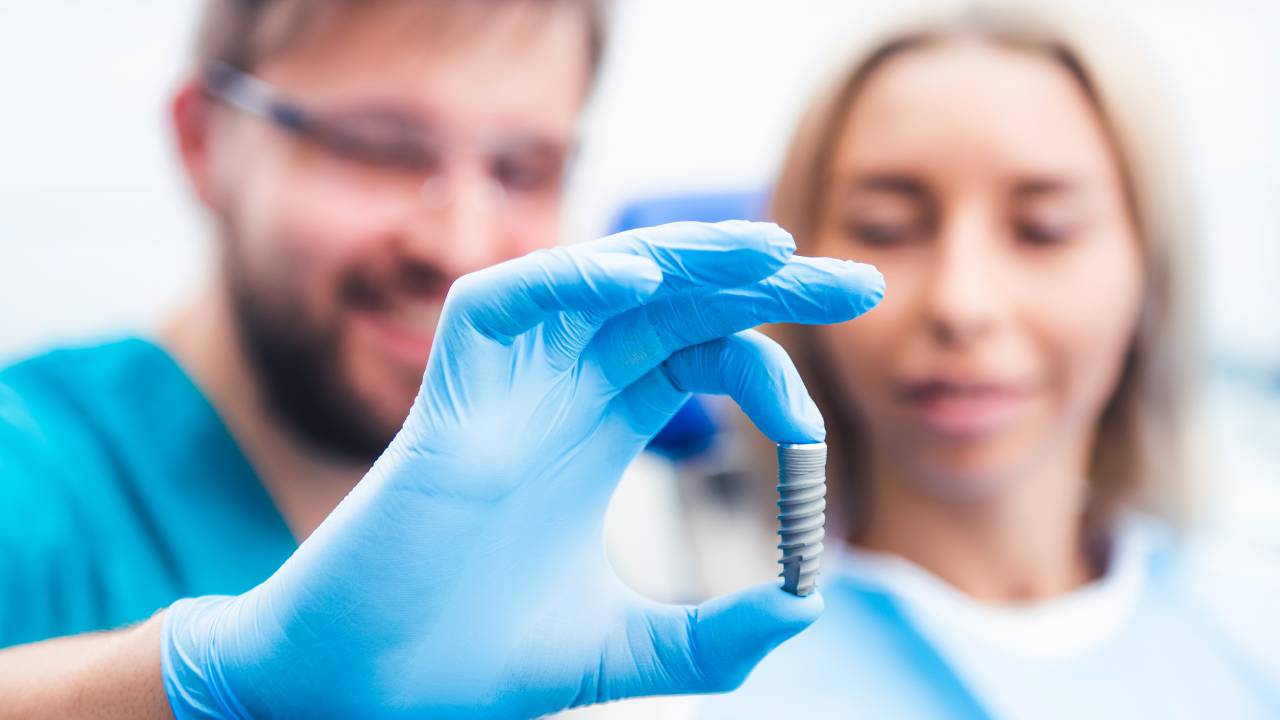
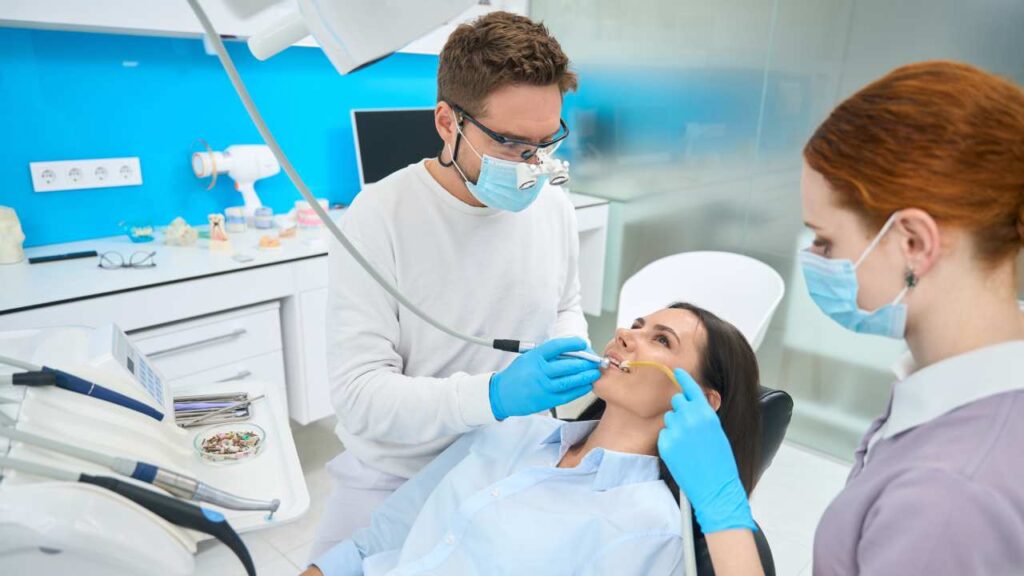
Your oral cancer screening dentist plays a crucial role in safeguarding your health by examining all areas of your mouth for early warning signs of malignant changes. An oral cancer screening dentist conducts a focused evaluation of tissues in the oral cavity and oropharynx, looking for abnormalities that may indicate cancer or precancerous conditions. Early detection through routine screening increases the likelihood of successful treatment and can improve long-term outcomes.
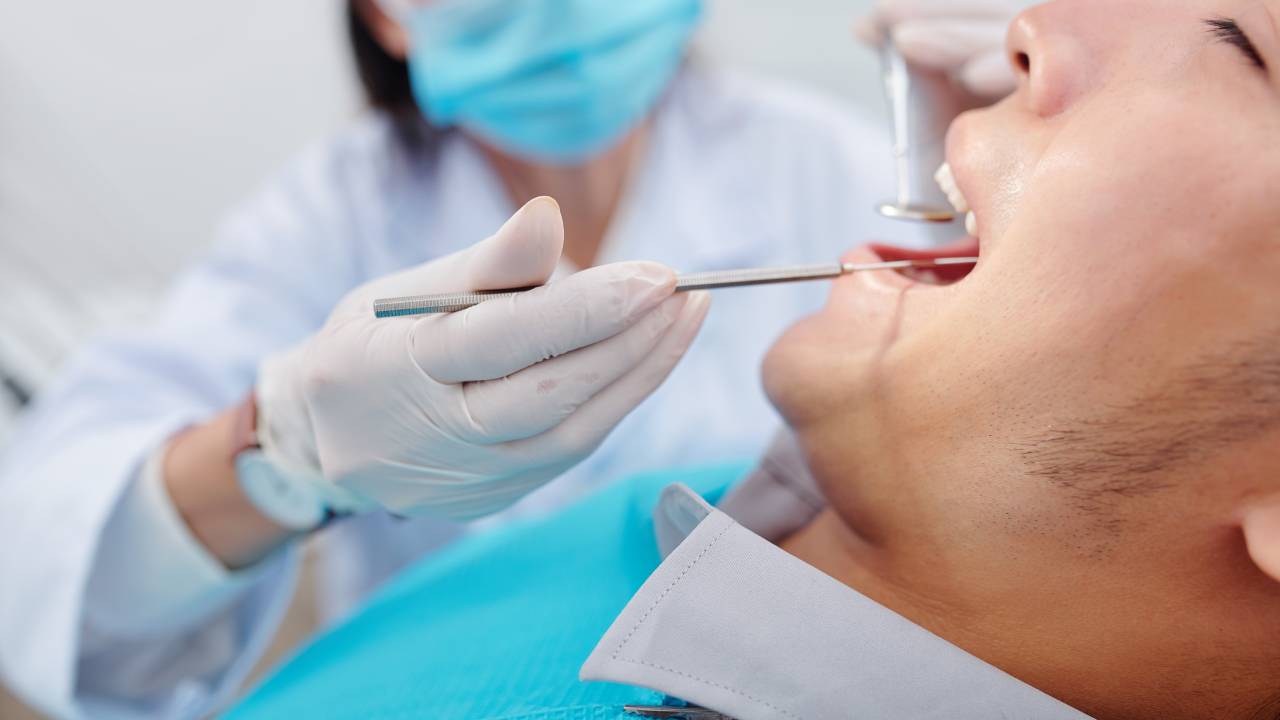
Screenings do not replace definitive diagnostic tests, but they serve as an essential first step. During a typical screening, your dentist inspects your lips, tongue, cheeks, floor of mouth, and throat, assessing color changes, lesions, or lumps. If any suspicious findings emerge, your provider will refer you for further testing, such as a biopsy, to confirm or rule out cancer.
Role of your dentist
When you visit your family dentist in Huntersville, NC, you benefit from a provider trained to recognize subtle signs of oral disease. General dentists receive specialized training in cancer screening protocols, equipping them to:
- Perform visual and tactile examinations
- Use adjunctive tools like screening lights and dyes
- Identify lymph node enlargement in the neck
- Educate you on self-screening techniques
By partnering with a trusted practitioner, you ensure that cancer screenings are integrated into your overall preventive care plan. Regular communication with your dentist helps tailor follow-ups based on risk factors and clinical findings.
Screening vs diagnosis
It is important to understand that an oral cancer screening is a preliminary assessment intended to detect signs of abnormal cell growth. Screening methods cannot definitively diagnose cancer. If your dentist observes any suspicious lesions or patches, you will be referred to an oral surgeon or oncologist for diagnostic procedures, such as:
- Biopsy to examine tissue under a microscope
- Imaging tests (CT, MRI, or PET scans)
- Specialist evaluation by a head and neck surgeon
This two-step approach—screening followed by diagnosis—ensures that you receive prompt attention if further investigation is required, while minimizing unnecessary biopsies when no abnormalities are present.
Recognize risk factors
Tobacco and alcohol
Tobacco use remains the leading risk factor for oral cancer. Cigarette smoking, pipe tobacco and chewing tobacco contribute to up to 90% of cases [1]. Alcohol consumption amplifies this risk, especially when combined with tobacco. Individuals who drink moderate to heavy amounts of alcohol and also use tobacco face a significantly higher likelihood of developing malignancies in the mouth and throat.
HPV and infections
The human papillomavirus, particularly HPV type 16, has emerged as a major contributor to oropharyngeal cancers. HPV-related cancers often affect the tonsils and base of tongue, and the prevalence of HPV DNA in oropharyngeal tumors approaches two-thirds of cases in some studies [1]. Vaccination and safe practices can reduce your risk, but screening remains essential even if you are vaccinated.
Other contributors
Additional factors may increase the likelihood of oral cancer and underscore the need for annual screenings:
- Excessive sun exposure (lip cancer risk)
- Betel quid or gutka chewing in certain populations
- Poor nutrition and vitamin deficiencies
- History of head and neck radiation therapy
- Family history of oral or pharyngeal cancers
By understanding these risk factors, you and your dentist can determine an appropriate screening schedule, whether it’s annually or more frequently for high-risk individuals.
Review screening process
Visual and palpation exam
Most oral cancer screenings begin with a thorough visual inspection of oral tissues. Your dentist looks for color changes, ulcerations or thickened areas. Palpation follows, as gentle pressure on the cheeks, tongue and neck can reveal lumps or enlarged lymph nodes. This hands-on approach typically takes under two minutes and is pain-free.
Use of dyes and lights
Adjunctive screening aids can improve detection of abnormal cells:
- Fluorescent lights: Tissue fluorescence may differ between healthy and abnormal areas
- Screening dyes: Special solutions stain potentially precancerous sites
These methods do not replace clinical judgment but can highlight areas requiring closer evaluation. The entire process, including adjunctive screening, usually adds only a few minutes to your routine exam.
Referral and biopsy
If your dentist identifies suspicious lesions—such as persistent sores, white or red patches, or lumps—you will receive a referral for a definitive biopsy. This procedure removes a small tissue sample for laboratory analysis. Biopsy results generally take three to five days [2]. Your dentist coordinates care, ensuring you understand the findings and next steps, whether that involves further tests or treatment planning.
Identify early symptoms
Nonhealing sores
One of the most common signs of oral cancer is a sore in the mouth or on the lip that does not heal within two weeks. While most mouth ulcers resolve on their own, persistent lesions warrant evaluation by your dentist to exclude malignancy.
White or red patches
Leukoplakia (white patches) and erythroplakia (red patches) can indicate areas of abnormal cell growth. Although many are benign, these lesions require close monitoring or biopsy to determine their nature.
Persistent pain or lumps
Unexplained pain, numbness or tingling in the mouth or lips can accompany early oral cancers. In addition, a lump or thickened area on the inside of the cheek, tongue or neck region may signal lymph node involvement. Prompt screening can help identify the cause before the disease progresses.
Compare screening options
Home self-exams
Self-exams empower you to monitor changes between professional visits. Common steps include:
- Using a mirror and flashlight to inspect lips, cheeks, tongue and floor of mouth
- Feeling for lumps or thickened areas around the neck
- Checking for unusual color changes or nonhealing sores
Self-screening every month can help you notice changes early, but it should never replace biannual or annual professional evaluations [2].
Dental office evaluation
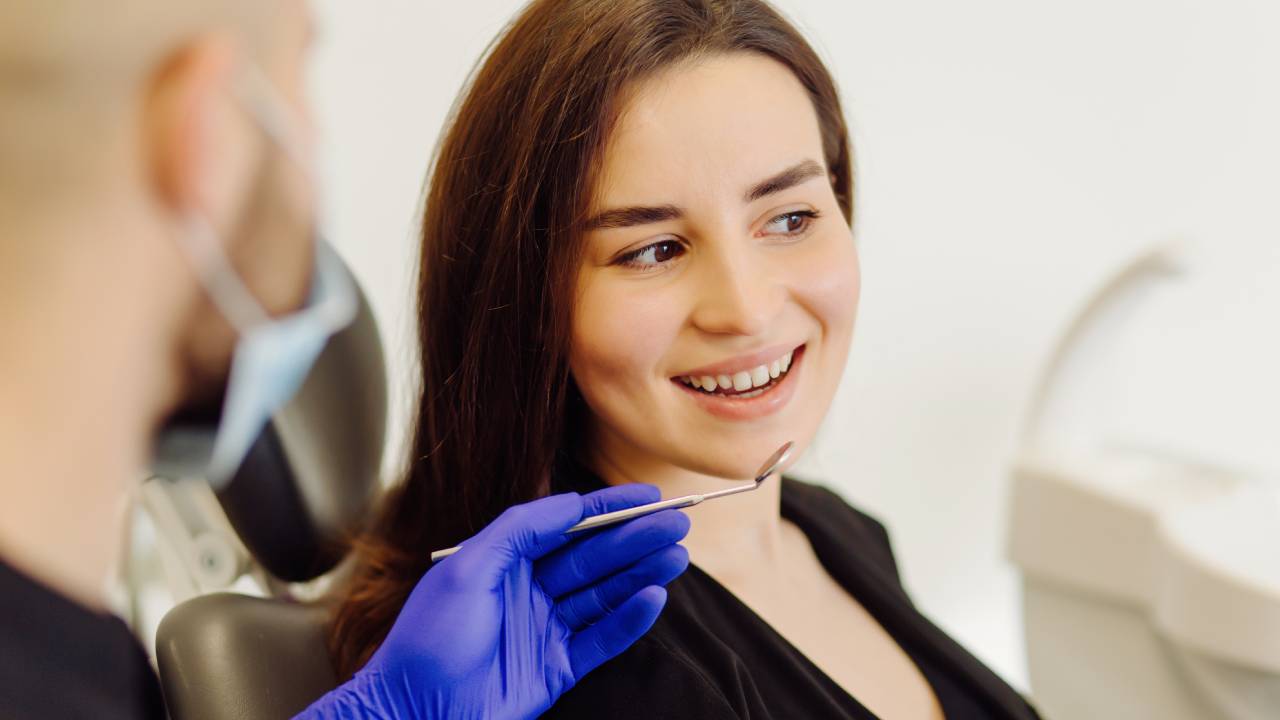
Your dentist provides the most comprehensive and reliable screening. Equipped with clinical training and adjunctive tools, providers can detect subtle abnormalities that you might miss at home. These exams are typically scheduled during your routine dental exam huntersville or professional teeth cleaning huntersville appointments.
Specialist assessment
If your dentist refers you for further evaluation, an oral surgeon or otolaryngologist will perform a detailed examination and arrange imaging or biopsy as needed. Specialists can then develop a treatment plan tailored to the type and stage of any diagnosed cancer.
| Screening option | Provider | Pros | Cons | Frequency |
|---|---|---|---|---|
| Home self-exam | You | Convenient, no cost | Limited sensitivity | Monthly |
| Dental office evaluation | General dentist | High accuracy, adjunctive tools | Requires appointment | Annually (or more) |
| Specialist assessment | Oral surgeon/ENT | Definitive diagnosis and staging | More invasive, may involve biopsy | As recommended |
Benefit from preventive exams
Early detection advantage
Catching oral cancer at an initial stage dramatically improves treatment success. Early-stage lesions may require less extensive surgery, lower doses of radiation and a quicker recovery. In contrast, advanced cancers often involve complex interventions and carry higher risks of complications.
Improved survival rates
Overall five-year survival rates for oral and oropharyngeal cancers hover around 57% [2]. However, when detected early, survival can exceed 80%. Preventive exams empower you to identify abnormalities while they are most treatable.
Peace of mind
Beyond clinical benefits, routine screenings offer reassurance. Knowing that a qualified professional has examined your oral health can reduce anxiety and build confidence in your overall wellbeing. This peace of mind extends to your family when you model proactive care for children and older adults alike.
Integrate with routine care
Combine with dental exams
Incorporate cancer screening into every routine dental exam huntersville. This integrated approach ensures that you do not need separate appointments for preventive care. During each exam, your dentist will:
- Assess teeth and gums for decay and periodontal disease
- Screen for oral cancer
- Discuss any new symptoms or concerns
Pair with professional cleanings
Professional cleanings remove plaque and tartar while providing an ideal opportunity for cancer screening. During a professional teeth cleaning huntersville, your hygienist can alert your dentist to any suspicious findings, enhancing early detection.
Family preventive services
Preventive care benefits every member of your household. From children’s dentistry preventive care to adult exams, a comprehensive program under one roof simplifies scheduling and follow-up. Consider adding services such as:
This one-stop model fosters consistency and encourages lifelong oral health habits.
Choose your dentist
Expertise and training
Select a provider with proven experience in oral cancer screening. Look for credentials such as advanced continuing-education courses in head and neck pathology, membership in dental oncology associations and a track record of referrals to specialists when needed.
Gentle exam environment
A compassionate, patient-focused clinic sets the stage for a positive experience. Gentle handling of tissues and clear explanations of each step help ease anxiety. A welcoming atmosphere encourages you to ask questions and share any concerns about symptoms or risk factors.
Insurance and access
Verify that your dentist accepts your insurance plan to minimize out-of-pocket costs. For new patients, explore options like a new patient dental exam huntersville package. If you need financial flexibility, consider practices listed as a family dentist accepting insurance.
Take proactive steps
Schedule your screening
Booking your oral cancer screening is simple. Contact your dentist’s office to set an appointment during your next hygiene visit or standalone exam. Regular scheduling—ideally once a year or as recommended based on your risk profile—keeps your screenings current.
Contact our team
Our Huntersville clinic offers a dental wellness clinic huntersville dedicated to preventive care. Our friendly staff will guide you through insurance verification, appointment reminders and any necessary paperwork, so you can focus on your health.
Explore preventive services
In addition to cancer screening, we provide a full suite of preventive options:
- Dental hygiene maintenance clinic
- Preventive dental services charlotte area
- Dentistry for all ages huntersville
Taking these steps empowers you and your family to maintain optimal oral health and detect any issues at the earliest possible stage.