Understanding Sleep Apnea
Definition and Symptoms
Sleep apnea is a potentially serious sleep disorder characterized by repeated interruptions in breathing during sleep. This can lead to significant health issues if left untreated. Common symptoms of sleep apnea include:
- Loud snoring
- Gasping or choking during sleep
- Excessive daytime sleepiness
- Morning headaches
- Difficulty concentrating or memory problems
- Irritability and mood changes
You may feel tired even after a full night’s sleep [1]. These signs indicate that you may benefit from seeking a sleep apnea dentist treatment.
Types of Sleep Apnea
There are primarily two types of sleep apnea: obstructive sleep apnea (OSA) and central sleep apnea (CSA).
| Type of Sleep Apnea | Description |
|---|---|
| Obstructive Sleep Apnea (OSA) | Occurs when throat muscles relax excessively, narrowing or completely closing the airway. This results in momentary breathing cessation and drops in blood oxygen levels. The body responds by briefly waking up to reopen the airway, leading to disrupted sleep. This pattern can occur 5 to 30 times per hour, making it challenging to achieve deep and restorative sleep. [1] |
| Central Sleep Apnea (CSA) | Less common than OSA, CSA happens when the brain fails to send signals to the muscles responsible for breathing. This leads to pauses in breathing, making it difficult to fall or stay asleep, which can increase daytime fatigue and affect concentration. |
About 1 billion people, aged 30 to 69, worldwide suffer from obstructive sleep apnea, while central sleep apnea is less prevalent but still significant.
Understanding these types and their symptoms is crucial in exploring treatment options, such as oral appliance therapy for sleep apnea, especially if you are considering alternatives to CPAP machines or other methods.
Oral Appliance Therapy Overview
What is Oral Appliance Therapy?
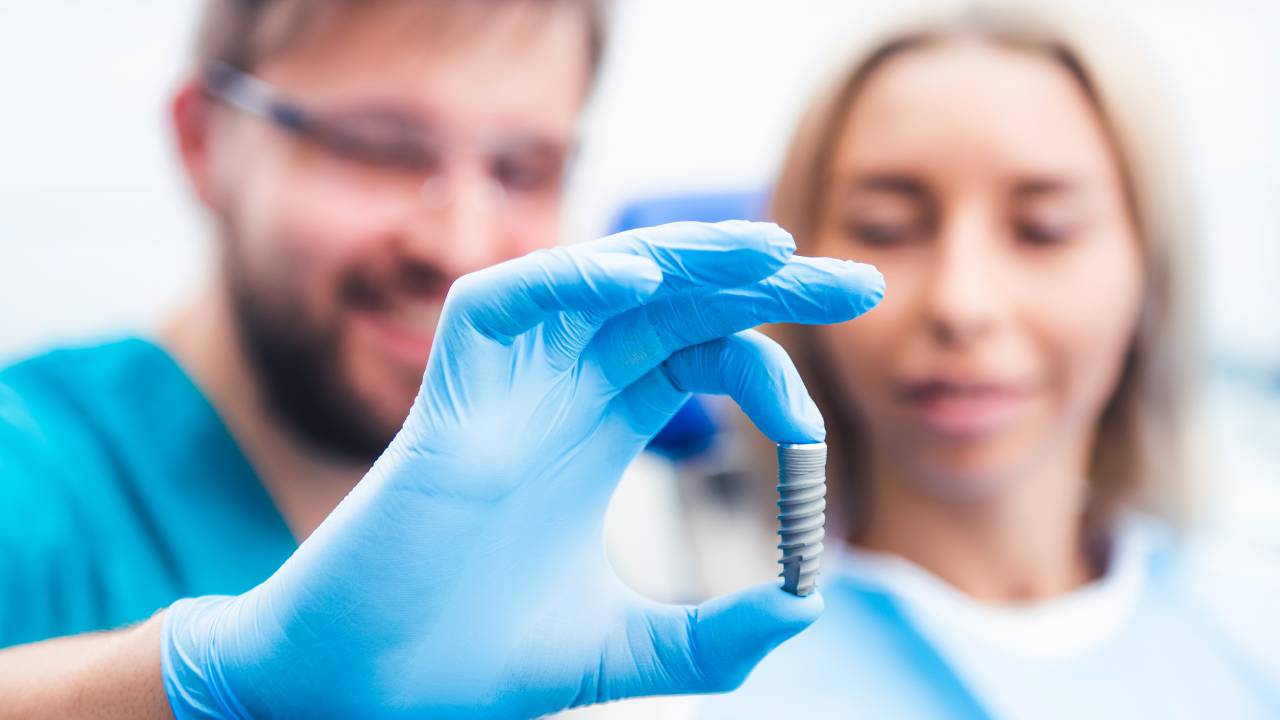
Oral appliance therapy is a dental treatment designed to help manage obstructive sleep apnea (OSA) and snoring. It involves the use of custom-made devices that are worn in the mouth during sleep. These appliances work by repositioning the jaw and tongue to maintain an open airway, which helps prevent the blockage that characterizes sleep apnea. Studies indicate that custom-made oral appliances are the most effective for treating moderate to severe OSA Cleveland Clinic.
Effectiveness of Oral Appliances
The effectiveness of oral appliances varies based on several factors, including individual anatomy and the severity of sleep apnea. According to data, the use of these dental treatments can significantly improve sleep quality and reduce symptoms associated with sleep apnea. When considering treatment options, it is pivotal to consult a dentist that treats sleep apnea to determine the best appliance for your situation.
The following table highlights some of the key effectiveness indicators associated with oral appliance therapy:
| Indicator | Effectiveness Description |
|---|---|
| Symptom Reduction | Decreases loud snoring by an average of 50% in users. |
| Apnea/Hypopnea Index (AHI) | Many users see a 50% reduction in their AHI scores. |
| Patient Satisfaction | Over 70% of users report satisfaction with oral appliances compared to CPAP. sleep apnea oral device |
| Improvement in Daytime Symptoms | Users often experience reduced daytime sleepiness and improved focus. |
Healthcare providers often measure effectiveness using the apnea/hypopnea index (AHI), which quantifies the severity of sleep apnea by counting the number of breathing interruptions during sleep Cleveland Clinic.
Oral appliance therapy presents a promising alternative to CPAP for sleep apnea, especially for those struggling with discomfort or intolerance to traditional CPAP machines. If you’re considering treatment options, visiting a dentist for sleep apnea therapy can help identify if oral appliances are the right choice for you.
Mandibular Advancement Devices (MADs)
How MADs Work
Mandibular Advancement Devices (MADs) are dental appliances designed to treat obstructive sleep apnea by positioning the jaw in a way that keeps the airway open during sleep. MADs work by advancing the lower jaw (mandible) forward, thus preventing the collapse of the throat and allowing for clearer airflow while you sleep.
When worn, these devices gently reposition the mandible forward, which can improve airway patency significantly. This repositioning not only enhances breathing but can also reduce snoring, making nights more restful for both you and your partner. Studies have shown the effectiveness of MADs in managing sleep apnea, especially for those who are intolerant to CPAP machines or seeking alternatives. For more information on alternatives to CPAP, you may refer to our article on alternative to cpap for sleep apnea.
Dental and Skeletal Effects
The use of MADs not only impacts your sleep apnea symptoms but also brings about various dental and skeletal changes. Research indicates that these devices can cause an increase in lower incisor proclination by an average of 1.54 ± 0.16°, a decrease in overjet by approximately 0.89 ± 0.04 mm, and a reduction in overbite by about 0.68 ± 0.04 mm [3].
The skeletal effects include:
| Effect | Measurement Change |
|---|---|
| Lower Incisor Proclination | +1.54 ± 0.16° |
| Overjet Reduction | -0.89 ± 0.04 mm |
| Overbite Reduction | -0.68 ± 0.04 mm |
| Mandibular Rotation | Downward and forward |
| SNA Angle Increase | +0.06 ± 0.03° |
Furthermore, as identified in a study at the University of British Columbia, tooth movements caused by the use of oral appliances can continue beyond the initial 2 years, with greater changes observed with increased use throughout the night.
These effects emphasize the importance of consulting with a dentist for sleep apnea therapy to ensure that any dental changes are closely monitored and managed. It’s essential to balance the benefits of improved sleep apnea treatment with potential dental side effects, ensuring comprehensive care. For more information on various treatment options and solutions, you can explore our sections on sleep apnea dentist treatment and the different types of oral appliance therapy for sleep apnea.
Tongue-Stabilizing Devices (TSDs)
Functionality of TSDs
Tongue-stabilizing devices (TSDs) are unique oral appliances designed to address sleep apnea by preventing the tongue from falling back into the throat during sleep. These devices work by securing the tongue in a forward position, which helps to maintain an open airway and reduce the probability of obstructed breathing. TSDs resemble sports mouthguards but specifically target the positioning of the tongue, making them a non-invasive option for those seeking relief from problems like snoring and sleep apnea.
Because TSDs must fit comfortably within your mouth, they are most effective when custom-made. Research shows that custom-made oral appliances yield the best results in treating obstructive sleep apnea (OSA) [5]. By ensuring that the appliance fits your mouth correctly, you’ll find it easier to adjust to using the device while sleeping.
Efficacy in Treating Sleep Apnea
The effectiveness of TSDs in treating sleep apnea can vary from person to person. Studies suggest that they effectively reduce both the severity of sleep apnea symptoms and the frequency of apneic events. They are particularly beneficial for individuals with mild to moderate sleep apnea who may be seeking alternatives to CPAP therapy, which some find uncomfortable.
TSDs can significantly improve sleep quality by minimizing snoring and disruptions due to apneas. In clinical settings, many patients report better rest and enhanced overall wellness after consistent use. Additionally, these devices require minimal maintenance and are easy to clean.
| Study Findings | Percentage of Improvement |
|---|---|
| Reduced Apneic Events | 70% of participants benefited from TSDs |
| Improvement in Sleep Quality | 65% reported better sleep quality |
| Decrease in Snoring | 80% experienced less snoring |
For individuals considering treatment for sleep apnea, TSDs present a viable option among various oral appliances, especially in the context of a broader treatment plan that can include lifestyle changes and regular follow-ups with a dentist for sleep apnea therapy.
If you’re exploring options for a sleep apnea mouth guard or similar devices, you may want to connect with a sleep apnea dentist who can guide you through your choices and help assess the most suitable route for your situation.
Customization and Adjustment
Oral appliance therapy for sleep apnea can significantly improve your quality of sleep. However, achieving the best results relies on proper customization and adjustment of the appliances to fit your unique dental structure.
Importance of Custom-Made Appliances
Custom-made oral appliances are essential for effective sleep apnea treatment. They are specifically designed to fit your mouth, maximizing comfort and functionality. Research has demonstrated that such appliances yield superior results for individuals with obstructive sleep apnea (OSA). Unlike over-the-counter options, custom appliances are tailored to your jaw size and shape, ensuring they remain securely in place while you sleep.
| Customization Benefit | Description |
|---|---|
| Comfort | Reduces discomfort during the night. |
| Stability | Minimizes movement, enhancing effectiveness. |
| Efficacy | Maximizes airway opening, improving airflow. |
The ability of these appliances to reposition both the jaw and tongue helps maintain an open airway during sleep. This is crucial for individuals suffering from snoring or mild to moderate sleep apnea. Your dentist will closely monitor the fitting process and make necessary adjustments to ensure optimal performance.
Adapting to Oral Appliance Therapy
Adapting to your oral appliance may take some time. Initially, you may feel some discomfort as your mouth adjusts to the new device. It’s important to communicate any issues with your dentist, who can make incremental adjustments to enhance comfort and effectiveness.
Here are key considerations for adjusting to oral appliance therapy:
| Adaptation Factor | Tips |
|---|---|
| Wearing Schedule | Start with shorter periods and gradually increase use. |
| Comfort Adjustments | Regular check-ups for modifications are essential. |
| Follow Dentists’ Advice | Utilize any recommended maintenance practices to ensure device effectiveness. |
Many patients report a more comfortable experience with custom-made appliances compared to CPAP machines. Their smaller size and travel-friendly nature make them a practical alternative [7]. If you’ve been exploring options, consulting with a dentist for sleep apnea therapy can help you find the right dental solution tailored for your specific needs.
Customization and proper adjustment of your oral appliance play a vital role in ensuring effective management of your sleep apnea, allowing you to enjoy restful nights and improved overall health.
Side Effects and Maintenance
Short-Term Effects
When you start using an oral appliance for sleep apnea treatment, you may experience some short-term side effects. Common issues include:
- Excessive Saliva: Many users report increased saliva production, which can be uncomfortable.
- Dry Mouth: Conversely, you may also experience dryness, especially if your mouth is slightly open during sleep.
- Tooth Discomfort: Some people feel soreness or discomfort in their teeth or gums as they adjust to the appliance.
- Bite Changes: You might notice slight changes in your bite, which can be temporary as your mouth acclimates to the new device.
The intensity and duration of these side effects can vary. It’s important to keep your dentist updated about any discomfort, as they may suggest adjustments to improve your comfort. For more information on treatment options, look into dental sleep apnea treatment.
Long-Term Considerations
Long-term side effects of oral appliance therapy for sleep apnea are generally uncommon, especially with a properly fitted device. However, some considerations include:
- Dental Changes: Over time, the use of oral appliances can result in tooth movements or misalignment. This may lead to noticeable changes in your bite, as evidenced by studies showing shifts can continue beyond the first two years of use.
- Jaw Pain and TMJ Disturbances: Some users experience jaw discomfort or temporomandibular joint (TMJ) issues, which can stem from the positioning of the appliance during sleep.
- Ear Pain and Tinnitus: Occasionally, individuals may report ear fullness or pain, as well as tinnitus (ringing in the ears), albeit these symptoms require further investigation.
- Teeth Looseness: Severe cases can lead to concerns about loosening teeth or misalignment, necessitating attention from your healthcare provider to explore adjustments or alternative treatments [4].
Regular dental check-ups are vital to monitor your oral health and the condition of your appliance. Consulting your dentist will help address any significant issues, ensuring the effectiveness of your treatment. If you’re considering alternatives to CPAP, explore options like oral appliance therapy for sleep apnea [8].
References
- (Mayo Clinic)
- (Cleveland Clinic)
- (NCBI)
- (The Sleep Doctor Blog)
- (Cleveland Clinic)
- (Smiles in Leesburg)
- (Lalangas Family Dentistry)
- (oral appliance therapy for sleep apnea)