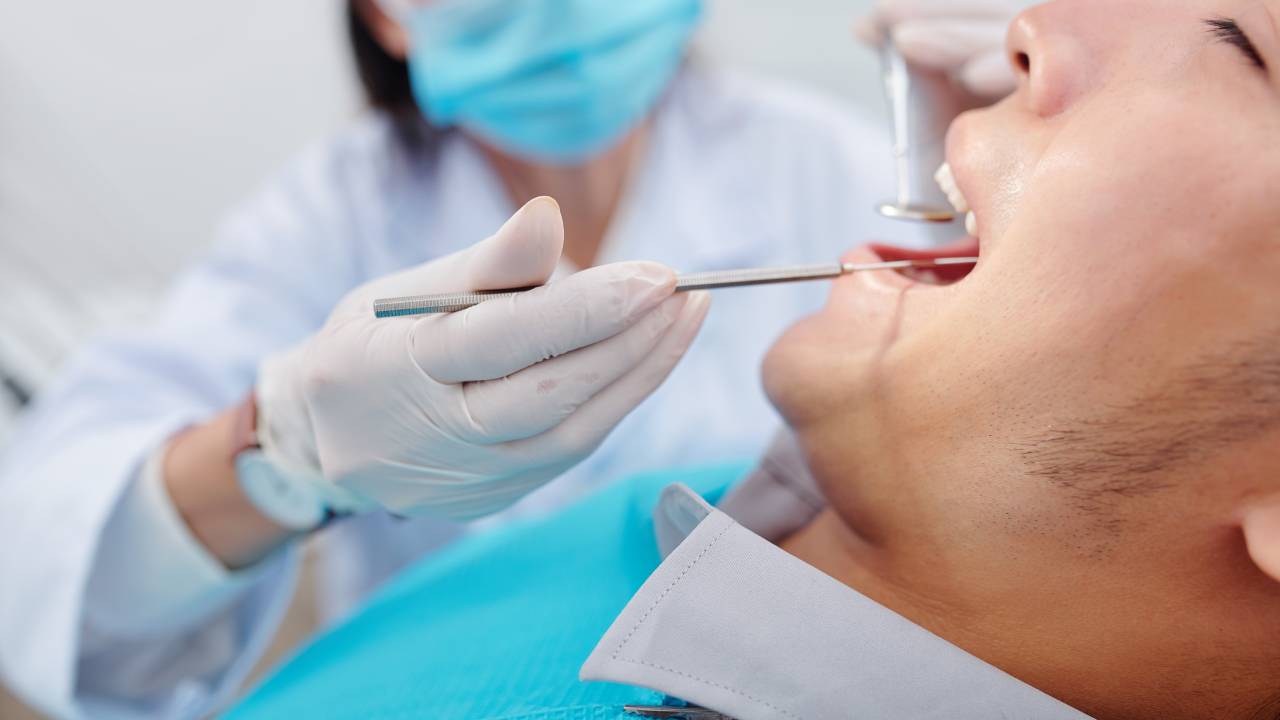
Dental Crown Procedures
Understanding dental crowns is essential for anyone considering a restorative solution for damaged teeth. Crowns provide not only enhanced aesthetics but also functional benefits for your dental health.
Purpose of Dental Crowns
Dental crowns, sometimes referred to as dental caps, are artificial tooth-shaped covers designed to fit over weakened, broken, or decayed teeth. Their primary purpose is to restore the form and function of damaged teeth. Here are some key reasons why crowns may be necessary:
| Purpose | Description |
|---|---|
| Restoration of Damaged Teeth | Crowns aid in reinforcing and preserving the structure of weakened or fractured teeth. |
| Replacement of Missing Teeth | Crowns can also serve as anchors for dental implants or bridges, providing support. |
| Cosmetic Enhancement | They improve the appearance of discolored or misshapen teeth, contributing to a better smile. |
| Protection against Further Damage | Crowns shield underlying tooth structures from additional decay and wear. |
For detailed information on dental procedures, you can check Delta Dental’s overview on dental crowns.
Dental Crown Materials
Dental crowns can be made from a variety of materials, each with its own advantages. When considering your options, it is important to discuss these materials with your dentist to determine the best fit based on your individual needs.
| Material | Description | Advantages |
|---|---|---|
| Resin | A tooth-colored material that can match the shade of your natural teeth. | Aesthetic appeal, minimal cost. |
| Metal | Includes gold, platinum, or base metals for durability. | Very strong, excellent for back teeth. |
| Porcelain | Dental-grade ceramic can blend well with natural teeth. | Excellent appearance, good for front teeth. |
| Porcelain-Fused-to-Metal | Combines the strength of metal with the cosmetic appeal of porcelain. | Durable yet aesthetic, suitable for various locations in the mouth. |
Crowns serve as a vital solution for restoring damaged teeth, and it’s beneficial to remain informed about your options. Many factors affect the cost of crowns, including the type of material and any necessary preparatory work, such as treating gum disease. To maximize your benefits, consider discussing coverage with your insurance provider and exploring options like insurance-covered dental implant consultations when applicable.
Delta Dental Coverage for Crowns
Navigating insurance coverage can be essential when considering dental procedures like crowns. Understanding your options with Delta Dental can help you manage costs while ensuring you receive the quality care you deserve.
Understanding Delta Dental Plans
Delta Dental offers various insurance plans that include coverage for dental crowns. It’s crucial to familiarize yourself with your specific plan as benefits can differ significantly. Those with group dental insurance through their employer or Medicaid should consult with their group benefits administrator to grasp the extent of their coverage.
When reviewing your Delta Dental coverage, pay attention to the following aspects:
- Deductibles: Amount you must pay before coverage begins.
- Waiting periods: Many plans impose a waiting period, often between 6 to 24 months, before major services like crowns are eligible for coverage. The standard waiting period is typically 12 months.
- In-network dentists: Using an in-network dentist can provide lower rates and additional discounts.
For a better understanding of the specifics regarding your coverage for crowns, it is wise to consult with a dental professional for a pre-treatment estimate. This will clarify how much of your procedure may be covered by your plan and help you budget for any out-of-pocket costs.
Coverage and Cost Considerations
Cost factors in Delta Dental plans often include:
| Coverage Aspect | Details |
|---|---|
| Coverage for Crowns | Varies by plan; check your specific policy |
| Out-of-Pocket Costs | Dependent on deductibles, waiting periods, and network status |
| Fee Discounts | Available when using in-network providers |
Many dental benefits plans assist in covering the expenses related to dental crowns, but some plans may have exclusions. It is advisable to check if your plan offers additional benefits through Health Savings Accounts (HSA), Health Reimbursement Arrangements (HRA), or Flexible Spending Accounts (FSA), which could help with remaining costs not covered by insurance.
If you are considering dental crowns, ensure you are informed about dental crowns and implants covered by bcbs or explore alternative insurance options that may suit your needs better. Always prioritize the quality of care while being mindful of the financial aspects.
Dental Crown Process
Understanding the dental crown process is vital for maintaining your oral health and achieving a beautiful smile. This procedure typically occurs over two appointments, ensuring the highest level of care and precision.
Preparing for a Crown
Your first visit lasts approximately 60 to 90 minutes. During this appointment, your dentist will prepare your tooth by removing any decay and reshaping it to fit the crown. After the tooth is prepared, your dentist will take impressions that will guide the creation of your custom crown. Finally, a temporary crown is placed to protect your tooth while the permanent one is being created.
| Step | Duration | Details |
|---|---|---|
| Tooth Preparation | 60 – 90 minutes | Removal of decay and reshaping of the tooth. |
| Impressions | Included | Custom-fit impressions are created. |
| Temporary Crown Placement | Included | Protects the tooth until the permanent crown is ready. |
Placing the Crown
The second appointment is shorter than the first and is focused on placing the permanent crown. Once your custom crown is ready, your dentist will remove the temporary crown, check the fit of the permanent crown, and make any necessary adjustments. After ensuring a perfect fit, the crown will be securely cemented onto your tooth.
Following the placement, be mindful that you may experience some temporary sensitivity to hot and cold foods in the initial weeks. To protect both temporary and permanent crowns, consider avoiding certain foods that could cause damage, such as ice, nuts, popcorn, and sticky sweets like caramel and toffee.
For more information about post-care and maintaining the longevity of your crowns, visit our detailed guide on crowns and implants with delta dental.
Dental Crown Care
Caring for your dental crown is essential to ensure its longevity and maintain your overall oral health. This section discusses how to maintain your crown effectively and highlights specific foods you should avoid.
Maintaining Your Crown
On average, dental crowns can last around 10 to 15 years, but with proper care, they may extend up to 30 years (Delta Dental). Here are some tips to help maintain your crown:
| Care Tips | Description |
|---|---|
| Regular Dental Check-ups | Schedule routine visits with your dentist to monitor the crown’s condition and address any issues promptly. |
| Good Oral Hygiene | Brush twice a day and floss daily to keep the area around the crown clean, preventing decay and gum disease. |
| Use a Soft-Bristled Toothbrush | To avoid damaging the crown, opt for a soft-bristled toothbrush and non-abrasive toothpaste. |
| Avoid Teeth Grinding | If you grind your teeth, talk to your dentist about a night guard to prevent damage to your crown. |
Maintaining good oral hygiene and attending regular check-ups will help ensure your crown remains in good condition and supports the health of surrounding teeth.
Foods to Avoid
After receiving a crown, it is vital to avoid certain foods that may damage or dislodge it, especially in the initial weeks after the procedure [(Delta Dental)]. Here’s a list of foods to steer clear of:
| Foods to Avoid | Reason |
|---|---|
| Ice | Can fracture or chip the crown |
| Nuts | Hard textures may cause damage |
| Popcorn | Kernels can break the crown |
| Sticky Foods (e.g., caramel, toffee) | Can dislodge the crown or pull it off |
| Very Hot or Cold Foods | May cause sensitivity in the first weeks |
Taking care while eating and following these recommendations will help safeguard both your crown and the overall health of your teeth. Regularly consult with your dentist to ensure that your crown and oral health remain in optimal condition. For more on related dental services, refer to our sections on dental implant treatment covered by aetna and affordable dental implants with delta dental insurance.
Dental Implant Overview
Dental implants are an effective solution for replacing missing teeth, providing a strong foundation for artificial teeth or dental appliances. The implants consist of screw-like posts that are surgically placed into the upper or lower jaw, and they’re typically topped with a dental crown. Understanding the significance and types of dental implants will help you make informed decisions about your dental health.
Importance of Dental Implants
Dental implants serve several essential functions:
- They act as replacement tooth roots, mimicking the stability of natural teeth.
- Implants help prevent bone loss in the jaw, which often occurs after tooth loss.
- They maintain facial structure and contours, supporting the prevention of sagging appearance.
- Implants provide a durable and long-lasting solution for tooth replacement, making them a practical choice for many individuals.
Unlike conventional dentures, dental implants do not shift or slip, allowing for comfortable eating, speaking, and smiling. This stability can significantly enhance your confidence and quality of life.
Types of Dental Implants
Dental implants are not a one-size-fits-all treatment. They come in various types, tailored to meet individual needs based on jawbone structure and personal preferences. Here are the main types:
| Type of Implant | Characteristics | Typical Use |
|---|---|---|
| Standard Implants | Diameter between 3 and 6 millimeters, stronger, and longer-lasting | Suitable for healthy jawbones, commonly used |
| Mini Implants | Smaller in diameter, less invasive | Ideal for patients with less bone density or narrower spaces |
| Zygomatic Implants | Anchored into the cheekbone, used in cases with severe bone loss | For patients with significant jawbone deterioration |
| Subperiosteal Implants | Placed under the gum but on top of the jawbone | For patients who do not have enough healthy jawbone density for standard implants |
Dental implants are typically made from materials like titanium or zirconia, providing excellent biocompatibility and strength. Other materials, such as polymers, ceramics, and specific metals like gold or cobalt-based alloys, are also available but are less common.
If considering implants, you may want to explore specific details about implant coverage, including options under your insurance provider. For further information, check our links on affordable dental implants with delta dental insurance and insurance-covered dental implant consultation.
Delta Dental Coverage for Implants
Implant Benefits with Delta Dental
Delta Dental provides coverage options tailored for dental implants, which are essential for restoring function and aesthetics for those with missing teeth. Dental implants help improve the quality of life by enhancing your ability to eat, speak, and smile confidently. With Delta Dental, you can benefit from:
- Comprehensive support for implant procedures.
- Access to a wide network of in-network dental specialists, ensuring you receive quality care.
- Options for financing through Health Savings Account (HSA), Health Reimbursement Account (HRA), or Flexible Spending Account (FSA) for your out-of-pocket expenses.
Understanding your coverage starts with consulting Delta Dental’s resources or your dental provider.
Costs and Coverage Details
Costs for dental implants with Delta Dental may vary based on your specific plan and the procedures needed. Here’s a general breakdown of potential costs and coverage considerations:
| Procedure | Average Cost | Delta Dental Coverage Estimate |
|---|---|---|
| Single Tooth Implant | $3,000 – $4,500 | Varies; often around 50-80% |
| Implant Supported Dentures | $12,000 – $20,000 | Varies; typically 50-80% |
| Abutment and Crown for Implant | $1,500 – $2,500 | Often included in coverage for implants |
Coverage specifics often depend on factors such as waiting periods, which can range from 6 to 24 months for major services. Consulting with your dental provider can provide clarity on your personal coverage, including deductibles and co-pays, insurance-covered dental implant consultation.
For detailed coverage options, fees associated with dental implants, and guidance on selecting in-network specialists, explore more about affordable dental implants with delta dental insurance or review other common plans like blue cross blue shield dental implant coverage. Always prioritize discussing your specific dental needs with your provider to ensure optimal treatment tailored to your situation.