It usually shows up in a photo before you notice it in the mirror: your smile looks a shade duller than it did a few years ago, even though you brush twice a day. Very often the cause is the travel mug you refill on the way to work. Coffee drinkers from Huntersville, Charlotte, and the surrounding area regularly ask our team at Reimels Dentistry whether keeping their teeth healthy means giving up their morning cup. For most people, it doesn’t. What helps far more is understanding how drinking coffee can affect your teeth, so you can adjust a few habits and keep the ritual you enjoy.
Coffee affects your mouth in two distinct ways, and most people have only heard about one. The first is staining, which you can see. The second is acid, which you can’t see but which shapes how your enamel wears and how yellow your teeth look over the years. Both are manageable. Below, you’ll find what is happening on the surface of your teeth, the habits our dentists at Reimels Dentistry suggest to coffee drinkers, what a professional cleaning can and can’t lift, and when cosmetic dentistry makes sense for color that has settled in.
Why Does Coffee Leave Such a Stubborn Stain on Your Teeth?
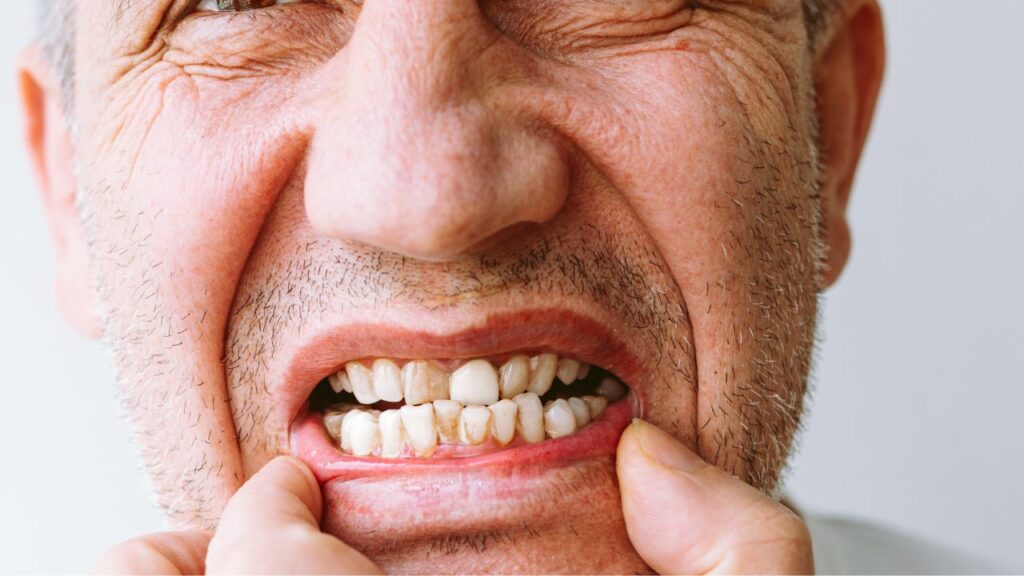
Coffee stains teeth because it combines intensely colored compounds called chromogens with plant polyphenols, including tannins, that help that color attach to tooth surfaces. Each cup leaves behind a little pigment, and those thin layers slowly build into the yellow or brown cast you start to notice in pictures.
The tooth surface is part of the story. Enamel looks smooth and glassy, but magnified it shows tiny pits, grooves, and ridges. Within minutes of brushing, saliva also coats your teeth with a thin protein layer called the pellicle. That layer protects enamel, yet it is tacky enough to catch pigment. As coffee passes over it, polyphenols bind to the pellicle and pull the dark chromogens along. Dentists call this extrinsic staining, meaning the color sits on or just inside the outer surface rather than deep within the tooth.
Repetition is what makes a faint film visible. A single daily cup adds up to roughly 3,650 cups across ten years, and many coffee drinkers have two or three a day. Buildup tends to appear first where brushing falls short: along the gumline, in the small triangles between teeth, and on the tongue side of your lower front teeth. Tartar speeds things up, because hardened plaque is rougher and more porous than enamel and absorbs coffee color much faster than a clean surface. That is why stain and tartar so often appear in the same places.
It’s worth keeping perspective, because coffee isn’t purely harmful to your mouth. A systematic review of coffee intake and periodontal health notes that coffee contains polyphenols with antioxidant and anti-inflammatory activity, and that studies on whether coffee helps or hurts the gums have pointed in both directions. For most coffee drinkers, the practical concerns are appearance and enamel wear. Both have clear solutions, and they begin with knowing where the stain comes from.
How Drinking Coffee Can Affect Your Teeth Beyond the Stain: What Acid Does to Enamel
Stain is only half of it. Coffee is mildly acidic, and each cup temporarily softens the outer layer of your enamel by drawing out some of its minerals. Saliva repairs that surface over roughly the next half hour, but all-morning sipping and brushing at the wrong time can keep enamel from fully recovering.
Most brewed coffee sits around a pH of 5. Enamel starts losing minerals when your mouth drops below about 5.5, so every sip moves your teeth into that range. This is demineralization. One cup isn’t a problem, because saliva neutralizes the acid and returns calcium and phosphate to the enamel through remineralization. The issue is duration. Finish your cup in 15 minutes and your mouth has the rest of the morning to recover. Sip from the same mug from 7 a.m. to lunch and your enamel spends hours in a mildly acidic environment with little chance to rebuild. How often you sip matters more than how much you drink.
That’s also why brushing right after coffee backfires. Softened enamel wears more easily, so brushing immediately can remove a microscopic layer that would otherwise have hardened again. Wait at least 30 minutes, longer if you can, and rinse with water in the meantime. If you like heading out with freshly brushed teeth, brush before your coffee rather than after.
Acid and stain also reinforce each other. Enamel is slightly translucent, and the dentin beneath it is naturally yellow. As enamel thins over time, more of that yellow shows through, so teeth can look darker with no surface stain at all. Softened enamel also absorbs pigment more readily. If a whitening toothpaste seems to have stopped working, this may be the reason, since part of the yellow you see is no longer on the surface.
Add-ins matter too. Sugar, flavored syrups, and sweetened creamers feed plaque bacteria, which produce acid of their own and raise cavity risk when you sip slowly. If hot or cold drinks cause a twinge of sensitivity, bring it up at your next checkup instead of waiting. Sensitivity can point to enamel wear or gum recession, and both are easier to manage when caught early.
Do You Really Have to Quit Coffee to Keep a Bright Smile?
No. For most adults, the goal is to change how you drink coffee, not whether you drink it. A few small habits cut down on both staining and acid exposure without disrupting your morning.
There’s good reason not to treat coffee as the enemy. The federal Dietary Guidelines Advisory Committee’s evidence review on coffee found that moderate intake, about three to five cups a day providing up to 400 milligrams of caffeine, was not linked to increased long-term health risks in healthy adults. That review looked at overall health rather than teeth, and your physician should guide caffeine limits if you’re pregnant or managing a medical condition. Still, it explains why our dentists at Reimels Dentistry begin with practical adjustments rather than asking you to give up something you enjoy.
Reimels Dentistry has multiple Fellows in the Academy of General Dentistry on staff, each with more than 600 hours of continuing education, and their guidance for coffee drinkers includes these suggestions:
- Drink iced coffee and cold brew through a straw. Aim it toward the back of your mouth so the coffee skips your front teeth, the ones that show in photos.
- Chase every cup with water. A few sips swished around your mouth rinse off loose pigment and help move acidity back toward neutral.
- Finish each cup in one sitting. Drinking it over 20 or 30 minutes gives enamel far more recovery time than nursing it for hours.
- Try a splash of milk. Milk proteins, particularly casein, may bind some of coffee’s polyphenols, which could reduce how much clings to enamel. Milk also nudges the pH of your cup up slightly. Pick unsweetened options so you aren’t swapping stains for cavities.
- Chew sugar-free gum afterward. Chewing boosts saliva flow, and saliva is your mouth’s built-in repair system.
- Wait to brush, then brush gently. Use a soft-bristled brush and fluoride toothpaste at least 30 minutes after your last sip.
- Be cautious with abrasive whitening products. Gritty whitening pastes and charcoal powders can wear enamel, especially when it’s softened, and that wear can make teeth look more yellow over time.
Think about an ordinary weekday: a travel mug on the commute, a refill at your desk, maybe an afternoon cup before a meeting. You don’t need to drop any of them. Finishing each cup instead of stretching it out, keeping a water bottle next to your mug, and moving your brushing to before breakfast add up over months and years.
What Can a Professional Cleaning Remove That Your Toothbrush Can’t?
Even with good habits, some stain builds up where home care can’t reach. A professional cleaning removes hardened tartar and the coffee stain locked into it, along with surface pigment in areas your brush misses, which may make surface stain look noticeably lighter by the end of the visit for some patients.
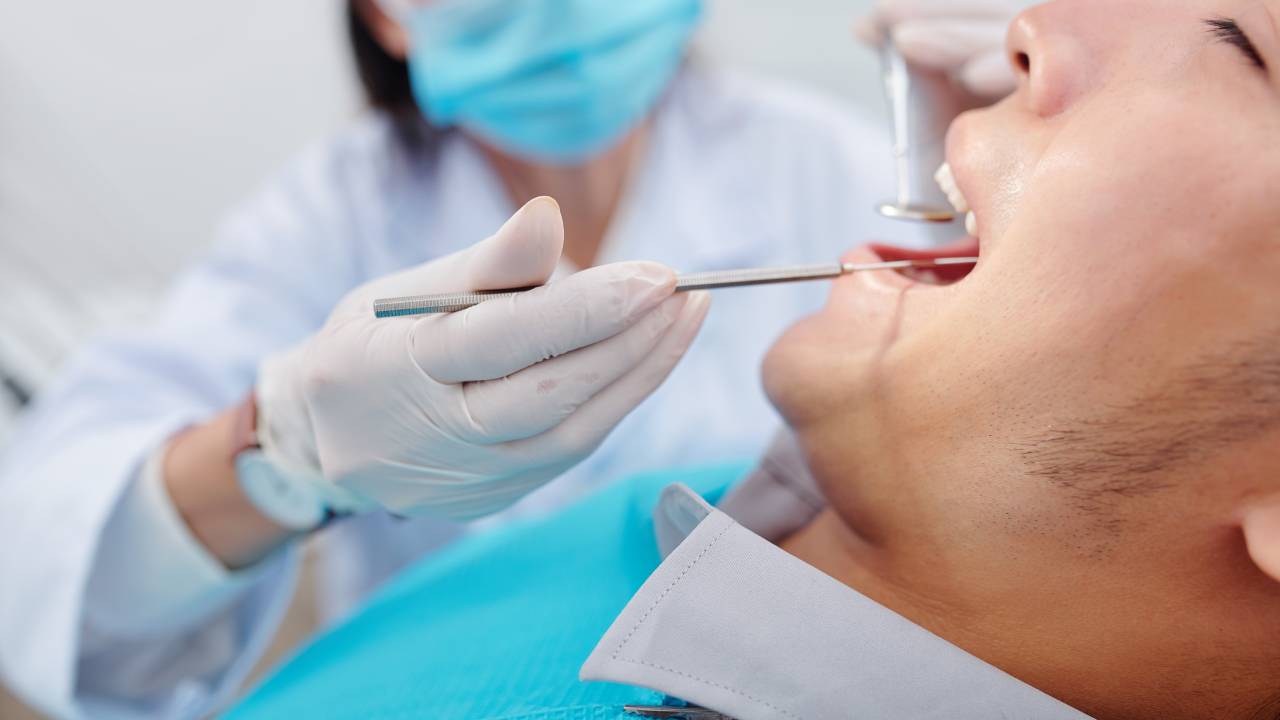
Your toothbrush handles soft plaque well, but once plaque hardens into tartar, brushing can’t move it. Because tartar is porous, it soaks up coffee color and holds it. During a cleaning, your Reimels Dentistry hygienist removes that tartar, including deposits near and below the gumline where stain tends to hide, and works carefully through the tight spaces between teeth. Polishing follows, smoothing the enamel and clearing the stained film that remains. A smoother surface also gives pigment less to grip, so stain generally returns more slowly.
Each cleaning comes with an exam, and that’s where coffee-related wear is caught early. Reimels Dentistry uses digital imaging and an intraoral video camera, so you can view close-up images of your own teeth on a screen rather than relying on a description. You’ll see where stain gathers, whether enamel is thinning along the edges, and whether any early decay needs attention. Seeing it yourself is often the clearest illustration of how drinking coffee can affect your teeth over time. This is a big part of what we mean by High-Tech Smiles: clear information that lets you make your own decisions.
Many patients do well with cleanings every six months, though your dentist may suggest a different interval if tartar builds quickly for you. For coffee drinkers, regular visits clear stain before it has years to layer up. It’s also important to know what a cleaning can’t do. It won’t change the color of stain that has worked into the enamel, it won’t restore enamel thin enough to let yellow dentin show through, and it won’t lighten old fillings or crowns. When those are behind a dull smile, cosmetic options are the next conversation.
When Years of Coffee Have Set In, What Options Might Help With Color?
When stain sits deeper than a cleaning can reach, the right path depends on the kind of discoloration you have, the condition of your enamel, and how long you want a result to last. Your dentist can assess this during a cosmetic consultation, though individual responses to treatment vary and cannot be predicted in advance.
Peroxide-based whitening gels work by penetrating enamel and breaking down the pigment molecules inside it, and they may lighten the yellow-brown tones coffee leaves behind for some patients, though results vary. They have limits worth knowing: whitening doesn’t change crowns, fillings, or bonding, it is less predictable on gray or uneven discoloration, it can cause temporary sensitivity, and results may fade if you return to all-day sipping without the habits above. Ask your dentist whether your stains might respond or whether another approach could suit you better.
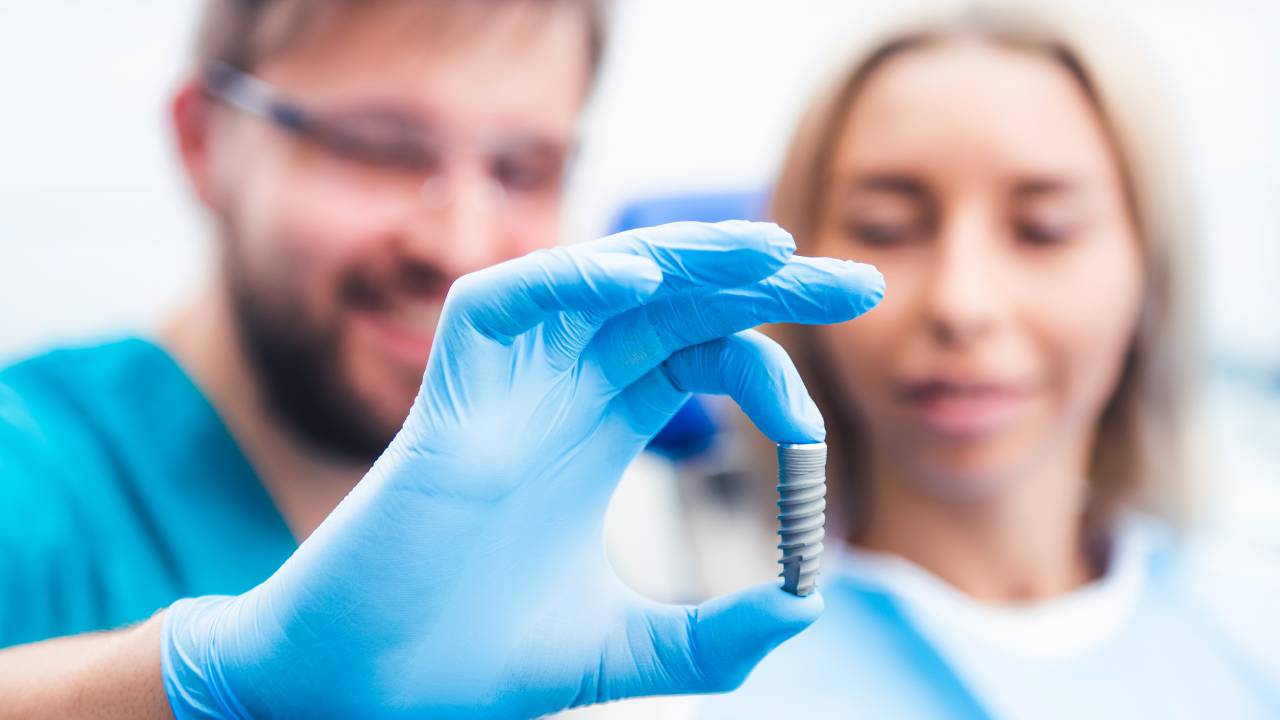
For those seeking a longer-lasting option, Reimels Dentistry offers custom porcelain veneers. A veneer is a thin porcelain shell bonded to the front of a tooth. Dental porcelain resists staining better than natural enamel, so veneers may hold their color well even for daily coffee drinkers. They can also address chips, worn edges, small gaps, and uneven shapes at the same time. Veneers do require removing a thin layer of enamel, which can’t be reversed, and like any dental work they may eventually need replacement. A good consultation covers those trade-offs honestly.
If staining is one of several things bothering you about your smile, a full smile makeover may pair veneers with other treatment. Because Reimels Dentistry has an on-site orthodontist practice and offers Invisalign, crowding or spacing can be handled under the same roof, with no referrals and no driving between offices.
Cost depends on how many teeth are involved and which treatment you choose. Cosmetic procedures are often not covered by dental insurance, so request an itemized estimate before deciding. Reimels Dentistry accepts BCBS GRID+ and works with financing options including CareCredit, Cherry, Sunbit, LendingClub, and Proceed Finance, which can turn the cost into monthly payments.
Questions Coffee Drinkers Ask Before Their Next Appointment
Should I brush my teeth immediately after drinking coffee?
No. Coffee’s acidity temporarily softens enamel, and brushing during that window can wear it down. Rinse with water right after your cup, then wait at least 30 minutes before brushing. If you want to brush before leaving in the morning, do it before your coffee.
Does iced coffee stain teeth less than hot coffee?
Not by much. Hot and iced coffee carry the same staining compounds, so temperature isn’t the main factor. Iced coffee does have one advantage: it’s easy to drink through a straw placed toward the back of your mouth, which keeps most of it away from your front teeth.
Can whitening remove years of coffee stains?
It may lighten them for some patients, because peroxide gels reach pigment inside the enamel that brushing and polishing can’t. Results depend on the type and depth of the stain, and whitening won’t change crowns or fillings. For discoloration that doesn’t respond, porcelain veneers are an alternative some patients consider.
How often should coffee drinkers get professional cleanings?
Many patients do well with a cleaning every six months, and your dentist may recommend a different schedule if tartar builds quickly. Regular cleanings clear coffee stain before it has years to layer on, and the exam at each visit catches enamel wear early.
Does adding cream to coffee really prevent staining?
It may help reduce staining for some people, but it won’t stop staining entirely. Milk proteins such as casein may bind some of the compounds that make coffee color cling to enamel, and milk slightly lowers the cup’s acidity. Choose unsweetened milk or cream, since sugary creamers raise cavity risk.
Nobody Here Is Going to Lecture You About Your Coffee
A visit to Reimels Dentistry starts with a practical conversation about the coffee you already drink, followed by an exam and a plan built around your routine. You won’t be scolded for your habits or pushed toward treatment you don’t want.
Plenty of people delay a dental visit because they’re embarrassed about their teeth or worried about being judged for letting things slide. That feeling is common, and it’s the last thing you should experience in our chair at Reimels Dentistry. At our Huntersville, NC practice, you’re treated like a member of our family. We’ll ask about your mornings, how many cups you usually have, whether you drink it black or sweetened, and what bothers you most in photos. That context shapes everything after, because advice that ignores your real life is advice you won’t follow.
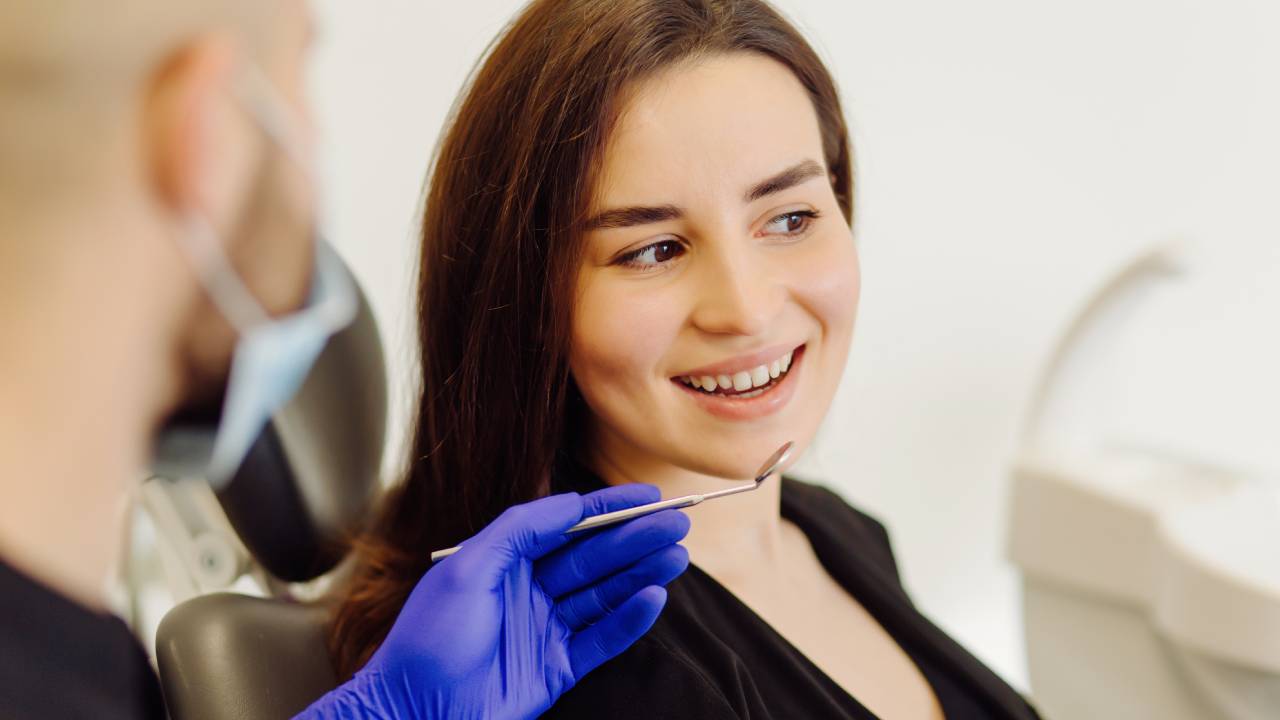
Next, your dentist examines your teeth and uses the intraoral camera so you can see the staining and any enamel wear for yourself. If you’re due, your cleaning may reveal how much of the discoloration is surface stain. Then you’ll go over your options in plain language, whether that’s a few habit changes and a regular cleaning schedule or a cosmetic plan for stains that have set in. If dental visits make you anxious, sedation dentistry is available at Reimels Dentistry so you can be seen in ultimate comfort. And if a tooth suddenly chips or starts hurting, same-day emergency appointments are available.
This is where the Academy of General Dentistry Fellowships on our staff at Reimels Dentistry matter in an everyday way. Those 600+ hours of continuing education mean the guidance you receive about something as routine as your morning coffee reflects current, well-studied practice, delivered with advanced skills with a small-town touch. To us, Patient-Focused Care means meeting you where you are without asking you to give up what you enjoy.
Understanding how drinking coffee can affect your teeth is most useful when you can track your own progress, so here’s one step you can take today: photograph your smile in natural daylight, near a window, with no filter. That gives you and your dentist an honest baseline for your current color and makes it easy to compare after a cleaning, a few months of new habits, or cosmetic treatment. Bring that photo to your visit. Schedule a cleaning or cosmetic consultation at Reimels Dentistry in Huntersville, NC, and our team will assess your current staining and discuss options that fit your coffee habits, so you can keep your favorite cup and receive exceptional dental care along with it.
Keep Your Smile Bright While Enjoying Your Morning Cup
If you’ve noticed your teeth looking a bit darker lately or you’re concerned about how your daily coffee habit might be affecting your oral health, we understand that giving up your favorite beverage isn’t always realistic. The team at Reimels Dentistry can assess any staining or enamel concerns during a preventive care visit and show you simple ways to protect your smile without sacrificing the things you enjoy. We’re here to help you keep your teeth healthy and confident, one cup at a time.
Individual results from any dental treatment, including cleaning and cosmetic procedures, vary based on many factors unique to each patient.